Published: Thursday, July 30, 2026 · 11:22 AM | Updated: Thursday, July 30, 2026 · 11:22 AM
📊 1,225 views




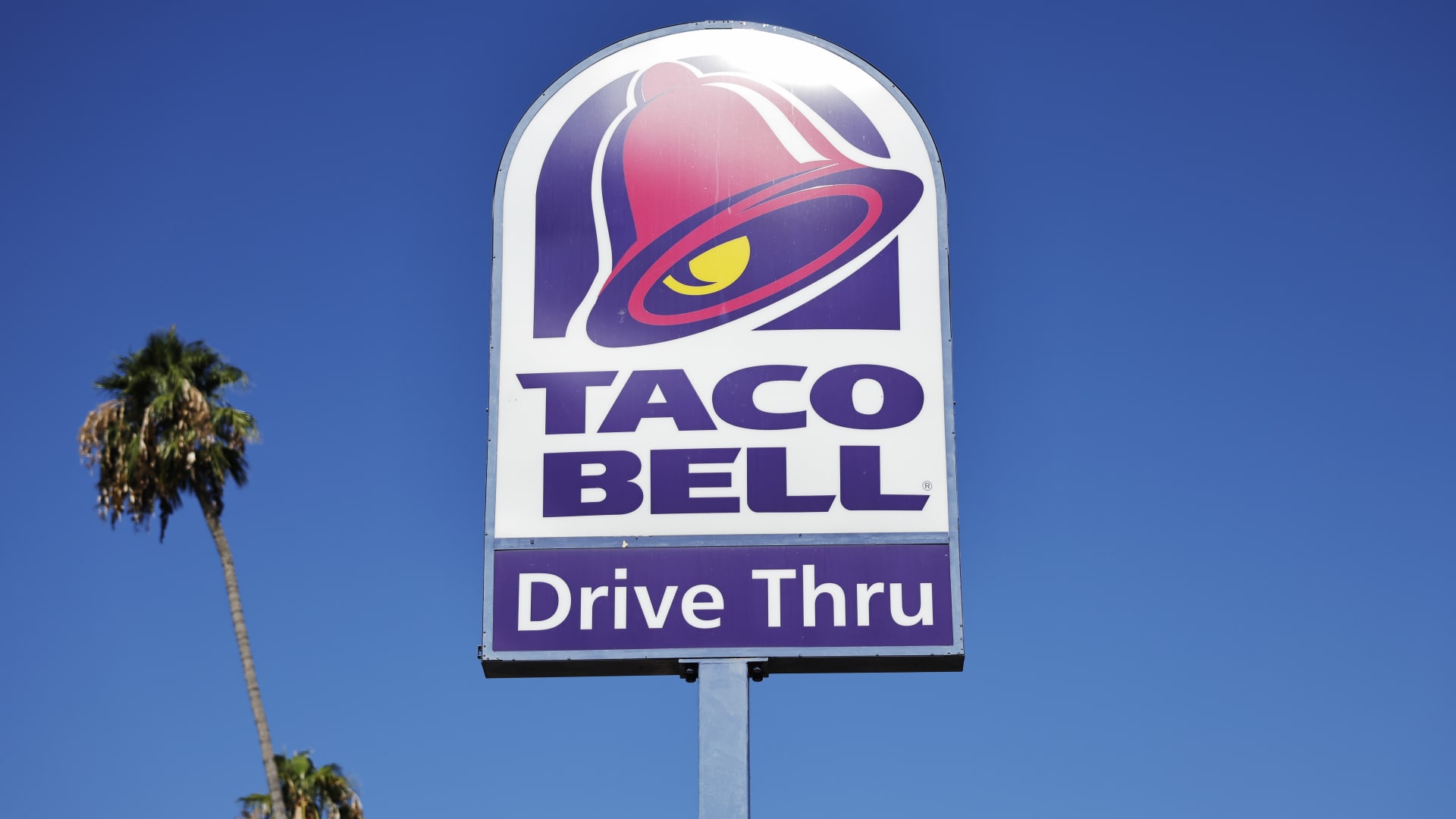
Yum Brands (YUM) delivered a mixed second-quarter earnings report, surpassing adjusted EPS expectations but falling short on revenue. The key concern, however, remains the looming specter of the Taco Bell cyclospora outbreak, which was not addressed in the earnings call despite its growing impact on consumer traffic. This situation presents a complex challenge for the fast-food giant’s near-term growth trajectory and demands careful portfolio re-evaluation.
💎 Strategic Investment & Portfolio Insights
- Outbreak Shadowing Performance. While Q2 results were largely pre-outbreak, the ongoing Taco Bell cyclospora outbreak introduces significant near-term revenue and brand reputation risks.
- Growth Engine Under Pressure. Taco Bell, historically Yum’s top performer, is now a vulnerability, necessitating a re-assessment of its contribution to future growth estimates and overall Yum Brands valuation.
- Diversification as a Buffer. The diverse portfolio, including KFC’s steady performance and the Pizza Hut divestiture, offers some insulation, but core brand health remains critical for sustained alpha generation.
Yum Brands reported adjusted earnings per share of $1.62 against an expected $1.58 for its second quarter ending June 30, outperforming analyst estimates. However, revenue came in slightly below expectations at $2.17 billion compared to the anticipated $2.2 billion, signaling a mixed financial picture before the full impact of a major health crisis could be felt. The company’s net revenue saw a robust 12% climb, primarily fueled by new restaurant openings globally. This strong top-line expansion, coupled with a global same-store sales growth of 3%—aligning with StreetAccount’s 2.9% estimate—paints a picture of operational resilience in the period preceding the cyclospora concerns.
Crucially, the earnings call provided no immediate clarity on the unfolding Taco Bell cyclospora outbreak, leaving investors to ponder the potential ramifications. Data from Placer.ai indicates a double-digit percentage plunge in daily traffic to Taco Bell locations since the Food and Drug Administration first linked the parasitic outbreak to iceberg lettuce in mid-July. This is particularly troubling as Taco Bell has historically served as a vital “growth engine” for Yum Brands, consistently outperforming its sister brands with a 7% jump in same-store sales during Q2. The situation underscores the sensitivity of quick-service restaurants to public health perceptions, a sentiment echoed by Chipotle Mexican Grill, whose executives noted consumer mistrust of fresh lettuce weighed on their sales in the latter half of July, as reported by Reuters business news.
While KFC posted a respectable 2% same-store sales growth, bolstered by a 6% system sales increase in China, and the strategic sale of the struggling Pizza Hut for $2.7 billion to LongRange Capital and Yum China further streamlines the portfolio, the immediate focus remains on Taco Bell. The silence on the outbreak during the earnings release suggests management is still assessing the full financial and reputational fallout. This lack of transparency, while understandable given the ongoing nature of a public health investigation, introduces an element of uncertainty that could weigh on investor sentiment and short-term performance. For a broader perspective on market sentiment, insights from broader market analysis are crucial.
- Key operational highlights from Q2 2026 before the outbreak news:
- Taco Bell’s 7% same-store sales growth reaffirmed its leading position.
- KFC continued its steady expansion, particularly in international markets like China.
- The divestment of Pizza Hut aims to improve overall portfolio profitability and focus on higher-growth brands.
The unfolding situation creates a tangible cause-and-effect chain for portfolio strategists. A public health crisis tied to a core brand (Cause: Taco Bell cyclospora outbreak) erodes consumer confidence and negatively impacts traffic (Effect: Decreased sales and brand reputation). This directly translates into potential downward revisions for short-term earnings forecasts and, consequently, a re-evaluation of YUM’s intrinsic value (Effect: Asset Revaluation). For a diversified portfolio, this mandates a rebalancing of exposure to the restaurant sector, potentially trimming YUM holdings or hedging against further downside until the situation stabilizes and clear mitigation strategies are communicated. It also highlights the importance of robust risk management frameworks in consumer-facing industries, prompting a review of other holdings for similar vulnerabilities to supply chain or health-related incidents.
“In navigating public health crises, transparency and swift action are paramount. Yum Brands’ initial silence on the Taco Bell cyclospora outbreak, while operationally understandable, introduces a perception gap that value investors will penalize until a clear recovery roadmap is presented. This isn’t just about lost sales; it’s about safeguarding long-term brand equity, a critical component of alpha generation.”
The second quarter 2026 performance for Yum Brands showcased a mixed financial picture before the full implications of the cyclospora outbreak began to materialize. Here’s a breakdown of key metrics:
| Metric | Reported Q2 2026 | Analyst Expectations | Significance |
|---|---|---|---|
| Adjusted Earnings Per Share (EPS) | $1.62 | $1.58 | Exceeded estimates, indicating strong operational efficiency prior to recent events. |
| Total Revenue | $2.17 Billion | $2.2 Billion | Slightly missed estimates, partly offset by new restaurant openings. |
| Global Same-Store Sales Growth | 3% | 2.9% | In line with expectations, reflecting steady system-wide performance. |
| Taco Bell Same-Store Sales Growth | 7% | N/A (Highest segment growth) | Demonstrated Taco Bell’s strong momentum before the outbreak disrupted traffic. |
| KFC Same-Store Sales Growth | 2% | N/A | Consistent growth from its largest brand by locations. |
| Pizza Hut Same-Store Sales Growth | -1% | N/A | Continued underperformance, underscoring the rationale for its recent sale. |
Yum Brands’ Intrinsic Value Post-Outbreak
The valuation of Yum Brands, particularly its intrinsic value, now faces recalibration due to the unforeseen challenges presented by the Taco Bell cyclospora outbreak. While the Q2 earnings showed strength in EPS, primarily driven by efficiencies and system expansion prior to the incident, the forward-looking earnings power of Taco Bell—a significant revenue contributor and margin driver—is now clouded. Analysts will likely model scenarios incorporating reduced traffic, increased marketing spend for brand recovery, and potential legal liabilities or increased compliance costs. The resilience of Yum’s other brands, KFC and its global footprint, combined with the strategic shedding of Pizza Hut, offers a degree of diversification. However, the core growth narrative, historically tied to Taco Bell’s domestic prowess, requires a deeper discount until the full scope of financial recovery can be quantified. Investors are now tasked with assessing how quickly consumer trust can be regained and at what cost, influencing projected cash flows and, by extension, the company’s discounted free cash flow models. For a thorough understanding of market dynamics, exploring deeper market insights can provide context to these valuation shifts.
Taco Bell’s Competitive Benchmarking Amidst Crisis
The cyclospora outbreak places Taco Bell in an immediate disadvantage within the highly competitive quick-service restaurant (QSR) segment. While its unique value proposition and brand loyalty have historically set it apart, the current public health scare directly impacts consumer perceptions of food safety—a non-negotiable factor in the food industry. Competitors offering similar fresh ingredients, like Chipotle Mexican Grill, have already reported sales impacts due to generalized consumer wariness. Other QSR chains, less reliant on fresh produce or with robust, transparent safety protocols, might gain market share in the short term. The long-term challenge for Taco Bell will be to differentiate its safety measures and ingredient sourcing transparently, surpassing not just its direct Mexican-inspired QSR rivals but the broader fast-food market, as observed in global market trends. This situation could accelerate industry-wide shifts towards more stringent supply chain verification and public communication strategies, setting new benchmarks for operational integrity.
Yum Brands’ Path Ahead: Navigating Public Health and Growth
Yum Brands faces a pivotal moment where its operational resilience will be truly tested. While the second-quarter results provided a glimpse of pre-outbreak momentum, the unresolved Taco Bell cyclospora outbreak now casts a significant shadow, necessitating clear communication and swift action to restore consumer confidence and safeguard long-term shareholder value. The company’s diversified portfolio offers a buffer, but the performance of its former growth engine is critical for its overall alpha generation.
- The lack of immediate clarity on the outbreak’s financial impact creates near-term uncertainty for YUM’s stock performance.
- Strategic portfolio adjustments, like the Pizza Hut sale, position the company for greater efficiency, yet the core challenge lies in brand recovery.
- Investors will be scrutinizing future earnings calls for definitive timelines and concrete plans for addressing the public health concern and rebuilding traffic.
Will Yum Brands effectively navigate this crisis to protect Taco Bell’s brand equity and re-ignite its growth engine?
📊 StockXpo Analyst’s View
Market Impact: The market’s reaction to Yum Brands’ mixed Q2, coupled with the ongoing Taco Bell cyclospora outbreak silence, is likely to manifest as cautious trading. Investor sentiment will remain subdued until concrete mitigation strategies and financial impact assessments are provided. This uncertainty could lead to increased volatility for YUM shares and potentially pressure other restaurant stocks perceived to have similar supply chain vulnerabilities, impacting overall long-term investment strategies.
Sector To Watch: The broader QSR and casual dining sector, especially those heavily reliant on fresh produce, should be closely monitored. Companies demonstrating superior supply chain transparency and proactive crisis communication will differentiate themselves, potentially attracting capital looking for more secure positions during this period of heightened consumer sensitivity.
Financial Disclaimer:
StockXpo.com is a financial news aggregator and educational portal, not a registered investment advisor or broker-dealer. All information, news, and analysis provided herein are strictly for educational purposes and do not constitute investment, financial, legal, or tax advice. Investing in the stock market involves high risks, and past performance is not indicative of future results. StockXpo will not be liable for any financial losses or investment damages. Always consult a certified financial advisor before making market decisions.
MORE IN INSIDE INVESTMENT NEWS

Volvo Cars Plunge: Alpha Warning as China Sales Slump Hits Earnings
Published: Friday, October 23, 2026 · 6:18 AM
Procter & Gamble Earnings: Alpha Generation from Consumer Staples Resilience
Published: Thursday, October 22, 2026 · 7:39 AM