Published: Wednesday, July 29, 2026 · 7:25 PM | Updated: Wednesday, July 29, 2026 · 7:25 PM
📊 163 views




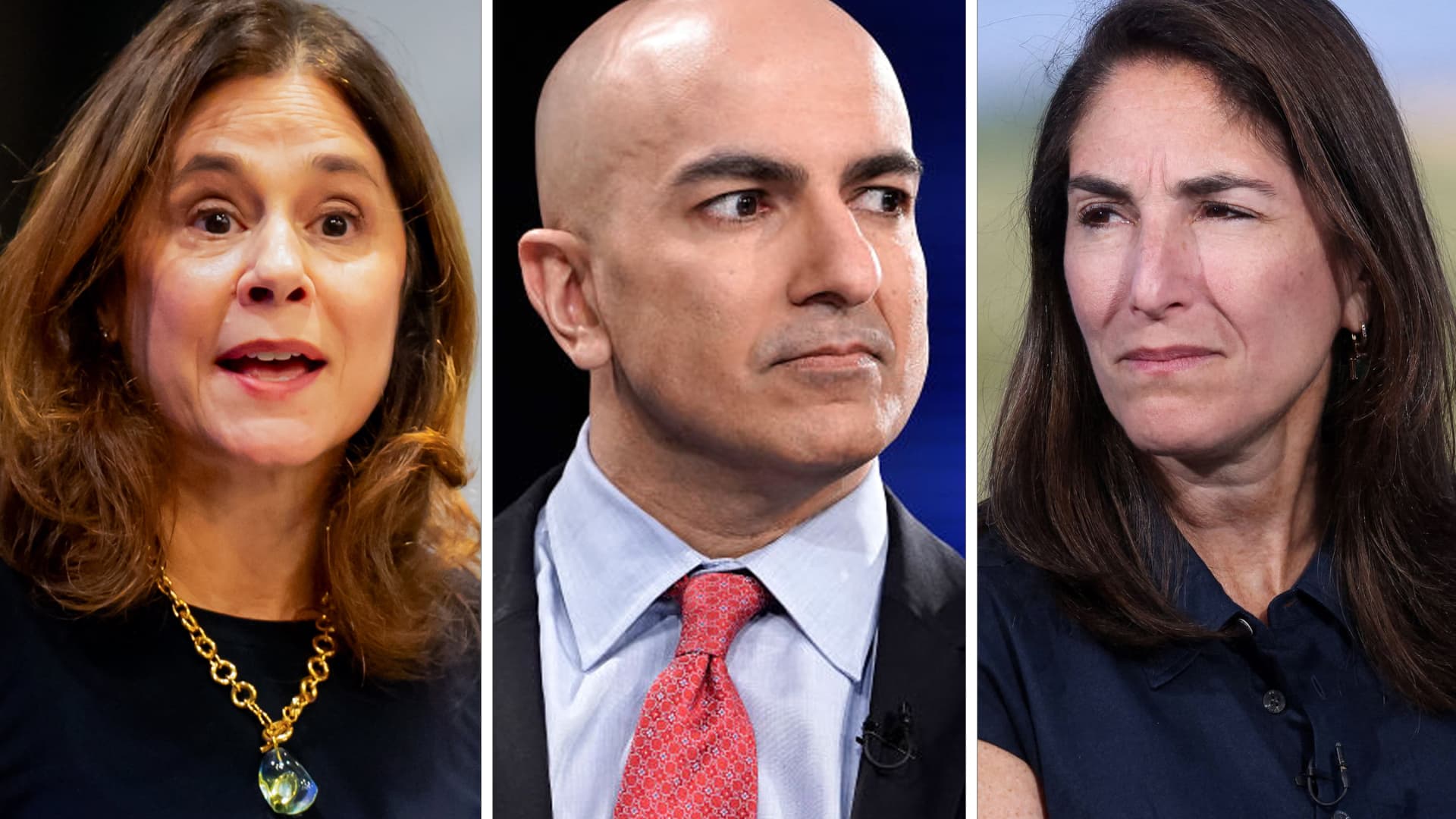
The Federal Reserve’s latest decision to hold Fed interest rates steady, maintaining the federal funds rate between 3.5% and 3.75%, was met with notable dissent from three hawkish policymakers. This 9-3 vote underscores a growing internal division regarding the persistent inflation challenge and the future trajectory of monetary policy. Investors are now keenly watching for signals of increased market volatility as the central bank navigates conflicting economic pressures.
💰 Financial Strategy & Market Insights
- Split Decision at the Fed. The Federal Open Market Committee (FOMC) voted 9-3 to keep rates unchanged, with three regional presidents advocating for a 0.25% hike, highlighting deep internal disagreements on inflation.
- Persistent Inflation Concerns. Dissenting members cited inflation consistently above the Fed’s 2% target for over five years, fueled by tariffs and higher energy costs, as the primary reason for needing tighter policy.
- Chairman Warsh’s Communication Shift. Chairman Kevin Warsh’s approach to eschew explicit forward guidance has introduced higher market uncertainty, leaving investors to interpret evolving economic conditions rather than central bank signals.
The recent FOMC meeting showcased a fractured consensus, a dynamic not seen with such specific dissension since September 2016. While the majority favored maintaining the current federal funds rate, the three ‘no’ votes from Cleveland’s Beth Hammack, Minneapolis’s Neel Kashkari, and Dallas’s Lorie Logan were explicitly in favor of a quarter-percentage-point increase. These officials have consistently vocalized their concerns over inflation, which has remained stubbornly above the Fed’s 2% target for an extended period, now exceeding five years. This divergence suggests that the committee’s hawkish wing is gaining influence, even as recent data might have appeared to cool.
Chairman Kevin Warsh’s leadership, marked by a deliberate shift away from explicit forward guidance, has further amplified market uncertainty. His stated preference for emphasizing economic conditions over prescriptive rate paths has left markets to independently gauge future policy actions. Despite the CME Group’s FedWatch tool indicating only about a 1-in-3 chance of a hike prior to the meeting, the strong dissent hints at underlying pressures that could push the Fed towards tighter policy sooner than anticipated by some global financial markets.
The committee’s statement itself remained largely unchanged from June, noting solid economic expansion despite elevated uncertainty from the Middle East conflict and stable job growth. However, the external geopolitical factors, combined with domestic inflationary pressures, specifically tariffs and energy costs, reinforce the arguments of those advocating for a more aggressive stance on interest rates. Kay Haigh of Goldman Sachs Asset Management noted the committee’s ‘growing hawkish sentiment’ potentially exacerbated by Middle East hostilities, aligning with the dissenters’ view that inflation remains a significant burden on households.
- Key considerations driving the debate:
- Inflation persistently above the 2% target for over five years.
- Geopolitical events (Middle East conflict) contributing to elevated energy costs.
- Tariffs imposed by President Donald Trump adding to price pressures.
- A contracting U.S. labor force despite stable unemployment rates.
Navigating the Economic Currents: Risk vs Reward
- Upside:
- Continued economic stability if inflation naturally recedes, allowing the Fed to maintain accommodative policy without further hikes.
- Potential for a ‘soft landing’ if the economy absorbs current price pressures and geopolitical risks without significant growth disruption.
- Reduced borrowing costs for businesses and consumers in the short term, supporting investment and spending.
- Downside Risks:
- Persistent inflation, potentially requiring more aggressive rate hikes later, leading to a harder economic landing or recession.
- Increased market volatility and investor uncertainty due to the divided FOMC and less clear forward guidance.
- Erosion of consumer purchasing power and higher operational costs for businesses if inflation is not effectively contained.
Monetary policy divergence within the Federal Reserve signals a critical inflection point for asset valuation. When key policymakers express strong opposing views on financial sector insights like interest rates, it introduces an inherent premium on risk assets, as markets must price in the probability of either sustained accommodation or an accelerated tightening cycle. This uncertainty directly impacts discount rates used in valuation models, making projections for future cash flows more volatile and potentially leading to sharp re-pricings across equity and fixed income markets.
Key Monetary Policy Metrics to Watch
- Federal Funds Target Rate: 3.5% – 3.75% (Held Steady)
- FOMC Vote: 9-3 (3 members voted to hike by 0.25%)
- Inflation Target: 2% (Actual: Above target for 5+ years)
- Next Projected Move (June 2026): One 0.25% increase penciled in by full committee.
Unpacking Market Sentiment Amidst Rate Uncertainty
Market sentiment remains finely balanced, with investors weighing the implications of a divided Fed against ongoing economic data. The absence of clear forward guidance from Chairman Warsh has forced a more data-dependent approach among market participants. While prediction markets leaned towards a hold, the significant hawkish dissent has injected a degree of caution. Many now anticipate a September hike as a more concrete possibility, especially if inflation indicators do not show material improvement or if geopolitical tensions escalate further. This cautious optimism, punctuated by bouts of anxiety, reflects the complex calculus facing traders and portfolio managers. The volatility observed in bond markets post-announcement highlights this underlying unease, as participants try to front-run the Fed’s next move, which seems increasingly tied to both domestic economic performance and global events as reported by Reuters reporting.
Historical Benchmarking: Lessons from Past Dissents
The current 9-3 split at the FOMC, with a unified hawkish stance from dissenters, echoes periods of significant internal debate within the Fed. Historically, such pronounced divisions have often preceded shifts in monetary policy, albeit sometimes with a lag. For example, during certain tightening cycles, a growing number of hawkish dissents signaled the committee’s eventual move towards more aggressive rate hikes. Conversely, dovish dissents often preceded periods of easing. Analyzing these historical patterns, particularly the September 2016 instance, provides context for understanding the potential trajectory of current educational financial insights. While each economic cycle is unique, sustained dissent from multiple members, particularly those citing a persistent policy miss (like prolonged inflation), indicates a building internal pressure that the majority view may eventually need to accommodate.
The Ripple Effect of Fed Interest Rates on 2026 Markets
The Federal Reserve’s decision to maintain Fed interest rates, while facing significant internal dissent, marks a crucial juncture for 2026 financial markets. This division signals a complex path ahead where monetary policy may pivot swiftly based on incoming inflation data and evolving geopolitical landscapes, rather than pre-communicated guidance.
- The market should brace for increased sensitivity to inflation reports and central bank commentary, as the Fed’s ‘data-dependent’ stance is now underscored by a vocal hawkish minority.
- Chairman Warsh’s communication strategy is fostering a more uncertain environment, demanding sophisticated risk management from investors.
- Expect continued debate on whether current monetary settings are sufficiently restrictive to bring inflation back to target, setting the stage for potential future rate adjustments.
How will the Federal Reserve navigate this internal discord while striving for price stability in a volatile global economy?
📊 StockXpo Analyst’s View
Market Impact: The visible split within the FOMC creates a heightened level of uncertainty, potentially leading to increased volatility across equity and fixed income markets. Bond yields may face upward pressure as the prospect of future hikes becomes more concrete, even if delayed. This dynamic challenges traditional asset allocation strategies, requiring investors to re-evaluate their risk exposures in light of less predictable monetary policy.
Sector To Watch: Given the persistent inflation concerns, sectors sensitive to interest rates, such as real estate and consumer discretionary, could face headwinds. Conversely, financial institutions might see improved net interest margins if rates eventually move higher. Energy and materials sectors could also benefit from ongoing geopolitical risks that drive commodity prices, but this comes with its own set of volatility.
Financial Disclaimer:
StockXpo.com is a financial news aggregator and educational portal, not a registered investment advisor or broker-dealer. All information, news, and analysis provided herein are strictly for educational purposes and do not constitute investment, financial, legal, or tax advice. Investing in the stock market involves high risks, and past performance is not indicative of future results. StockXpo will not be liable for any financial losses or investment damages. Always consult a certified financial advisor before making market decisions.
MORE IN INSIDE FINANCE

Diesel Prices: Goldman Sachs Predicts Sustained Highs Through 2027 Amid Refinery Volatility
Published: Tuesday, October 6, 2026 · 6:03 AM

Brazilian Stocks Jump: Political Shift Ignites Market Volatility
Published: Monday, October 5, 2026 · 1:50 PM