
Published: Wednesday, July 29, 2026 · 3:07 AM | Updated: Wednesday, July 29, 2026 · 3:07 AM
📊 177 views




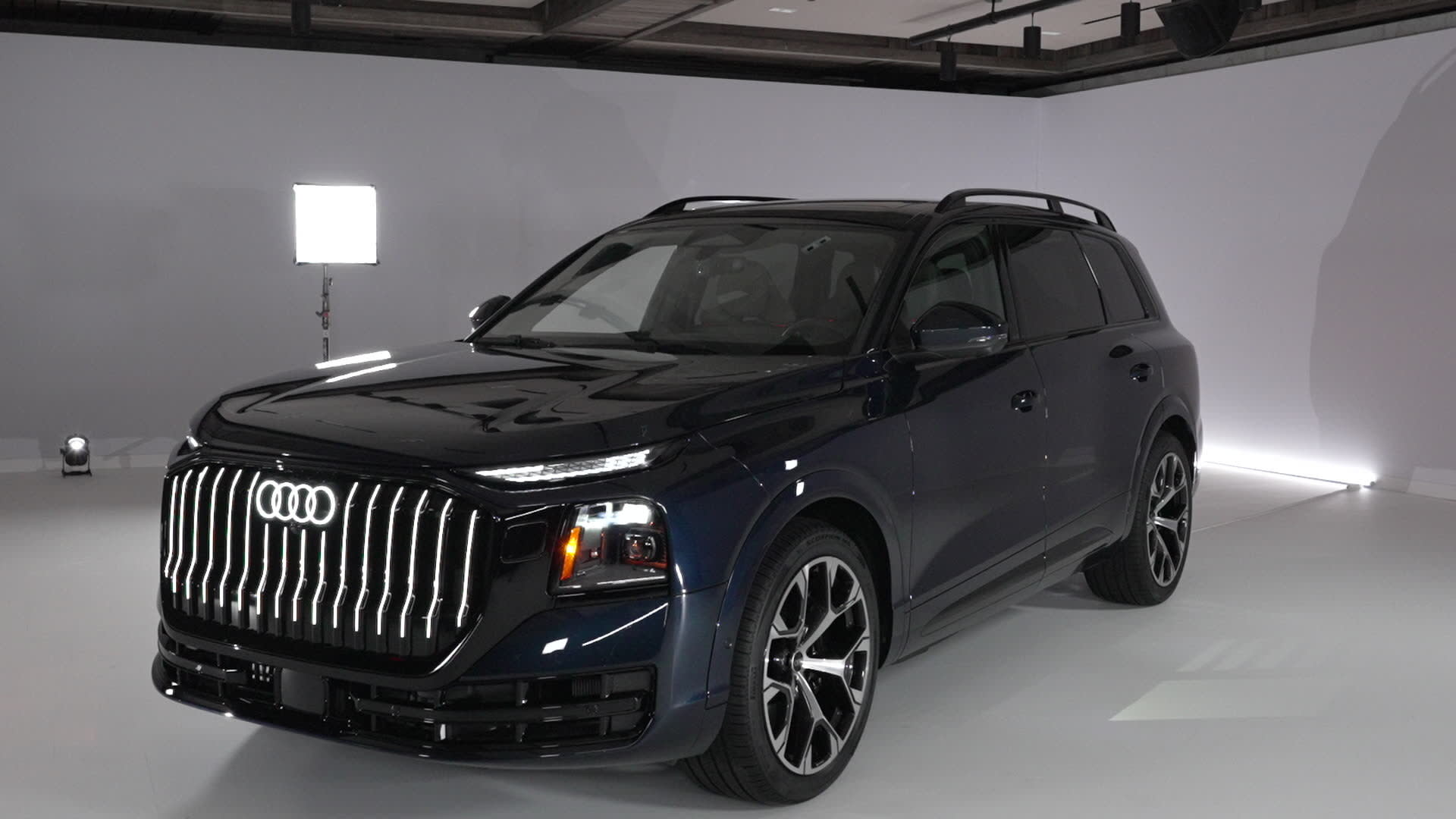
Audi is doubling down on the crucial U.S. market with the unveiling of its flagship three-row Q9 SUV. This strategic product offensive aims to recapture market share and appeal directly to American consumer preferences, signaling a significant shift in the brand’s product development priorities.
🗝️ Corporate Strategy Insights
- Targeted Product Development. The Q9 SUV is meticulously designed with American tastes in mind, featuring powerful engines and spacious interiors to directly address U.S. consumer demands.
- Segment Dominance Push. By introducing the Q9 and SQ9 variants, Audi aims to establish market leadership in the highly profitable, albeit competitive, full-size luxury SUV segment.
- Addressing U.S. Market Struggles. This product launch is a direct response to Audi’s recent sales decline in the U.S., seeking to revitalize its brand image and sales performance.
Audi’s new Q9 SUV, along with its performance-oriented SQ9 variant, represents a significant gambit to bolster its presence in the American automotive landscape. The German luxury automaker has faced a challenging period in the U.S., with sales figures showing a considerable decline over the past year. This latest product push, featuring a trio of new SUVs including the compact Q3 and midsize Q7 introduced earlier, underscores Audi’s commitment to capturing a larger slice of the premium SUV market, which now constitutes over 80% of the luxury segment.
Filip Brabec, Audi of America’s senior vice president of product management, emphasized that the Q9 was conceived with the American consumer at its core. From the choice of six and eight-cylinder engines to the inclusion of large cupholders, every detail is tailored to resonate with local preferences. The Q9 is positioned to be Audi’s flagship U.S. model, boasting dimensions that exceed those of its key rivals, the Mercedes GLS and BMW X7, ensuring ample space even for adults in the third row.
The strategic rationale behind the Q9 is clear: to compete aggressively in the most profitable segments. With a starting price of $89,095 for the Q9 and $119,395 for the SQ9, Audi is aiming for substantial revenue and profit gains. This move is not just about volume; it’s about premium positioning and attracting buyers seeking top-tier luxury and performance.
- Engine Options for American Tastes: The Q9 offers a 429-horsepower 2.9-liter V6 engine, capable of 0-60 mph in 4.9 seconds. The SQ9 steps up with a potent 591-horsepower 4.0-liter V8, achieving 0-60 mph in a brisk 3.8 seconds.
- Advanced Technology Integration: New features include ‘matrix adaptive beam’ headlights, a technology previously restricted in the U.S., and a ChatGPT-powered voice assistant, alongside a hands-free driver assist system.
- Luxurious Appointments: The Q9 promises “decadent features” and premium interior materials, reinforcing its status as Audi’s most lavish offering in the U.S.
Audi’s road in the U.S. has been bumpy. The brand saw a 16% decrease in vehicle sales in 2025 compared to the previous year, with a continued downward trend in the first half of 2026. While the company initially cited tariffs and the phasing out of federal electric vehicle incentives as key factors, analysts suggest that the success of new models like the Q9 could be pivotal. However, a significant structural disadvantage remains: the lack of U.S.-based manufacturing. Unlike competitors such as BMW and Mercedes-Benz, which have domestic production facilities, Audi imports its entire product line, making it more susceptible to trade policies and logistics costs.
The competitive landscape is fierce. Both BMW and Mercedes-Benz have demonstrated more resilience in recent quarters, with BMW sales even showing growth. Audi’s strategic response, focusing on larger, more profitable SUVs, mirrors the market’s demand for space and higher MSRPs. This aggressive product cycle is an attempt to reclaim the market position Audi once held, when it was a formidable competitor known for innovation, performance, and value, even challenging the long-standing duopoly of its German rivals.
The brand’s previous foray into electric vehicles, while ambitious, has also faced headwinds in the U.S. market, where EV adoption rates remain lower than anticipated by many legacy automakers. The resources dedicated to EVs may have inadvertently sidelined the development of other powertrain segments, a gap the new SUV lineup aims to fill. The successful reception of these new SUVs could indeed be the game-changer Audi desperately needs, similar to how a single hit product can revitalize a brand’s trajectory.
The Q9 represents Audi’s most significant strategic wager in the U.S. in years, aiming to leverage product differentiation and luxury appeal to overcome market headwinds and a lack of domestic manufacturing.
Key Performance Indicators:
- Sales Decline (YoY): 16% in 2025, 17% in H1 2026. This highlights the urgency for new product strategies to reverse negative momentum.
- U.S. Market Share in Premium SUV Segment: Over 80%. This indicates the significant opportunity within this segment for brands that can effectively capture consumer interest.
- Tariff Exposure: Audi imports 100% of its vehicles, making it more vulnerable to trade policy impacts compared to competitors with U.S. production.
Audi Q9 SUV: A Bet on American Luxury Preferences
The introduction of the Audi Q9 SUV is a direct play for market share in the U.S. premium segment, aiming to align with consumer desires for larger, more luxurious vehicles. This strategic pivot reflects a deep understanding of the American automotive psyche.
- The Q9’s design and features are engineered to cater specifically to U.S. consumers, moving beyond globalized product offerings.
- This launch is crucial for Audi to navigate its current sales downturn and reassert its position against established rivals like Mercedes-Benz and BMW.
- The focus on high-margin segments underscores a capital allocation strategy prioritizing profitability and market leadership in lucrative niches.
Audi’s U.S. Market Leadership Challenge
Audi faces a significant challenge in translating its product innovation into sustained U.S. market leadership, particularly given its import-heavy operational model.
- The brand must overcome structural disadvantages, including tariffs and the absence of U.S. manufacturing, to effectively compete on price and logistics.
- Success hinges on the Q9’s ability to not only attract new buyers but also to enhance Audi’s overall brand perception and desirability in a crowded market.
- The long-term implications will depend on Audi’s capacity to adapt its global strategy to regional market dynamics and consumer preferences, a critical factor for sustained growth on global stock markets.
The Audi Q9 SUV’s Path Forward
Audi’s strategic deployment of the Q9 SUV into the U.S. market is a calculated move to leverage consumer demand for large, luxurious vehicles. The brand is banking on this new flagship model to reignite sales and solidify its competitive standing.
- The Q9 is expected to significantly influence Audi’s sales trajectory in the U.S., potentially reversing recent declines and boosting profitability.
- Competitors will undoubtedly scrutinize the Q9’s reception, potentially prompting similar product adjustments or reinforcing their own premium offerings.
- This initiative demonstrates a clear capital allocation priority towards high-demand, high-margin segments, aiming for robust financial returns.
Will the Audi Q9 SUV’s premium appeal and American-centric design prove sufficient to redefine the brand’s fortunes and establish lasting market leadership in the competitive U.S. luxury sector?
📊 StockXpo Analyst’s View
Market Impact: The launch of the Audi Q9 SUV is a significant signal for the broader automotive industry, highlighting the continued strength and profitability of the luxury SUV segment. Investor sentiment may see a cautious optimism for Audi, contingent on the Q9’s sales performance, while competitors will closely monitor its impact on market share. The move could also influence capital allocation strategies across the sector, emphasizing the importance of product localization and catering to regional preferences.
Sector To Watch: Premium automotive segments, particularly large SUVs, will remain a critical focus. Beyond automakers, suppliers of high-end automotive components, advanced driver-assistance systems, and premium interior materials stand to benefit from this trend. The automotive software and AI integration space also becomes more critical as vehicles like the Q9 incorporate advanced infotainment and voice control systems.
Financial Disclaimer:
StockXpo.com is a financial news aggregator and educational portal, not a registered investment advisor or broker-dealer. All information, news, and analysis provided herein are strictly for educational purposes and do not constitute investment, financial, legal, or tax advice. Investing in the stock market involves high risks, and past performance is not indicative of future results. StockXpo will not be liable for any financial losses or investment damages. Always consult a certified financial advisor before making market decisions.
MORE IN INSIDE BUSINESS
United Airlines Profit Outlook Slashed Amid Fuel Costs, Strong Demand Persists
Published: Wednesday, October 21, 2026 · 7:30 AM
General Motors Earnings Preview: A 30% EPS Surge Amidst Market Caution
Published: Tuesday, October 20, 2026 · 1:11 AM


