Published: Tuesday, July 21, 2026 · 3:14 PM | Updated: Tuesday, July 21, 2026 · 3:14 PM
📊 204 views




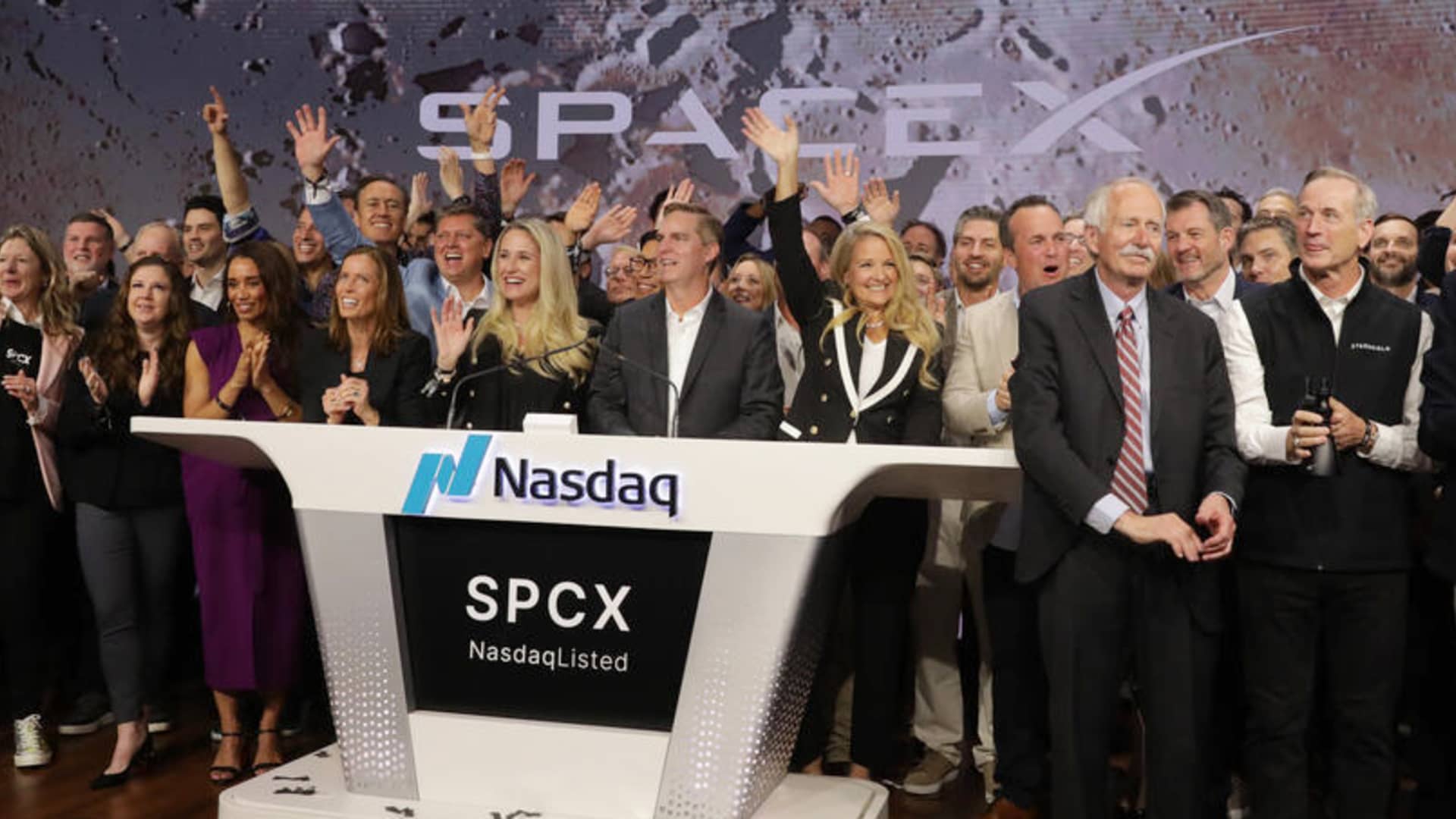
SpaceX is bracing for significant market attention as its debut earnings report on August 4, 2026, coincides with the first major SpaceX Lock-Up expiration. This event, allowing insiders to sell a substantial portion of their shares, introduces a critical test for the company’s valuation amidst recent stock declines and ambitious future plans.
The simultaneous release of financial results and the opening of insider selling windows is a unique strategy that could dictate short-term market sentiment, contrasting the company’s long-term vision for space exploration and advanced computing.
🚀 Tech Strategy & Market Disruptions
- Insider Selling Pressure. The phased SpaceX Lock-Up expiration allows insiders to offload up to 911.5 million shares, potentially increasing market volatility and impacting stock price stability.
- Starship’s Critical Role. Successful Starship launches are paramount for scaling Starlink, fulfilling NASA Artemis obligations, and unlocking future ambitions in space tourism and Mars colonization.
- AI & Cloud Expansion. SpaceXAI (formerly xAI) is rapidly expanding its compute capacity, with major contracts from Google, Anthropic, and Reflection, positioning SpaceX as a key player in AI infrastructure.
SpaceX (SPCX) saw its stock briefly gain 5% on Tuesday, attempting to rebound from a seven-day losing streak ahead of its maiden earnings report. The aerospace and defense contractor, led by Elon Musk, announced August 4th for its debut financial disclosures, a date that critically aligns with a lock-up period allowing insiders to begin selling shares. This staggered approach, deviating from the typical 180-day lock-up, permits investors to initially sell 20% of their eligible locked-up stock, totaling a staggering 911.5 million shares. An additional 10% could be released if the stock consistently trades 30% above its IPO price for five out of ten days leading up to the report.
The market’s apprehension is palpable, given that SpaceX shares have already fallen approximately 43% from their intraday high of $225.64 on June 16th. This decline has also impacted Elon Musk’s personal wealth, which, according to Forbes’ Real-Time Billionaires Index, dropped from over $1 trillion to around $786 billion. Short sellers have capitalized on this retreat, with bearish positions reaching about a third of the company’s public float, drawing a sharp rebuke from Musk on social media platform X, where he warned of low survival probability for firms heavily shorting SpaceX.
Simultaneously, SpaceX is navigating operational challenges. Recent Falcon 9 and Starship launch attempts have faced scrubs and delays due to engine ignition failures, a critical setback given the Starship’s pivotal role in the company’s vision. Investors closely monitor these test flights, as the record $85.7 billion IPO in June, pricing shares at $135, was significantly underpinned by Starship’s promise. The success of this massive rocket is essential not only for expanding the Starlink satellite internet service but also for fulfilling key obligations to NASA’s Artemis program, aiming for a lunar return by 2028, and Musk’s long-term ambitions for space tourism and missions to Mars.
- IPO Price: $135 per share
- Intraday High (June 16): $225.64
- Current Decline from High: Approximately 43%
- Initial Shares Eligible for Sale: Up to 911.5 million (20% of locked-up stock)
The market disruption stemming from this emerging technologies and financial event follows a clear cause-and-effect chain. The **SpaceX Lock-Up** expiration, releasing a significant volume of shares, is expected to increase market liquidity and potentially introduce short-term price volatility. This dynamic necessitates a re-evaluation of the company’s valuation by both institutional and retail investors, directly influencing future capital access and strategic investment in its high-risk, high-reward ventures. Concurrently, consistent progress with Starship launches is a critical enabler; successful deployments will drive Starlink’s global expansion, solidify lucrative NASA contracts, and unlock new revenue streams from space tourism, thereby accelerating SpaceX’s dominance in the commercial space sector. This multi-faceted growth, particularly in areas like AI infrastructure, positions SpaceX to potentially disrupt traditional tech and aerospace markets, driving innovation and demanding a nuanced understanding of its complex financial and operational landscape.
“The initial SpaceX Lock-Up expiration represents a pivotal moment, testing the market’s long-term conviction in SpaceX’s ambitious vision against the immediate pressure of insider liquidity. A CTO’s perspective emphasizes that while short-term volatility is a given for such innovative, high-growth entities, the enduring value lies in the execution of audacious projects like Starship and the strategic expansion into AI computing infrastructure.”
SpaceXAI’s Expanding Ecosystem Potential
SpaceX’s acquisition of xAI, now rebranded as SpaceXAI, in February positions the company as a significant player in the burgeoning cloud computing and artificial intelligence sector. By owning and operating sprawling data centers and a power plant in Greater Memphis, SpaceXAI is not merely a user but a provider of critical compute capacity. Major tech firms like Google, Anthropic, and Reflection have already signed agreements to rent excess capacity. Furthermore, reports indicate that SpaceXAI is in discussions to provide compute power to the Pentagon, underscoring its strategic importance. This diversification beyond core aerospace functions into high-demand AI infrastructure creates a robust, synergistic ecosystem, leveraging Musk’s broader technological ambitions. The planned Terafab chip factory in Grimes County, Texas, a collaboration with Tesla where SpaceX will lead production, further solidifies its vertical integration in the compute stack, reducing external dependencies and potentially offering a significant competitive advantage in educational tech insights.
Navigating SpaceX’s Market Adoption Challenges
Despite its groundbreaking innovations, SpaceX faces distinct market adoption challenges, primarily highlighted by the recent stock performance and the upcoming global technology developments. The significant decline in share value since its IPO peak, coupled with persistent short-seller activity, indicates investor concern over valuation and the inherently high-risk nature of its endeavors. Launch delays for key projects like Starship, while common in aerospace, can erode investor confidence and prompt questions about execution timelines and cost overruns. The balance between maintaining investor faith and pushing the boundaries of technological possibility is delicate. Building consistent operational reliability, delivering on ambitious timelines, and effectively communicating its long-term strategy will be crucial for SpaceX to stabilize its market position and attract a broader base of long-term investors.
SpaceX’s Future Trajectory: Balancing Ambition with Market Realities
As SpaceX navigates its post-IPO landscape, the upcoming earnings report and the **SpaceX Lock-Up** expiration will serve as critical indicators of its ability to manage market expectations while pursuing unparalleled technological advancements. The immediate challenge lies in absorbing potential selling pressure without jeopardizing investor confidence in its long-term vision for multi-planetary existence and global AI infrastructure dominance.
- The company’s performance will be heavily scrutinized for signs of financial stability and operational efficiency amidst ambitious project timelines.
- The market will closely watch for any further details on the synergy between SpaceX and Tesla, particularly concerning the Terafab chip factory and the potential for a future merger.
- Sustained success in Starship launches and the expansion of SpaceXAI’s cloud computing contracts are vital for proving its diversified growth strategy.
Can SpaceX effectively transform the short-term market volatility into a springboard for long-term, innovation-driven growth?
📊 StockXpo Analyst’s View
Market Impact: The impending SpaceX Lock-Up expiration is poised to create considerable market volatility, potentially leading to a near-term price correction as insider shares flood the market. While this could present a buying opportunity for long-term investors, the immediate impact will likely be felt through increased trading volumes and price fluctuations, especially given the existing short interest. The outcome of the earnings report will also significantly influence investor sentiment regarding the company’s fundamental health and growth prospects.
Sector To Watch: The aerospace and defense sector, particularly companies involved in satellite internet and advanced propulsion systems, will be keenly watching SpaceX’s trajectory. Furthermore, the burgeoning AI infrastructure market, where SpaceXAI is making significant inroads, is a critical adjacent sector. Companies providing AI-centric compute capacity or those reliant on advanced satellite connectivity could see ripple effects, positively or negatively, depending on SpaceX’s ability to execute its ambitious roadmap.
Financial Disclaimer:
StockXpo.com is a financial news aggregator and educational portal, not a registered investment advisor or broker-dealer. All information, news, and analysis provided herein are strictly for educational purposes and do not constitute investment, financial, legal, or tax advice. Investing in the stock market involves high risks, and past performance is not indicative of future results. StockXpo will not be liable for any financial losses or investment damages. Always consult a certified financial advisor before making market decisions.
MORE IN INSIDE TECHNOLOGY

AI Cyberattacks: Interpol Warns of Escalating Speed and Risk
Published: Friday, October 2, 2026 · 1:18 AM

Apple’s AI Strategy: Innovation, Disruption, and Market Positioning Amidst White House Summit
Published: Thursday, October 1, 2026 · 12:09 AM