Published: Tuesday, July 21, 2026 · 3:49 PM | Updated: Tuesday, July 21, 2026 · 3:49 PM
📊 237 views




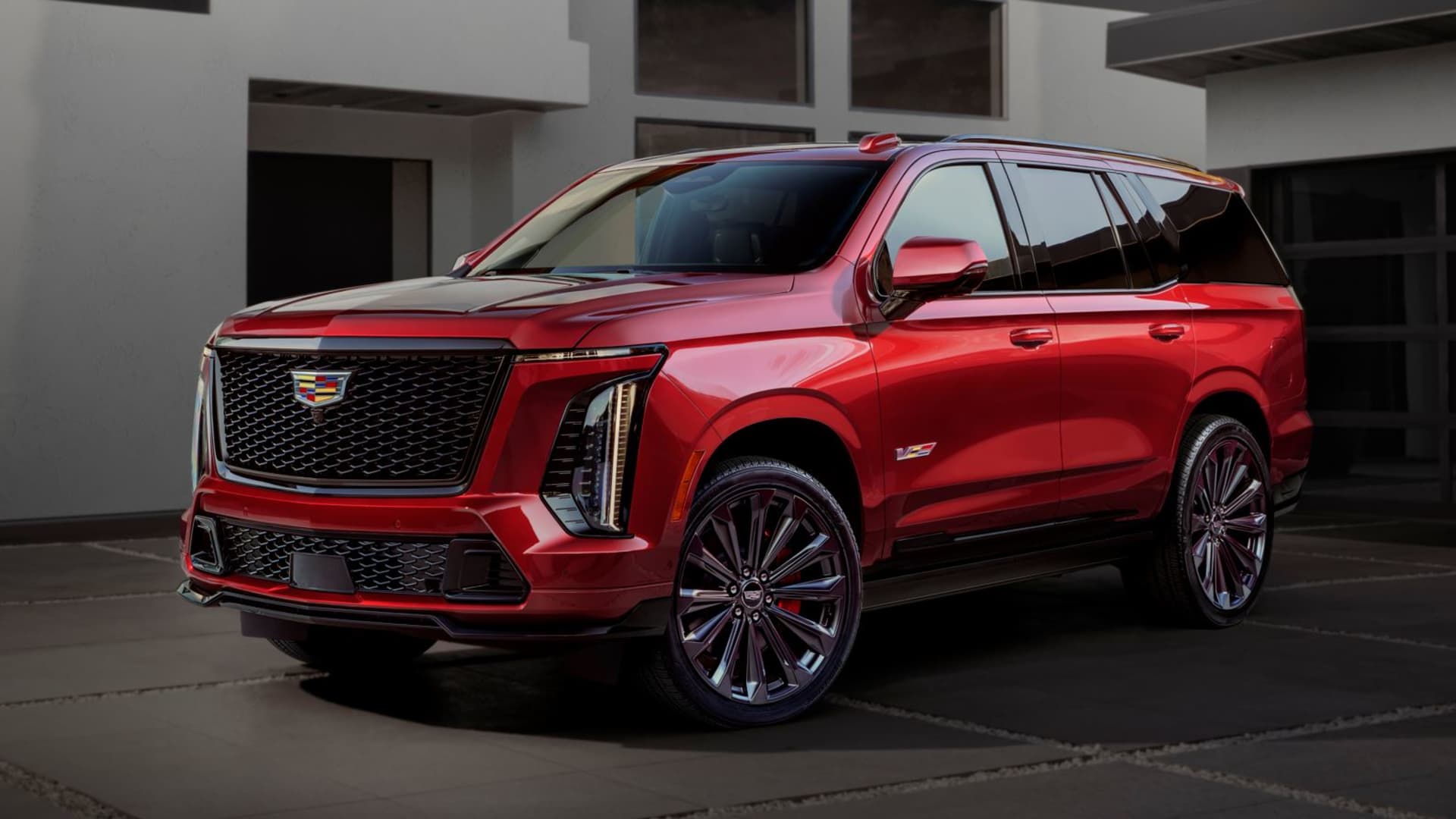
General Motors is significantly recalibrating its luxury vehicle strategy, announcing a substantial re-entry into the internal combustion engine (ICE) market for its Cadillac brand. This pivotal decision, revealed by CEO Mary Barra, signals a broader industry recognition of slower-than-anticipated electric vehicle (EV) adoption and underscores a pragmatic shift in capital allocation, impacting the competitive landscape for luxury automakers.
🗝️ Corporate Strategy Insights
- EV Pullback Rationale. GM has incurred $10.9 billion in EV-related charges due to slow adoption and easing regulations, prompting a strategic re-evaluation of its electrification timeline.
- Cadillac’s Diversified Future. The introduction of new GM gas-powered Cadillac models, including the CT5 sedan and refreshed XT5/XT6 SUVs, provides a balanced portfolio alongside its existing EV offerings.
- Onshoring and Production Flexibility. Expanding full-size SUV production to a Michigan plant, originally earmarked for EVs, demonstrates GM’s agile capital deployment and commitment to domestic manufacturing.
General Motors is poised to launch a new generation of GM gas-powered Cadillac vehicles, with rollout commencing next spring and extending through 2028. This move notably reverses a prior commitment for Cadillac to exclusively sell EVs by the decade’s end. CEO Mary Barra confirmed that this lineup will include updated versions of the CT5 sedan, the XT5 midsize SUV, and the XT6 three-row SUV, complementing Cadillac’s current all-electric models like the Escalade IQ and other crossovers. The decision comes as GM grapples with significant financial repercussions from its aggressive EV push, reporting $10.9 billion in EV-related charges since mid-last year.
Slower-than-expected consumer adoption of electric vehicles, compounded by recent U.S. regulatory adjustments that eased emissions standards and reduced EV incentives, has compelled the Detroit automaker to reassess its electrification timeline. This strategic pivot isn’t isolated to Cadillac; GM has also scaled back EV plans for other brands and ramped up production of its lucrative gas-powered engines, including high-demand V-8 offerings. This shift highlights a pragmatic response to market realities and a commitment to profitability over an aggressive, potentially unsustainable, electrification schedule.
Beyond passenger vehicles, GM is also expanding production of its highly profitable full-size SUVs – including the Cadillac Escalade, Chevy Tahoe and Suburban, and GMC Yukon and Yukon XL – to a Michigan plant. This facility was initially slated for EV production, underscoring a reallocation of resources to capitalize on current market demand. Such flexibility in manufacturing capacity and product strategy is crucial for navigating dynamic market conditions, ensuring that capital investments yield optimal returns for the company’s shareholders and overall corporate growth.
Why This Strategic Pivot Matters for GM’s Future
GM’s decision to re-emphasize the GM gas-powered Cadillac segment marks a critical recalibration of its long-term strategy, demonstrating a willingness to adapt swiftly to market signals rather than adhere rigidly to ambitious electrification targets. This approach is likely to mitigate ongoing financial losses associated with EV development and slow sales, allowing the company to shore up profitability from its highly successful ICE portfolio. By diversifying its offerings, GM provides consumers with more choices, potentially capturing market segments hesitant to transition to EVs immediately. This strategic maneuver also provides a temporary buffer, allowing GM more time to refine its EV technology, improve charging infrastructure, and wait for greater consumer readiness, thereby reducing execution risk for future electric launches. Competitors, particularly luxury brands like BMW and Mercedes-Benz, which also maintain dual ICE and EV strategies, will likely view GM’s move as validation of a diversified, market-responsive approach in the luxury segment.
GM’s reintroduction of new gas-powered Cadillacs is a clear acknowledgment that market demand, not just regulatory mandates, must drive product strategy, ensuring sustained profitability and operational efficiency amidst industry transition.
Key Indicators Behind GM’s Strategic Shift
- $10.9 Billion in EV-Related Charges: Since the second half of last year, GM has recorded significant charges, indicating the financial burden of rapid EV expansion. This metric is crucial as it directly impacts profitability and investor confidence.
- Slower-than-Expected EV Adoption: Consumer reluctance or inability to fully embrace electric vehicles has led to excess inventory and lower sales figures for many manufacturers, prompting a strategic re-evaluation.
- Eased US Emissions Standards: Recent regulatory changes reduce pressure on automakers to meet aggressive EV sales quotas, providing flexibility in powertrain development and production.
General Motors Competitive Advantages: Balancing Innovation and Profitability
General Motors’ competitive advantage in this evolving landscape lies in its immense scale and diversified portfolio, enabling it to pivot resources efficiently. Unlike some pure-play EV manufacturers, GM possesses the robust infrastructure and established supply chains for both ICE and EV production. This allows the company to pursue innovation in electric technologies while simultaneously leveraging the consistent, high-margin revenue streams from its traditional vehicles, particularly full-size trucks and SUVs. The ability to rapidly reallocate manufacturing capacity, as seen with the Michigan plant, offers unparalleled operational flexibility. This balanced approach protects GM from the volatility of a nascent EV market while allowing it to maintain market leadership across various segments, from luxury sedans to heavy-duty trucks, providing a more stable investment analysis for stakeholders on the global stock markets.
General Motors Market Leadership: Dominating High-Margin Segments
GM’s strategic focus on expanding full-size SUV production underscores its commanding market leadership in a critical high-margin segment. Vehicles like the Cadillac Escalade, Chevrolet Tahoe, and GMC Yukon consistently generate substantial profits, which are vital for funding future R&D and strategic initiatives. By solidifying its position here, GM not only bolsters its immediate financial health but also strengthens its brand loyalty and market share against rivals. This dual strategy – adapting to EV realities while doubling down on profitable ICE segments – positions GM to navigate the energy transition from a position of financial strength, a key differentiator in today’s automotive industry. For more insights on company strategy, visit StockXpo’s business section.
Cadillac’s Future: Diversifying the Drivetrain Portfolio
General Motors’ latest strategy for its Cadillac brand signals a pragmatic course correction, acknowledging the current market realities of EV adoption. By reintroducing new GM gas-powered Cadillac vehicles, GM is fortifying its luxury portfolio, aiming for sustained profitability and a more robust market position. This move ensures Cadillac can cater to a broader consumer base while continuing its gradual transition towards an electrified future.
- Cadillac’s dual powertrain strategy offers greater market flexibility and mitigates risks associated with volatile EV demand.
- The re-emphasis on profitable ICE models provides crucial capital to fund ongoing EV research and development.
- This adaptive approach could strengthen GM’s overall market leadership by better aligning product offerings with current consumer preferences.
How will this balanced approach influence long-term consumer perceptions of Cadillac and its competitors in the luxury segment?
📊 StockXpo Analyst’s View
Market Impact: GM’s strategic recalibration is likely to be viewed positively by investors seeking stability in an unpredictable automotive landscape. The re-focus on profitable ICE segments, particularly full-size SUVs, could enhance short-to-medium term earnings, potentially boosting investor sentiment despite the EV pullback. This shift provides greater clarity on capital allocation, signaling a more pragmatic approach to market trends and profitability.
Sector To Watch: The luxury automotive sector, specifically traditional automakers with diversified portfolios (e.g., Ford’s Lincoln, Stellantis’ Jeep), will be closely watched. This move could encourage other manufacturers to similarly re-evaluate their aggressive EV timelines, leading to a more gradual industry-wide transition and more investment analysis on Reuters business news.
Financial Disclaimer:
StockXpo.com is a financial news aggregator and educational portal, not a registered investment advisor or broker-dealer. All information, news, and analysis provided herein are strictly for educational purposes and do not constitute investment, financial, legal, or tax advice. Investing in the stock market involves high risks, and past performance is not indicative of future results. StockXpo will not be liable for any financial losses or investment damages. Always consult a certified financial advisor before making market decisions.
MORE IN INSIDE BUSINESS

United Airlines Profit Outlook Slashed Amid Fuel Costs, Strong Demand Persists
Published: Wednesday, October 21, 2026 · 7:30 AM
General Motors Earnings Preview: A 30% EPS Surge Amidst Market Caution
Published: Tuesday, October 20, 2026 · 1:11 AM