Published: Friday, July 10, 2026 · 10:35 AM | Updated: Friday, July 10, 2026 · 10:35 AM
📊 213 views




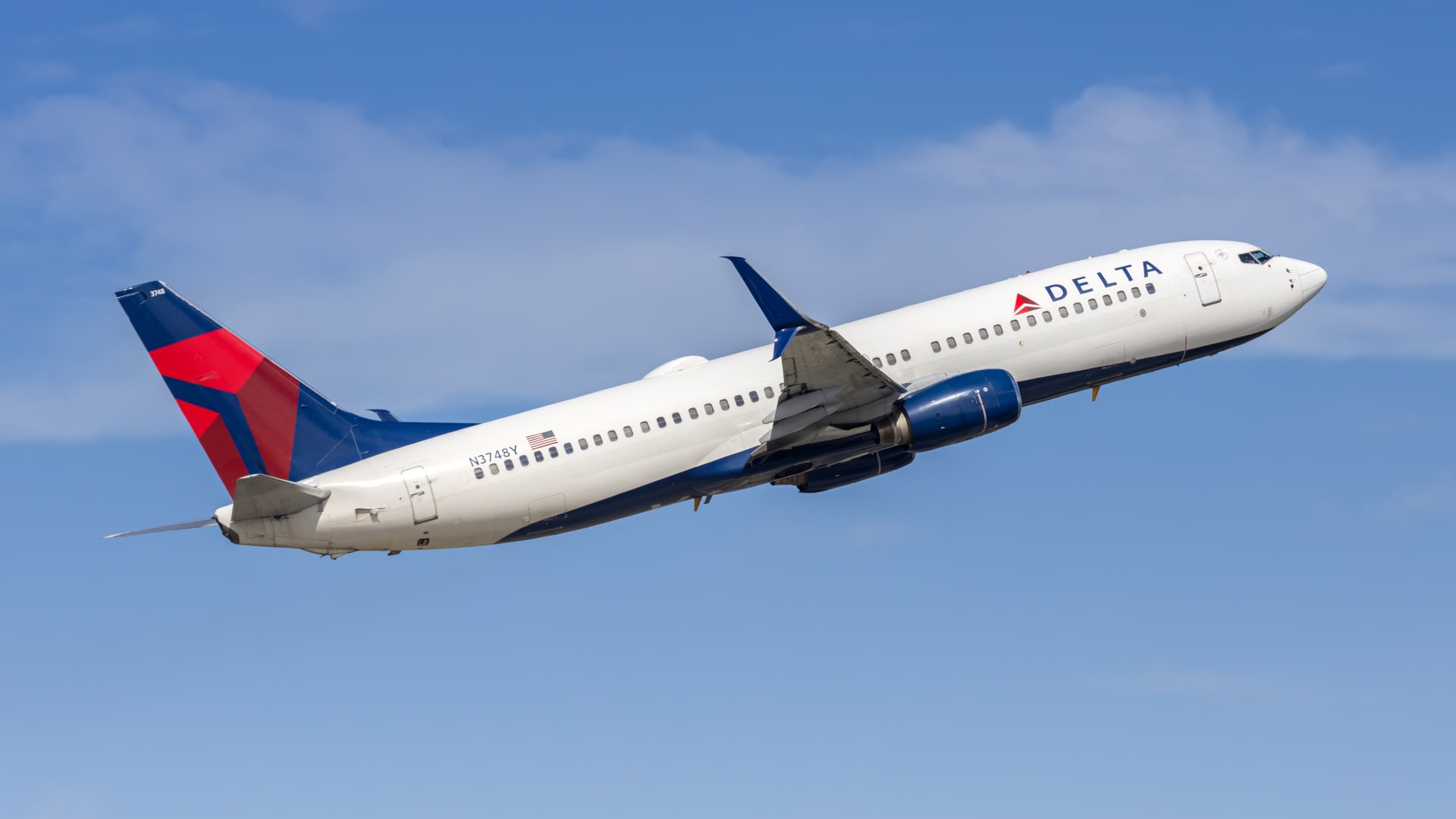
Delta Air Lines is confidently projecting sustainable pricing power, with CEO Ed Bastian asserting that the current environment of higher airfare is poised to last. This strategic stance, coupled with disciplined capacity management and robust demand, positions the airline to achieve its ambitious 2026 profit targets, underscoring a significant shift in airline industry dynamics. The airline’s ability to pass on rising fuel costs to consumers highlights a newfound operational efficiency and market leadership.
🗝️ Corporate Strategy Insights
- Pricing Power & Discipline. Delta’s strategy to pass 100% of higher fuel costs to consumers, alongside industry-wide capacity discipline, ensures sustained revenue and margin protection.
- Premiumization Focus. Strong growth in premium cabin sales (outpacing main cabin) caters to higher-income customers, enhancing revenue per available seat mile (RASM) and brand loyalty.
- Diversified Revenue Streams. The unexpected surge in refinery revenue and growth in cargo and maintenance businesses reduce reliance on core passenger fares, providing operational resilience.
Delta’s second-quarter earnings notably surpassed analyst estimates, reinforcing CEO Bastian’s confidence in sustained higher airfare. The airline reported adjusted earnings per share of $1.56 against an expected $1.48, with revenue hitting $17.67 billion, surpassing the $17.53 billion consensus from LSEG. This performance signals strong execution in a challenging economic environment, particularly Delta’s ability to leverage its market position.
Bastian emphasized that the current pricing strength is sustainable, citing robust demand across all segments, including unexpected strength from World Cup visitors and a recovery in corporate travel led by aerospace, defense, banking, and automotive sectors. Crucially, the airline industry has learned from past cycles, opting for disciplined capacity expansion rather than immediately flooding the market when fuel prices soften, a key factor in maintaining elevated fares.
A core tenet of Delta’s strategy involves catering to affluent customers in a K-shaped economic recovery, which has translated into significant success for its premium offerings. For the quarter, premium ticket sales generated $6.92 billion in revenue, marginally surpassing the $6.85 billion from the main cabin. This focus on higher-yield customers not only boosts revenue per available seat mile (RASM) but also insulates the airline from broader economic volatility.
- Enhanced Profit Outlook: Delta reaffirmed its full-year earnings forecast of $6.50 to $7.50 per share, with third-quarter projections between $2.00 and $2.50 per share, in line with or above analyst expectations.
- Fuel Cost Management: The airline has been successful in passing approximately 60% of higher fuel costs to consumers, with plans to reach nearly 100% in the current quarter, minimizing margin erosion.
- Operational Diversification: The Trainer, Pennsylvania refinery, saw an 83% surge in revenue to $2.09 billion, acting as a crucial hedge against volatile fuel prices and contributing significantly to overall financial resilience.
The strategic ripple effect of Delta’s sustained pricing power extends across the aviation industry, setting a new benchmark for operational efficiency and revenue management. By effectively passing on higher fuel costs and maintaining capacity discipline, Delta demonstrates a model where airlines can thrive even amidst cost pressures. This approach encourages rivals to adopt similar prudent strategies, moving away from historical price wars that eroded profitability. This shift leads to a more stable industry, benefiting from a collective understanding that disciplined growth protects margins. For instance, competitors may find themselves under pressure to enhance their own premium offerings or diversify revenue streams to match Delta’s successful pivot, impacting investment analysis across the stock markets. This could reshape how other airlines approach their business strategies, particularly concerning ticket pricing and customer segmentation, influencing overall corporate growth in the sector.
Delta’s commitment to pricing discipline and its successful pivot to premium segment growth represent a significant strategic advantage, underscoring an evolved airline industry focused on profitability over market share at all costs. This move is a game-changer for long-term valuations.
| Metric | Q2 2026 Reported | Analyst Estimate (LSEG) | Significance |
|---|---|---|---|
| Adjusted EPS | $1.56 | $1.48 | Exceeded expectations, indicating strong profitability. |
| Adjusted Revenue | $17.67 billion | $17.53 billion | Surpassed estimates, reflecting robust demand and pricing. |
| Premium Revenue | $6.92 billion | N/A | Outpaced Main Cabin revenue, highlighting success in high-yield segments. |
| Refinery Revenue | $2.09 billion | N/A | 83% surge, offering crucial fuel cost hedging and diversification. |
| Revenue per Available Seat Mile (RASM) | +17% YoY | N/A | Strong growth indicates efficient revenue generation per unit capacity. |
Delta Air Lines’ Strategic Analysis
Delta’s strategy is a masterclass in adapting to post-pandemic market realities. By prioritizing yield over volume and focusing on premium customers, the airline effectively navigates inflationary pressures and volatile fuel markets. The emphasis on sustained higher airfare reflects a disciplined industry approach, moving away from cut-throat competition to more rational pricing. Furthermore, the robust performance of its refinery operation showcases a vertical integration strategy that provides a hedge against external shocks, distinguishing Delta from many peers. This operational foresight, combined with a strong brand appeal to business and affluent leisure travelers, solidifies its competitive position.
Delta Air Lines’ Market Leadership
Often cited as the U.S.’s most profitable airline, Delta consistently demonstrates market leadership through its strategic decisions and operational excellence. Its ability to command higher prices, even amidst rising costs, is a testament to strong brand equity and a loyal customer base, particularly in key business routes and international corridors. The airline’s disciplined approach to capacity, resisting the urge to over-expand as fuel prices ease, sets a standard for responsible growth within the sector. This leadership extends to its proactive management of ancillary revenue streams, which bolster overall financial resilience and allow for sustained investment in customer experience and fleet modernization.
Delta’s Enduring Edge: Navigating Future Skies with Higher Airfare
Delta Air Lines’ latest outlook affirms a strategic pivot towards sustainable profitability driven by disciplined capacity, robust demand, and a focus on high-yield segments. The CEO’s confidence in enduring higher airfare positions the carrier favorably for its 2026 targets, signaling a mature and rationalized airline industry.
- The airline’s success in fully passing fuel costs to consumers highlights a structural improvement in pricing power.
- Continued outperformance in premium travel indicates a resilient demand base and effective segmentation strategy.
- Diversified revenue streams, notably the refinery’s strong contribution, add a layer of financial stability and reduce reliance on a single core business.
How will competitors respond to Delta’s sustained pricing power, and can this industry discipline hold through potential economic shifts?
📊 StockXpo Analyst’s View
Market Impact: Delta’s strong outlook, underpinned by sustainable pricing power, is likely to bolster investor confidence in the airline sector, potentially leading to upward revisions in analyst ratings and stock valuations. The ability to maintain higher airfare amidst fluctuating fuel costs signals reduced operational risk, making airline stocks more attractive for long-term investment, as noted by leading financial publications like Bloomberg.
Sector To Watch: The broader travel and tourism sector stands to gain, as strong airline performance often indicates robust consumer spending and economic activity. However, smaller, less established carriers might face increased pressure to match the pricing discipline and operational efficiencies of industry leaders like Delta, potentially consolidating market share for dominant players.
Financial Disclaimer:
StockXpo.com is a financial news aggregator and educational portal, not a registered investment advisor or broker-dealer. All information, news, and analysis provided herein are strictly for educational purposes and do not constitute investment, financial, legal, or tax advice. Investing in the stock market involves high risks, and past performance is not indicative of future results. StockXpo will not be liable for any financial losses or investment damages. Always consult a certified financial advisor before making market decisions.
MORE IN INSIDE BUSINESS
Saudi Arabia Flight Decision: Delta Weighs Safety Amid Regional Tensions
Published: Friday, October 9, 2026 · 7:21 AM

Skydance Vertical Win: Ellison’s Bold Strategy for Media Dominance
Published: Thursday, October 8, 2026 · 12:44 PM