Published: Thursday, July 9, 2026 · 11:07 AM | Updated: Thursday, July 9, 2026 · 11:07 AM
📊 245 views




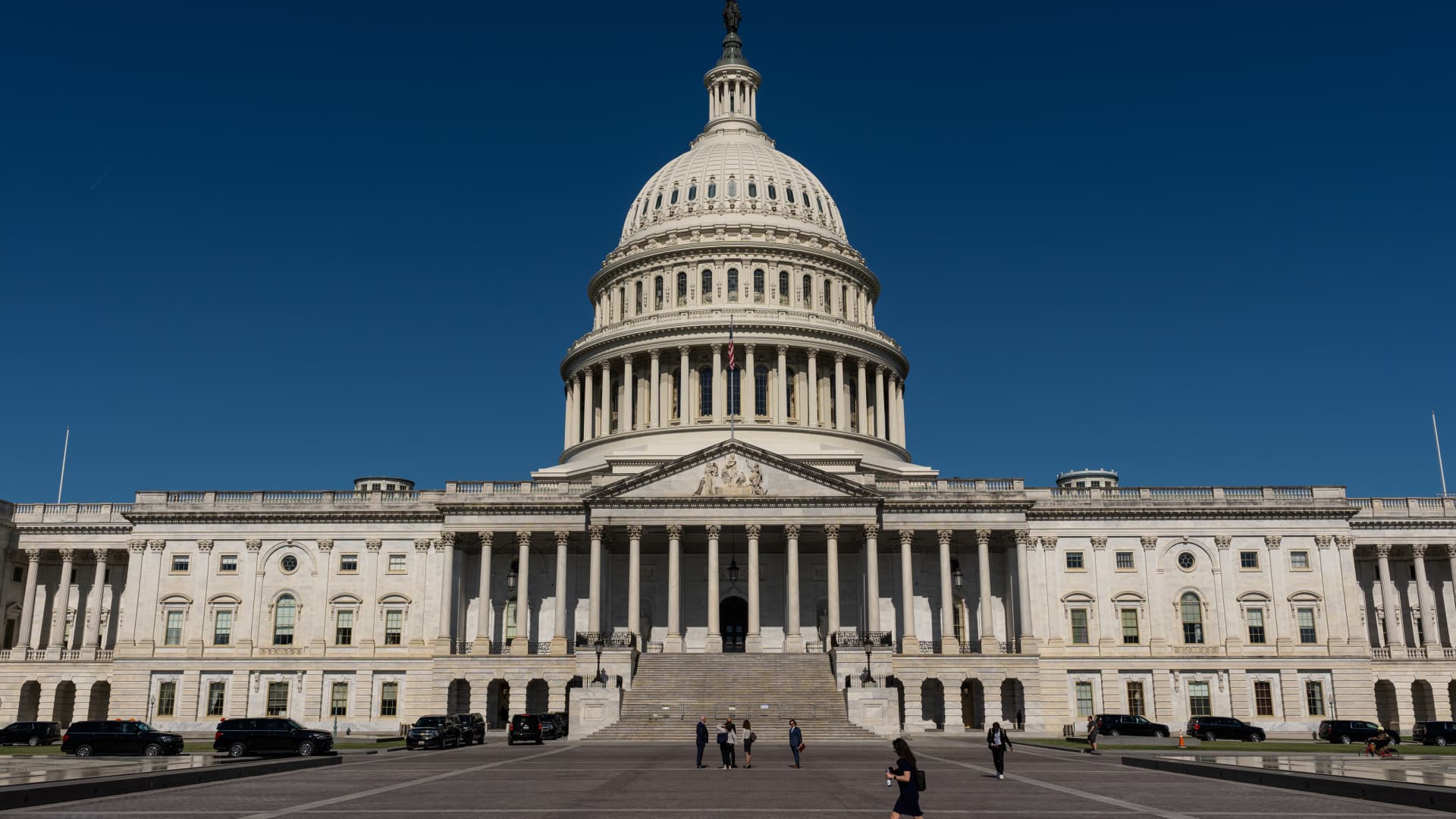
AI Companies are significantly ramping up political spending, funneling hundreds of millions into the 2026 midterm elections to shape forthcoming federal legislation. This aggressive lobbying effort aims to preemptively influence how artificial intelligence is regulated at a national level, a critical juncture for an accelerating industry. Early outlays indicate a strategic play to embed industry perspectives directly into policy frameworks.
🚀 Tech Strategy & Market Disruptions
- Political Influence Strategy. Major AI industry political action committees are deploying significant capital in midterm elections to sway policy discussions and legislative outcomes.
- Regulatory Framework Shaping. A primary objective is to establish a comprehensive national AI regulation framework, with a key debate revolving around federal preemption of potentially fragmented state laws.
- Mirroring Crypto’s Playbook. This intense lobbying effort directly emulates the successful 2024 strategy of crypto-backed PACs, which secured favorable legislation for digital assets.
The burgeoning artificial intelligence industry has committed substantial financial resources, with PACs raising over $200 million for the 2026 midterm elections. As of late June, two prominent AI political action committees have already disbursed at least $44 million across 40 House and Senate candidates, according to CNBC’s analysis of Federal Election Commission data. This early investment signals the industry’s intent to become a dominant force in Washington’s influence landscape, aiming to shape the initial national legislation governing AI usage.
Two leading groups, ‘Leading the Future’ and ‘Public First Action,’ are at the forefront of this political spending. Leading the Future reported raising $125 million by the end of 2025, with contributions from notable investors such as private equity firm Andreessen Horowitz, OpenAI co-founder Greg Brockman, Palantir co-founder Joe Lonsdale, SV Angel founder Ron Conway, and AI software company Perplexity. Public First Action, launched last year, announced $80 million raised through June, including $20 million from Anthropic specifically for public education on AI policy, not direct political spending. This strategic financial deployment aims to ensure a seat at the table as lawmakers grapple with the complex implications of powerful AI models like Mythos and Claude Fable.
Policy differences between the two AI groups are often nuanced, extending beyond a simple ‘pro’ or ‘anti’ regulation stance. Both PACs support certain guardrails, including initiatives to protect children online. The most contentious area of disagreement centers on whether a single federal standard should preempt diverse state laws on AI. Leading the Future advocates for a ‘broad, national, consistent framework,’ while Public First Action generally supports state-level legislation, though its stance on federal preemption is flexible if a comprehensive national approach emerges. This highlights the industry’s complex navigation of regulatory landscapes, seeking both consistency and flexibility in its operational parameters. For insights on broader technology market trends, consider exploring StockXpo.
This strategic push by AI companies underscores several key dynamics:
- Influence Strategy: Proactive engagement with politicians to shape nascent regulatory frameworks.
- Unified Voice: Attempting to present a cohesive industry perspective amidst varying concerns about AI’s capabilities and risks.
- Preemptive Action: Aiming to guide legislation before potentially fragmented or restrictive state laws take root nationally.
The massive financial investment by AI companies into electoral politics creates a direct cause-and-effect chain influencing the digital transformation landscape. This unprecedented spending translates into increased political leverage for the nascent AI industry. This leverage, in turn, allows these companies to directly influence the drafting of federal AI regulations, potentially leading to a national, standardized framework rather than a patchwork of state-specific laws. Such a unified regulatory environment could then accelerate innovation within a predictable legal structure, removing friction for market expansion. However, a potential disruption risk includes regulatory capture, where industry influence could lead to frameworks that favor established players or stifle agile competition, potentially limiting the broader market’s ability to capitalize on emerging technologies.
The very definition of responsible AI development hinges on thoughtful, anticipatory regulation. Striking the balance between fostering innovation and mitigating risk is not just a political challenge, but a fundamental engineering and ethical imperative for AI companies globally. CTOs must anticipate legislative shifts, as these will directly impact model deployment, data governance, and overall platform architecture.
Key financial data from AI industry political spending highlights the scale of this effort:
- Total Funds Raised (projected for 2026 midterms): Over $200 million
- Leading the Future (raised by end of 2025): $125 million
- Public First Action (raised through end of June): $80 million
- Spent on House & Senate candidates (through end of June): At least $44 million across 40 races
- Candidate Success Rate (Leading the Future): 25 wins out of 28 primaries backed
AI Companies’ Market Adoption Challenges
Despite significant technological advancements and investment in political influence, AI companies face inherent challenges in widespread market adoption. These include public distrust over data privacy and algorithmic bias, the high computational cost associated with training and deploying advanced models, and the complexity of integrating AI solutions into legacy enterprise systems. Furthermore, talent scarcity in specialized AI fields remains a bottleneck, limiting the pace at which innovations can translate into commercial products and services. Overcoming these hurdles requires not just superior technology, but also robust ethical frameworks and clear communication with end-users and regulators, a topic often discussed in educational tech insights.
AI Ecosystem Expansion Potential
The potential for ecosystem expansion within the AI sector is vast, driven by increasing demand across diverse industries for automation, analytics, and intelligent decision-making tools. As foundational models become more accessible, the focus shifts to niche applications and vertical integrations that can deliver tailored solutions. This expansion is further fueled by cloud infrastructure advancements, edge AI deployments, and the proliferation of specialized AI hardware. Collaboration between large tech firms, startups, and academic institutions will be crucial in building interoperable platforms and standards, accelerating the development of new AI-powered services. This dynamic environment is a key area for those following emerging technologies globally.
AI Companies’ Regulatory Future: A Critical Juncture
The substantial financial commitment by AI companies to influence the 2026 midterm elections marks a pivotal moment for the industry’s future regulatory landscape. This proactive political engagement reflects a strategic imperative to shape national policy, ensuring that innovation can proceed within a predictable and supportive framework. The nuanced debate between federal preemption and state laws underscores the complexity policymakers face in balancing technological progress with public safeguards.
- The precedent set by crypto lobbying highlights the potential for successful industry-led legislative outcomes.
- The speed of AI adoption demands urgent, yet well-considered, regulatory structures.
- The ongoing political maneuvers will dictate the operational freedoms and ethical obligations of AI companies for years to come.
Will this concentrated influence lead to a regulatory environment that truly fosters innovation, or one that primarily protects established interests?
📊 StockXpo Analyst’s View
Market Impact: This proactive political engagement by AI companies is likely to be viewed positively by investors seeking regulatory clarity. Reduced uncertainty from a harmonized federal framework, rather than a fragmented state-by-state approach, could de-risk investments in AI development and deployment. We anticipate increased investor confidence, potentially leading to stronger valuations for companies demonstrating robust governance and clear regulatory compliance pathways.
Sector To Watch: The AI software and infrastructure sectors are particularly sensitive to these regulatory developments. Companies specializing in AI ethics, compliance solutions, and secure data handling will see heightened demand. Furthermore, the semiconductor industry, underpinning advanced AI models, will also be closely watched as regulatory stability can accelerate R&D and market penetration for next-generation AI hardware, as frequently covered in global technology reports. This influence could also ripple into other sectors leveraging AI heavily, such as autonomous vehicles and personalized medicine, as they seek predictable operating environments, detailed insights can also be found in tech sector news.
Financial Disclaimer:
StockXpo.com is a financial news aggregator and educational portal, not a registered investment advisor or broker-dealer. All information, news, and analysis provided herein are strictly for educational purposes and do not constitute investment, financial, legal, or tax advice. Investing in the stock market involves high risks, and past performance is not indicative of future results. StockXpo will not be liable for any financial losses or investment damages. Always consult a certified financial advisor before making market decisions.
MORE IN INSIDE TECHNOLOGY
NextDC Shares Plunge: Power Delays Threaten Australia’s Data Center Growth
Published: Wednesday, October 21, 2026 · 1:50 AM

AI Adoption: Germany’s $10 Billion Breakthrough in Industrial AI
Published: Tuesday, October 20, 2026 · 12:39 AM