
Published: Thursday, July 9, 2026 · 10:36 AM | Updated: Thursday, July 9, 2026 · 10:36 AM
📊 239 views




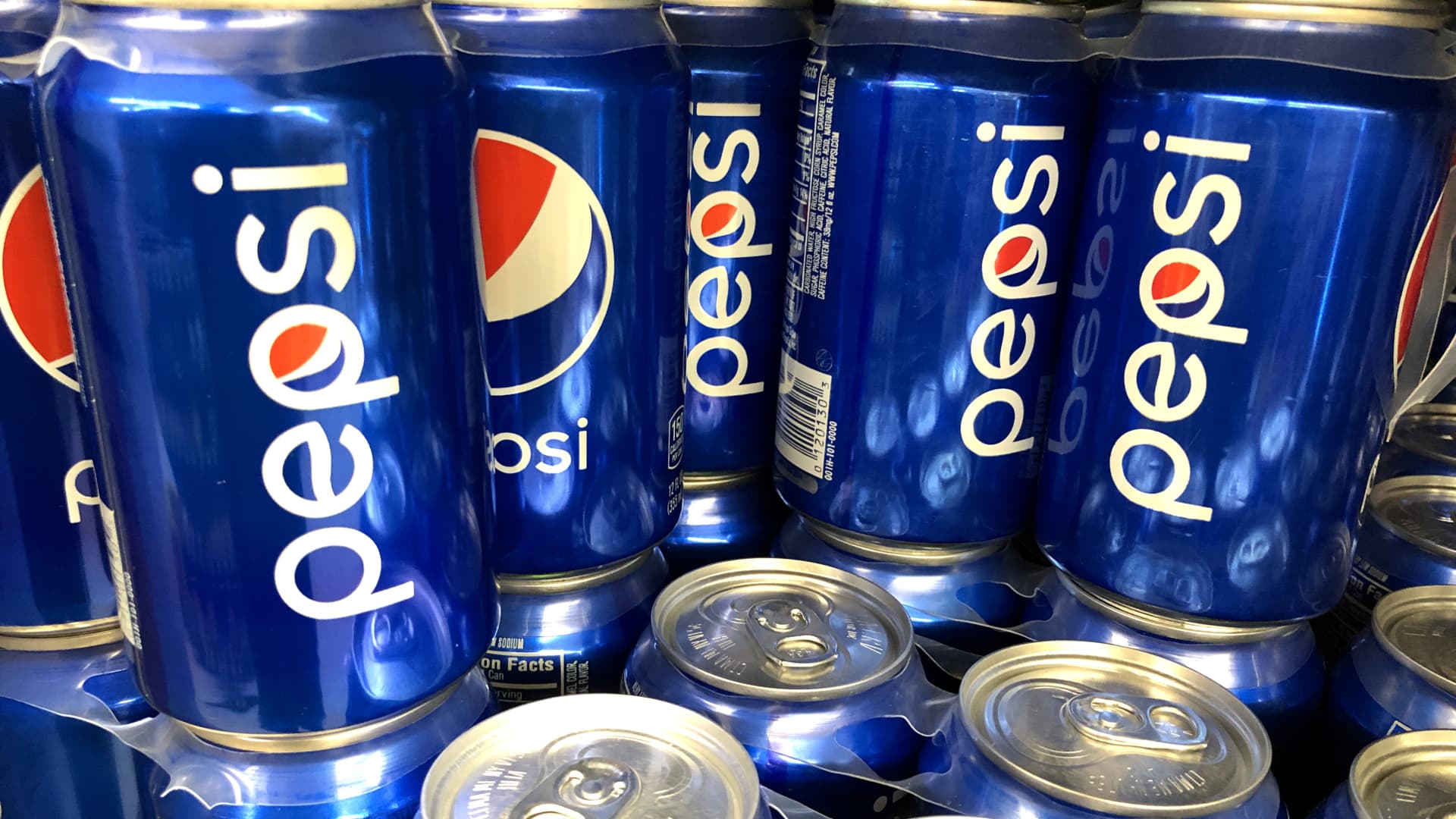
PepsiCo, the global food and beverage giant, recently reported mixed quarterly results, with its North American divisions underperforming due to tighter consumer budgets. While international demand provided a notable offset, the latest PepsiCo earnings highlight a crucial shift in domestic spending patterns that warrants careful investor consideration. This analysis delves into the underlying factors, assesses the company’s intrinsic value, and considers its strategic role within a diversified portfolio for long-term capital preservation.
💎 Strategic Investment & Portfolio Insights
- North American Headwinds Identified. PepsiCo’s domestic segments faced significant volume declines, signaling consumer sensitivity to ongoing inflationary pressures and reduced discretionary spending, particularly noticeable in food and beverage categories.
- International Growth Diversifies Risk. Robust performance in global markets partially cushioned the domestic slowdown, underscoring the benefit of geographic diversification for consumer staples companies like PepsiCo.
- Strategic Price Adjustments Underway. Management’s proactive steps, including price cuts and brand ‘restaging,’ are crucial for regaining market share and volume, but their full impact remains a longer-term catalyst.
PepsiCo (PEP) delivered a second quarter characterized by a clear divergence between its international strength and North American challenges. The company narrowly missed adjusted earnings per share estimates, reporting $2.20 against an expected $2.21, according to an LSEG analyst survey. However, revenue surpassed expectations, reaching $24.18 billion compared to the $23.95 billion forecast, largely bolstered by strong overseas performance.
CEO Ramon Laguarta explicitly attributed the tempered results to moderated U.S. food and beverage category performance, citing tightening consumer budgets amid rising inflationary pressures. This sentiment aligns with broader economic observations, where the national average gas price hitting a four-year high of $4.56 per gallon in late May directly impacted household spending patterns, as detailed by CNBC.
Globally, Pepsi’s food volume increased by 3%, and beverage volume rose by 2%, demonstrating underlying demand when pricing and foreign exchange fluctuations are excluded. However, this growth was not uniform. The North American food business reported flat volume, while its North American beverage division experienced a significant 4% drop in volume. This domestic softness represents a continuing trend over the past two years, where higher prices have led to weaker demand.
In response, PepsiCo has implemented strategic pricing adjustments, including price cuts of up to 15% on key snack brands such as Lay’s, Tostitos, Doritos, and Cheetos earlier this year, as reported by Reuters. The company is also actively ‘restaging’ iconic brands like Gatorade to reinvigorate sales. CFO Steve Schmitt noted that while North American volumes are expected to recover, the improvement will be gradual through the balance of the year, following this quarter’s setback.
- The company reiterated its full-year guidance, projecting organic revenue growth between 2% and 4% and core constant currency earnings per share to increase in a range of 4% to 6%, suggesting confidence in a recovery trajectory despite current headwinds. For further insights into broader market trends, readers can explore the latest market insights on StockXpo’s blog.
The recent PepsiCo earnings report signals a critical portfolio re-evaluation for investors holding significant exposure to consumer staples. Tighter Consumer Budgets → Reduced Discretionary Spending → Volume Pressure on Staples. This dynamic prompts a re-assessment of growth drivers, particularly in defensive sectors. Portfolios heavily weighted towards U.S. consumer-facing segments may require rebalancing towards more resilient international markets or sectors with less direct consumer discretionary exposure. The emphasis shifts from stable, predictable domestic growth to globally diversified revenue streams and companies demonstrating pricing power or effective cost management in inflationary environments.
‘In times of economic uncertainty and shifting consumer behavior, identifying businesses with robust international footprints and agile pricing strategies is paramount for generating alpha. PepsiCo’s mixed results underscore the need for vigilance even in traditional defensive plays,’ says a StockXpo Senior Strategist.
To fully grasp the quarterly performance, a detailed look at PepsiCo’s key financial metrics is essential. The table below outlines the company’s reported figures against analyst expectations, providing a granular view of where the business excelled and where it fell short, directly impacting investor sentiment and future projections.
| Metric | Reported (Q2 2026) | Expected (LSEG Survey) | Significance |
|---|---|---|---|
| Adjusted Earnings Per Share | $2.20 | $2.21 | Slight miss indicates pressure on profitability despite revenue beat. |
| Revenue | $24.18 billion | $23.95 billion | Beat driven by international strength, offsetting domestic weaknesses. |
| Net Sales Growth | +6.4% | N/A | Strong top-line growth, but volume mix warrants deeper scrutiny. |
| Organic Revenue Growth | +2.4% | N/A | Excludes acquisitions and currency, revealing core business demand. |
| North American Beverage Volume | -4% | N/A | Significant decline reflecting consumer budget tightening. |
PepsiCo Risk-Reward Matrix: Navigating Market Dynamics
Investing in PepsiCo today requires balancing its defensive qualities against emerging consumer spending headwinds. The risk-reward profile is becoming more nuanced. On the risk side, prolonged inflation and consumer budget tightening in key North American markets could further erode volume, impacting future organic growth. Execution risk also exists regarding the effectiveness and speed of price adjustments and brand restaging efforts. Geopolitical instability, particularly impacting global oil prices as mentioned in the report (U.S. war with Iran impacting oil prices and gas prices), could escalate supply chain costs or reduce international demand, as reported by Bloomberg markets.
Conversely, the reward lies in PepsiCo’s robust brand portfolio and its diversified international presence, which continues to deliver growth. The company’s ability to maintain full-year guidance despite recent setbacks suggests resilience and confidence in its long-term strategy. For investors seeking stable dividends and exposure to global consumer trends, PepsiCo remains a foundational asset, albeit one now requiring a closer watch on domestic economic indicators and competitive responses to evolving consumer habits.
PepsiCo Competitive Benchmarking: Adapting to Market Realities
Compared to its peers in the consumer staples sector, PepsiCo’s recent performance highlights the common challenges faced by packaged food and beverage companies, yet also underscores its unique strengths. Rivals like Coca-Cola (KO) or Mondelez (MDLZ) also grapple with inflationary pressures and shifts in consumer behavior, but PepsiCo’s integrated food and beverage model offers distinct diversification. The ability to offset North American beverage weakness with strong international snack sales, for instance, provides a structural advantage.
However, the aggressive price cuts on snack brands indicate intense competition and a fight for market share. This move, similar to strategies seen across the broader consumer goods landscape to retain price-sensitive customers, signals that even market leaders are not immune to discounting pressures. The success of PepsiCo’s ‘restaging’ efforts for brands like Gatorade will be critical in distinguishing its offerings and justifying premium pricing where possible, as the competitive intensity shows no signs of abating.
PepsiCo Earnings: Navigating Consumer Headwinds
PepsiCo’s latest financial disclosure reveals a company adept at leveraging its global scale to mitigate regional softness, yet facing undeniable challenges in its core North American market. The strategic adjustments in pricing and brand positioning are vital steps towards recalibrating for a more budget-conscious consumer, but their impact will unfold gradually. Investors should consider PepsiCo’s intrinsic value as a defensive play with a strong global footprint, balanced against the need for sustained domestic volume recovery.
- Domestic Volume Recovery: The key indicator to watch will be sequential improvements in North American food and beverage volumes over the next few quarters.
- Effectiveness of Brand Strategy: The success of price cuts and brand ‘restaging’ will determine PepsiCo’s ability to regain market share and pricing power.
- Global vs. Local Performance: Continued strong international growth will be crucial for offsetting any prolonged softness in the domestic market.
Can PepsiCo’s global resilience and strategic pivots fully counteract the sustained tightening of North American consumer budgets, and what does this mean for its long-term alpha generation capabilities?
📊 StockXpo Analyst’s View
Market Impact: The PepsiCo earnings report suggests a cautious investor sentiment toward consumer staples, particularly those with significant exposure to inflation-sensitive domestic markets. While the revenue beat offers some relief, the EPS miss and volume declines signal potential margin pressures. This could lead to a flight towards companies demonstrating stronger pricing power or diversified revenue streams with less reliance on discretionary spending.
Sector To Watch: Investors should keenly monitor the broader consumer staples sector for similar trends, focusing on firms with resilient international operations or those innovating to capture value-conscious consumers. Conversely, sectors less impacted by direct consumer spending or those benefiting from disinflationary trends might see increased interest for a well-rounded portfolio strategy on StockXpo.com.
Financial Disclaimer:
StockXpo.com is a financial news aggregator and educational portal, not a registered investment advisor or broker-dealer. All information, news, and analysis provided herein are strictly for educational purposes and do not constitute investment, financial, legal, or tax advice. Investing in the stock market involves high risks, and past performance is not indicative of future results. StockXpo will not be liable for any financial losses or investment damages. Always consult a certified financial advisor before making market decisions.
MORE IN INSIDE INVESTMENT NEWS

Volvo Cars Plunge: Alpha Warning as China Sales Slump Hits Earnings
Published: Friday, October 23, 2026 · 6:18 AM
Procter & Gamble Earnings: Alpha Generation from Consumer Staples Resilience
Published: Thursday, October 22, 2026 · 7:39 AM


