
Published: Wednesday, July 8, 2026 · 2:01 PM | Updated: Wednesday, July 8, 2026 · 2:01 PM
📊 229 views




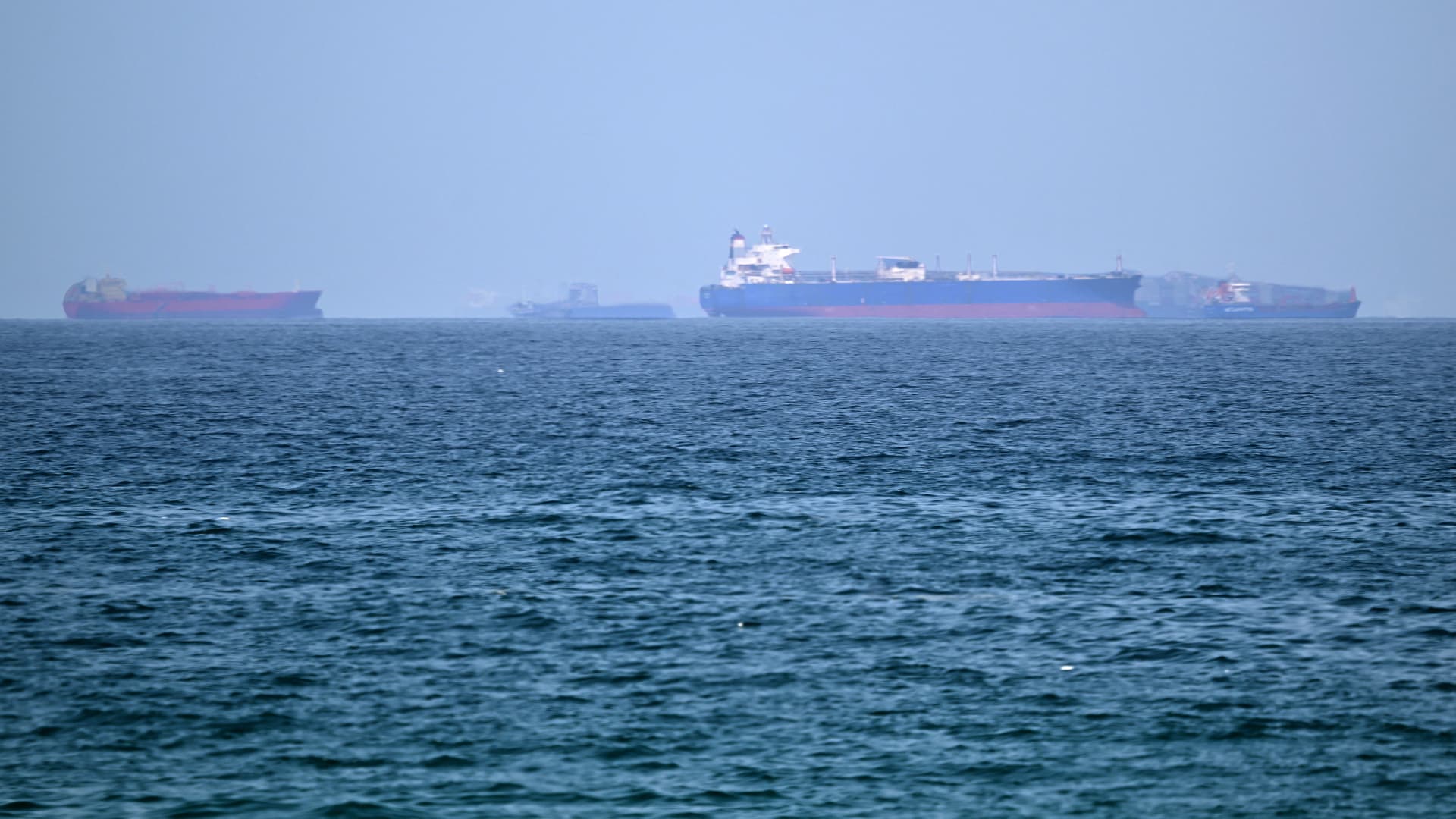
Following renewed U.S. strikes against Iran and attacks on commercial vessels, financial prediction markets have drastically revised their timelines for normal Strait of Hormuz traffic. The critical global chokepoint, vital for oil and LNG shipments, is now expected to remain disrupted well into 2027, signaling persistent volatility for global commodities.
💰 Financial Strategy & Market Insights
- Escalating Geopolitical Risk. Recent U.S. military action and vessel attacks have intensified regional instability, directly impacting maritime trade routes.
- Commodity Market Volatility. Prolonged disruption in the Strait of Hormuz traffic implies sustained higher ‘war risk’ premiums for shipping and an increased likelihood of constrained global oil and LNG supplies.
- Prediction Market Sentiment Shift. Kalshi traders, once optimistic, now assign only a 44% chance of normalcy by December 1, 2026, pushing the earliest viable return to January 2027, reflecting deeper market pessimism.
The Strait of Hormuz, through which roughly a fifth of the world’s oil supply transits, faces protracted disruption following escalating tensions between the U.S. and Iran. After U.S. strikes targeted Iranian assets in response to attacks on commercial vessels, prediction market participants on platforms like Kalshi and Polymarket have swiftly recalibrated their expectations for the return to normal Strait of Hormuz traffic flows. This situation presents a complex challenge for the financial sector, grappling with rising energy costs and geopolitical risk premiums.
Initially, traders on Kalshi had placed over 50% odds on traffic normalizing by October 1, 2026, as recently as July 4. However, the latest round of hostilities, which saw President Donald Trump declare the ceasefire with Iran ‘over,’ has dramatically shifted this outlook. Now, Kalshi speculators see only a 44% chance of normal flows by December 1, 2026. The earliest they anticipate a return to a 7-day moving average of transit calls above 60—the metric defined by Kalshi and verified by IMF PortWatch—is January 1, 2027, with odds rising to 53%. Polymarket, another prominent prediction platform, shows a slightly more sanguine 59% chance of normalcy by December 31, 2026.
This revised timeline underscores a significant increase in geopolitical risk premiums across energy and shipping sectors. Piper Sandler analyst Jan Stuart explicitly stated that ‘with the Strait back in play, global oil supply is again way short,’ adding that ‘any hope of commercial insurers reducing ‘war risk’ assessments in months has been sunk.’ This sentiment reflects a broader concern over the integrity of supply chains and the immediate financial implications for maritime operations. For investors seeking deeper market analysis, StockXpo offers valuable market analysis and insights into these complex geopolitical shifts.
- Insurance Premiums Surge: The continued instability guarantees elevated ‘war risk’ insurance premiums for vessels traversing the region, directly increasing shipping costs.
- Supply Chain Fragility: Prolonged disruption highlights the vulnerability of global energy supply chains, pushing commodity prices higher.
- Energy Sector Repercussions: Oil and LNG prices are likely to remain elevated, benefiting producers while impacting energy-dependent industries and consumers.
Navigating the Strait’s Uncertainty: Risk and Reward
- Upside Potential:
- Energy companies with diversified supply routes or significant domestic production capacity could see increased valuations due to sustained higher oil and gas prices.
- Defense sector firms may experience heightened demand for security solutions and equipment in response to regional tensions.
- Shipping companies operating outside the Strait or those with robust insurance models might gain a competitive advantage.
- Downside Risks:
- Increased operational costs and insurance premiums for all maritime trade routes, particularly those impacting the Middle East.
- Global economic slowdown due to higher energy prices, affecting consumer spending and industrial output.
- Escalation of military conflict could lead to severe supply disruptions, triggering significant market instability and potential global recession.
- Investors in sectors heavily reliant on consistent global trade, such as manufacturing and logistics, face heightened earnings volatility.
Understanding ‘War Risk’ Assessments: ‘War risk’ assessments, in the context of maritime insurance, are additional premiums levied on vessels operating in areas deemed high-risk due to geopolitical instability, piracy, or armed conflict. These premiums compensate insurers for the elevated probability of claims arising from damage, capture, or loss of cargo and vessels in such zones. The recent events in the Strait of Hormuz will undoubtedly keep these assessments high, directly impacting the profitability of shipping and the pricing of global commodities.
Prediction Market Outlook on Strait Normalcy
| Platform | Event/Date | Odds of Normalcy |
|---|---|---|
| Kalshi | Normal traffic by Dec 1, 2026 | 44% |
| Kalshi | Normal traffic by Jan 1, 2027 | 53% |
| Polymarket | Normal traffic by Dec 31, 2026 | 59% |
| Definition (IMF PortWatch) | 7-day moving avg. of transit calls | Above 60 |
Oil Market Liquidity Under Pressure
The immediate and prolonged disruption of the Strait of Hormuz traffic raises significant concerns about global oil market liquidity. A substantial portion of the world’s crude and refined products flows through this narrow passage, making it extremely sensitive to geopolitical events. Should the disruptions intensify or persist beyond current predictions, global inventories could deplete rapidly, leading to sharp price spikes and increased backwardation in futures markets. This scenario would test the resilience of strategic petroleum reserves and potentially strain the financial mechanisms used to manage oil price volatility, creating an unpredictable environment for commodities traders and long-term investors alike.
Global Risk Sentiment: A Shifting Tide
The latest developments in the Strait of Hormuz underscore a fundamental shift in global risk sentiment, moving from cautious optimism to a more pronounced state of apprehension. The speed with which prediction markets revised their forecasts, as observed on Kalshi and Polymarket, indicates that investors are now pricing in a higher probability of extended instability rather than quick resolutions. This heightened risk aversion impacts capital flows, favoring safe-haven assets over growth-oriented or emerging market investments. Central banks globally will be closely monitoring the inflationary pressures arising from elevated energy costs, potentially influencing monetary policy decisions and contributing to broader market volatility for financial sector participants.
Strait of Hormuz Traffic Disruptions: A Long Road Ahead
The revised outlook for normal Strait of Hormuz traffic signals a protracted period of uncertainty for global energy markets and maritime trade. Geopolitical tensions have effectively recalibrated market expectations, pushing the anticipated return to normalcy well into 2027.
- Global oil and LNG supplies face ongoing constraints.
- ‘War risk’ insurance premiums for shipping will remain elevated.
- Commodity price volatility is likely to persist as markets digest the implications of prolonged disruption.
What long-term shifts will this sustained instability trigger in global trade routes and energy sourcing strategies?
📊 StockXpo Analyst’s View
Market Impact: The enduring disruption in the Strait of Hormuz traffic solidifies a risk-off sentiment across global markets, particularly in energy and logistics. We anticipate a persistent bid for crude oil and LNG, alongside higher freight rates, directly influencing inflation metrics. Capital allocations may increasingly favor upstream oil and gas producers and defense contractors, while industries heavily reliant on global supply chains face headwinds.
Sector To Watch: The energy sector, specifically integrated oil majors and natural gas producers, stands to benefit from sustained elevated prices. Concurrently, the maritime logistics and insurance sectors will grapple with heightened costs and evolving risk profiles. Investors should also monitor the defense industry for potential increases in government spending in response to geopolitical instability, as outlined in our educational financial insights.
Financial Disclaimer:
StockXpo.com is a financial news aggregator and educational portal, not a registered investment advisor or broker-dealer. All information, news, and analysis provided herein are strictly for educational purposes and do not constitute investment, financial, legal, or tax advice. Investing in the stock market involves high risks, and past performance is not indicative of future results. StockXpo will not be liable for any financial losses or investment damages. Always consult a certified financial advisor before making market decisions.
MORE IN INSIDE FINANCE

Fixed Income: JPMorgan Calls it a Once-in-a-Generation Opportunity Amid Market Shifts
Published: Saturday, October 10, 2026 · 12:03 PM

Crypto Derivatives Trading: Blockchain.com’s Bold Move into U.S. Markets
Published: Friday, October 9, 2026 · 8:23 AM


