Published: Monday, June 29, 2026 · 11:37 AM | Updated: Monday, June 29, 2026 · 11:37 AM
📊 253 views




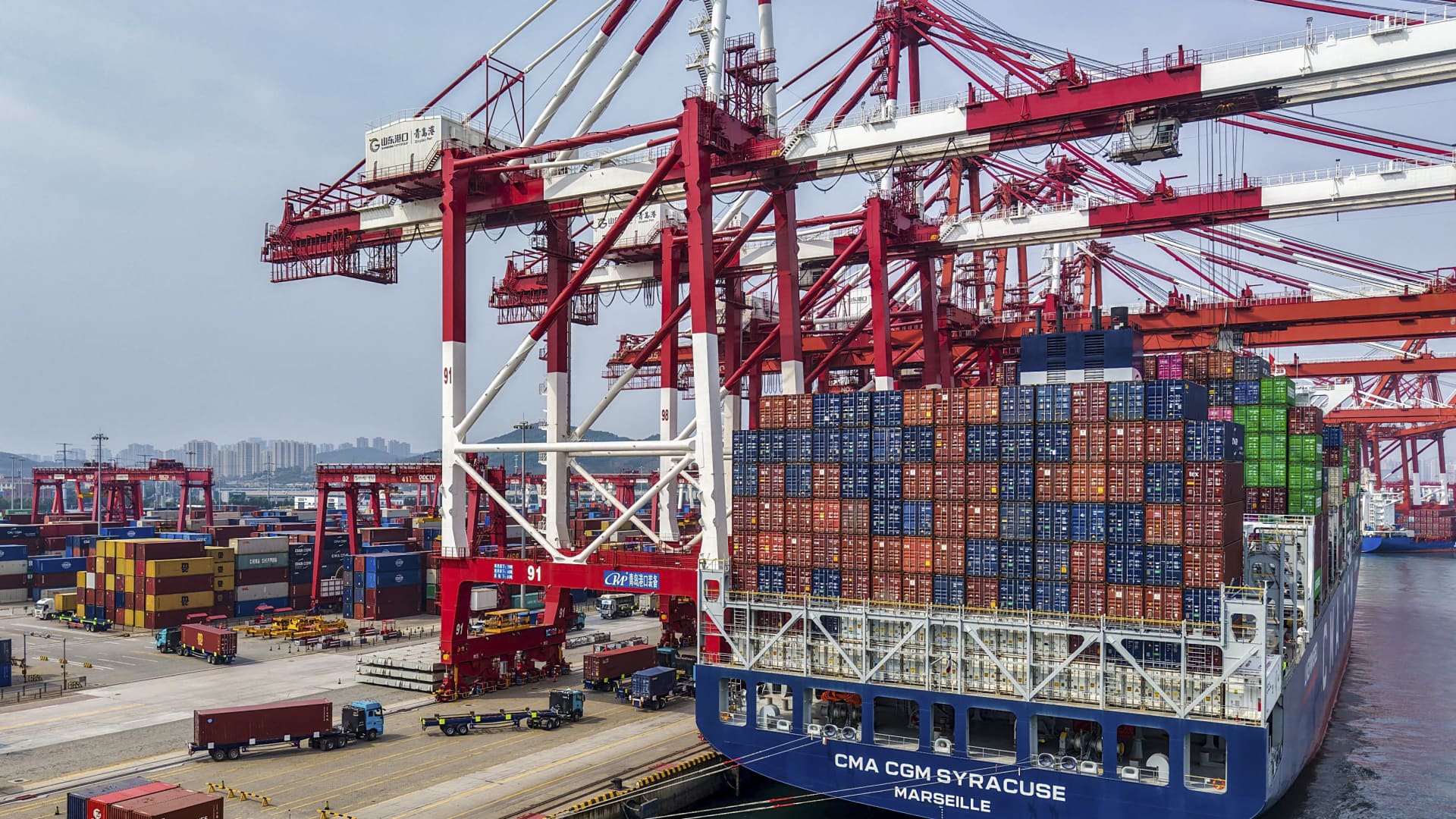
China’s economy appears to have regained momentum in June, with an independent survey pointing to a notable resurgence in manufacturing activity and robust U.S.-bound exports. This rebound marks a positive shift after a period of deceleration in April and May, offering a tempered optimistic outlook for the world’s second-largest economy as it navigates ongoing global trade dynamics.
💰 Financial Strategy & Market Insights
- Export-Driven Recovery. A significant surge in U.S.-bound exports and factory activity is signaling a potential turnaround for China’s economic performance in June.
- Luxury Sales vs. Tourism. While luxury goods sales saw a boost, broader consumer spending, especially in tourism, remained subdued, indicating uneven internal demand.
- Tariff Frontloading Ahead. Importers are accelerating shipments to the U.S., driven by anticipatory fears of renewed tariffs and higher fuel surcharges, impacting short-term trade volumes.
The latest independent survey from the China Beige Book, covering 1,321 businesses from June 1 to 22, reveals a marked improvement across several sectors. Manufacturing showed the clearest signs of recovery, with factory activity accelerating and U.S.-bound orders registering sharp year-on-year gains. This contrasts sharply with the slowdown observed in April and May, which saw retail sales decline for the first time since the pandemic and a sharp deceleration in sales growth during the 618 shopping festival. The resurgence in export demand, particularly from the U.S., is a critical factor underpinning this renewed optimism.
Investment in manufacturing had also softened, dragged down by sectors like metals, chemicals, and auto production, recording a year-to-date decline in May, according to Wind Information. However, the June data suggests a reversal of this trend, at least on the export front. Chinese exports to the U.S. grew 11.3% in April and a robust 35.4% in May, a stark turnaround from double-digit declines witnessed for much of the previous year under heightened tariffs. This acceleration is partly attributed to importers frontloading shipments in anticipation of potential tariff surges and price hikes, a phenomenon noted by S&P Global, which reported Asia-U.S. freight rates climbing to a nearly two-year high. Such stockpiling, however, is projected to taper off by late July.
While U.S. trade provided significant impetus, export order growth to Asia and other developing countries saw a slowdown in June compared to May, with European growth holding steady. Domestically, while retail sales recovered nicely overall, the Beige Book highlighted a surge in luxury goods sales juxtaposed with weaker tourism-related spending, suggesting a bifurcated consumer landscape. The Economist Intelligence Unit’s senior economist, Tianchen Xu, emphasized that the improvement in China’s momentum was ‘first and foremost led by the external sector,’ further bolstered by strong demand for AI technology and components, alongside falling oil prices due to easing tensions in the Strait of Hormuz.
- The current export-driven pickup requires sustained performance through July and August to solidify into a legitimate, broader economic recovery.
- The prospect of expiring Section 122 duties on July 24 and ongoing Section 301 probes on overcapacity add layers of uncertainty for future trade flows.
Analysts are closely watching upcoming official data releases, including the manufacturing purchasing managers’ index (due Tuesday), June trade data (July 14), and second-quarter GDP with June retail sales and industrial data (July 15). Goldman Sachs recently revised its third-quarter GDP growth forecast for China upward to 5% from 4.5% quarter-on-quarter annualized, citing anticipated lower oil prices and accelerated fiscal spending, following a predicted tepid 3.5% growth for the second quarter.
From an investment perspective, China’s economic recovery presents a complex risk-reward profile:
- Upside Potential:
- Sustained export growth could boost manufacturing and industrial output, positively impacting earnings for export-oriented firms.
- Falling oil prices and strong demand for AI components could act as tailwinds, supporting specific technology and energy-intensive sectors.
- Government fiscal stimulus, as anticipated by some analysts, could further propel domestic demand and infrastructure investment.
- Downside Risks:
- The ‘frontloading’ of shipments ahead of potential U.S. tariff hikes could lead to a sharp drop in export volumes later in Q3, creating a volatile trade environment.
- Uneven domestic consumption, with luxury sales strong but tourism weak, indicates underlying structural challenges in broader consumer confidence.
- Geopolitical tensions, particularly U.S. trade policy shifts and ongoing Section 301 probes, pose significant regulatory and market access risks for Chinese exporters.
- Dependency on external demand for recovery makes the economy vulnerable to global trade slowdowns or renewed protectionist measures.
Understanding ‘frontloading shipments’ is crucial here. This is a common strategy where importers accelerate their purchases and shipping schedules to bring goods into a country before anticipated tariffs or price increases take effect. While it can temporarily inflate trade volumes, it often leads to a subsequent dip as inventories are consumed, creating short-term volatility in supply chains and trade data. Investors must discern between sustainable demand and tactical buying driven by policy uncertainty.
Key economic indicators highlight the recent shifts in China’s trade dynamics and growth outlook:
| Metric | April 2026 | May 2026 | Notes |
|---|---|---|---|
| China Exports to U.S. (YoY Growth) | +11.3% | +35.4% | Significant rebound after previous declines |
| China Exports to U.S. (vs. 2024 levels) | – | ~90% | Approaching pre-tariff escalation levels (vs. 70% in May 2025) |
| Goldman Sachs Q3 GDP Forecast (YoY Annualized) | – | Revised to 5.0% (from 4.5%) | Anticipating lower oil and faster fiscal spending |
| Goldman Sachs Q2 GDP Forecast (YoY Annualized) | – | 3.5% | Predicted tepid performance before June rebound |
China’s Export Dynamics: A Closer Look at Trade Shifts
The recent surge in China’s exports to the U.S. is not merely a quantitative increase but reflects complex underlying shifts in global supply chains and trade policy anticipation. Companies are strategizing their procurement and shipping decisions around potential trade barriers, such as the looming expiration of the 10% duty on goods from major trading partners under Section 122, and the potential for new duties from Section 301 probes. This dynamic, as observed by analysts, suggests a short-term boost that could be followed by adjustments once these policy uncertainties resolve. Investors should monitor how these trade flows normalize post-tariff deadlines, distinguishing between genuine demand recovery and strategic inventory building while consulting educational financial insights.
Market Sentiment Tracker: Gauging Investor Confidence
Investor sentiment around China’s economic prospects has been notably cautious following the softer performance in April and May, highlighted by falling retail sales and manufacturing investment. The June pickup, particularly the export strength, offers a much-needed narrative shift. However, sustained positive momentum is crucial. The upcoming official data releases, including the Purchasing Managers’ Index and Q2 GDP, will serve as critical validation points. A robust performance could trigger a re-evaluation of broader market sentiment towards Chinese equities and commodities, while any signs of renewed weakness could quickly dampen the current optimism, as often tracked by major financial developments. The focus remains on whether the external-led recovery can translate into broader domestic strength and investor confidence in the long run, impacting overall capital shifts within the global financial sector.
China’s Economy in June: A Turning Point or Fleeting Rebound?
The June data points to a tangible improvement in China’s economic landscape, largely propelled by resurgent U.S.-bound exports and a notable recovery in manufacturing. This positive trajectory, however, needs to be sustained to mark a genuine turning point, moving beyond the current momentum driven partly by anticipatory shipping. The dual nature of consumer spending—strong luxury sales against weak tourism—underscores an uneven domestic recovery.
- The external sector is the primary driver of China’s recent economic upswing.
- Upcoming trade policy decisions in the U.S. loom large over future export stability.
- The longevity of this recovery hinges on broader domestic demand strengthening and a normalization of global trade flows.
Can China leverage this export strength to ignite more widespread internal growth and solidify a robust long-term recovery?
📊 StockXpo Analyst’s View
Market Impact: The visible uptick in China’s economic activity, particularly export-driven, is likely to inject a degree of cautious optimism into global markets, particularly for commodities and companies reliant on Chinese demand or supply chains. We anticipate short-term positive sentiment in Asian equities, though investors will remain vigilant for official confirmation and signs of sustainable growth beyond tariff-induced frontloading. This could subtly shift capital flows towards emerging markets with strong trade linkages to China.
Sector To Watch: Export-oriented manufacturing, especially in electronics and general consumer goods, will likely see continued benefits. The artificial intelligence technology and components sector, highlighted as a key demand driver, warrants close attention for investment opportunities. Conversely, sectors sensitive to domestic discretionary spending, like travel and leisure, might lag until broader consumer confidence fully recovers.
Financial Disclaimer:
StockXpo.com is a financial news aggregator and educational portal, not a registered investment advisor or broker-dealer. All information, news, and analysis provided herein are strictly for educational purposes and do not constitute investment, financial, legal, or tax advice. Investing in the stock market involves high risks, and past performance is not indicative of future results. StockXpo will not be liable for any financial losses or investment damages. Always consult a certified financial advisor before making market decisions.
MORE IN INSIDE FINANCE

AI Stock Boom Fuels $67 Billion Equities Growth for Wall Street Giants
Published: Wednesday, October 21, 2026 · 11:03 AM

New Risks Emerge: Global Finance Chiefs Highlight Debt, AI, and Geopolitical Volatility
Published: Tuesday, October 20, 2026 · 2:12 AM