Published: Wednesday, July 8, 2026 · 2:02 PM | Updated: Wednesday, July 8, 2026 · 2:02 PM
📊 201 views




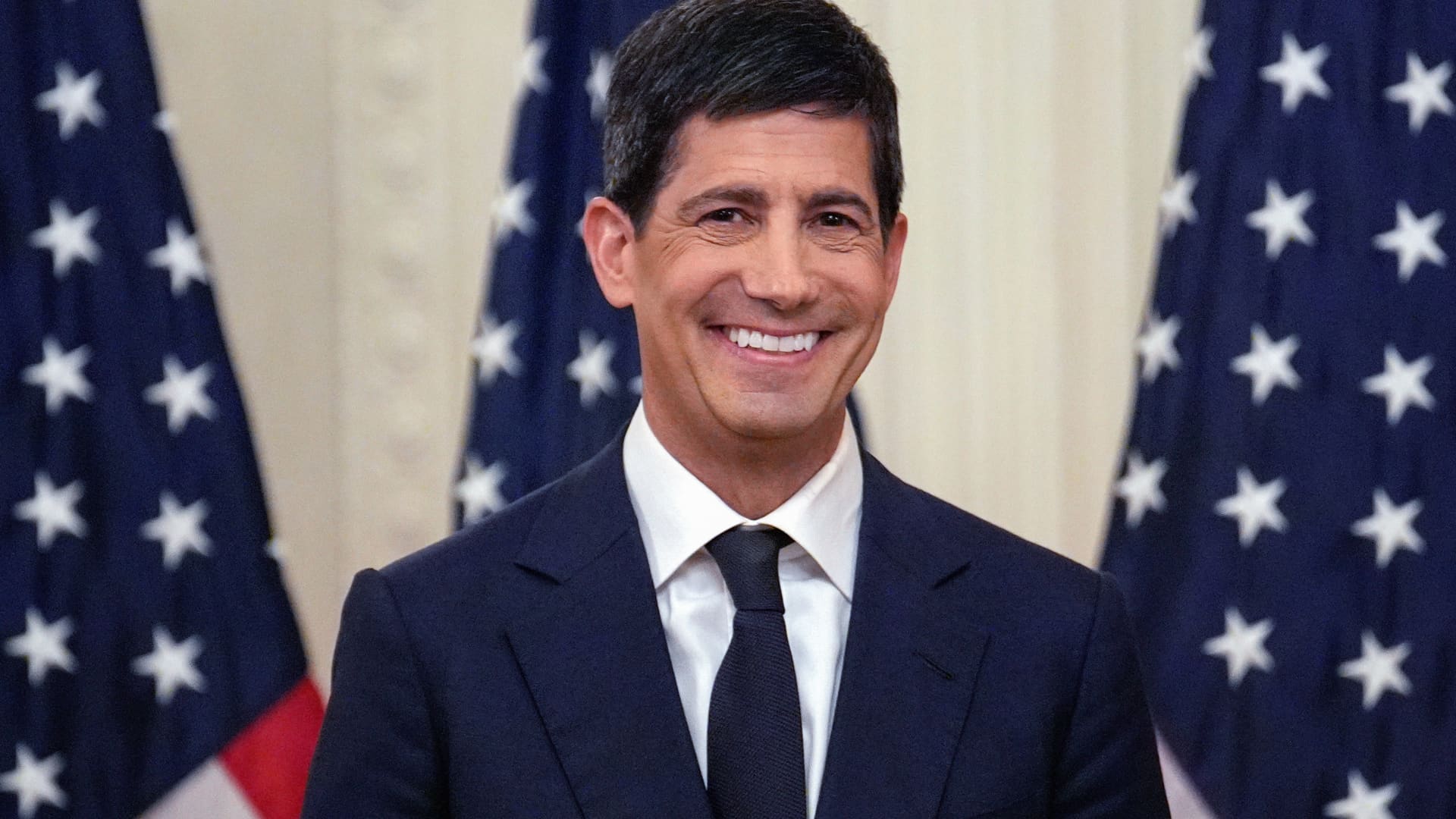
The Federal Reserve’s recent meeting minutes are poised to reveal a contentious internal debate over future interest rate policy, with implications stretching far beyond the single hike currently projected. While policymakers tentatively pencil in one rate adjustment, historical patterns suggest the central bank rarely acts in isolation, pointing instead to prolonged Fed Rate Cycles. This divergence between market expectations and historical precedent signals potential for increased market volatility.
💰 Financial Strategy & Market Insights
- Internal Discord over Rates. The June FOMC minutes highlight a significant ‘family fight’ among Fed officials regarding the trajectory and pace of future interest rate adjustments, challenging the consensus view of a modest, single hike.
- Historical Fed Rate Cycles. Past behavior indicates the Federal Reserve typically operates in extended tightening or easing cycles, making one-off rate changes rare and suggesting any initial move could herald further adjustments.
- Persistent Inflation Pressures. Inflation remains stubbornly above the Fed’s 2% target, creating urgency for policy action, despite varied opinions within the committee on its future path and potential for natural unwinding.
Divided Federal Reserve officials, under new Chairman Kevin Warsh, signaled a single interest rate hike this year to tackle persistent inflation. However, former St. Louis Fed President Jim Bullard noted to CNBC that the committee rarely undertakes solitary rate moves, emphasizing that such adjustments usually mark the beginning of a broader tightening phase, a phenomenon central to understanding long-term Fed Rate Cycles. Bullard’s perspective suggests that markets are currently ‘sniffing out’ the potential for more aggressive action than initially communicated.
The upcoming release of the June 16-17 meeting minutes is highly anticipated by investors seeking deeper insight into the Fed’s strategic direction. Chairman Warsh himself characterized the meeting as ‘a good family fight,’ underscoring the deep ideological rifts within the committee regarding how best to achieve price stability. Historically, the Fed’s pattern of policy adjustments aligns with cycles rather than isolated actions, a critical aspect for broader market analysis.
- 2025 Cycle: Three rate cuts in the latter half.
- 2024 Cycle: Three rate cuts.
- 2022-23 Cycle: Eleven rate hikes.
- 2019-20 Cycle: Five rate cuts.
These historical patterns indicate that modest, quarter-point tweaks are often insufficient to achieve the Fed’s policy objectives, particularly when confronting a challenge as entrenched as inflation. The central bank’s persistent problem of inflation running above its 2% target for the past five years continues to fuel this internal debate. While some officials anticipate an easing of geopolitical tensions and declining oil prices to mitigate price increases, significant disagreement exists on whether the inflationary trend is genuinely receding or accelerating.
Adding to the uncertainty, Warsh’s tenure is expected to usher in a period of less direct communication and ‘forward guidance,’ potentially making future FOMC minutes less informative. Standard Chartered strategist Steve Englander suggests that the ‘Participant Views’ section, which typically offers clues on the degree of support for differing policy options, may be significantly curtailed. This shift could necessitate investors rely more heavily on external data and expert interpretation to gauge the direction of the financial sector.
Bank of America, for instance, has already revised its forecast, anticipating three quarter-percentage-point hikes before the year’s end, signaling a more aggressive stance than the Fed’s own ‘dot plot’ suggests. This reflects a growing conviction among some analysts that the Fed may need to act decisively to rein in inflation, even if it means moving before politically sensitive events like the November midterm election, a risk highlighted by Bullard. A delay could necessitate even more drastic measures later, as Bloomberg reported on market expectations.
Risks and Rewards of the Expected Rate Path
- Upside: A well-executed tightening cycle could curb inflation without triggering a severe economic downturn, leading to sustained economic stability and a stronger currency. Asset valuations could normalize without a major correction, and investor confidence in the Fed’s ability to manage the economy would be reinforced, potentially attracting more capital towards growth assets.
- Downside Risks: An overly aggressive or prolonged series of Fed Rate Cycles could tip the economy into recession, increase borrowing costs for businesses and consumers, and trigger significant asset price depreciation, particularly in interest-rate-sensitive sectors. Misjudging inflation’s trajectory could also lead to either insufficient action, allowing inflation to spiral, or excessive tightening, stifling economic growth prematurely. Volatility could spike across global markets, challenging risk management strategies.
Expert Insight: Understanding the ‘dot plot’ is crucial for investors. While not a commitment, this quarterly chart of individual FOMC members’ interest rate projections provides a forward-looking glimpse into collective sentiment regarding future policy. Divergences in the dot plot or between it and market expectations often signal potential policy shifts and can influence everything from bond yields to equity valuations, making it a key indicator for assessing asset valuation and risk management strategies.
Divergent Inflation Expectations
- Treasury Market: The 5- and 10-year ‘breakeven’ rates, which reflect market-based inflation expectations, have hovered around their lowest levels of the year, suggesting investors largely believe inflation will moderate over time.
- Consumer Survey: In stark contrast, the New York Fed’s June consumer survey indicated multi-year highs for inflation expectations. The one-year outlook reached 3.7% (highest since September 2023), and the three-year outlook hit 3.3% (highest since June 2022), signaling considerable consumer discomfort about future price increases.
- CME FedWatch: Traders are pricing in a hike as early as September, followed by a holding pattern for at least a year, with additional hikes projected only in later years, broadly aligning with the Fed’s June blueprint. This offers an additional layer of insight for educational financial insights.
Asset Valuation Dynamics Under Shifting Rate Regimes
Shifting expectations around Fed Rate Cycles have a profound impact on asset valuation, particularly for long-duration assets like growth stocks and fixed income. When the market anticipates a tightening cycle, the discount rate applied to future earnings or cash flows typically rises, leading to a downward revaluation of these assets. Conversely, assets with shorter durations or those less sensitive to interest rates, such as value stocks or commodities, might prove more resilient. The current debate within the Fed, and the potential for a more aggressive hiking path than implied by the ‘dot plot,’ creates significant uncertainty. Investors must carefully assess how different rate scenarios could affect their portfolios, factoring in the cost of capital, future earnings potential, and sector-specific sensitivities. This environment necessitates a dynamic approach to portfolio construction and active management of interest rate risk.
Market Sentiment Tracker: Diverging Views on Price Stability
Market sentiment regarding the trajectory of inflation and the Fed’s response is highly fractured. While the bond market, through breakeven rates, seems to price in a relatively benign inflation outlook, consumer expectations paint a different picture, indicating widespread concern over purchasing power. This divergence suggests that professional investors and everyday consumers are interpreting economic signals and policy intentions very differently. Such a disconnect can be a precursor to increased market volatility as one side eventually converges towards the other. The Fed’s challenge lies in managing these disparate expectations while effectively pursuing its dual mandate. The lack of transparent communication under Chairman Warsh could further exacerbate this sentiment fragmentation, making it harder for market participants to form a unified view, as Reuters analysis often highlights.
Navigating the Fed Rate Cycles: The Path Forward
The Federal Reserve’s internal debate over interest rates, combined with historical patterns of multi-step tightening or easing, underscores that the current market expectation of a single hike may be overly optimistic. Chairman Warsh’s leadership signals a shift towards less transparent communication, demanding increased vigilance from investors as they interpret policy signals and their implications for asset valuations and risk profiles.
- The ‘family fight’ in June minutes confirms deep divisions on rate policy.
- Historical data overwhelmingly supports multi-move Fed Rate Cycles, not isolated adjustments.
- Divergent inflation expectations between markets and consumers pose a significant challenge for policymakers.
How will the Fed balance its mandate for price stability with the risk of triggering an economic slowdown in a less communicative era?
### 📊 StockXpo Analyst’s View
Market Impact: The prospect of extended Fed Rate Cycles, rather than a one-off adjustment, introduces significant uncertainty, potentially increasing bond yield volatility and equity market re-pricing. Investors should prepare for a period of heightened sensitivity to economic data and hawkish Fed commentary, as capital gravitates towards defensive sectors or short-duration assets. This environment could challenge high-growth, long-duration equity valuations.
Sector To Watch: Financials, particularly banks, may see improved net interest margins in a rising rate environment, making them a potential beneficiary. Conversely, highly leveraged companies and interest-rate-sensitive real estate sectors could face headwinds as borrowing costs increase.
Financial Disclaimer:
StockXpo.com is a financial news aggregator and educational portal, not a registered investment advisor or broker-dealer. All information, news, and analysis provided herein are strictly for educational purposes and do not constitute investment, financial, legal, or tax advice. Investing in the stock market involves high risks, and past performance is not indicative of future results. StockXpo will not be liable for any financial losses or investment damages. Always consult a certified financial advisor before making market decisions.
MORE IN INSIDE FINANCE
Fixed Income: JPMorgan Calls it a Once-in-a-Generation Opportunity Amid Market Shifts
Published: Saturday, October 10, 2026 · 12:03 PM

Crypto Derivatives Trading: Blockchain.com’s Bold Move into U.S. Markets
Published: Friday, October 9, 2026 · 8:23 AM