Published: Monday, July 6, 2026 · 10:55 PM | Updated: Monday, July 6, 2026 · 10:55 PM
📊 258 views




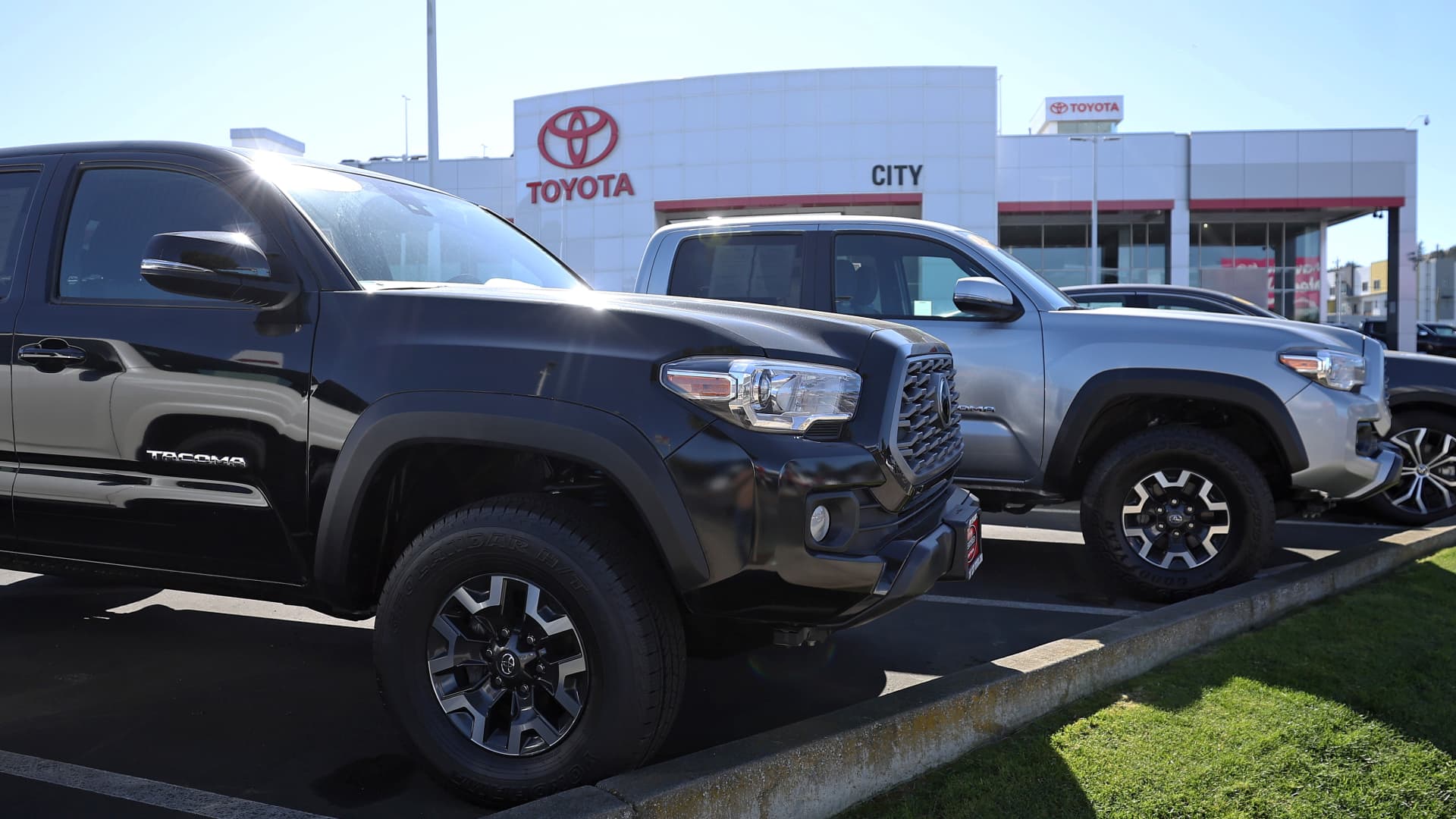
Toyota Motor is making a significant $3.6 billion investment to relocate its Tacoma midsize pickup truck production from Mexico to its San Antonio, Texas, manufacturing campus. This strategic move underscores a broader commitment to U.S. manufacturing, signaling Toyota’s intent to enhance operational efficiency and solidify its market leadership in a critical vehicle segment.
🗝️ Corporate Strategy Insights
- Capacity Boost & Job Creation. The investment will expand the San Antonio plant’s annual capacity from 200,000 to 350,000 units by 2030, creating 2,000 U.S. jobs and nearly doubling the facility’s size.
- Strategic Production Consolidation. Shifting the Toyota Tacoma Production aims to streamline logistics and supply chains within North America, leveraging existing infrastructure in Texas.
- U.S. Market Leadership Focus. This move aligns with Toyota’s objective to increase its domestic footprint, bolstering its competitive stance against rivals like General Motors in the lucrative U.S. sales market.
The decision to channel $3.6 billion into its San Antonio facility represents a pivotal shift for Toyota, transferring a substantial portion of its Tacoma midsize pickup truck production previously located in Tijuana, Mexico. This expansion, expected to complete by 2030, will introduce a second assembly line, effectively increasing the plant’s annual output by 75%—from approximately 200,000 units to 350,000. Additionally, it is projected to generate 2,000 new jobs in the United States, underscoring a reinforced commitment to American manufacturing. Toyota’s spokeswoman affirmed that operations in Mexico would be maintained, with the Guanajuato plant continuing to produce Tacomas, indicating a strategic network optimization rather than a complete withdrawal.
This investment is part of Toyota’s broader strategy to inject an additional $10 billion into its U.S. operations through 2030, a plan revealed shortly after the Trump administration’s move to annual reviews for the trilateral trade pact with Canada and Mexico. The timing suggests an adaptation to evolving trade policies and a drive for greater self-sufficiency within the U.S. market. The Texas plant currently produces the Toyota Tundra full-size pickup and the Sequoia SUV, including hybrid variants, and is set to commence production at a new 500-million-square-foot rear axle plant this fall, according to strategic business decisions analyses.
Historically, Toyota had shifted Tacoma production from Texas to Mexico six years prior, making this reversal a notable change in its continental manufacturing footprint. The company’s confidence in the North American workforce and long-term growth potential was reiterated by Toyota Motor North America CEO Ted Ogawa, emphasizing the aim to deliver high-quality vehicles meeting customer needs.
Key aspects of this expansion include:
- A significant 75% increase in annual Tacoma production capacity in San Antonio.
- The creation of 2,000 new U.S. manufacturing jobs.
- Integration with existing Tundra and Sequoia production lines, optimizing resource utilization.
- A strategic response to potential shifts in North American trade agreements.
Toyota’s aggressive posture in the U.S. market aligns with its broader objective to potentially surpass General Motors in domestic sales. Recent data from Cox Automotive indicates Toyota narrowing the sales gap with GM through the first half of the year, driven by strong hybrid demand and new model introductions. While GM heavily invested in all-electric vehicles, Toyota has sustained its leadership in hybrids, proving resilient in a fluctuating market for EVs. This re-focus on internal combustion and hybrid pickup trucks, manufactured closer to its primary consumer base, may provide a tangible edge.
This substantial investment and relocation of Toyota Tacoma Production sets off a significant strategic ripple effect across the automotive sector. The increased U.S. manufacturing capacity translates directly into enhanced supply chain resilience and reduced logistical complexities, which can lead to faster delivery times and greater responsiveness to market demand fluctuations. This operational upgrade is a direct challenge to competitors, particularly domestic manufacturers like General Motors and Ford, who also vie for dominance in the highly profitable pickup truck segment. By bolstering its U.S. production, Toyota strengthens its ‘Made in America’ appeal, potentially shifting consumer preference in a market that often values domestic manufacturing.
The cause-and-effect chain is clear: Increased domestic investment and production capacity → Greater flexibility in responding to U.S. consumer demand and policy changes → Improved competitiveness in the midsize truck segment → Potential erosion of rivals’ market share and strengthening of Toyota’s overall U.S. sales position. This could prompt competitors to re-evaluate their own manufacturing footprints and investment strategies, particularly concerning trade policy uncertainties and consumer sentiment towards domestic production, impacting corporate growth strategies across the industry.
This $3.6 billion investment in U.S. manufacturing capacity for the Tacoma pickup truck demonstrates Toyota’s agile adaptation to market dynamics and trade policies, reinforcing its long-term strategy to dominate key segments by bringing production closer to its highest demand markets.
Toyota’s investment in its San Antonio plant reveals critical metrics:
| Metric | Details | Significance |
|---|---|---|
| Investment Value | $3.6 Billion | Major capital allocation reinforcing U.S. commitment and expansion. |
| Job Creation | 2,000 U.S. Jobs | Boosts local economy and strengthens domestic workforce. |
| Plant Capacity Increase | 200,000 to 350,000 units (75% increase) | Significantly expands production volume for a popular model, addressing demand. |
| Plant Size Expansion | Nearly double 2.7M sq. ft. facility | Physical infrastructure growth supports long-term operational scale. |
Toyota’s Market Leadership Playbook in Action
Toyota’s enduring market leadership, particularly in hybrid technology and robust truck segments, is vividly reflected in this strategic investment. Rather than solely chasing the electric vehicle trend with aggressive investments like some rivals, Toyota continues to leverage its strengths in internal combustion and hybrid powertrains, especially for high-demand models like the Tacoma. This calculated approach allows the automaker to cater to diverse customer preferences while maintaining profitability. By enhancing its U.S. production capabilities for a core truck model, Toyota is not just increasing output; it is reinforcing its ability to respond swiftly to American consumer demand and potentially hedge against global supply chain disruptions. This flexibility in its product mix and manufacturing strategy positions Toyota uniquely to navigate the complex automotive landscape.
Toyota’s Competitive Advantages in Operational Efficiency
Operational efficiency stands as a cornerstone of Toyota’s long-term success, and this $3.6 billion relocation of Tacoma production is a prime example. Integrating Tacoma manufacturing into an already robust San Antonio facility, which currently builds the Tundra and Sequoia, leverages existing infrastructure and skilled labor. This consolidation can lead to synergies in logistics, supply chain management, and quality control, ultimately reducing per-unit production costs. Furthermore, localizing more production within the U.S. can mitigate risks associated with cross-border trade complexities, fluctuating currency exchange rates, and geopolitical shifts. This focus on optimizing its manufacturing network provides Toyota with a distinct competitive advantage, ensuring steady vehicle supply and maintaining cost-effectiveness, critical factors in sustaining profitability and market share.
Toyota Tacoma Production: Forging Future Dominance in U.S.
Toyota’s substantial investment in U.S. financial insights to shift Tacoma production to Texas represents more than just a capital expenditure; it is a profound strategic realignment aimed at reinforcing its domestic market position. This move bolsters manufacturing capacity, creates jobs, and strategically positions Toyota to better compete in the highly contested pickup truck segment against its American rivals.
- Strengthens Toyota’s ‘Made in America’ narrative, resonating with a segment of consumers.
- Increases manufacturing agility and reduces reliance on international supply chains for a key product.
- Positions Toyota to capitalize on shifting consumer preferences favoring hybrids over pure EVs.
Will this calculated shift be enough to secure Toyota’s definitive lead in the fiercely competitive U.S. automotive market?
📊 StockXpo Analyst’s View
Market Impact: This robust investment from Toyota is likely to be viewed positively by investors, signaling confidence in the North American market and a proactive approach to operational resilience. Enhanced domestic production capacity for a high-demand vehicle like the Tacoma could lead to improved sales figures and potentially put upward pressure on stock markets sentiment for the automotive manufacturing sector. It also underscores a pragmatic approach to the EV transition, leveraging hybrid strengths.
Sector To Watch: The light truck and SUV sector will intensify its competitive dynamics. Competitors, particularly GM and Ford, will need to closely monitor Toyota’s accelerated production and market penetration, potentially prompting their own strategic adjustments in manufacturing and product mix for the U.S. market, especially as trade policies remain a dynamic factor according to recent reports from automotive industry insights.
Financial Disclaimer:
StockXpo.com is a financial news aggregator and educational portal, not a registered investment advisor or broker-dealer. All information, news, and analysis provided herein are strictly for educational purposes and do not constitute investment, financial, legal, or tax advice. Investing in the stock market involves high risks, and past performance is not indicative of future results. StockXpo will not be liable for any financial losses or investment damages. Always consult a certified financial advisor before making market decisions.
MORE IN INSIDE BUSINESS

Wonder’s Ambitious Strategy: Texas Expansion, Automation, and an IPO Path
Published: Sunday, October 25, 2026 · 9:32 AM

Young Airplane Scrapping: A $17 Million Engine Crisis Reshaping Aviation
Published: Saturday, October 24, 2026 · 8:26 AM