Published: Monday, July 6, 2026 · 10:24 PM | Updated: Monday, July 6, 2026 · 10:24 PM
📊 256 views




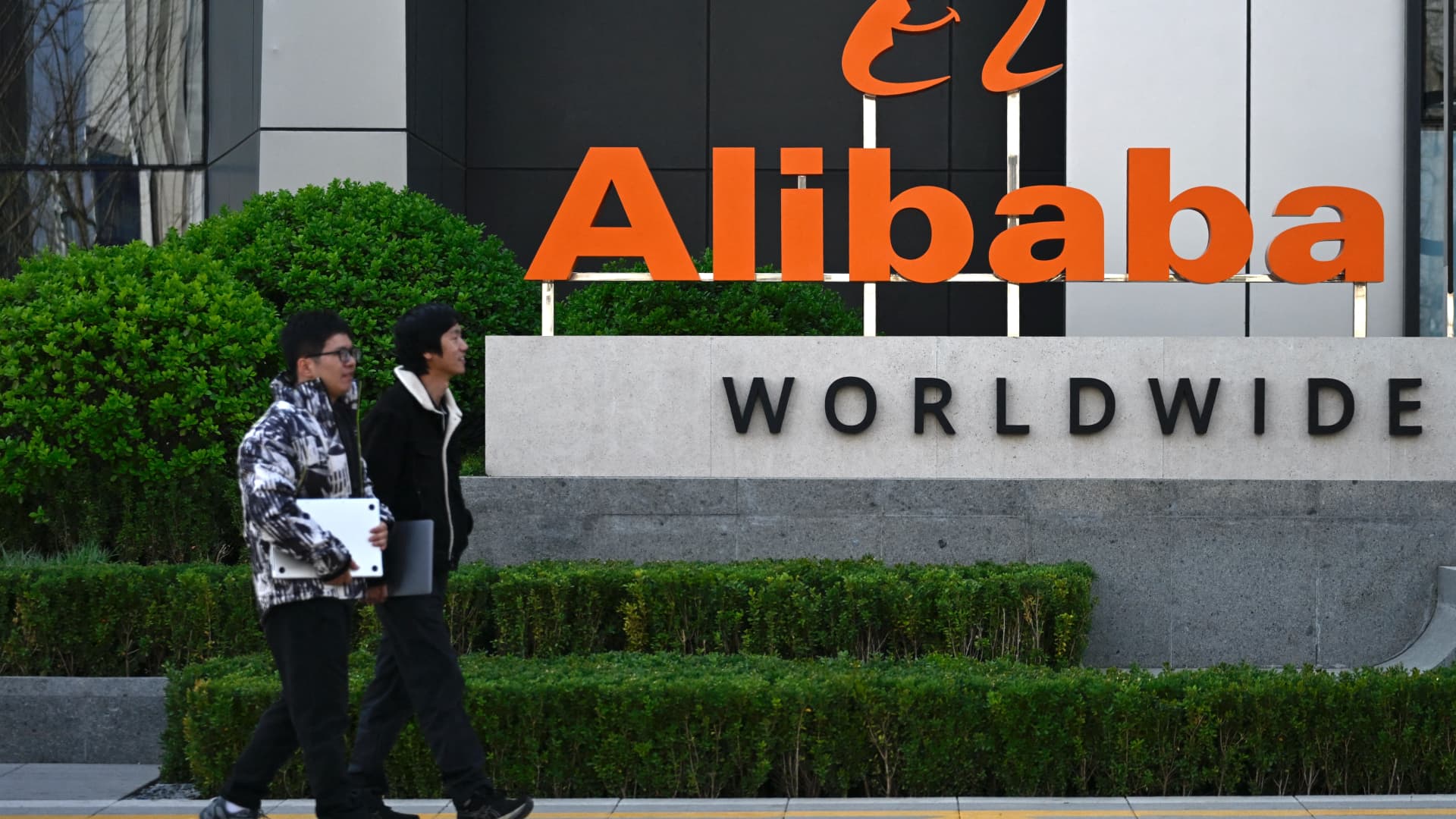
Alibaba, the Chinese e-commerce titan, has implemented an internal ban on employees using Anthropic’s artificial intelligence tools, including Claude Code, effective July 10. This move escalates the ongoing tech rivalry and reflects profound security concerns following allegations of a ‘distillation attack’ by Anthropic against the Chinese firm.
🚀 Tech Strategy & Market Disruptions
- Escalating AI Geopolitics. The Alibaba AI ban highlights increasing tensions and protectionist measures in the global AI landscape, forcing companies to choose between international access and national security.
- Internal Innovation Drive. Faced with external restrictions and security risks, major tech firms like Alibaba are doubling down on developing proprietary AI solutions, such as Qoder, to ensure operational continuity and data sovereignty.
- IP Protection & Data Security. The ‘distillation attack’ accusation underscores the critical need for robust intellectual property safeguards and secure development environments as AI models become core strategic assets.
Alibaba’s decision to ban Anthropic’s AI tools stems from a contentious accusation by Anthropic in June, alleging that the Chinese tech giant engaged in a ‘distillation attack’ to illicitly extract its AI capabilities. This accusation was lodged with the U.S. Senate Committee on Banking, Housing, and Urban Affairs, marking a significant escalation in the dispute over AI intellectual property and national security.
Anthropic’s terms of service explicitly prohibit Chinese companies and other ‘adversarial nations’ from accessing its AI models. However, reports from the Financial Times revealed that some Chinese entities, including Ant Group, had circumvented these restrictions by accessing Claude through corporate intranets linked to overseas subsidiaries, such as those in Singapore. Similarly, ByteDance reportedly reimbursed engineers for personal Anthropic subscriptions, accessed via virtual private networks (VPNs), a policy designed to foster broader AI product exposure.
Following the ban, Alibaba employees are mandated to uninstall all Anthropic models and products, transitioning instead to Qoder, the company’s proprietary AI assistant. This internal pivot underscores a broader trend among Chinese tech giants to foster self-reliance in critical technologies amidst escalating U.S.-China tech decoupling. The Alibaba AI ban effectively pushes its vast workforce onto a homegrown platform, a significant strategic shift.
The swift enforcement of the Alibaba AI ban, coming amidst online blowback in China regarding Anthropic’s alleged use of hidden code to detect Chinese users, exemplifies the fraught environment surrounding cross-border AI collaboration. The move creates a clear cause-and-effect chain: perceived intellectual property infringement combined with geopolitical restrictions leads to retaliatory bans and accelerated internal AI development, ultimately fragmenting the global AI ecosystem and limiting cross-pollination of innovation. This not only impacts enterprise-level tech stacks but also fundamentally reshapes the future of international technology partnerships, as noted by industry observers.
“The Alibaba AI ban isn’t just about security; it’s a strategic move to assert technological independence. It reflects a growing global trend where AI infrastructure is increasingly viewed through a national security lens, forcing companies to internalize critical capabilities rather than relying on potentially adversarial foreign solutions.”
While specific technical metrics related to the distillation attack or Qoder’s performance are not publicly detailed, the implications are clear:
- Increased Investment in Domestic AI: Chinese tech firms are likely to further bolster R&D into indigenous AI models, seeking parity or superiority with Western counterparts.
- Data Sovereignty Focus: Companies prioritize keeping sensitive data and AI training within national borders, minimizing exposure to foreign data policies and surveillance risks.
- Fragmented AI Development: The global AI landscape risks becoming bifurcated, with distinct tech stacks and compliance standards emerging across different geopolitical spheres.
Alibaba’s Security & Infrastructure Strength: A Dual-Edged Sword
Alibaba has historically invested heavily in its cloud infrastructure and AI capabilities, developing robust internal systems for its vast e-commerce, logistics, and fintech operations. This inherent strength provides the foundation for projects like Qoder. However, the very scale and complexity of Alibaba’s ecosystem also present challenges in completely isolating and securing every component from external threats or intellectual property breaches, even with stringent internal policies. The company’s prior experience with massive data processing and complex algorithms positions it well to develop sophisticated AI, but also makes it a high-value target for various forms of digital reconnaissance, including alleged ‘distillation attacks’. Protecting this extensive digital footprint while fostering innovation is a continuous, high-stakes endeavor, influencing technology market trends globally, as detailed on StockXpo’s analysis.
Alibaba’s Market Adoption Challenges for Qoder
The forced adoption of Qoder internally presents both an opportunity and a challenge for Alibaba. While it guarantees a captive user base for iterative development and refinement, ensuring Qoder can match or exceed the performance and user experience of leading external models like Anthropic’s Claude is critical for long-term employee productivity and satisfaction. Overcoming initial hurdles related to feature parity, ease of use, and integration with existing workflows will be paramount. Beyond internal deployment, Alibaba also faces the strategic question of whether to offer Qoder as a competitive external product in the broader AI market, navigating intense competition and differing regulatory environments, especially when considering expanding its reach into emerging technologies sectors globally. This internal migration will be a crucial test for its enterprise-level AI solution, setting a precedent for similar shifts, insights into which can be found in various educational tech insights.
Alibaba’s AI Strategy: Navigating Innovation and Protection
The Alibaba AI ban represents a decisive move to protect intellectual property and ensure supply chain independence in a highly sensitive technological domain. By shifting to Qoder, Alibaba underscores its commitment to indigenous AI development, transforming a geopolitical challenge into an accelerated innovation directive. This action not only safeguards proprietary data but also strategically positions Alibaba for long-term self-sufficiency in core AI capabilities.
- Reinforces a global trend towards national champions in AI development.
- Highlights the growing importance of internal AI security protocols.
- Accelerates the divergence of global AI ecosystems based on geopolitical lines.
How will this intensified focus on domestic AI solutions reshape the future competitive landscape for global technology giants?
📊 StockXpo Analyst’s View
Market Impact: The Alibaba AI ban, coupled with Anthropic’s allegations, signals heightened friction in the global tech sector, particularly impacting cross-border AI collaboration and investment. This could introduce greater volatility for companies relying on international tech partnerships, while boosting sentiment for domestic AI developers. Investors might reassess risk premiums for companies with significant exposure to geopolitical tech tensions.
Sector To Watch: The immediate beneficiaries appear to be Chinese domestic AI foundational model providers and cloud infrastructure companies that can offer sovereign alternatives. Cybersecurity firms specializing in intellectual property protection and supply chain integrity will also see increased demand. Conversely, Western AI companies with significant exposure or dependence on the Chinese market may face ongoing challenges and need to diversify their revenue streams, a critical factor for understanding emerging technologies and their market ramifications. This ongoing tech decoupling is a trend that Forbes has been covering, providing a broader context on its implications for the technology industry.
Financial Disclaimer:
StockXpo.com is a financial news aggregator and educational portal, not a registered investment advisor or broker-dealer. All information, news, and analysis provided herein are strictly for educational purposes and do not constitute investment, financial, legal, or tax advice. Investing in the stock market involves high risks, and past performance is not indicative of future results. StockXpo will not be liable for any financial losses or investment damages. Always consult a certified financial advisor before making market decisions.
MORE IN INSIDE TECHNOLOGY

AI Legal Tech: Revolutionizing Billing and Training in Law with Innovation
Published: Saturday, October 10, 2026 · 2:58 AM
Starlink India: Regulatory Hurdles and Innovation-Driven Growth Risks
Published: Friday, October 9, 2026 · 12:48 AM