
Published: Wednesday, July 1, 2026 · 9:34 AM | Updated: Wednesday, July 1, 2026 · 9:34 AM
📊 199 views




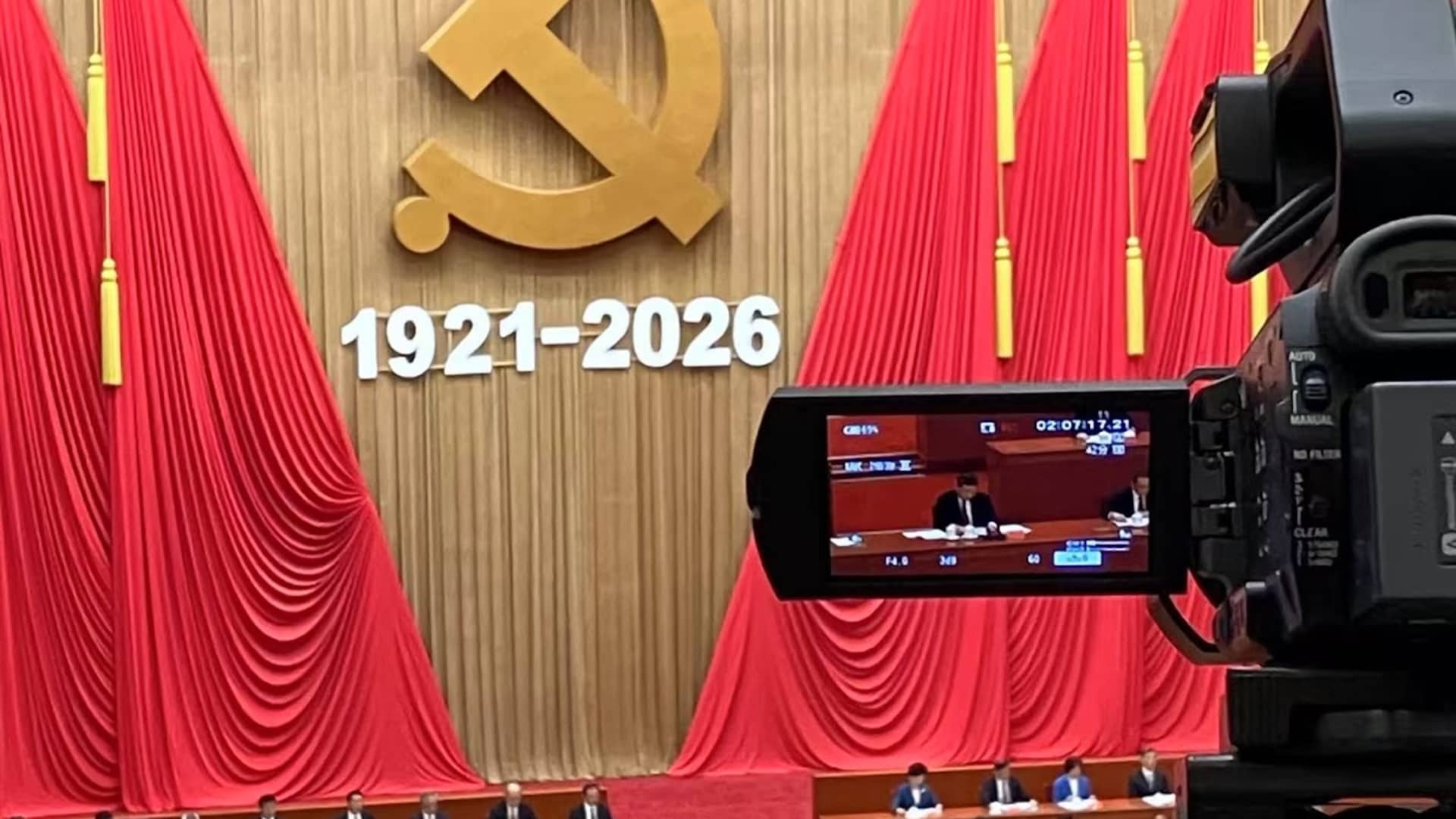
Chinese President Xi Jinping recently delivered a pivotal speech marking the 105th anniversary of the ruling China Communist Party (CCP), underscoring its expansive global influence rather than focusing solely on domestic narratives. This shift in rhetoric from ‘national rejuvenation’ to a more outward-looking stance highlights Beijing’s increasing assertiveness on the world stage, a development with significant implications for global markets and investment strategy.
💰 Financial Strategy & Market Insights
- Geopolitical Risk Reassessment. Investors must recalibrate risk models to account for heightened geopolitical tensions stemming from China’s assertive global posture, particularly concerning Taiwan.
- Supply Chain Diversification. Beijing’s emphasis on industrial prowess and self-reliance, coupled with ongoing trade tensions, reinforces the necessity for global corporations to diversify supply chains away from over-reliance on China.
- Strategic Sector Watch. Increased defense spending and national security rhetoric signal potential growth in China’s domestic defense and technology sectors, while foreign firms may face increased scrutiny or competitive pressure.
President Xi’s address, delivered in Beijing, cast the China Communist Party as a transformative force that has ‘deeply changed the trend and trajectory of the world’s development.’ This assertion, a departure from past domestically focused pronouncements, signals a strategic intent to project Beijing’s power and ideology more broadly. The CCP, described by Xi as ‘the world’s largest ruling party with significant global influence,’ is credited with China’s rise to the world’s second-largest economy, now accounting for approximately 28% of global manufactured goods despite persistent tariffs from the U.S. and EU.
The global economic landscape, which Xi characterized as entering ‘a new era of turbulence and transformation,’ necessitates a robust reassessment of international relations and security frameworks. The upcoming visit by President Xi to the U.S. in September, following President Trump’s earlier visit to Beijing, underscores the complex and often tense diplomatic dance between the world’s two largest economies. Despite these engagements, China’s commitment to strengthening its military capabilities remains steadfast, evidenced by a planned 7% increase in defense spending this year, marking the slowest rise since 2021 yet maintaining its position as the second-highest military spender globally, as reported by CNBC.
Key policy positions reinforced during the speech include unwavering opposition to ‘Taiwan independence’ and ‘external interference,’ alongside calls for greater integration of Hong Kong and Macau into China’s overall development. These statements are critical for investors to monitor, as they directly impact regional stability and could introduce unexpected market volatility.
- The CCP’s expanding global narrative suggests a proactive stance in shaping international norms, potentially challenging existing multilateral frameworks and increasing the complexity of global governance.
- Continued geopolitical friction, particularly concerning Taiwan, represents a major flashpoint that could disrupt global supply chains and lead to significant capital flight from sensitive regions.
- China’s sustained investment in its industrial base and military power, even amidst economic shifts, underscores a long-term strategic vision for national strength and international influence.
Assessing Risk and Reward in the Chinese Market
The evolving rhetoric from the China Communist Party presents a complex tableau of opportunities and hazards for global investors, demanding a nuanced approach to asset allocation and risk management.
- Upside Potential:
- Domestic Market Stability: Xi’s emphasis on long-term national goals could signal sustained policy support for strategic domestic industries, potentially offering stable growth for companies aligned with national priorities.
- Infrastructure and Tech Growth: Continued state-led investment in next-generation technology and critical infrastructure could create significant opportunities for innovation and industrial expansion.
- Regional Integration: Deeper integration of Hong Kong and Macau into the mainland’s development framework might unlock new synergistic business models and market access points.
- Downside Risks:
- Geopolitical Escalation: Firm stances on Taiwan, particularly, elevate the risk of regional conflict, which would severely impact global trade, supply chains, and investor confidence.
- Regulatory Uncertainty: The CCP’s centralized control means sudden policy shifts can dramatically alter market conditions, increasing regulatory risks for foreign and domestic businesses alike.
- Capital Controls and Data Security: Increased focus on national security could lead to tighter capital controls, restrictions on data flows, and enhanced scrutiny of foreign investments, complicating operations for international firms.
Expert Insight: Geopolitical Risk Premium Defined — In financial markets, a ‘geopolitical risk premium’ refers to the additional return investors demand for holding assets exposed to political instability or conflict. Xi’s latest remarks are likely to embed a higher premium in China-related assets, influencing everything from equity valuations to bond yields as market participants price in increased uncertainty.
China’s Economic and Military Footprint
Beijing’s strategic positioning is underpinned by substantial economic output and a robust defense apparatus, reflecting its aspiration for greater global leverage.
| Metric | Value / Status | Significance |
|---|---|---|
| Global Economic Rank | 2nd Largest Economy (since 2010) | Major global trade and investment partner, significant market size. |
| Global Manufacturing Share | ~28% of Goods Manufactured Globally | Indicates deep integration into global supply chains and industrial capacity. |
| Defense Spending Increase (2026) | 7% (Slowest since 2021) | Prioritizes military modernization and power projection despite slower growth rate. |
China’s Asset Valuation Landscape
The narrative emanating from the China Communist Party profoundly influences how global markets perceive and value Chinese assets. Xi’s outward-looking speech, signaling a more assertive geopolitical stance, can introduce a new layer of complexity to valuations, particularly for companies with significant international exposure or those operating in strategically sensitive sectors. Investors typically assess sovereign risk, regulatory stability, and the potential for trade disputes when valuing Chinese equities and debt. A heightened sense of national purpose, while potentially bolstering domestic confidence, might also increase the risk premium on foreign capital, affecting foreign direct investment flows and portfolio allocations. Understanding this dynamic is crucial for those engaged in international market analysis.
Emerging Market Sentiment Tracker
President Xi’s emphasis on China’s global influence reverberates across emerging markets, acting as a barometer for broader sentiment. As China increasingly positions itself as a leader in a ‘new era of turbulence and transformation,’ smaller emerging economies often look to Beijing for economic direction and political alignment. This speech, with its assertive tone on international relations and national security, could trigger a reassessment of risk appetite towards emerging markets heavily reliant on Chinese trade or investment. Shifts in China’s policy, from infrastructure initiatives to digital currency development, have a ripple effect, influencing capital flows and investor confidence in a wide array of developing nations. Monitoring how other emerging markets react to China’s evolving geopolitical posture provides key insights into global capital shifts.
The Ripple Effect of China Communist Party’s Global Posture on Markets
President Xi Jinping’s recent address, highlighting the China Communist Party’s expanding global influence and assertive stance, signifies a critical juncture for international finance. This shift from primarily domestic narratives to outward-looking declarations will reshape how investors perceive risk and opportunity in the world’s second-largest economy.
- Heightened geopolitical tensions around Taiwan and broader international relations will likely increase volatility in global equity and bond markets.
- Industries linked to defense, advanced manufacturing, and strategic technologies within China may see sustained government support and investment.
- Foreign companies operating in China could face renewed pressure to align with national priorities or navigate complex regulatory environments, impacting long-term profitability.
How will global capital flows adapt to Beijing’s increasingly assertive role on the international stage?
📊 StockXpo Analyst’s View
Market Impact: Xi’s speech injects a distinct geopolitical risk premium into global asset valuations, particularly for companies with significant exposure to the China market. Expect increased market liquidity shifts as investors de-risk from politically sensitive sectors and reallocate towards perceived safe havens or regions with less direct exposure to U.S.-China friction. This strategic reorientation suggests prolonged periods of market volatility and a need for agile risk management strategies among institutional investors and those looking for comprehensive market analysis.
Sector To Watch: Defense and cybersecurity sectors globally are poised for growth, not just in China but also in countries reacting to this evolving geopolitical landscape. Conversely, multinational corporations heavily reliant on cross-border trade with China, particularly in consumer goods and technology, may face headwinds from potential supply chain disruptions and escalating trade barriers, making a focus on the financial sector’s resilience crucial. Companies with diversified operations and a strong emphasis on educational financial insights will be better positioned to navigate these complex dynamics, especially as global interest in topics like the ‘new era of turbulence’ grows, as highlighted by sources like Reuters and Bloomberg Markets.
Financial Disclaimer:
StockXpo.com is a financial news aggregator and educational portal, not a registered investment advisor or broker-dealer. All information, news, and analysis provided herein are strictly for educational purposes and do not constitute investment, financial, legal, or tax advice. Investing in the stock market involves high risks, and past performance is not indicative of future results. StockXpo will not be liable for any financial losses or investment damages. Always consult a certified financial advisor before making market decisions.
MORE IN INSIDE FINANCE

Crypto Cyberattacks: $3.63 Billion Volatility in Digital Assets
Published: Tuesday, September 8, 2026 · 5:16 AM
China Capital Injection: $54 Billion Boost Fails to Stem Stock Declines
Published: Monday, September 7, 2026 · 9:39 PM


