
Published: Monday, June 29, 2026 · 8:46 PM | Updated: Monday, June 29, 2026 · 8:46 PM
📊 286 views




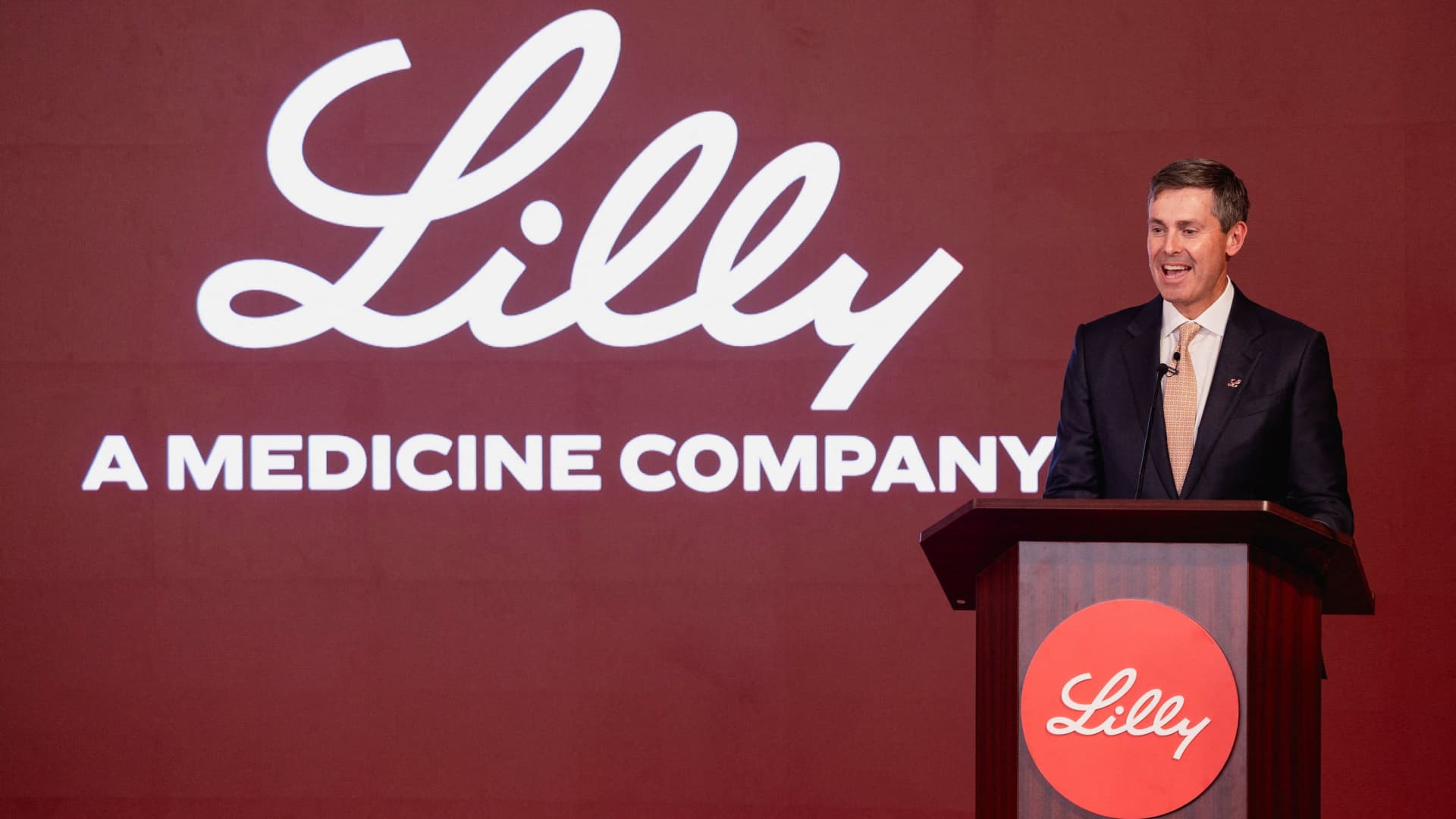
Eli Lilly and Regeneron are at the forefront of a new FDA initiative designed to dramatically accelerate the review and approval process for domestic pharmaceutical manufacturing facilities. This pivotal program signals a strategic shift towards strengthening the U.S. drug supply chain, significantly reducing time-to-market for critical therapies, and bolstering the operational efficiency of leading biopharmaceutical firms, a key factor in overall investment analysis.
🗝️ Corporate Strategy Insights
- Expedited Facility Approvals. The FDA’s PreCheck pilot program slashes up to 14 months off the approval timeline for new manufacturing sites by allowing concurrent reviews during construction.
- Strategic Domestic Production. This initiative prioritizes facilities producing drugs that address market supply gaps or unmet medical needs, reinforcing U.S. pharmaceutical independence and access to vital medicines.
- Operational Efficiency Boost. Companies like Eli Lilly and Regeneron gain a significant competitive advantage through early regulatory guidance and expedited inspections, enabling faster scaling of production for high-demand therapies.
The U.S. Food and Drug Administration’s groundbreaking PreCheck pilot program marks a significant regulatory evolution, directly impacting the operational strategies and market positioning of select pharmaceutical giants and innovative biotechs. Eli Lilly and Regeneron, two industry heavyweights, are among the initial seven companies chosen for this exclusive program, which is specifically designed to accelerate the review of new domestic pharmaceutical manufacturing facilities. This FDA initiative allows regulators to begin scrutinizing new sites while they are still under construction, identifying and rectifying potential issues early. The FDA estimates this proactive approach could shave up to 14 months off the traditional approval timeline, a substantial acceleration for companies investing billions in new production capabilities. According to recent reports from leading business news outlets, the pharmaceutical industry has been keenly anticipating such regulatory streamlining efforts for years.
This collaborative model with the FDA is a boon for companies like Eli Lilly, which has seen unprecedented demand for its GLP-1 medications. Their selected Lebanon, Indiana facility, set to produce the main ingredients for these blockbuster drugs, will benefit directly from streamlined regulatory oversight. Similarly, Regeneron’s $2 billion Saratoga Springs, New York site, dedicated to biologic drug substance and sterile injectables, gains a distinct advantage. Such early engagement with regulators not only de-risks massive capital investments but also potentially brings life-saving therapies to patients faster, addressing critical market needs. The program’s criteria emphasize facilities capable of alleviating supply gaps or improving access to therapies for unmet medical needs, underscoring a national strategic priority.
The diverse cohort of initial participants, ranging from the world’s most valuable healthcare company (Eli Lilly) to specialized biotechs like Cellares and Kriya Therapeutics, highlights the broad applicability and strategic intent of the PreCheck program. Many of these facilities are geared towards complex biologic drugs and genetic medicines, which require more sophisticated manufacturing processes than traditional small-molecule pills. Contract manufacturers, such as Fujifilm Biotechnologies, which opened its Holly Springs, North Carolina site last year and already produces monoclonal antibodies for clients like Regeneron and Johnson & Johnson, also stand to benefit. The program’s two components—facility readiness with technical guidance and application submission with expedited feedback and inspections—are engineered to foster operational excellence from the ground up.
- This regulatory foresight allows companies to embed compliance and efficiency into their manufacturing blueprints, rather than retrofitting after construction, promising a significant uplift in overall operational speed.
The FDA’s PreCheck initiative creates a potent strategic ripple effect across the pharmaceutical landscape. For participating companies, particularly Eli Lilly and Regeneron, the expedited facility approvals translate directly into faster capacity expansion. This rapid scale-up for high-demand products like Lilly’s GLP-1 drugs or Regeneron’s biologics means quicker market penetration and the ability to capture larger market shares more swiftly. Competitors without similar regulatory fast-tracking will face increased pressure, potentially struggling to match the speed and volume of drug production. This program essentially lowers the operational friction associated with bringing complex new manufacturing online, enhancing the competitive moat for those included. The increased domestic production also positions these companies to better mitigate global supply chain disruptions, a critical advantage in an uncertain geopolitical environment.
‘This FDA initiative isn’t merely an administrative tweak; it’s a strategic accelerator that fundamentally alters the economics of pharmaceutical manufacturing, rewarding proactive capital allocation and reinforcing the competitive dominance of early adopters.’ — StockXpo Senior Analyst
The immediate impact of the PreCheck program can be observed through several key operational indicators for participating companies:
- Time-to-Market Reduction: A projected decrease of up to 14 months for facility approval significantly shortens the lead time from capital expenditure to revenue generation.
- Capital Efficiency: Reduced delays minimize holding costs for unfinished facilities and enable earlier returns on multi-billion dollar investments.
- Supply Chain Resilience: Increased domestic manufacturing capacity mitigates risks associated with international supply chain vulnerabilities, enhancing national drug security.
- Regulatory Collaboration: Early technical guidance and feedback from the FDA reduce the likelihood of costly regulatory setbacks post-construction.
This sentiment is echoed in analyses frequently published by major market intelligence providers, underscoring the broader industry recognition of these benefits.
Eli Lilly’s Strategic Manufacturing Playbook
Eli Lilly’s participation in the FDA PreCheck program underscores its aggressive growth strategy, particularly in high-demand therapeutic areas like GLP-1 agonists. By fast-tracking its Lebanon, Indiana, facility, which is central to producing key ingredients for its diabetes and weight-loss drugs, Lilly is securing its supply chain dominance. This move is not just about expanding capacity; it’s about cementing its market leadership by ensuring rapid, scalable production in a segment experiencing explosive corporate growth. For deeper insights into company strategy, StockXpo offers comprehensive analysis. The early regulatory engagement minimizes execution risk on a multi-billion dollar investment, allowing Lilly to focus on product innovation and commercialization without protracted manufacturing delays. This strategic foresightedness in capital allocation aligns directly with maintaining a formidable competitive moat in a highly lucrative market.
Regeneron’s Biologics Manufacturing Edge
Regeneron’s inclusion in the PreCheck program highlights its unwavering commitment to domestic biologics manufacturing, a critical differentiator in the biopharmaceutical industry. The company’s $2 billion Saratoga Springs facility is designed to produce complex biologic drug substances and sterile injectables, an area where manufacturing expertise and scale are paramount. By leveraging the FDA’s expedited review, Regeneron strengthens its operational foundation, ensuring it can bring its pipeline of protein therapeutics to market with greater agility. This proactive engagement with regulators reinforces its reputation for quality and efficiency, crucial for maintaining long-term competitive advantages and attracting top talent in advanced manufacturing. Investing heavily in state-of-the-art domestic facilities also provides a buffer against geopolitical or logistical disruptions often associated with international supply chains, contributing to robust corporate growth strategies.
The FDA Initiative: Reshaping Pharma’s Operational Landscape
The FDA’s PreCheck pilot program is set to be a transformative force for pharmaceutical manufacturing in the U.S., offering a significant competitive edge to its initial participants. By reducing review times by over a year and fostering unprecedented regulatory collaboration, this initiative directly supports faster market access for critical therapies and strengthens domestic production capabilities. This strategic move benefits not only the companies involved but also enhances national health security and innovation capacity.
- Accelerated Market Access: Participating companies gain a substantial advantage in bringing new drugs and expanded production capacity to market.
- De-risked Investments: Early FDA guidance minimizes regulatory hurdles and financial risks associated with large-scale manufacturing investments.
- Enhanced Domestic Resilience: The program supports a stronger, more resilient U.S. pharmaceutical supply chain, particularly for complex biologics and gene therapies.
Will this expedited review model become the new industry standard, compelling more companies to localize and modernize their manufacturing efforts? For further educational insights into pharmaceutical regulatory processes, our blog provides detailed analyses.
📊 StockXpo Analyst’s View
Market Impact: This FDA initiative is a clear positive for the pharmaceutical sector, especially for established players with robust pipelines and significant capital expenditure plans. It signals a governmental commitment to supporting domestic drug production, which can lead to increased investor confidence in companies making these strategic investments. Expect an uptick in valuations for firms demonstrating superior operational efficiency and strong regulatory partnerships.
Sector To Watch: The Biologics and Advanced Therapies sector is poised for substantial gains. Given that many initial participants are focusing on complex genetic medicines and monoclonal antibodies, this niche will likely see accelerated growth, attracting further investment and innovation as regulatory bottlenecks ease.
Financial Disclaimer:
StockXpo.com is a financial news aggregator and educational portal, not a registered investment advisor or broker-dealer. All information, news, and analysis provided herein are strictly for educational purposes and do not constitute investment, financial, legal, or tax advice. Investing in the stock market involves high risks, and past performance is not indicative of future results. StockXpo will not be liable for any financial losses or investment damages. Always consult a certified financial advisor before making market decisions.
MORE IN INSIDE BUSINESS
Wonder’s Ambitious Strategy: Texas Expansion, Automation, and an IPO Path
Published: Sunday, October 25, 2026 · 9:32 AM

Young Airplane Scrapping: A $17 Million Engine Crisis Reshaping Aviation
Published: Saturday, October 24, 2026 · 8:26 AM


