Published: Saturday, June 27, 2026 · 9:54 PM | Updated: Saturday, June 27, 2026 · 9:54 PM
📊 211 views




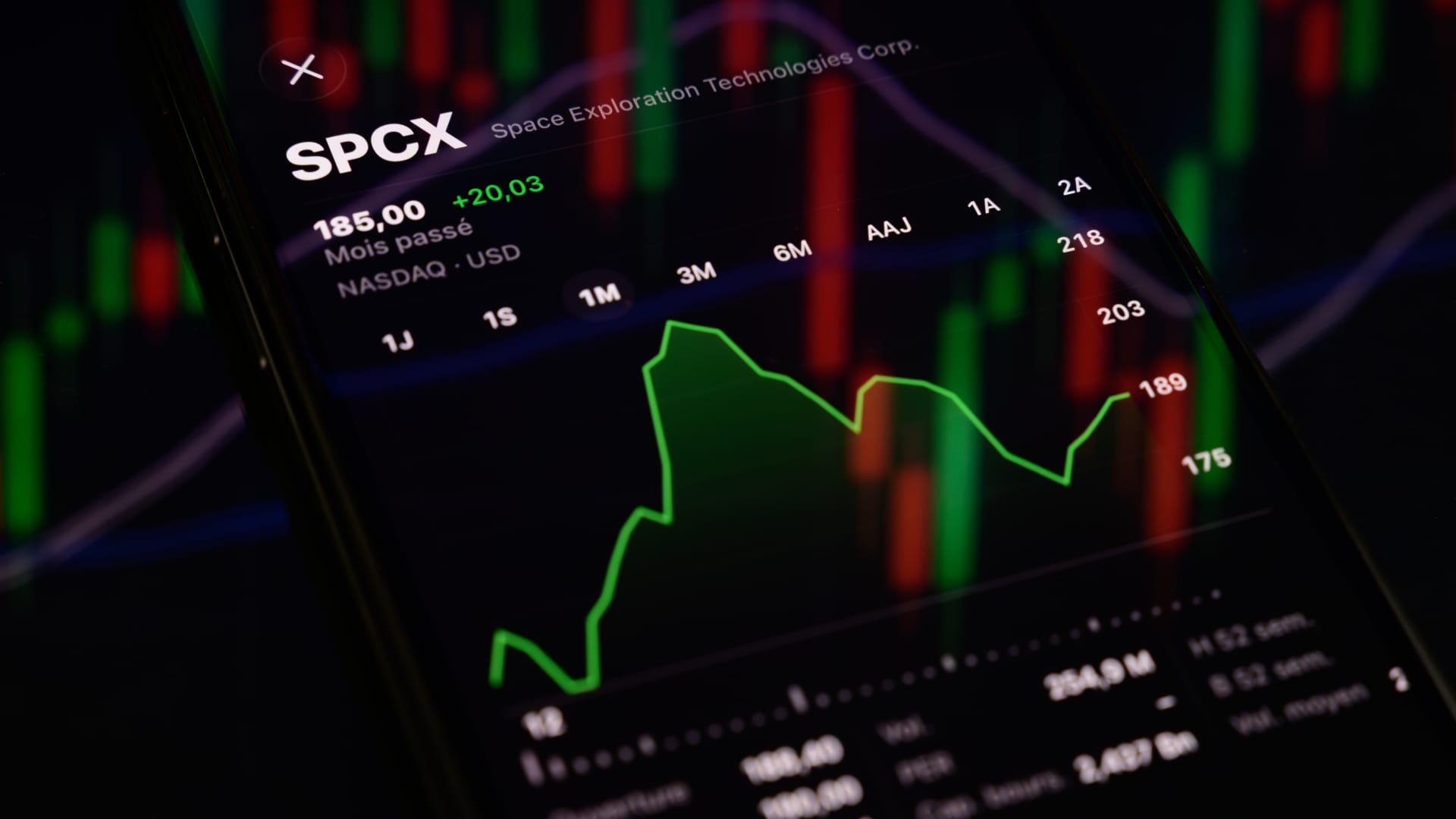
SpaceX (SPCX) is poised for a rapid entry into the prestigious Nasdaq-100 index, a move set to trigger a substantial wave of buying from passive investment vehicles. This fast-tracked SpaceX Nasdaq-100 Inclusion signals a significant capital shift and rebalancing demand across the technology-heavy benchmark, mere weeks after the aerospace giant’s public debut.
💰 Financial Strategy & Market Insights
- Fast-Tracked Entry Unprecedented. Nasdaq’s new framework permits SpaceX to join the Nasdaq-100 rapidly, shortening the historical waiting period and immediately impacting index-tracking funds.
- Massive Passive Capital Inflow. Over $800 billion in assets benchmarked to the Nasdaq-100, including the popular Invesco QQQ Trust (QQQ), will necessitate buying SpaceX shares, creating an artificial demand surge.
- Asset Valuation Implications. The forced buying from index funds, especially given SpaceX’s relatively small public float, could artificially inflate short-term asset valuation, requiring careful risk management by active investors.
Nasdaq officially announced after Friday’s market close that SpaceX qualifies for inclusion in its benchmark technology index, leveraging its recently adopted fast-track framework. This new rule allows large IPOs to become eligible after only 15 trading days, a dramatic departure from prior, lengthier waiting periods. Consequently, index-tracking funds and various product sponsors are slated to begin purchasing shares after the market closes on July 6, with SpaceX officially commencing trading as a Nasdaq-100 component on July 7.
The implications for market liquidity are substantial. With more than $800 billion tracking the Nasdaq-100, including the highly liquid Invesco QQQ Trust (QQQ), a significant rebalancing event is imminent. Although SpaceX is expected to enter the index with a weighting of less than 1%, its publicly tradable float remains comparatively small relative to its total market capitalization. This structural imbalance implies that even a modest index weighting will mandate considerable purchases from passive investment vehicles, thereby creating a distinct and potentially influential demand shock. Unlike Nasdaq, S&P Dow Jones Indices earlier this month declined to implement a similar fast-track mechanism for the S&P 500, citing its distinct profitability and seasoning requirements, which continue to render SpaceX ineligible for that benchmark.
This rapid integration positions SpaceX as a focal point for both passive and active managers. Passive funds are obligated to adjust their portfolios to mirror the new index composition, while active managers closely tracking the index will likely make parallel adjustments. This dynamic is a critical aspect for broader market analysis and understanding the evolving landscape of capital shifts.
- Passive funds tracking the Nasdaq-100, including the Invesco QQQ Trust (QQQ), manage over $800 billion in assets, creating substantial mandatory buying pressure for SpaceX shares.
- SpaceX’s limited public float relative to its overall market capitalization means even a small index weighting will necessitate significant purchases from these passive vehicles.
Assessing Risk and Reward in Post-Inclusion Trading
The fast-tracked SpaceX Nasdaq-100 Inclusion presents a nuanced risk-reward profile for investors, balancing immediate demand against long-term valuation fundamentals. Navigating this period requires a keen understanding of both forced buying dynamics and underlying company health.
- Upside Potential:
- Increased Liquidity: Inclusion will significantly boost the daily trading volume and overall market liquidity for SpaceX shares.
- Enhanced Investor Visibility: Being part of a major index raises SpaceX’s profile among a broader base of institutional and retail investors.
- Initial Price Appreciation: The mandatory buying from index funds could drive short-term price increases as funds rebalance their portfolios.
- Downside Risks:
- Post-Rebalancing Volatility: Once the initial buying surge subsides, the stock could experience heightened volatility or even a pullback if fundamentals don’t support the increased valuation.
- Valuation Disconnect: Forced buying may push the stock’s price beyond its intrinsic value, creating an overvalued asset that is susceptible to corrections.
- Execution Risk: Despite its innovation, SpaceX still faces operational and competitive risks inherent in the aerospace sector, which could impact its long-term performance.
Expert Insight: Passive investment vehicles, such as index funds and ETFs, are designed to mirror the performance of a specific market index. Their buying decisions are dictated by the index’s composition rather than fundamental analysis of individual stocks, which can lead to temporary distortions in asset valuation upon significant rebalancing events.
Key financial metrics pertaining to this rebalancing event include:
- Nasdaq-100 Assets Under Management (AUM): Over $800 billion.
- SpaceX Estimated Index Weighting: Less than 1%.
- Fast-Track Eligibility Period: 15 trading days post-IPO.
- Official Nasdaq-100 Entry Date: Before trading begins on July 7.
Understanding SpaceX Liquidity Dynamics
The forthcoming SpaceX Nasdaq-100 Inclusion will profoundly impact its liquidity profile. Prior to inclusion, a newly listed company’s stock often trades on its individual merits, demand, and news flow. However, once integrated into a major index like the Nasdaq-100, a significant portion of its trading volume becomes algorithmically driven by index funds and ETFs. This shift translates to guaranteed demand during rebalancing periods but also means the stock’s movements can be influenced by broader index-level inflows and outflows, rather than purely company-specific news. Given SpaceX’s relatively tight public float, even modest index-driven buying can have outsized effects on price, compressing spreads and potentially increasing short-term volatility. This new liquidity dynamic will be closely watched by those engaged in deep broader market analysis.
Tracking SpaceX Market Sentiment
Market sentiment around SpaceX is currently riding high following its blockbuster IPO and now the swift Nasdaq-100 entry. This positive sentiment, driven by Elon Musk’s brand and the company’s innovative aerospace ventures, is likely to be amplified by the forced buying from passive funds. However, discerning true investor sentiment from artificial demand will be crucial. Active investors will be monitoring post-inclusion trading patterns for signs of whether the price surge is fundamentally backed or merely a product of index rebalancing. The long-term market sentiment will hinge on continued execution, profitability metrics (which preclude S&P 500 entry for now), and the company’s ability to capitalize on its significant market positioning within the financial sector trends. Analysts, as reported by Reuters, are already adjusting models to account for these unique market dynamics.
SpaceX Nasdaq-100 Inclusion: A Market Rebalancing Catalyst
SpaceX’s swift entry into the Nasdaq-100 is not merely an administrative change; it represents a significant market rebalancing catalyst that will reshape capital allocation within the tech-heavy index. This development ensures substantial, albeit forced, capital inflows into SpaceX shares, potentially re-rating its asset valuation and influencing overall market liquidity for a company pivotal to modern space exploration.
- The rapid inclusion highlights Nasdaq’s adaptability in integrating high-growth, newly public entities.
- The anticipated $800 billion-plus in passive capital flow will test SpaceX’s liquidity and short-term price stability.
- Active investors must differentiate between organic demand and index-driven buying to assess true valuation.
How will this mandated capital shift impact SpaceX’s long-term strategic trajectory and the broader investment landscape?
📊 StockXpo Analyst’s View
Market Impact: The immediate impact will be a surge in demand for SpaceX shares from passive funds, leading to increased liquidity and potential short-term price appreciation. This event underscores the growing influence of index-tracking investments on individual asset valuations and overall market rebalancing, a topic of frequent discussion in our deep financial insights. Investors should prepare for heightened volatility as the market digests these significant capital shifts, which could also be observed in other high-growth tech stocks as reported by Bloomberg market data.
Sector To Watch: The aerospace and satellite communications sectors will gain heightened visibility due to SpaceX’s prominent index position. Furthermore, the passive investment sector, particularly large-cap tech ETFs like QQQ, will be closely watched for how effectively they manage this rapid rebalancing and subsequent liquidity dynamics. This also sets a precedent for how future high-profile IPOs might be fast-tracked into major indices.
Financial Disclaimer:
StockXpo.com is a financial news aggregator and educational portal, not a registered investment advisor or broker-dealer. All information, news, and analysis provided herein are strictly for educational purposes and do not constitute investment, financial, legal, or tax advice. Investing in the stock market involves high risks, and past performance is not indicative of future results. StockXpo will not be liable for any financial losses or investment damages. Always consult a certified financial advisor before making market decisions.
MORE IN INSIDE FINANCE

Humanoid Robots Drive New Capital Shifts for China’s EV Giants
Published: Wednesday, September 9, 2026 · 1:26 AM

Crypto Cyberattacks: $3.63 Billion Volatility in Digital Assets
Published: Tuesday, September 8, 2026 · 5:16 AM