Published: Tuesday, June 23, 2026 · 11:05 PM | Updated: Tuesday, June 23, 2026 · 11:05 PM
📊 263 views




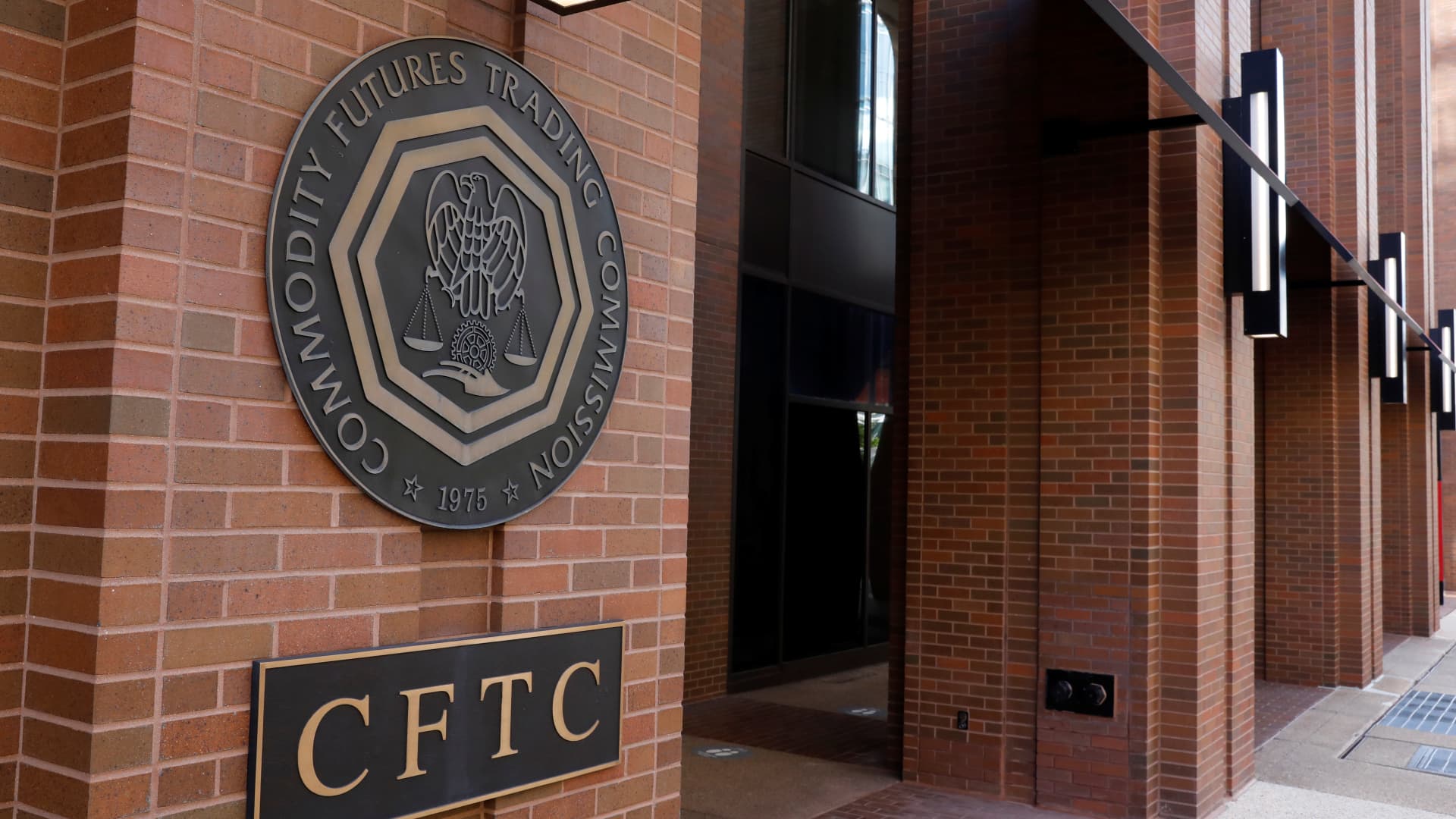
The Commodity Futures Trading Commission (CFTC) has escalated its jurisdictional battle over prediction markets, filing a lawsuit against Kentucky. This marks a significant development as Kentucky becomes the first ‘red state’ to face federal action in a dispute that pits state regulatory authority against federal oversight in the evolving landscape of event contracts.
💰 Financial Strategy & Market Insights
- Jurisdictional Clash Intensifies. The CFTC’s lawsuit against Kentucky underscores a deepening federal-state conflict over the regulation of prediction markets, creating regulatory uncertainty for platform operators.
- Asset Classification Debate. The core of the dispute revolves around whether event contracts on platforms like Kalshi and Polymarket are ‘swaps’ under CFTC jurisdiction or ‘illegal gambling’ subject to state laws, impacting their future operating models and valuations.
- Market Expansion Hurdles. This legal challenge, involving 20 states in total, could significantly hinder the national expansion and mainstream adoption of prediction markets, affecting capital inflows and investment opportunities in this niche sector.
The Commodity Futures Trading Commission (CFTC) has taken an unprecedented step, suing the state of Kentucky to defend its claim of exclusive federal jurisdiction over prediction markets. This move comes after Kentucky’s Attorney General, Russell Coleman, filed lawsuits against prominent platforms Kalshi and Polymarket, asserting they operate as illegal gambling enterprises within the state. The legal skirmish highlights a growing tension between federal regulators seeking to categorize these event contracts as swaps under their purview and states arguing for local control, often likening them to sports betting.
CFTC Chair Michael Selig has consistently maintained the agency’s commitment to protecting its regulatory interests, stating in a press release that the lawsuit against Kentucky is ‘yet another example of the Commission protecting its federal interests.’ This marks the ninth state the CFTC has sued, but notably, Kentucky is the first with a Republican attorney general, adding a new political dimension to the ongoing regulatory battle. The legal actions follow a broader trend, with 20 states actively challenging these platforms, and one state even moving to ban them outright, as noted by latest market insights.
The fundamental disagreement centers on classification. While states like Kentucky view these platforms’ sports-related event contracts as akin to sports betting, thus falling under state regulation, the CFTC classifies them as swaps, thereby placing them under federal oversight. Kentucky Attorney General Coleman was quoted asserting, ‘Kalshi and Polymarket are operating illegal sportsbooks in Kentucky and breaking our laws,’ dismissing the companies’ legal arguments as ‘legal fictions.’ This conflict introduces considerable regulatory risk for companies operating in the prediction markets space, impacting their perceived asset valuation and long-term viability, a trend also observed across global market trends.
Key aspects of the federal-state conflict include:
- Jurisdictional Authority: The CFTC contends its 2019 ‘No-Action Letter’ for event contracts grants it sole authority, while states argue traditional gambling laws apply.
- Definition of Swaps: The CFTC’s interpretation of event contracts as ‘swaps’ is critical for their regulatory framework, a definition many states dispute.
- State Revenue Interests: Many states view sports betting and similar activities as potential revenue sources, fueling their push for local regulation.
This regulatory uncertainty could significantly influence investor confidence and capital allocation towards these emerging platforms. For market participants, understanding this complex legal terrain is crucial for assessing potential investment trends and managing risks associated with the nascent prediction market industry.
Navigating the Volatility in Event Contracts
- Upside Potential:
- Regulatory Clarity (Long-Term): A definitive federal ruling in favor of the CFTC could establish a uniform regulatory framework, fostering stability and encouraging broader institutional and retail investment in legitimate prediction markets.
- Innovation Growth: Reduced state-by-state litigation could free up operational resources for platforms like Kalshi and Polymarket, accelerating product development and market expansion.
- Enhanced Liquidity: Federal oversight might attract more participants, potentially deepening market liquidity and efficiency for event contracts, leading to more robust pricing.
- Downside Risks:
- Prolonged Litigation: A protracted legal battle could drain resources from platforms and the CFTC, creating prolonged uncertainty that deters new investment and stifles growth.
- Fragmented Regulation: If states successfully assert their jurisdiction, prediction markets could face a patchwork of inconsistent regulations across the U.S., severely limiting national scalability and increasing compliance costs.
- Reputational Damage: Ongoing legal disputes and ‘illegal gambling’ accusations could harm the public perception and brand equity of prediction market platforms, impacting user acquisition and retention.
- Capital Flight: Investor caution stemming from regulatory ambiguity could lead to a slowdown or reversal of capital inflows, hindering the ability of these nascent markets to attract necessary funding.
‘The classification of event contracts as either ‘swaps’ or ‘gambling’ is not merely semantic; it fundamentally dictates the regulatory body, compliance burden, and ultimately, the market’s addressable size and investor base. For capital markets, this jurisdictional clarity, or lack thereof, directly influences asset valuation and risk premium for anything connected to these nascent prediction markets.’
Key Regulatory Battlefronts
- Number of States Sued by CFTC: 9 (Kentucky is the latest).
- Total States Litigating Against Platforms: 20.
- First ‘Red State’ Sued by CFTC: Kentucky (Attorney General Russell Coleman is Republican).
- Platforms Directly Sued by Kentucky: Kalshi and Polymarket.
Prediction Market Liquidity Analysis: Navigating Regulatory Currents
The ongoing legal battles surrounding prediction markets introduce significant headwinds for liquidity. Currently, these markets, while growing, remain relatively nascent compared to traditional financial instruments. Regulatory uncertainty, such as the federal-state dispute, tends to make institutional investors hesitant, limiting large-scale capital deployment. This hesitation can lead to thinner order books and wider bid-ask spreads, making it more challenging for participants to enter or exit positions without impacting prices. Should a clear, favorable regulatory framework emerge, potentially under unified federal oversight, we could see a substantial influx of capital, boosting market depth and efficiency. Conversely, a fragmented regulatory landscape would likely suppress liquidity, confining these markets to niche participants and smaller transaction volumes. Analyzing these market analysis opportunities helps identify potential market analysis for investors seeking diversification.
Prediction Market Sentiment Tracker: Investor Confidence Under Scrutiny
Investor sentiment in the prediction markets sector is currently bifurcated, reflecting the uncertainty of its regulatory future. On one hand, proponents see these platforms as innovative tools for forecasting events, offering unique hedging and speculative opportunities, attracting a segment of forward-thinking investors. On the other, the specter of ‘illegal gambling’ accusations and potential state-level bans creates a significant drag on broader investor confidence. The CFTC’s aggressive stance against states, as evidenced by the Kentucky lawsuit, attempts to project federal authority, which could be seen as a positive for long-term legitimacy. However, the sheer number of states in opposition suggests a prolonged fight, keeping sentiment cautious. Monitoring news flow, legal developments, and capital shifts will be critical for assessing the evolving risk appetite in this space. For insights into market dynamics, observing global financial sector developments is key.
The Ripple Effect of Prediction Markets’ Jurisdictional Clash
The escalating legal feud over prediction markets marks a pivotal moment for this innovative yet contentious corner of the financial landscape. The outcome of the CFTC’s suit against Kentucky, and similar cases, will not only define the regulatory future for platforms like Kalshi and Polymarket but also establish critical precedents for new financial instruments operating at the intersection of technology and traditional finance.
- A clear federal victory could pave the way for standardized national regulation, potentially unlocking significant institutional investment.
- Conversely, state victories could lead to a fragmented market, stifling innovation and limiting market scalability.
- Investors should closely monitor court rulings as they will directly influence asset valuation and risk exposure in this sector.
How will this jurisdictional tug-of-war ultimately reshape the investment landscape for next-generation financial tools?
📊 StockXpo Analyst’s View
Market Impact: This intensifying regulatory battle introduces significant uncertainty, likely impacting capital liquidity within the prediction market space. While a definitive federal win could eventually de-risk the sector for institutional investors, the current litigation barrage will likely keep smart money on the sidelines, waiting for clearer regulatory signals. This could lead to suppressed valuations for private entities in this niche.
Sector To Watch: Beyond the prediction market operators themselves, traditional derivatives exchanges and fintech firms exploring similar event-driven products should watch this closely. The legal interpretation of ‘swaps’ versus ‘gambling’ will have broader implications for how innovative financial tools are classified and regulated across the broader financial services industry, influencing future product offerings and risk models. For further educational financial insights, our blog provides diverse perspectives.
Financial Disclaimer:
StockXpo.com is a financial news aggregator and educational portal, not a registered investment advisor or broker-dealer. All information, news, and analysis provided herein are strictly for educational purposes and do not constitute investment, financial, legal, or tax advice. Investing in the stock market involves high risks, and past performance is not indicative of future results. StockXpo will not be liable for any financial losses or investment damages. Always consult a certified financial advisor before making market decisions.
MORE IN INSIDE FINANCE

Brazilian Stocks Jump: Political Shift Ignites Market Volatility
Published: Monday, October 5, 2026 · 1:50 PM

Sports Betting Volatility: Gen Z’s Risky Financial Shift
Published: Sunday, October 4, 2026 · 10:11 AM