Published: Monday, June 22, 2026 · 10:25 PM | Updated: Monday, June 22, 2026 · 10:25 PM
📊 250 views




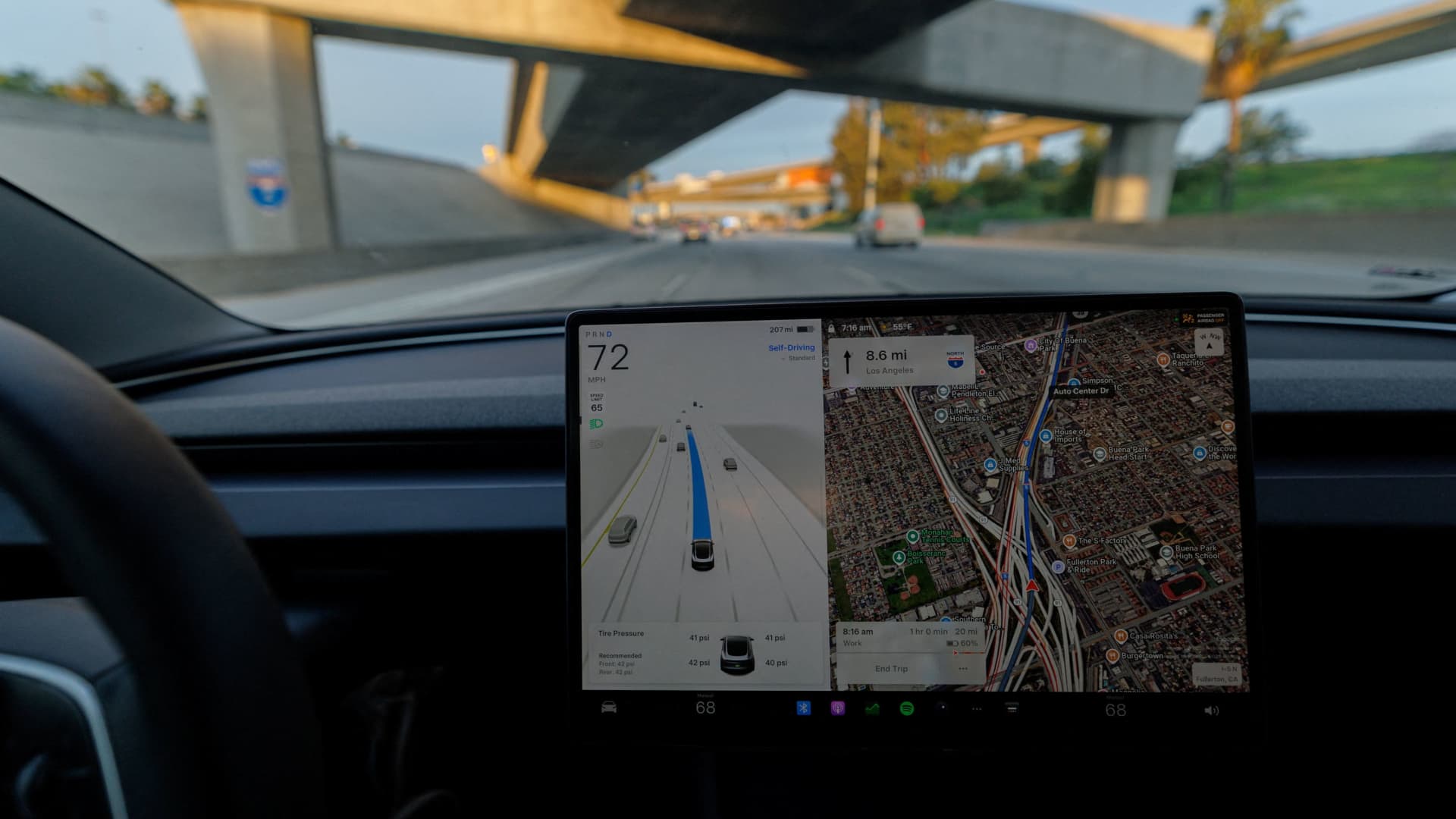
The National Highway Traffic Safety Administration (NHTSA) has initiated a special crash investigation into a fatal Tesla Model 3 incident in Katy, Texas, marking another critical juncture for the company’s autonomous driving ambitions. This Tesla federal probe, following a crash that killed 76-year-old Martha Avila, intensifies scrutiny on the safety and reliability of partially automated driving systems, particularly Tesla’s Full Self-Driving (FSD) and Autopilot features.
🚀 Tech Strategy & Market Disruptions
- Regulatory Headwinds. Increased federal investigations pose significant operational and reputational risks for Tesla, potentially delaying robotaxi rollout and impacting market confidence in ADAS technologies.
- Software Liability Debates. The dispute between driver claims of ADAS use and Tesla’s assertion of driver override highlights the complex legal and ethical challenges in defining liability for autonomous vehicle incidents, influencing future software development.
- Data Transparency Imperative. Tesla’s historical difficulties in providing comprehensive collision data is intensifying calls for greater transparency, which could lead to stricter industry-wide data logging and sharing standards for advanced driver assistance systems.
Harris County authorities reported that the driver, Michael Butler, claimed to be using Tesla’s partially automated driving systems when his vehicle veered into the home. This account directly contradicts statements from Tesla CEO Elon Musk and Autopilot Vice President Ashok Elluswamy, who asserted the driver manually overrode the system, pressing the accelerator to 100% and reaching 73 mph. The conflicting narratives underscore the immense challenges in attributing fault and understanding the precise operational state of advanced driver-assistance systems (ADAS) during critical incidents. Such high-profile investigations inevitably fuel broader public debate and regulatory pressure concerning the deployment of emerging technologies in mobility. For investors, these developments can directly influence stock valuations and perceived innovation leadership within the sector.
The unfolding situation creates a significant disruption flow: a severe incident triggers a federal probe, which then spotlights existing regulatory challenges and data transparency issues. This, in turn, may lead to stricter oversight or mandated changes in ADAS design and marketing, potentially altering Tesla’s roadmap for its much-anticipated robotaxi fleets. The company has faced prior scrutiny for its marketing of ‘Autopilot’ and ‘FSD (Supervised)’ under legal pressure from the California Department of Motor Vehicles, which found evidence of false advertising that could confuse consumers about system limitations.
‘The core challenge with advanced driver-assistance systems lies in establishing clear operational boundaries and robust fail-safes. As we push towards higher levels of autonomy, the interplay between human oversight and system control becomes the paramount architectural concern, dictating both safety and public trust.’
Incidents like the recent one in Clairemont, California, where another Tesla crashed into a home injuring six people, with witnesses claiming Autopilot was engaged, compound the narrative. Independent tracking sites, such as TeslaDeaths.com, have recorded at least 65 fatalities linked to crashes where Tesla Autopilot or FSD (Supervised) was a mentioned factor between 2013 and 2025. This consistent pattern of incidents, regardless of the final determination of fault, amplifies the need for transparent data and verifiable system performance metrics across the industry. The outcome of this specific Tesla federal probe will undoubtedly influence regulatory frameworks and consumer perception beyond just one company, impacting how emerging technologies in mobility are developed and deployed globally.
Tesla Market Adoption Challenges: Bridging Expectation and Reality
Tesla’s journey to mass autonomous vehicle adoption faces a significant hurdle in bridging the gap between ambitious promises and real-world system performance. The company has aggressively marketed its FSD capabilities, implying a level of autonomy that, according to regulators and critics, has not yet been fully realized. This discrepancy creates a trust deficit, particularly when high-profile accidents occur. Consumer education on the limitations of partially automated systems is paramount, as is clear communication from manufacturers about what their technology can and cannot do. Regulatory bodies globally are grappling with how to effectively classify and govern these systems, balancing innovation with public safety. The perceived safety, or lack thereof, directly impacts consumer willingness to adopt new technologies, especially those that take control away from the driver.
Tesla Ecosystem Expansion Potential: Beyond the Vehicle
While the current headlines focus on safety, Tesla’s long-term strategy involves expanding its ecosystem well beyond individual vehicle sales. The vision of operating large fleets of robotaxis on public roads represents a significant pivot towards a mobility-as-a-service model. This ecosystem would require not only highly sophisticated and proven autonomous driving software but also robust charging infrastructure, predictive maintenance, and seamless integration with smart city initiatives. The success of such an expansion hinges on unequivocally demonstrating the safety and reliability of its core ADAS technology. Any erosion of public trust or delays due to regulatory concerns can severely impede this ecosystem’s growth, impacting Tesla’s potential to redefine urban transportation and energy solutions, and shifting the dynamics of broader technology market trends and provide educational tech insights through our blog.
Tesla’s Autonomous Journey: Risks and the Road Ahead
The ongoing Tesla federal probe is more than just an investigation into a single crash; it is a barometer for the broader autonomous vehicle industry’s challenges in scaling innovation safely. The resolution of questions surrounding driver override, data transparency, and system accountability will set precedents for how ADAS technologies are regulated and perceived. For Tesla, navigating these complexities successfully is crucial for maintaining investor confidence and achieving its ambitious robotaxi goals.
- The incident underscores the urgent need for clear regulatory frameworks for Level 2 and Level 3 autonomous systems.
- Tesla’s ability to transparently share and analyze internal vehicle data will be critical in addressing safety concerns and regaining full public trust.
- The push for fully autonomous robotaxi fleets will likely face intensified scrutiny and potentially longer development timelines.
Will this probe fundamentally alter the trajectory of Tesla’s autonomous ambitions, or will it serve as a catalyst for a more robust and transparent approach to self-driving technology?
📊 StockXpo Analyst’s View
Market Impact: The persistent regulatory scrutiny and accident investigations surrounding Tesla’s ADAS systems introduce a degree of market uncertainty. While TSLA shares saw a modest gain despite the news, sustained negative headlines could temper investor enthusiasm for its long-term autonomous aspirations, potentially impacting its premium valuation relative to traditional automakers. This narrative also influences broader sentiment towards the entire autonomous vehicle sector, as any perceived failure or regulatory crackdown could have ripple effects.
Sector To Watch: The automotive technology sector, particularly companies developing lidar, radar, and advanced sensor fusion systems, will be critical to watch. Increased regulatory demands for verifiable safety and redundant systems could drive innovation and investment in these areas, benefiting suppliers of robust perception and decision-making technologies. Cybersecurity in vehicle software also gains importance, as securing complex autonomous systems becomes paramount.
Financial Disclaimer:
StockXpo.com is a financial news aggregator and educational portal, not a registered investment advisor or broker-dealer. All information, news, and analysis provided herein are strictly for educational purposes and do not constitute investment, financial, legal, or tax advice. Investing in the stock market involves high risks, and past performance is not indicative of future results. StockXpo will not be liable for any financial losses or investment damages. Always consult a certified financial advisor before making market decisions.
MORE IN INSIDE TECHNOLOGY
AI Pricing Innovation: Reshaping Retail & Consumer Spend
Published: Sunday, October 11, 2026 · 1:36 AM

AI Legal Tech: Revolutionizing Billing and Training in Law with Innovation
Published: Saturday, October 10, 2026 · 2:58 AM