Published: Wednesday, June 17, 2026 · 4:55 PM | Updated: Wednesday, June 17, 2026 · 4:55 PM
📊 124 views




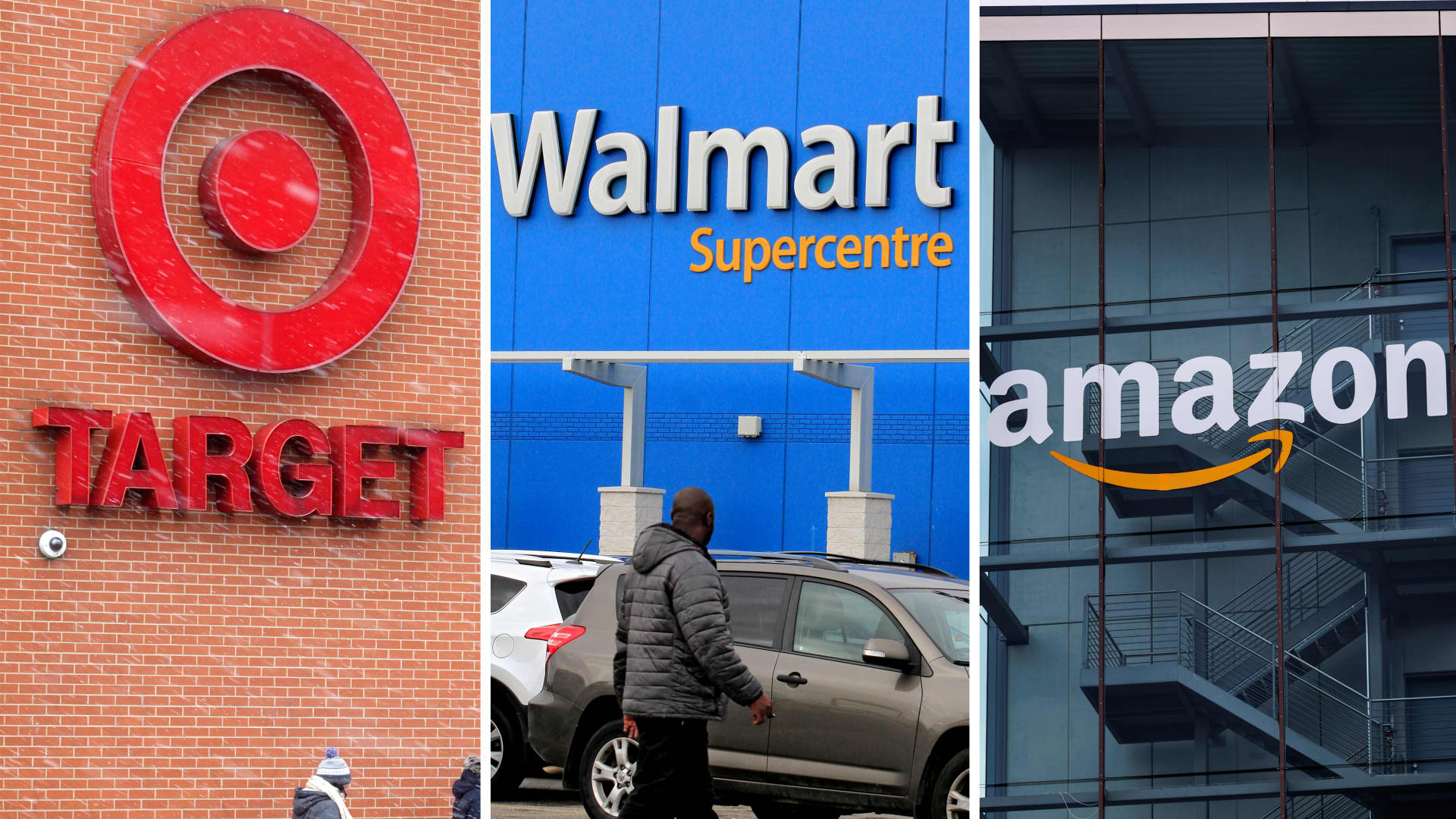
A 2026 survey highlights a significant recalibration in LGBTQ+ consumer spending habits, posing a multi-billion dollar challenge for major retailers and an opportunity for others. Companies perceived as retracting diversity, equity, and inclusion (DEI) commitments are seeing tangible financial repercussions as consumer loyalty shifts rapidly in a critical market segment.
🗝️ Corporate Strategy Insights
- Loyalty Redefined. Nearly 72% of LGBTQ+ consumers are reducing purchases from brands perceived as scaling back DEI efforts, directly impacting revenue streams for major players.
- Brand Perception is Profit. Companies actively supporting diversity initiatives, like Costco and Apple, are experiencing increased spending, underscoring the direct link between social stance and market share.
- Trillion-Dollar Market at Play. With LGBTQ+ consumers representing over $1.7 trillion in the U.S. economy, corporate DEI policies are no longer just an HR concern but a core strategic imperative affecting bottom lines.
The Human Rights Campaign Foundation’s recent findings, also corroborated by recent Reuters business reporting, underscore a deepening trend: consumers are increasingly aligning their purchasing power with corporate values. The survey, conducted among 15,000 U.S. adults, including 10,000 LGBTQ+ respondents, reveals that approximately 72% of LGBTQ+ consumers now actively buy fewer products from companies they view as ‘reducing diversity and inclusion commitments.’ This sentiment translates into direct market action, with nearly 70% refusing purchases from such businesses at least some of the time. Conversely, a similar percentage of LGBTQ+ consumers are rewarding companies perceived as supportive of DEI, funneling increased spending towards these brands. For more educational insights into consumer behavior, visit our blog.
Prominent retailers such as Target, Walmart, and Amazon were frequently cited among those experiencing reduced spending. Target, in particular, has navigated a complex landscape, facing backlash from both political spectrums over its Pride Month merchandise and subsequent adjustments to DEI initiatives. Despite a recent positive turn in same-store sales, the long-term implications of these shifts in consumer perception remain a critical concern for its corporate growth trajectory. Meanwhile, companies like Costco, Apple, Ben & Jerry’s, Delta Air Lines, and Kroger emerged as beneficiaries of increased spending, demonstrating a clear preference for brands that maintain consistent and visible support for diversity.
This isn’t merely a niche market trend; the National LGBT Chamber of Commerce estimates that LGBTQ+ consumers contribute over $1.7 trillion to the U.S. economy. This substantial economic influence means that corporate stances on DEI are now fundamental to market leadership and operational efficiency. The declining participation in the HRC’s Corporate Equality Index—a benchmark for LGBTQ+ workplace policies—reflects a broader scaling back of diversity initiatives by many corporations. However, as HRC spokesman Jonathan Lovitz notes, consumers prioritize transparency and clarity on a brand’s standing over perfection, indicating a crucial gap between internal policy and external perception.
Strategic Ripple Effect: How Value-Driven Spending Reshapes Competition
The direct consequence of shifting LGBTQ+ consumer spending is a realignment of competitive dynamics within the retail and consumer goods sectors. Companies that have either wavered on or visibly reduced their DEI commitments, like Target and Amazon, face not only direct sales losses but also potential brand erosion and a weakening of their competitive moat. This sentiment, reflecting broader changes in global market trends, forces companies to consider the strategic implications of their social stances. This can lead to a reduced customer base → lower market share → increased pressure on financial performance. Conversely, businesses like Costco, which have consistently championed diversity initiatives and even seen shareholders reject proposals to review DEI programs, are cultivating stronger customer loyalty. This creates a more resilient consumer base → higher consistent revenue → enhanced market leadership. The ripple effect extends to marketing and brand strategy, forcing companies to carefully consider the authenticity and visibility of their social commitments, directly impacting their ability to attract and retain valuable consumer segments.
“The economic power of the LGBTQ+ community is undeniable. Companies that fail to authentically align their values with diverse consumer expectations risk not just temporary sales dips but long-term brand equity damage, making genuine DEI commitment a non-negotiable component of sustainable market strategy.”
Recent survey data and market observations highlight critical indicators of consumer sentiment impact:
- 72% of LGBTQ+ Consumers: Report reducing purchases from companies perceived as weakening DEI commitments, indicating direct revenue risk.
- 65% Decline in Corporate Equality Index Participation: Among Fortune 500 companies (2025 to 2026), signaling a broader corporate retreat on DEI which could further alienate diverse consumer bases.
- Stronger Spending Growth at Costco: Consumer Edge data shows Costco posted robust year-over-year spending growth among self-identified Democratic consumers following its public stance on DEI, demonstrating a clear reward for alignment.
These indicators collectively reveal a discernible trend where corporate social responsibility directly influences consumer spending patterns and, consequently, market performance.
Amazon’s Strategic Analysis Amid Shifting Consumer Values
For Amazon, a company built on customer obsession and vast market reach, the perception of reduced DEI commitment represents a nuanced challenge. While its operational efficiency and logistical superiority offer a significant competitive advantage, alienating a trillion-dollar consumer segment could subtly erode its broad appeal. Amazon’s response, emphasizing internal employee opportunities and serving a diverse customer base, reflects an understanding of this importance. The strategic imperative for Amazon is not just to state its commitments but to ensure they are visibly and consistently enacted, both internally and externally. Failure to do so could open avenues for more values-aligned competitors, even if only in niche product categories, slowly chipping away at its dominance.
Costco’s Competitive Advantages in a Socially Conscious Market
Costco’s consistent support for diversity initiatives and its members-only value proposition have created a strong competitive moat against shifting consumer tides. By rejecting shareholder proposals to review DEI programs, Costco reinforced its commitment, which resonated positively with a significant segment of consumers, particularly self-identified Democrats. This steadfast approach enhances customer loyalty and reinforces its brand image as a responsible corporate citizen. In an era where values-based purchasing is gaining traction, Costco’s clear and unwavering stance on DEI transforms it from a mere wholesaler into a trusted brand, deepening its relationship with its high-value customer base and offering a distinct advantage over rivals struggling with mixed messaging.
The Evolving Landscape of LGBTQ+ Consumer Spending for Future Retail Success
This recent data vividly illustrates that corporate values are no longer peripheral to financial performance but are central to sustainable growth in diverse markets. Retailers failing to understand and adapt to evolving consumer expectations around DEI risk ceding significant market share and brand loyalty. The path forward demands genuine commitment and transparent communication.
- Authentic DEI policies directly correlate with consumer loyalty and spending.
- Major retailers must bridge the gap between internal actions and external perceptions.
- The $1.7 trillion LGBTQ+ consumer market demands strategic attention and consistent messaging.
How will major retailers like Target and Amazon effectively pivot their strategies to reconnect with values-driven consumer segments in this dynamic marketplace?
📊 StockXpo Analyst’s View
Market Impact: This shift in LGBTQ+ consumer spending indicates a growing trend where ESG factors, particularly social commitments, directly influence stock performance by impacting revenue and brand equity. Investors should scrutinize corporate DEI transparency, as it increasingly signals future sales trajectory and competitive resilience, a key factor in investment analysis. Market liquidity may favor companies with robust, well-communicated diversity initiatives.
Sector To Watch: The retail and consumer goods sectors will experience the most immediate and profound effects. Companies in these industries that authentically embrace and communicate their DEI efforts, like Costco or Apple, are likely to see sustained growth and improved investor sentiment, while those perceived as retreating could face headwinds.
Financial Disclaimer:
StockXpo.com is a financial news aggregator and educational portal, not a registered investment advisor or broker-dealer. All information, news, and analysis provided herein are strictly for educational purposes and do not constitute investment, financial, legal, or tax advice. Investing in the stock market involves high risks, and past performance is not indicative of future results. StockXpo will not be liable for any financial losses or investment damages. Always consult a certified financial advisor before making market decisions.
MORE IN INSIDE BUSINESS

Private Chef Salaries Soar: A Lucrative Shift in Luxury Staffing Strategy
Published: Friday, July 10, 2026 · 1:11 PM

Higher Airfare Sustains Delta’s Profit Trajectory Towards 2026 Goal
Published: Friday, July 10, 2026 · 10:35 AM