
Published: Wednesday, June 17, 2026 · 4:52 PM | Updated: Wednesday, June 17, 2026 · 4:52 PM
📊 238 views




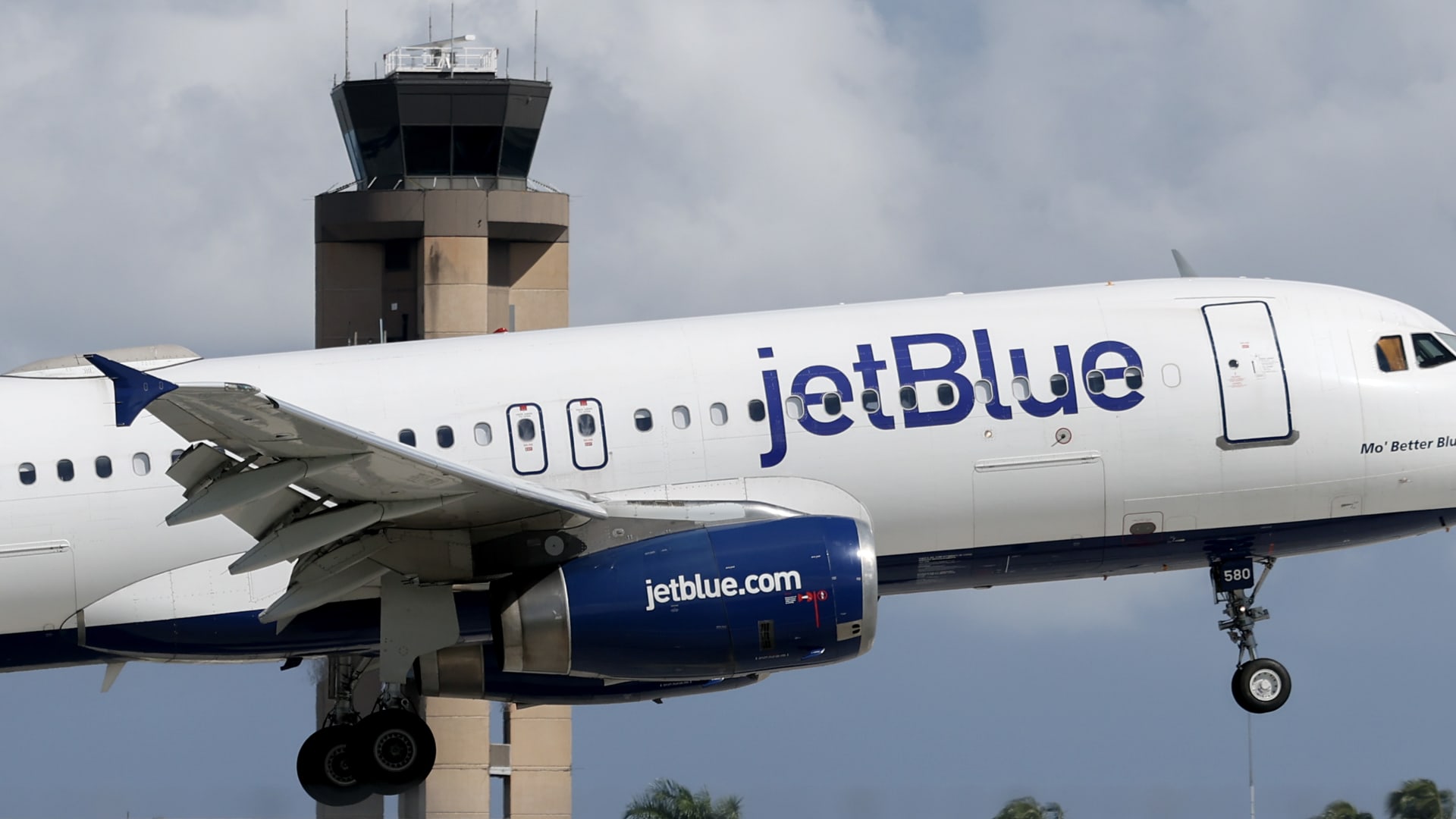
JetBlue is embarking on a decisive operational realignment, scaling back its presence in high-cost New York metropolitan airports while aggressively expanding its hub in Fort Lauderdale, Florida. This strategic redeployment of resources signals a critical pivot in the airline’s long-term quest for sustainable profitability and enhanced operational efficiency.
🗝️ Corporate Strategy Insights
- Operational Focus Shift. JetBlue is closing flight attendant and tech operations bases in Newark and LaGuardia to streamline costs and reallocate assets to more profitable markets.
- Fort Lauderdale Hub Expansion. The airline is bolstering its Fort Lauderdale operations, including expanding Mint business class service, aiming to leverage this growing market as a core profit driver.
- Cost Containment Strategy. This move directly addresses high operating costs associated with NYC airports, a key factor impacting JetBlue’s recent financial performance.
JetBlue’s recent announcement to reduce its overall market footprint in the competitive Newark and LaGuardia airports marks a significant acceleration of its cost-cutting initiatives. The airline confirmed to CNBC on Wednesday that it would close its flight attendant base in Newark Liberty International Airport and tech operations bases in both Newark and LaGuardia this fall. This rationalization of its physical presence in the costly New York metro area is directly tied to the airline’s broader strategy to return to consistent profitability, a milestone it hasn’t achieved in two years.
The reallocation of resources is not merely a reduction but a calculated expansion elsewhere. JetBlue is making a concerted push into Fort Lauderdale-Hollywood International Airport (FLL), where it already holds the dominant market share, having surpassed the now-defunct Spirit Airlines. This growth includes expanding daily, cross-country flights with its premium Mint service from FLL to key destinations like San Diego, San Francisco, and Los Angeles, starting in November.
JetBlue President Marty St. George emphasized the financial rationale behind these shifts, noting the exorbitant operating expenses at airports like LaGuardia. He previously stated that LaGuardia is a ‘$40 [enplanement fee] airport’ for JetBlue, highlighting how such costs directly impact fare competitiveness, a point frequently discussed in business aviation reports. The airline’s executives believe that customers prioritize lower fares over expensive airport amenities, justifying the move away from high-cost infrastructures. The strategic implications extend beyond immediate cost savings, aiming to:
- Optimize route network for higher yield and load factors.
- Enhance Fort Lauderdale’s appeal as a premium travel hub.
- Strengthen its competitive position in the Florida market.
While no staff are expected to lose their jobs, with options for transfer or bidding to other bases, the operational adjustments underscore JetBlue’s commitment to disciplined capital allocation and operational efficiency. The company is actively scouting for space to establish a high-end airport lounge in Fort Lauderdale, further cementing its commitment to the Florida market as a cornerstone of its future growth.
JetBlue’s strategic shift is expected to create a noticeable ripple effect across the U.S. domestic airline market. The move from high-cost, slot-constrained airports in the Northeast to a more cost-effective and growing leisure hub like Fort Lauderdale is a direct play for improved margins and market share. This operational streamlining → improved cost structure → enhanced competitive pricing ability → potential for increased passenger volume in target markets. Competitors operating in the highly competitive NYC market, such as Delta, United, and American, might see slight relief from JetBlue’s reduced presence, but the aggressive expansion in Florida signals intensified competition in that region. Furthermore, the focus on expanding Mint service from Fort Lauderdale directly challenges legacy carriers’ premium offerings on transcontinental routes, potentially siphoning off high-value business and leisure travelers. This aggressive repositioning can also put pressure on other low-cost carriers in Florida to either match service improvements or further differentiate on price, as the airline aims to solidify its market leadership in the region. Recent industry insights suggest a broader trend of airlines re-evaluating their hub strategies amidst changing travel patterns.
The strategic decision by JetBlue to pull back from expensive NYC hubs and consolidate operations in Fort Lauderdale is a clear testament to management’s renewed focus on core profitability and disciplined capital allocation, rather than chasing market share at all costs. This move is crucial for the airline’s long-term financial health.
While specific verifiable metrics on cost savings or revenue projections from this shift are not yet public, several indicators highlight the strategic importance of this move:
- Past Profitability Record: JetBlue’s last profitable quarter was two years ago, underscoring the urgent need for cost optimization.
- High NYC Operating Costs: LaGuardia’s ‘$40 enplanement fee’ (per JetBlue President Marty St. George) directly impacts the airline’s unit costs.
- Fort Lauderdale Market Leadership: JetBlue is the top carrier at FLL, indicating strong local demand and existing infrastructure to build upon.
These indicators suggest that while direct financial numbers are pending, the underlying strategic logic is rooted in addressing immediate financial pressures and capitalizing on existing market strengths.
JetBlue’s Competitive Advantages in a Shifting Market
JetBlue has historically carved out a niche with its focus on customer service, premium offerings like Mint, and a strong brand presence. By consolidating its corporate growth strategies around Fort Lauderdale, the airline aims to amplify these advantages. Its established presence and growing dominance in the FLL market provide a significant first-mover benefit compared to competitors. The expansion of Mint service specifically targets the lucrative business and high-end leisure traveler segments, offering a differentiated product that many ultra-low-cost carriers cannot match. This strategic positioning allows JetBlue to command potentially higher yields while simultaneously pursuing greater operational efficiencies at a less congested and costly hub.
A Deeper Look into JetBlue’s Strategic Analysis
This latest maneuver by JetBlue is a clear outcome of a rigorous strategic analysis, focusing on route profitability and cost arbitrage. The decision to reduce its educational insights and operational footprint in expensive northern airports aligns with broader industry trends where airlines constantly evaluate network profitability. By freeing up capital and resources tied to underperforming or high-cost operations, JetBlue can redeploy them into markets like Fort Lauderdale, which promise better returns and a more favorable competitive landscape. This analysis likely factored in passenger demand patterns, competitive dynamics in both NYC and Florida, and the long-term potential for growth and profitability in its chosen hub.
JetBlue’s Fort Lauderdale Focus: A Path to Sustained Gains
JetBlue’s strategic retrenchment from costly Northeast airports to a concentrated growth strategy in Fort Lauderdale represents a critical juncture for the airline. This shift underscores a clear commitment to operational efficiency and disciplined resource allocation, vital for returning to consistent profitability.
- The airline is prioritizing profitability over ubiquitous presence.
- Fort Lauderdale is being positioned as a strategic hub for premium and leisure travel.
- The move addresses long-standing high-cost operational challenges.
Will this calculated consolidation be the key to unlocking JetBlue’s next phase of financial health and market leadership?
📊 StockXpo Analyst’s View
Market Impact: This move is likely to be viewed positively by investors, signaling management’s proactive approach to financial discipline and operational optimization. While initial sentiment might reflect the perceived retreat from key markets, the long-term focus on profitability should bolster confidence. We anticipate a gradual improvement in JetBlue’s financial outlook, potentially making the stock more attractive to value-oriented investors.
Sector To Watch: The airline sector, particularly regional players and those focused on leisure travel, will be keenly observing JetBlue’s success in Fort Lauderdale. This strategic play could set a precedent for other airlines grappling with high operating costs in saturated markets, highlighting Florida as a pivotal growth battleground.
Financial Disclaimer:
StockXpo.com is a financial news aggregator and educational portal, not a registered investment advisor or broker-dealer. All information, news, and analysis provided herein are strictly for educational purposes and do not constitute investment, financial, legal, or tax advice. Investing in the stock market involves high risks, and past performance is not indicative of future results. StockXpo will not be liable for any financial losses or investment damages. Always consult a certified financial advisor before making market decisions.
MORE IN INSIDE BUSINESS

Used Car Prices Signal Market Shift: A Strategic Warning for Auto Dealers
Published: Wednesday, October 7, 2026 · 11:15 AM

Paramount WBD Takeover: A Strategic Success Reshaping Media
Published: Tuesday, October 6, 2026 · 7:35 AM


