Published: Wednesday, June 17, 2026 · 3:17 PM | Updated: Wednesday, June 17, 2026 · 3:17 PM
📊 225 views




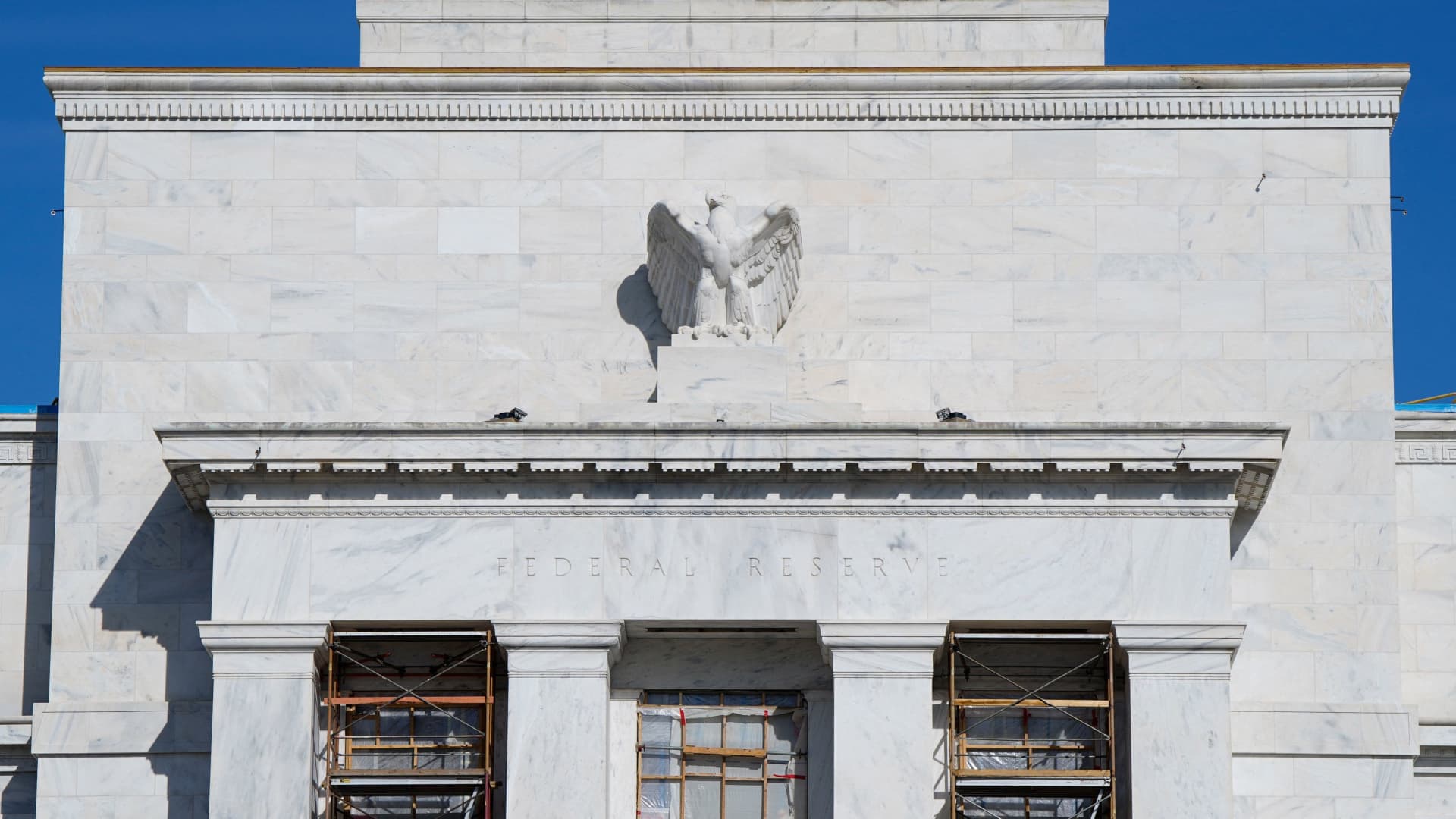
The Federal Reserve’s policy-setting board is poised for a significant shift towards unity under its new chairman, Kevin Warsh, as traders widely anticipate a unanimous vote at the upcoming June interest rate decision. This potential for a renewed Fed Board Consensus marks a stark departure from the notable dissents observed in recent meetings, signaling a potentially more predictable era for monetary policy.
💰 Financial Strategy & Market Insights
- Unity Under Warsh. Prediction markets forecast a 70% chance of zero dissents at Warsh’s inaugural FOMC meeting, indicating a strong move towards a unified policy stance.
- Rates Hold Steady. The Fed is broadly expected to maintain interest rates at 3.50%-3.75%, prioritizing stability amidst inflation concerns driven by geopolitical tensions.
- Hawkish Undercurrents. Despite the anticipated unity, a significant portion of fund managers (55%) predict a “hawkish hold,” suggesting underlying concerns about inflationary pressures and potential future tightening.
The financial markets are closely watching as Kevin Warsh assumes the helm of the Federal Reserve, with his first policy meeting signaling a potential return to a more cohesive decision-making body. Prediction market traders on platforms like Kalshi are placing high odds, around 70%, on a unanimous vote during Wednesday’s interest rate decision by the 12-member Federal Open Market Committee (FOMC). This anticipated strong Fed Board Consensus contrasts sharply with the four dissenting votes cast at the April meeting, which marked the highest level of disagreement in over three decades under former Chair Jerome Powell. The shift suggests that Warsh’s leadership may be fostering a more aligned approach to monetary policy, reducing internal friction that can sometimes cloud forward guidance.
The broad expectation across financial circles is that the Fed will opt to hold interest rates steady at their current range of 3.50% to 3.75%. This decision comes as policymakers grapple with persistent inflation, primarily attributed to escalating oil prices stemming from the U.S.-Iran conflict. The April meeting similarly saw rates held constant, albeit with a more fragmented vote. That meeting’s dissents included former Fed Governor Stephen Miran, who consistently advocated for lower rates, alongside regional presidents Beth Hammack of Cleveland, Neil Kashkari of Minneapolis, and Lorie Logan of Dallas. These three specifically opposed any language hinting at future rate cuts, reflecting a hawkish sentiment worried about the committee appearing too dovish.
The internal dynamics of the FOMC are critical for market interpretation of future policy moves. A unified front, as predicted for Warsh’s first meeting, could simplify the Fed’s communication strategy and reduce market uncertainty. However, the nuances of the dissenters from the April meeting highlight a lingering tension between dovish and hawkish perspectives. The regional presidents’ objections to dovish language underscore an ongoing concern among some members about inflation risks and the need for continued vigilance.
- April Meeting Dissent: Four members dissented, a 30-year high, with some explicitly opposing any forward guidance suggesting future rate cuts, signaling a hawkish bias.
- Inflationary Pressure: Elevated oil prices due to geopolitical events remain a primary driver for inflationary concerns, influencing the Fed’s cautious stance on rates.
- Market’s Hawkish Expectation: Bank of America’s June Global Fund Manager Survey revealed 55% of respondents anticipate a “hawkish hold,” indicating an expectation of firm language despite no rate change.
As Chairman Warsh prepares for his first press conference, market participants are also weighing the likely focus of his remarks. Kalshi traders assign a 73% probability that he will discuss ‘uncertainty,’ reflecting the complex economic landscape and geopolitical tensions. There’s also a 43% chance he will mention ‘quantitative tightening,’ a tool used to reduce the Fed’s balance sheet, indicating that balance sheet policy could be a significant topic alongside interest rates.
The anticipated shift towards a unified Fed under Warsh presents both opportunities and potential pitfalls for investors. Understanding these nuances is crucial for strategic portfolio adjustments.
- Upside: Enhanced Market Confidence: A truly unanimous Fed Board Consensus under Warsh could significantly boost investor confidence, signaling strong leadership and a predictable policy path, potentially stabilizing asset valuations. Clear communication on inflation and rate strategy could lead to sustained market analysis and growth.
- Upside: Reduced Volatility: Less internal disagreement translates to clearer forward guidance, which typically reduces market volatility and provides a more stable environment for capital allocation and long-term investment planning in the financial sector.
- Downside Risk: ‘Hawkish Hold’ Misinterpretation: If the “hawkish hold” manifests with unexpectedly strong rhetoric, markets might overreact, pricing in earlier or more aggressive future rate hikes than intended, potentially dampening equity valuations and increasing bond yields.
- Downside Risk: Geopolitical Escalation: Continued or escalating U.S.-Iran tensions could further drive up oil prices, exacerbating inflation and potentially forcing the Fed to re-evaluate its ‘hold’ strategy sooner than expected, introducing unforeseen market shocks.
In monetary policy, a ‘hawkish hold’ refers to a central bank’s decision to keep interest rates unchanged, but accompanied by rhetoric or forward guidance that signals a bias towards tighter policy in the future, often due to persistent inflation concerns. This nuanced approach aims to manage inflation expectations without immediately shocking the market with a rate hike, balancing stability with vigilance.
Market participants are keenly focused on specific probabilities and expectations shaping the June FOMC meeting. These key data points, derived from prediction markets and surveys, highlight the immediate outlook:
- Odds of Zero Dissents (Kalshi): 70%
- Odds of Four Dissents (Kalshi): 3%
- Expected Interest Rate Range: 3.50% to 3.75% (Steady)
- Fund Managers Expecting ‘Hawkish Hold’ (BofA Survey): 55%
- Warsh Discussing ‘Uncertainty’ (Kalshi): 73% chance
- Warsh Discussing ‘Quantitative Tightening’ (Kalshi): 43% chance
Examining the Future of Monetary Policy Liquidity
While the immediate focus is on interest rates and board unity, the Fed’s broader influence on market liquidity remains paramount. A more unified Fed, potentially less prone to internal disagreements, could articulate its long-term strategy for managing the money supply with greater clarity. Discussions around ‘quantitative tightening’ from Chairman Warsh, even with a 43% probability according to Kalshi traders, signal that balance sheet normalization could become a more prominent feature of future policy discussions. Any acceleration or explicit commitment to reducing the Fed’s balance sheet would directly impact market liquidity, influencing everything from short-term borrowing costs to longer-term bond yields. Investors should closely monitor Warsh’s language for clues on how the Fed intends to fine-tune its liquidity operations in response to evolving economic conditions and inflation trends.
Market Sentiment Tracker: Gauging the Post-Warsh Outlook
Market sentiment is a crucial driver of asset prices, and the change in Fed leadership, coupled with the anticipated educational financial insights from a unified board, could recalibrate investor expectations. The strong prediction for a broader market sentiment reflects a desire for stability after a period of notable internal divisions. This positive sentiment, however, is tempered by the 55% of fund managers expecting a ‘hawkish hold,’ indicating underlying inflation anxieties. How Warsh frames these concerns during his press conference—whether emphasizing resilience or highlighting risks—will significantly shape market psychology. A perceived firm hand on inflation, even without immediate rate hikes, could support a more positive long-term outlook for equity markets, provided that economic growth remains robust. Conversely, an overly cautious tone could trigger risk aversion.
The Ripple Effect of Fed Board Consensus on 2026 Markets
The impending Federal Reserve meeting under Chairman Kevin Warsh appears set to usher in an era of greater internal alignment, potentially offering markets a clearer path forward. The strong expectation of a unified policy statement, alongside a steady interest rate hold, suggests a cautious yet decisive approach to managing the current economic landscape.
- Warsh’s leadership is seen as pivotal in consolidating monetary policy perspectives, moving past recent internal dissensions.
- The steady rate decision reflects ongoing concerns over inflation, particularly from rising energy costs, with a “hawkish hold” anticipated by many.
- Future communications on “uncertainty” and “quantitative tightening” will be key to understanding the Fed’s long-term strategy.
Can this new era of Fed Board Consensus truly foster sustained market stability, or will underlying inflationary pressures and geopolitical risks continue to challenge the central bank’s unified front?
📊 StockXpo Analyst’s View
Market Impact: The anticipated Fed Board Consensus under Warsh could translate into reduced policy uncertainty, potentially leading to lower volatility in bond markets and a more stable environment for equity valuations. This clarity can improve forward guidance, benefiting long-term capital planning.
Sector To Watch: Given the focus on inflation and potential quantitative tightening, sectors sensitive to interest rates and liquidity, such as financials and real estate, should be closely monitored. A stable rate environment with hawkish undertones might support banking profits, while property markets could see less upward pressure on borrowing costs than if rates were expected to rise sharply.
Financial Disclaimer:
StockXpo.com is a financial news aggregator and educational portal, not a registered investment advisor or broker-dealer. All information, news, and analysis provided herein are strictly for educational purposes and do not constitute investment, financial, legal, or tax advice. Investing in the stock market involves high risks, and past performance is not indicative of future results. StockXpo will not be liable for any financial losses or investment damages. Always consult a certified financial advisor before making market decisions.
MORE IN INSIDE FINANCE

China’s Real Estate Market: A Potential Turnaround Amid Policy Shifts
Published: Thursday, October 8, 2026 · 6:10 AM

Fed Rate Hike Looms: What Fed Minutes Signal for Asset Valuation Shifts
Published: Wednesday, October 7, 2026 · 2:47 PM