Published: Wednesday, June 17, 2026 · 2:15 PM | Updated: Wednesday, June 17, 2026 · 2:15 PM
📊 245 views




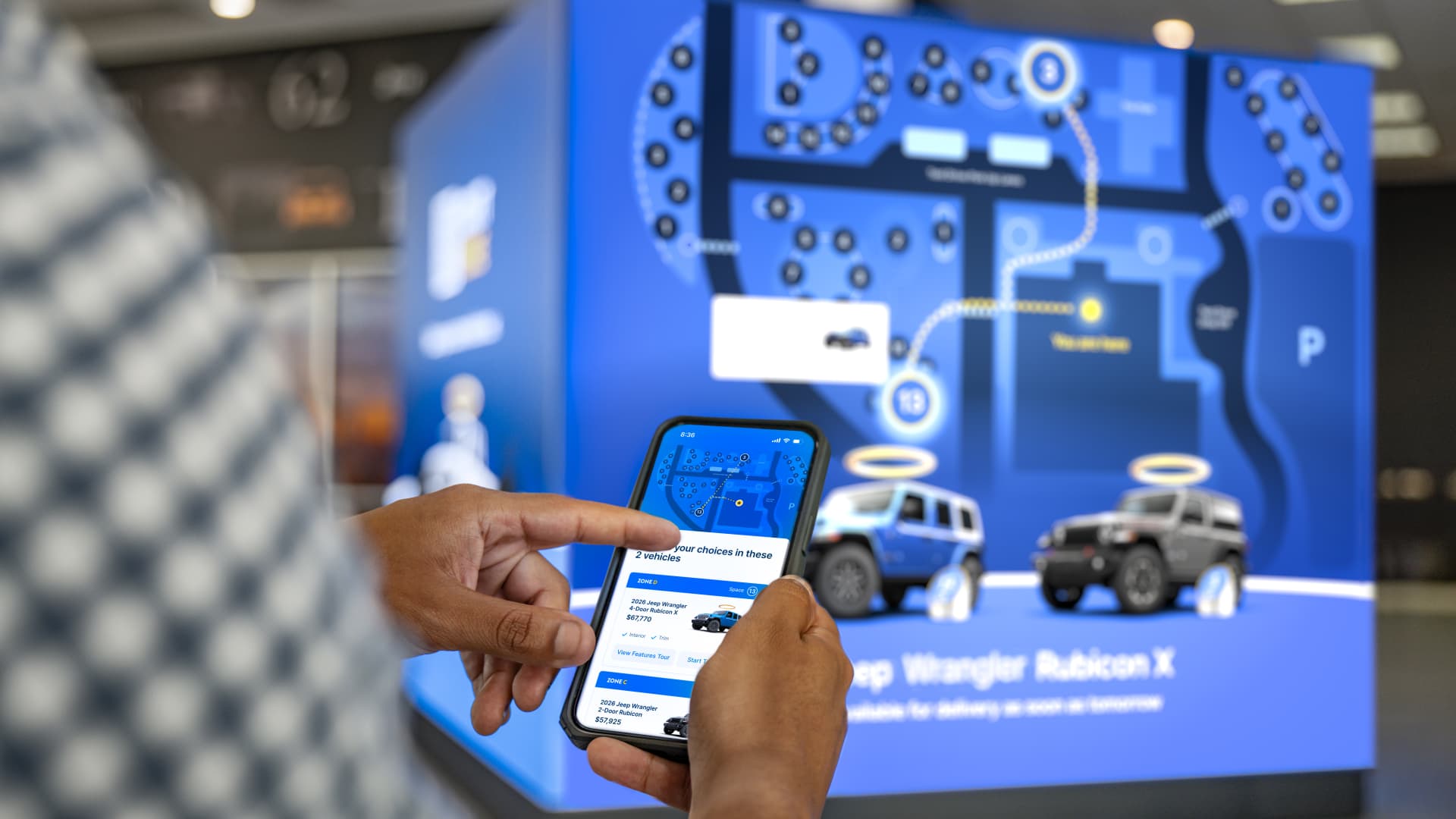
Carvana, renowned for its innovative online used car sales, is now extending its digital-first approach to the new vehicle market. This move, centered around transforming traditional dealerships into ‘experience centers’ rather than sales floors, marks a bold challenge to the entrenched U.S. automotive retail model and could significantly alter how consumers purchase new cars.
🗝️ Corporate Strategy Insights
- Online-First Sales Model Reinforcement. Carvana extends its successful online used car sales model to new vehicles, prioritizing digital transactions even with physical presence.
- Physical Presence as Experience Hubs. Newly acquired Stellantis dealerships are reimagined as test-drive centers and ‘playgrounds’ for product exploration, detaching the physical interaction from the transactional close.
- Operational Efficiency & Market Share Expansion. This strategy aims to leverage Carvana’s existing logistics and online infrastructure to grow market share in the new vehicle segment while enhancing the customer experience and potentially streamlining costs.
Carvana’s New Vehicle Strategy is a deliberate effort to replicate its successful used car e-commerce model within the new car market. By acquiring seven Stellantis franchised dealerships for approximately $171 million, the company is not merely becoming another traditional dealer group; it is fundamentally re-engineering the dealership function. Tom Taira, Carvana’s president of special projects, emphasized to CNBC that every sale, new or used, will originate and close online. The physical locations, such as the Dallas facility, are designed as interactive ‘playgrounds’ where customers can explore vehicles, conduct self-guided test drives, and engage with hourly-paid associates who assist rather than push sales. This starkly contrasts with the commission-based, high-pressure environment often associated with traditional dealerships.
A significant enabler for Carvana’s approach is its approval as a certified website provider for Stellantis, circumventing mandated third-party platforms. This unique advantage allows seamless integration of new vehicle inventory and sales processes into Carvana’s existing online ecosystem. The company believes this integration is key to maintaining consistency in its customer-centric, transparent, and hassle-free buying experience. While specific sales figures for new vehicles remain undisclosed, one Arizona location has already become a top-selling Stellantis dealer nationwide, suggesting early traction. This indicates that Carvana’s digital-first method, even with its unconventional physical touchpoints, resonates with a segment of the new car buying public. Challenges, however, persist, particularly around managing inventory for diverse test-drive needs, given the vast customization options available for new vehicles, especially trucks. The company’s investment strategy and early performance are being closely scrutinized by market analysts, as reported by outlets like Reuters, eager to gauge the long-term viability of this disruptive approach.
- Carvana’s model separates vehicle discovery and test drives from the actual online purchase.
- The absence of traditional finance & insurance departments and commission-based sales staff aims to reduce overhead and enhance customer trust.
- Strategic acquisition of Stellantis franchises provides both product breadth and a controlled environment to pilot this disruptive retail concept.
How Carvana’s Strategy Could Reshape Automotive Retail
This bold move by Carvana could send significant ripples across the entire U.S. franchised dealership landscape, a sector that recorded over $1.3 trillion in sales last year, according to the National Automobile Dealers Association (NADA). The immediate effect is increased competitive pressure on established dealer groups like Lithia and AutoNation, which operate under a hybrid model but still largely adhere to traditional sales processes within their physical showrooms. If Carvana’s model proves scalable and profitable, the cause-and-effect chain could be transformative:
- Product Launch (Online New Car Sales) → Market Expansion (New Customer Segments): Carvana expands its addressable market beyond used cars, attracting buyers who prefer a digital-first, low-pressure experience for new vehicles.
- Operational Efficiency (Reduced Sales Overhead) → Enhanced Customer Experience (Transparent Pricing, Self-Guided Process): The elimination of commission-based sales and F&I departments streamlines costs, which can be reinvested into customer service or competitive pricing, fostering greater loyalty.
- Disruption of Traditional Model → Pressure on Legacy Dealers & OEMs: The success of Carvana’s approach could force traditional dealerships to rethink their operational structures, potentially leading to widespread adoption of more online-centric models and putting pressure on OEMs to adapt their franchise agreements. This transformation could be significant for the automotive sector, as outlined by Forbes’ insights into evolving business strategies.
- Capital Allocation Shift → Digital Infrastructure & Logistics Investment: Carvana’s capital investment in these dealerships, coupled with its emphasis on its logistics network, signals a strategic shift towards leveraging physical assets to complement, rather than dominate, its digital core, compelling competitors to evaluate similar investments.
‘Carvana’s foray into new vehicle sales isn’t just an expansion of inventory; it’s a profound redefinition of the physical dealership’s role, transforming it from a transaction hub to a pure brand experience and service center, all while keeping the lucrative sales process firmly online.’
Key Metrics Behind Carvana’s New Venture
While specific profitability metrics for Carvana’s new vehicle segment are not yet public, several indicators highlight the strategic investment and early impact:
- Acquisition Cost: Approximately $171 million invested in acquiring seven Stellantis franchised dealerships. This substantial capital allocation demonstrates Carvana’s commitment to scaling this new business line.
- Market Capitalization: Carvana boasts over a $70 billion market cap, positioning it as the most valuable auto retailer in the U.S. This valuation underscores investor confidence in its disruptive business model, now applied to new cars.
- Early Sales Performance: One Carvana-owned Stellantis location in Arizona rapidly became the top-selling dealer for the automaker in the country, indicating strong initial customer adoption and operational effectiveness.
- National Inventory: Approximately 3,000 new vehicles available nationwide on Carvana’s website, compared to over 60,000 used models. This illustrates the nascent stage of the new vehicle segment, with significant room for inventory expansion.
These figures are crucial as they represent the initial investment, market validation, and early operational successes of Carvana’s new strategy, signaling its potential for future growth within the broader automotive retail landscape.
Carvana Strategic Analysis: Expanding Beyond Used Vehicles
Carvana’s strategic expansion into new vehicle sales is a calculated move to diversify its revenue streams and capture a larger share of the overall automotive market. By leveraging its established online platform and logistical network, the company aims to broaden its customer base beyond just used car buyers, drawing in those who prefer the transparency and convenience of an online purchase for new models. This approach also creates new opportunities for used vehicle trade-ins, feeding its core business. The hybrid model of online sales supported by physical experience and service centers addresses a key concern for new car buyers: the desire for test drives and reliable after-sales support, without reverting to traditional sales tactics. This integration allows Carvana to maintain its brand promise while tapping into a previously unserved segment of online-savvy new car purchasers.
Carvana Competitive Advantages: Digital Agility Meets Physical Presence
Carvana’s core competitive advantage lies in its digital-first infrastructure and customer-centric operational philosophy, which it is now skillfully adapting for new vehicle sales. Unlike traditional dealers burdened by legacy systems and sales models, Carvana benefits from a fully integrated online platform that streamlines the buying process. Its ‘playground’ dealerships offer a low-pressure, self-guided exploration unique in the new car market, fostering a transparent and enjoyable experience. Furthermore, its nationwide logistics network, developed for used car delivery, provides a significant asset for distributing new vehicles and managing trade-ins efficiently. This blend of digital agility, customer focus, and operational scale positions Carvana to carve out a distinct niche, setting a new benchmark for customer engagement in automotive retail and offering a compelling alternative to conventional dealership models, as further explored by those analyzing company strategy on StockXpo’s business insights.
Carvana’s Play for New Auto Dominance: What’s Next?
Carvana’s aggressive entry into new vehicle sales, transforming dealerships into immersive brand experiences rather than transactional hubs, represents a potent challenge to auto retail incumbents. This strategy, underpinned by its online-first sales model, aims to capture new market segments by offering unparalleled convenience and transparency, areas where traditional dealers often fall short. The initial success with Stellantis suggests that consumers are ready for a different way to buy new cars.
- Carvana is betting on its online platform’s power to redefine the new car purchasing journey, drawing on educational insights for market trends.
- The ‘playground’ concept could become a blueprint for future physical retail in the auto industry, prioritizing experience over hard selling.
- Future expansion will likely involve optimizing inventory for test drives and potentially integrating leasing options or OEM financing to broaden appeal.
Can Carvana’s innovative hybrid model fundamentally reshape consumer expectations for new car purchases, compelling the entire industry to adapt or risk obsolescence?
### 📊 StockXpo Analyst’s View
Market Impact: Carvana’s bold move injects a fresh wave of competition into the new car market, a sector ripe for digital disruption. Investor sentiment for CVNA could strengthen as this strategy diversifies revenue streams and expands its total addressable market, potentially putting pressure on traditional automotive retail stocks, a development closely watched across stock markets. The market will closely watch the scalability and profitability of this unique hybrid model.
Sector To Watch: The traditional auto retail sector, encompassing large dealer groups and individual franchises, will be under intense scrutiny. Suppliers of automotive e-commerce solutions and logistics technology providers could also see increased demand as the industry accelerates its digital transformation in response to Carvana’s proactive steps.
Financial Disclaimer:
StockXpo.com is a financial news aggregator and educational portal, not a registered investment advisor or broker-dealer. All information, news, and analysis provided herein are strictly for educational purposes and do not constitute investment, financial, legal, or tax advice. Investing in the stock market involves high risks, and past performance is not indicative of future results. StockXpo will not be liable for any financial losses or investment damages. Always consult a certified financial advisor before making market decisions.
MORE IN INSIDE BUSINESS

Young Airplane Scrapping: A $17 Million Engine Crisis Reshaping Aviation
Published: Saturday, October 24, 2026 · 8:26 AM

American Express Workforce Cuts: A Strategic AI Preparation
Published: Friday, October 23, 2026 · 9:50 AM