
Published: Tuesday, June 16, 2026 · 12:57 PM | Updated: Tuesday, June 16, 2026 · 12:57 PM
📊 289 views




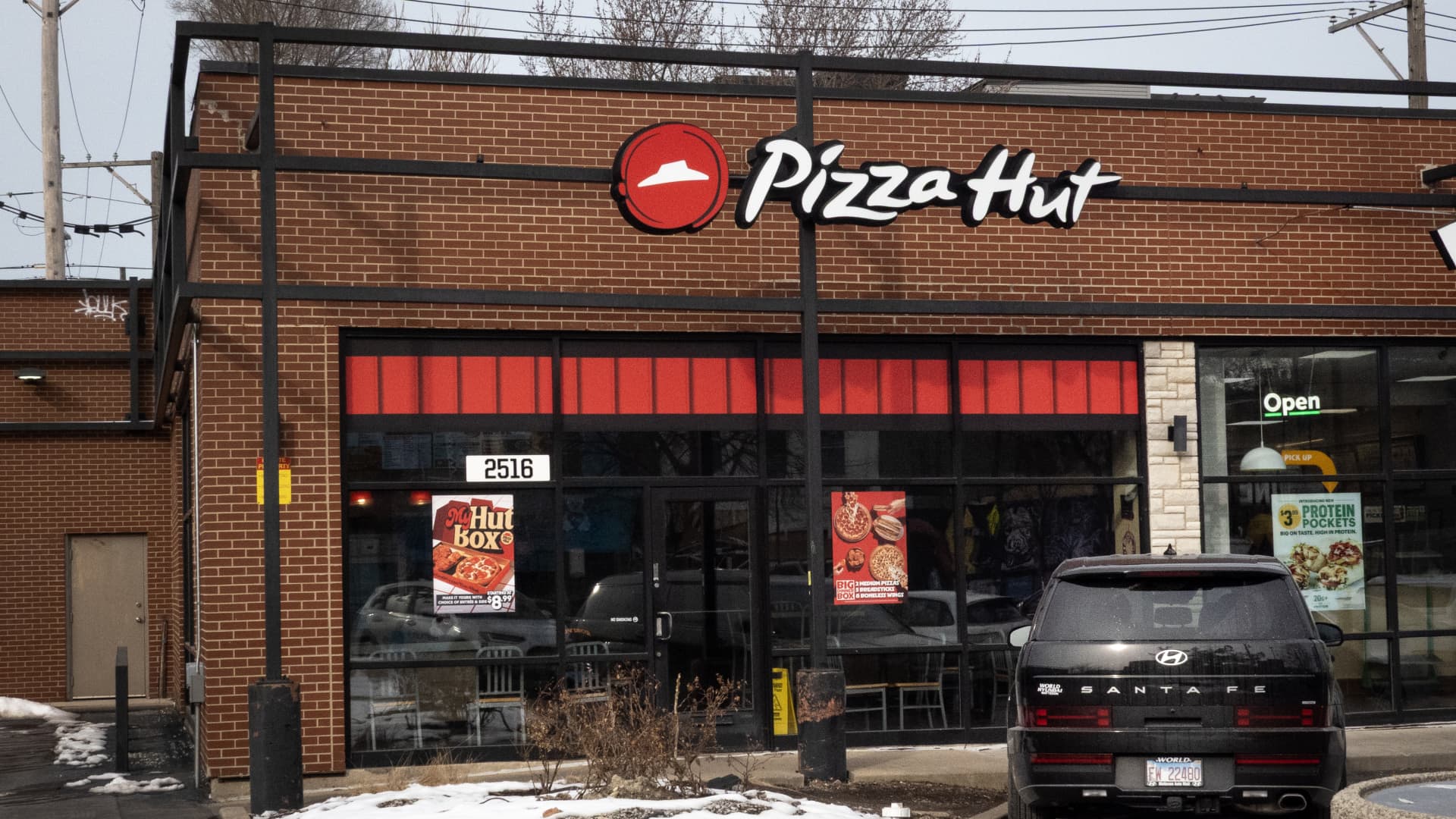
Yum Brands, the global fast-food conglomerate, announced a major strategic divestiture with the **Pizza Hut Sale** to private equity firm LongRange Capital and Yum China for an aggregate of $2.7 billion. This move signals a profound re-evaluation of its brand portfolio, aiming to shed a long-struggling asset and sharpen its focus on higher-growth divisions like KFC and Taco Bell.
The transaction, finalized after years of Pizza Hut facing intense competition and shifting consumer preferences, is set to provide Yum Brands with significant capital for future strategic initiatives.
🗝️ Corporate Strategy Insights
- Portfolio Optimization. Yum Brands divests an underperforming asset, Pizza Hut, to streamline its global portfolio and focus resources on core, higher-growth brands like KFC and Taco Bell.
- Market Share Concession. The sale acknowledges Pizza Hut’s persistent struggles against agile competitors such as Domino’s and the pervasive shift towards third-party delivery services like DoorDash, which have eroded its market dominance.
- Tailored Ownership Structure. Splitting Pizza Hut’s global operations (to LongRange Capital) and its mainland China business (to Yum China) allows for specialized management and investment strategies, catering to distinct market dynamics and competitive landscapes.
For Yum Brands, the decision to offload Pizza Hut for roughly $1.5 billion to LongRange Capital and a separate $1.2 billion for its China operations to Yum China, underscores a determined push towards operational efficiency and shareholder value maximization. The pizza chain’s inability to adapt quickly from its traditional sit-down format to the dominant delivery and carryout model left it far behind rivals, impacting Yum’s overall financial performance for years. The company anticipates receiving approximately $2.3 billion in net proceeds after taxes and fees, excluding a potential earn-out.
This divestiture, following Yum’s exploration of strategic options since last November, is projected to close in the third quarter of 2026, pending regulatory approvals. The move creates an ownership structure for Pizza Hut that is explicitly “tailored to its distinct markets, competitive strengths, and long-term priorities,” as stated by Yum’s leadership. This also severs Pizza Hut’s long-standing ties with sister brands Taco Bell and KFC, which began when PepsiCo acquired Pizza Hut in 1977 and later spun off its restaurant unit as Tricon Global Restaurants, eventually renamed Yum.
* The divestiture empowers Yum Brands to redirect capital and management focus toward its more robust, high-performing brands. This could unlock further innovation and market expansion for KFC and Taco Bell.
* The new ownership structure aims to breathe fresh life into Pizza Hut by providing dedicated leadership and investment, potentially revitalizing its competitive stance against rivals.
Strategic Ripple Effect Across the Industry
The **Pizza Hut Sale** is poised to send ripples across the quick-service restaurant sector. For Yum Brands, this divestment acts as a catalyst for renewed focus, allowing concentrated investment in its more profitable and growth-oriented brands like KFC and Taco Bell. This heightened focus could translate into accelerated menu innovation, improved digital strategies, and expanded global presence for these core assets, potentially boosting Yum’s overall competitive strength and stock markets performance.
On the competitive front, Domino’s Pizza, which has steadily gained market share from Pizza Hut over the years, might now face a different kind of challenger. A Pizza Hut under private equity ownership could undergo an aggressive transformation, leveraging new capital to modernize its operations, enhance its delivery infrastructure, and refine its marketing strategies. This could intensify the battle for market leadership in the fiercely competitive pizza delivery segment, potentially forcing all players to innovate faster. Similarly, the localized control of Pizza Hut China under Yum China could lead to more targeted growth strategies in that critical market, responding directly to specific consumer tastes and competitive pressures, thereby impacting other fast-food giants vying for a share of China’s immense consumer base. For companies looking into similar opportunities, exploring corporate growth strategies is key.
“This divestiture isn’t merely a transaction; it’s a profound declaration by Yum Brands to prioritize capital efficiency and double down on market-leading assets. It’s a clear signal to investors that management is serious about unlocking shareholder value by shedding underperformers, as Reuters reported in their recent business insights.”
Key Operational Indicators After the Sale
While the financial specifics will be further detailed in Yum’s upcoming second-quarter conference call, several key indicators highlight the magnitude of this transaction and the strategic priorities at play:
- Total Sale Value: $2.7 billion ($1.5B from LongRange Capital, $1.2B from Yum China) — This figure underscores the substantial capital infusion for Yum, providing flexibility for strategic investments or shareholder returns.
- Net Proceeds Expected: Approximately $2.3 billion (after taxes and fees) — Crucial for understanding the actual financial benefit Yum Brands will realize from the transaction, impacting its balance sheet and future capital allocation decisions.
- Global Footprint Transition: Pizza Hut operated nearly 20,000 locations across 108 countries with $12.8 billion in annual system sales (end of 2025) — These figures illustrate the vast operational undertaking for the new owners and the significant market presence now decoupled from Yum Brands’ direct control, offering a glimpse into potential turnaround scope.
Yum Brands’ Strategic Portfolio Rebalancing
Yum Brands’ decision to divest Pizza Hut is a textbook example of corporate portfolio rebalancing, a critical maneuver for conglomerates seeking to maximize value. By shedding an asset that has been a consistent drag on performance, Yum is not just cutting losses but actively creating a leaner, more agile organization. This strategy often involves identifying underperforming segments, assessing their future growth potential within the existing corporate structure, and, if necessary, divesting them to unlock value. The proceeds from such sales can then be reinvested into higher-growth areas, debt reduction, or returned to shareholders, signifying a clear commitment to capital discipline. This type of strategic move is often observed in mature industries where market dynamics shift rapidly, demanding constant adaptation and ruthless optimization. This allows the parent company to refocus on brands with stronger competitive advantages and more favorable market trends, ensuring long-term business growth.
Pizza Hut’s Path to Competitive Revival
Under its new ownership, Pizza Hut faces a challenging yet potentially transformative journey toward competitive revival. LongRange Capital, a private equity firm, is known for its operational expertise and has a strong incentive to turn the brand around. This typically involves aggressive modernization, significant investment in technology (especially for digital ordering and delivery), and a reimagining of its customer experience. The separate deal with Yum China allows for a localized strategy, crucial for success in the highly diverse and competitive Chinese market, where consumer preferences and operational logistics differ significantly from Western markets. This dual approach offers the brand flexibility to address specific regional challenges and opportunities, aiming to regain market share lost to rivals like Domino’s and adapt to the pervasive influence of third-party delivery platforms. For further educational insights, this case is a prime example of strategic shifts in the QSR industry, as seen in recent Bloomberg analysis.
Unpacking Yum’s Bold Divestment Play
Yum Brands’ **Pizza Hut Sale** is a clear statement of intent: a sharpened focus on its most robust brands, KFC and Taco Bell, to drive future growth and enhance shareholder value. This strategic realignment aims to untether Yum from a brand that has struggled to innovate and compete effectively in the modern fast-food landscape, offering Pizza Hut a dedicated path forward under new leadership.
- Empowers Yum Brands to funnel resources into its high-performing KFC and Taco Bell divisions, fostering accelerated innovation and market expansion.
- Provides Pizza Hut with a crucial opportunity for a comprehensive strategic overhaul, guided by private equity expertise globally and localized management in China.
- Positions for a potential shake-up in the global pizza delivery market as a revitalized, more focused Pizza Hut emerges under its new ownership structures.
Can this strategic divestiture ultimately lead to a more nimble and profitable Yum Brands, while also sparking a genuine resurgence for Pizza Hut?
📊 StockXpo Analyst’s View
Market Impact: This divestiture is likely to be positively received by investors, signaling Yum Brands’ commitment to maximizing profitability through asset optimization. The influx of cash could lead to increased share buybacks or dividend increases, bolstering investor confidence in the parent company’s capital allocation strategy. It removes a long-standing drag on performance metrics.
Sector To Watch: The quick-service restaurant (QSR) sector, particularly the pizza segment, is ripe for innovation. Competitors like Domino’s and Papa John’s will be closely watching Pizza Hut’s new strategies under LongRange Capital, as aggressive moves could trigger a new wave of competition in digital ordering and delivery, particularly in fragmented international markets.
Financial Disclaimer:
StockXpo.com is a financial news aggregator and educational portal, not a registered investment advisor or broker-dealer. All information, news, and analysis provided herein are strictly for educational purposes and do not constitute investment, financial, legal, or tax advice. Investing in the stock market involves high risks, and past performance is not indicative of future results. StockXpo will not be liable for any financial losses or investment damages. Always consult a certified financial advisor before making market decisions.
MORE IN INSIDE BUSINESS
Assortment Trimming: Retailers Redefine Growth Through Operational Efficiency
Published: Saturday, October 10, 2026 · 8:31 AM
Saudi Arabia Flight Decision: Delta Weighs Safety Amid Regional Tensions
Published: Friday, October 9, 2026 · 7:21 AM


