Published: Monday, June 15, 2026 · 11:33 AM | Updated: Monday, June 15, 2026 · 11:33 AM
📊 284 views




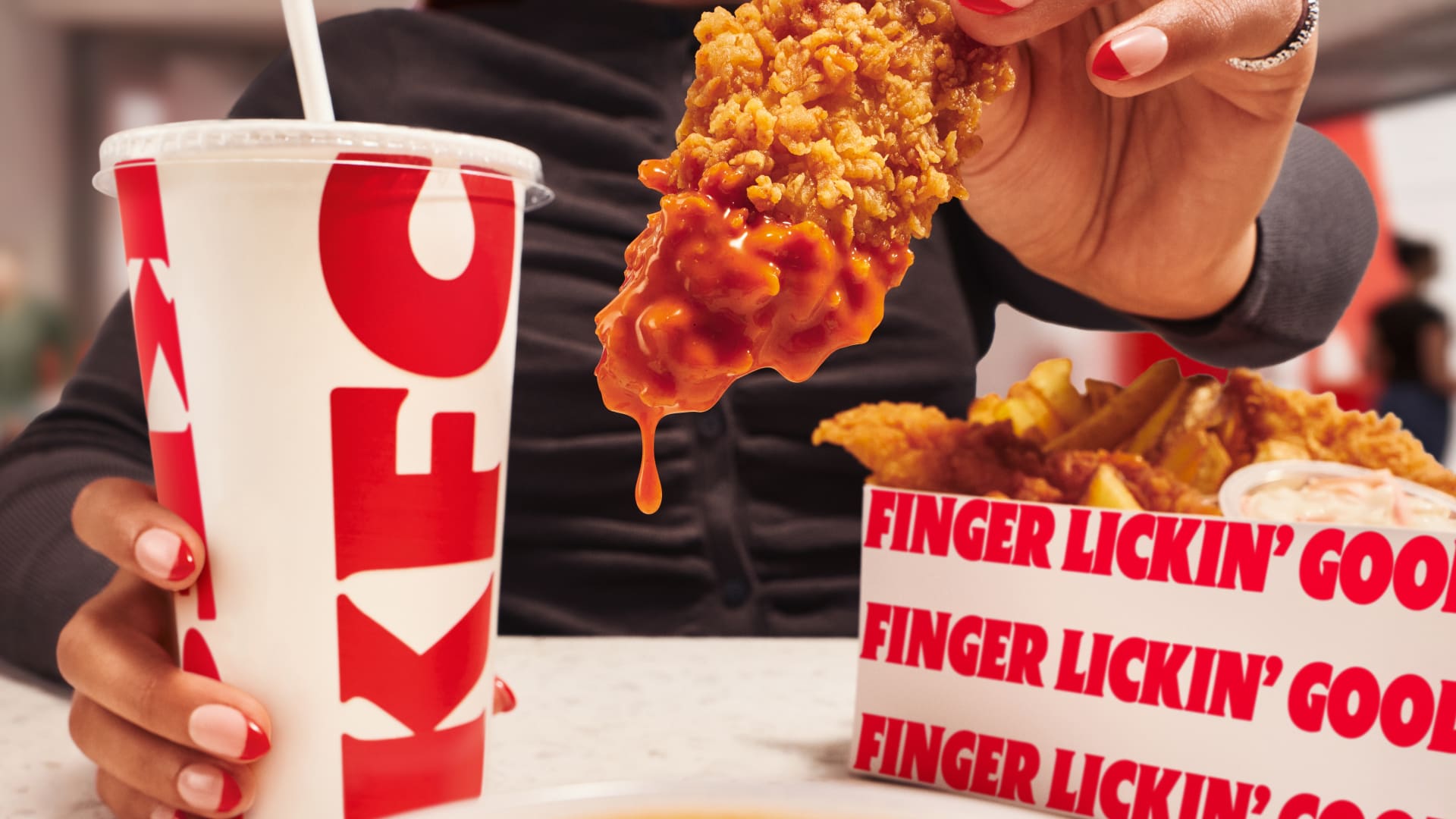
KFC, a flagship brand under Yum Brands, is undertaking a significant strategic overhaul, prioritizing KFC Boneless Chicken offerings and an expanded beverage menu to revitalize its declining U.S. market share. This aggressive repositioning signals the company’s intent to adapt to evolving consumer preferences and intensify competition within the global quick-service chicken sector, creating a ripple effect across the fast-food industry.
🗝️ Corporate Strategy Insights
- Menu Modernization. KFC is pivoting from its traditional bone-in chicken focus towards an expanded range of boneless options, including improved tenders and new ‘Dunked’ items, alongside an augmented sauce pantry to cater to diverse tastes.
- Beverage Expansion & Store Experience. The launch of ‘Kwench by KFC’ with boba refreshers and iced coffees, combined with immersive new restaurant designs, aims to boost sales per customer and enhance the in-store dining experience, drawing diners away from digital distractions.
- Global Market Share Reclamation. While successful internationally, the strategy specifically targets the U.S. market, where KFC has lost significant share to competitors like Chick-fil-A and Raising Cane’s, underscoring a critical effort to regain domestic relevance.
In a highly competitive quick-service restaurant (QSR) landscape, KFC is executing a comprehensive strategy to regain lost ground, particularly in its historically dominant U.S. market. The central pillar of this initiative is a ‘bold menu revamp,’ as described by KFC Global CEO Scott Mezvinsky. This shift involves a significant commitment to boneless chicken items, acknowledging contemporary consumer preferences for convenience and portability. KFC Chief Concept Officer Christophe Poirier highlighted the commitment to making tenders ‘the biggest, the juiciest and the crispiest,’ a direct challenge to rivals known for their tender quality.
Beyond the protein, KFC is aggressively expanding its sauce offerings, leveraging a ‘global sauce pantry’ of over 20 varieties. This move acknowledges the growing trend of customizability and flavor experimentation popular among younger demographics. The introduction of ‘Dunked’ menu items, already live in South Africa and India, exemplifies this approach, providing ready-sauced options that simplify the ordering process. This focus on sauce complements the new KFC Boneless Chicken tenders, which are rolling out in the UK, Ireland, Australia, and the U.S. this summer.
Simultaneously, KFC is not just refreshing its food but also its overall brand experience. This includes a new sub-brand called Kwench by KFC, which introduces a diverse range of beverages such as boba refreshers, sparkling lemonades, and iced coffees. This beverage expansion aims to capture additional revenue streams and enhance the appeal of KFC as a destination beyond just chicken. Furthermore, the company is investing in new, immersive restaurant designs, with an ‘open-concept’ location in Texas and a two-story ‘immersive’ experience planned for Dubai. These designs, likened by Poirier to the Sphere in Las Vegas, seek to create a captivating physical environment that encourages customer engagement and distinguishes KFC from competitors. Such strategic moves are crucial for any company aiming for sustainable corporate growth in a saturated market.
- KFC’s strategy encompasses:
- A pivot to boneless chicken, including revamped tenders and new ‘Dunked’ items.
- Expansion of a global sauce pantry to over 20 varieties.
- Launch of ‘Kwench by KFC’ with diverse beverage options.
- Investment in new, immersive restaurant designs to enhance the customer experience.
- Fresh branding with an updated logo featuring Colonel Sanders.
The Strategic Ripple Effect of KFC’s Menu Modernization
KFC’s aggressive strategic shift, particularly its emphasis on KFC Boneless Chicken and an updated dining experience, is set to send ripple effects across the highly competitive QSR segment. This product launch directly challenges market leaders like Chick-fil-A and popular upstarts such as Raising Cane’s, both of whom have carved out substantial niches with their boneless chicken and sauce-centric menus. McDonald’s, a legacy giant, is also increasing its stake in the global chicken market, intensifying the battle for consumer dollars.
- Product Launch (Boneless Chicken & Kwench): Direct innovation in core menu and new beverage categories.
- Market Expansion/Re-penetration: Aims to reclaim U.S. market share lost to competitors by targeting modern diner preferences.
- Operational Efficiency: A nimble supply chain, as cited by Poirier, suggests KFC can rapidly scale these initiatives globally, from Europe to Australia and Canada, ensuring consistency and speed to market.
- Brand Perception Shift: The updated branding and immersive store designs are designed to modernize KFC’s image, potentially attracting younger demographics and altering perceptions of its traditional offering. This could lead to higher revenue potential for the Yum Brands portfolio.
- Competitor Response: Rivals will likely monitor KFC’s success closely, potentially accelerating their own menu innovation or marketing efforts in the boneless chicken and specialty beverage spaces to maintain their market positions. This dynamic competition often drives broader market advancements and investment analysis across the sector.
“KFC’s latest move beyond its iconic bone-in chicken signals a vital recognition of evolving consumer tastes and intense market rivalry. This isn’t just a menu refresh; it’s a fundamental repositioning designed to recapture relevance and market share through operational agility and a modernized brand experience in a segment where differentiation is increasingly critical.”
Key Performance Indicators Driving KFC’s Strategy
While specific quarterly financial breakdowns for the U.S. market are no longer disclosed by Yum Brands, several key performance indicators (KPIs) highlight KFC’s challenges and the targets for this new strategy.
- U.S. Market Share (2021): 16% (2nd place, behind Chick-fil-A)
- U.S. Market Share (2024): 9.4% (4th place, behind Chick-fil-A, Popeyes, Raising Cane’s)
- KFC International Same-Store Sales Growth (Latest Quarter): 2%
- U.S. Same-Store Sales Growth (Last Three Quarters): Reported positive by KFC U.S. President Catherine Tan-Gillespie, indicating early signs of turnaround from previous initiatives.
These metrics illustrate the urgent need for KFC to innovate and differentiate in the U.S. The decline in market share underscores the effectiveness of competitors and the importance of this strategic shift. International growth, however, provides a strong foundation for global initiatives.
KFC’s Competitive Advantages in a Crowded Market
Despite its recent struggles in the U.S., KFC retains significant competitive advantages that could be leveraged by this new KFC Boneless Chicken strategy. As one of the largest global restaurant chains with over 34,000 locations, its sheer scale provides substantial purchasing power and a formidable distribution network. This allows for cost efficiencies in ingredients and rapid deployment of new menu items across diverse markets. Furthermore, the brand’s heritage, embodied by Colonel Sanders, offers a unique nostalgic appeal that newer entrants cannot easily replicate. While legacy can sometimes be a burden, it also provides a deep well of brand recognition and emotional connection with older demographics. The global ‘sauce pantry’ and nimble supply chain mentioned by Poirier also suggest an operational flexibility essential for rapid innovation and regional adaptation, a crucial factor when managing such a vast international footprint. This robust infrastructure, combined with an aggressive menu and experiential modernization, could position KFC to not only defend but actively expand its global market presence, as detailed by a recent report from global business news.
KFC Industry Benchmarking Against Fast Casual Trends
KFC’s strategic pivot aligns with broader trends observed in the fast-casual and QSR industries, particularly the premiumization of convenience and the demand for customizable options. Chains like Chipotle and Panera Bread have long demonstrated the success of offering perceived higher-quality ingredients and customizable meals, impacting consumer expectations even in the traditional fast-food space. The emphasis on improved tenders, diverse sauces, and specialty beverages (Kwench) positions KFC to compete more directly with these elevated expectations. Moreover, the focus on ‘immersive’ restaurant designs reflects a growing industry trend to enhance the dine-in experience, moving beyond mere transactional exchanges to create memorable moments. This is a clear attempt to benchmark against not just direct chicken rivals, but also broader dining experiences that prioritize ambiance and engagement, crucial for drawing customers in an increasingly digital world, a topic often explored in company strategy analysis.
KFC’s Boneless Chicken Play: What Lies Ahead?
KFC’s comprehensive revitalization strategy, centered around its boneless chicken offerings and an enhanced customer experience, represents a critical juncture for the Yum Brands subsidiary. The initiative aims to arrest declining U.S. market share while capitalizing on international growth momentum, signaling a decisive shift from its traditional roots.
- The success of the new boneless tenders and sauce varieties will be key to capturing younger, more diverse palates.
- Investment in innovative store designs and beverage lines like Kwench could elevate the overall brand perception and customer engagement.
- Execution speed and consistency across its vast global network will be paramount in fending off aggressive competitors.
Can this bold embrace of modern preferences truly redefine KFC’s position and secure its leadership in the evolving global chicken market?
### 📊 StockXpo Analyst’s View
Market Impact: This aggressive strategic reorientation by KFC is likely to be viewed positively by investors, signaling proactive management tackling market share erosion. While the U.S. turnaround will take time, global expansion of these initiatives could provide a significant boost to Yum Brands’ overall revenue. Competitive pressures will intensify, potentially leading to further innovation across the QSR chicken segment and impacting stock markets as investors re-evaluate sector leaders and challengers.
Sector To Watch: The entire fast-food chicken segment, including major players like Chick-fil-A, Popeyes, and McDonald’s, will be under increased scrutiny. Companies focused on customizable menu options, experiential dining, and diverse beverage offerings within the QSR space are poised to gain, while those slow to adapt may lose ground. The beverage market within QSR, particularly for specialty drinks, is also a burgeoning area to observe, as highlighted in Bloomberg markets and offering educational insights for market trends.
Financial Disclaimer:
StockXpo.com is a financial news aggregator and educational portal, not a registered investment advisor or broker-dealer. All information, news, and analysis provided herein are strictly for educational purposes and do not constitute investment, financial, legal, or tax advice. Investing in the stock market involves high risks, and past performance is not indicative of future results. StockXpo will not be liable for any financial losses or investment damages. Always consult a certified financial advisor before making market decisions.
MORE IN INSIDE BUSINESS
Saudi Arabia Flight Decision: Delta Weighs Safety Amid Regional Tensions
Published: Friday, October 9, 2026 · 7:21 AM
Skydance Vertical Win: Ellison’s Bold Strategy for Media Dominance
Published: Thursday, October 8, 2026 · 12:44 PM