Published: Thursday, June 11, 2026 · 1:42 PM | Updated: Thursday, June 11, 2026 · 1:42 PM
📊 243 views




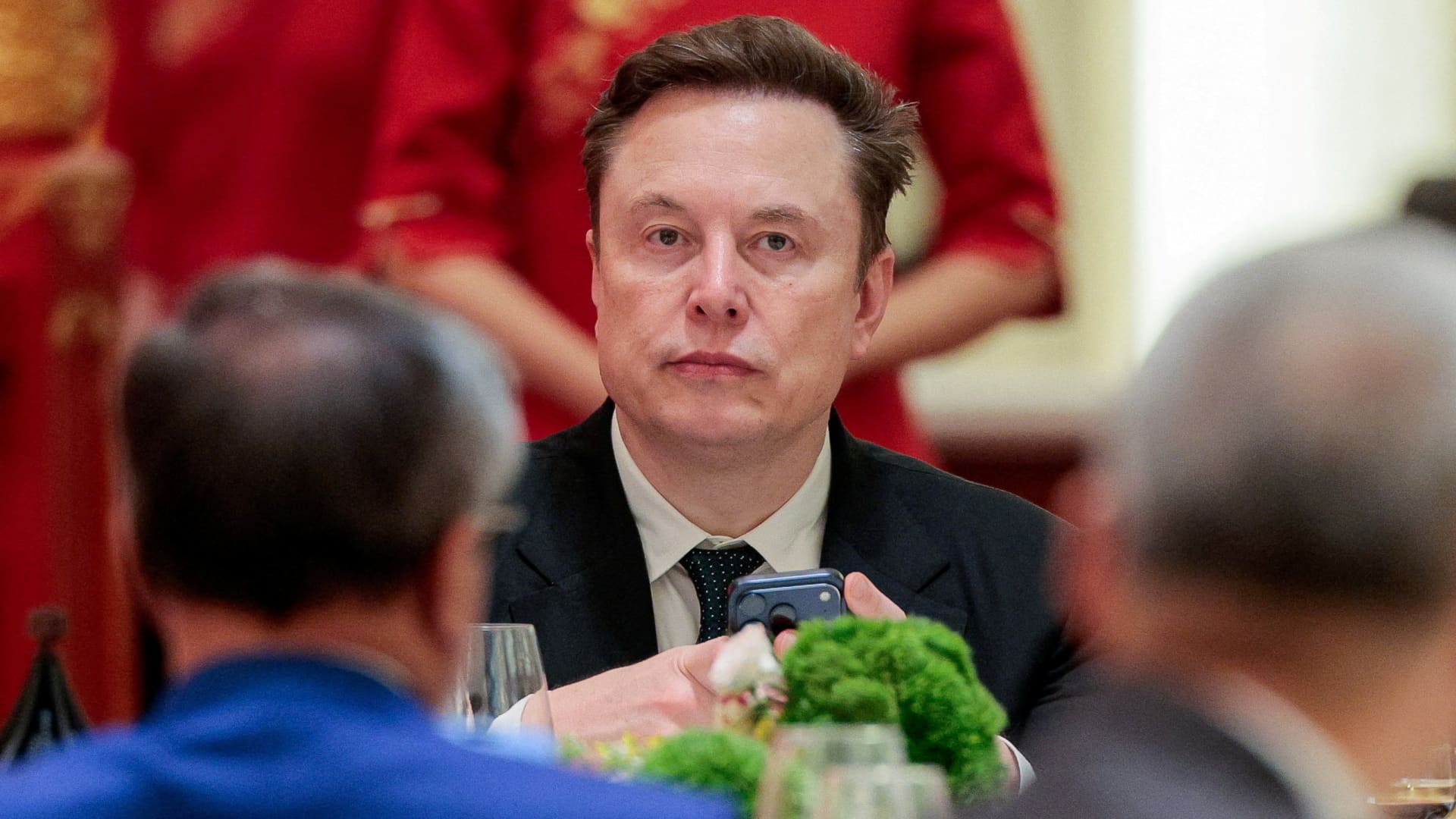
Geopolitical tensions in the Middle East have escalated sharply, placing technology giants directly in the crosshairs. Iranian state media, Fars, has issued a stark warning, declaring all of Elon Musk’s companies operating in the region as potential military targets amidst ongoing retaliatory strikes with the U.S. This critical development reshapes the landscape for global innovation, prompting a re-evaluation of security protocols and expansion strategies in volatile markets, a key concern in the evolving realm of educational tech insights.
🚀 Tech Strategy & Market Disruptions
- Escalating Geopolitical Risk. The declaration by Iranian state media transforms commercial tech infrastructure into strategic assets, significantly heightening operational risks for global companies in volatile regions.
- Starlink’s Critical Vulnerability. SpaceX’s Starlink, designed for global internet access, becomes a specific point of contention, highlighting how satellite internet infrastructure is now a factor in military and geopolitical strategies.
- Broader Tech Sector Implications. This threat extends beyond Musk’s ventures, echoing past warnings against other U.S. tech firms like Nvidia and Apple, signaling a pervasive risk for any Western tech presence in the Middle East.
Iran’s Fars news agency reported Thursday, citing an ‘informed source’, that all economic holdings managed by Elon Musk in West Asia, specifically mentioning SpaceX’s Starlink internet service and a regional ground station, would be considered military targets. This move comes as Tehran accuses the U.S. of committing war crimes, supported by companies linked to Musk.
The Islamic Revolutionary Guard Corps (IRGC) has a history of issuing such warnings, previously targeting other major U.S. tech firms including Nvidia, Apple, Microsoft, and Google, underscoring a broadening scope of perceived adversaries in the digital and economic spheres. The immediate catalyst for this latest threat appears to be a severe escalation in U.S.-Iran hostilities, with President Donald Trump warning on his own social media account that the U.S. will attack Iran ‘VERY HARD TONIGHT’, threatening to seize Kharg Island and other oil infrastructure points.
This rapid deterioration of relations, which has seen both sides launch missiles in recent days, further jeopardizes fragile peace efforts. The U.S. has accused Iran of downing an Army helicopter over the Strait of Hormuz, prompting Tuesday’s retaliatory strikes, with further U.S. actions and subsequent Iranian responses following quickly. The direct targeting of Elon Musk’s companies introduces a new dimension to this conflict, extending the battleground from traditional military assets to critical civilian and commercial infrastructure.
The implication of classifying commercial entities as military targets:
- Raises complex questions under international law regarding targeting civilian infrastructure.
- Forces tech companies to re-evaluate their risk profiles and security strategies in conflict zones.
- Underscores the dual-use nature of advanced technologies like satellite internet, which can serve both civilian connectivity and strategic communication needs.
The Iranian threat to treat commercial entities as military targets acts as a significant geopolitical shock → This creates an immediate operational risk for satellite internet providers and other tech firms in the region → Leading to potential disruption in regional digital connectivity and supply chains → Ultimately causing market uncertainty and increased insurance premiums for tech deployments in volatile areas.
“The weaponization of commercial technology assets like Starlink fundamentally alters the risk calculus for innovation-driven global expansion. CTOs must now factor in not just market dynamics and regulatory frameworks, but also the explicit potential for kinetic and cyber threats directly targeting their digital infrastructure in geopolitically sensitive regions. This demands a robust, resilient architecture capable of rapid re-deployment or secure shutdown, alongside sophisticated threat intelligence.”
Starlink’s Security & Infrastructure Strength Under Duress
SpaceX’s Starlink constellation, with its distributed network of low Earth orbit (LEO) satellites, offers a unique architecture designed for resilience against localized outages. However, ground stations, which are crucial for connecting the satellite network to the terrestrial internet backbone, represent a physical vulnerability. A threat against a ‘regional Starlink ground station’ implies a direct targeting of this critical infrastructure. The distributed nature of the LEO constellation provides inherent redundancy for the space segment, but the terrestrial links remain points of potential attack, requiring advanced physical security, cyber-defense, and potentially mobile or covert deployment strategies. This incident highlights the need for a multi-layered security approach, from encryption at the satellite level to hardened ground infrastructure.
Ecosystem Expansion Potential and Regional Headwinds
The broader ecosystem of Elon Musk’s companies, including Tesla’s potential energy or automotive ventures, and other innovative enterprises, faces significant headwinds in regions marked by such high geopolitical volatility. While the Middle East presents vast opportunities for technological adoption and digital transformation, the current environment necessitates extreme caution. Companies evaluating market entry or expansion must weigh the promise of emerging economies against tangible security risks, regulatory uncertainty, and the potential for their commercial operations to become leverage points in international disputes. This could slow down the adoption of cutting-edge emerging technologies that require substantial physical infrastructure or depend on stable cross-border operations.
Elon Musk’s Middle East Ambitions: A High-Stakes Geopolitical Chessboard
The Iranian threat against Elon Musk’s companies marks a critical turning point where commercial innovation intersects directly with escalating global conflict. This development demands a recalibration of how tech leaders perceive market risks in politically charged geographies.
- Heightened Operational Risks: Tech companies, particularly those in critical infrastructure like satellite internet, face unprecedented challenges in ensuring personnel safety and asset security in volatile regions.
- Investor Sentiment Shift: Perceived geopolitical instability could cool investor appetite for ambitious tech projects in the Middle East, impacting valuation and funding for ventures requiring significant physical presence.
- Architectural Resilience imperative: Future tech deployments must embed advanced resilience, redundancy, and potentially more flexible, less centralized operational models to mitigate direct threats.
How will this incident redefine the strategic deployment and protection of advanced technology infrastructure in conflict-prone areas globally?
📊 StockXpo Analyst’s View
Market Impact: This escalating geopolitical tension, directly involving a high-profile innovator like Elon Musk, introduces significant uncertainty into global technology market trends. Investors may shy away from companies with substantial physical footprints or strategic partnerships in volatile regions, potentially driving a flight to perceived safety in more stable markets or purely software-based enterprises. The broader energy sector, particularly oil and gas, will also likely experience heightened volatility.
Sector To Watch: Defense tech and cybersecurity firms are poised to gain as nations and corporations prioritize resilience and protection against both kinetic and cyber threats. Additionally, companies specializing in resilient, decentralized network architectures or alternative energy solutions that reduce reliance on vulnerable infrastructure could see increased strategic interest and investment.
Financial Disclaimer:
StockXpo.com is a financial news aggregator and educational portal, not a registered investment advisor or broker-dealer. All information, news, and analysis provided herein are strictly for educational purposes and do not constitute investment, financial, legal, or tax advice. Investing in the stock market involves high risks, and past performance is not indicative of future results. StockXpo will not be liable for any financial losses or investment damages. Always consult a certified financial advisor before making market decisions.
MORE IN INSIDE TECHNOLOGY
Bond Yields Under Pressure: IMF Warns of ‘Disorderly’ Spike Driven by AI Debt and Inflation
Published: Tuesday, October 13, 2026 · 1:21 AM
AI Breakthroughs: TikTok CEO Predicts Major Scientific Leap Within Three Years
Published: Monday, October 12, 2026 · 2:40 AM