Published: Monday, June 8, 2026 · 3:21 AM | Updated: Monday, June 8, 2026 · 3:21 AM
📊 273 views




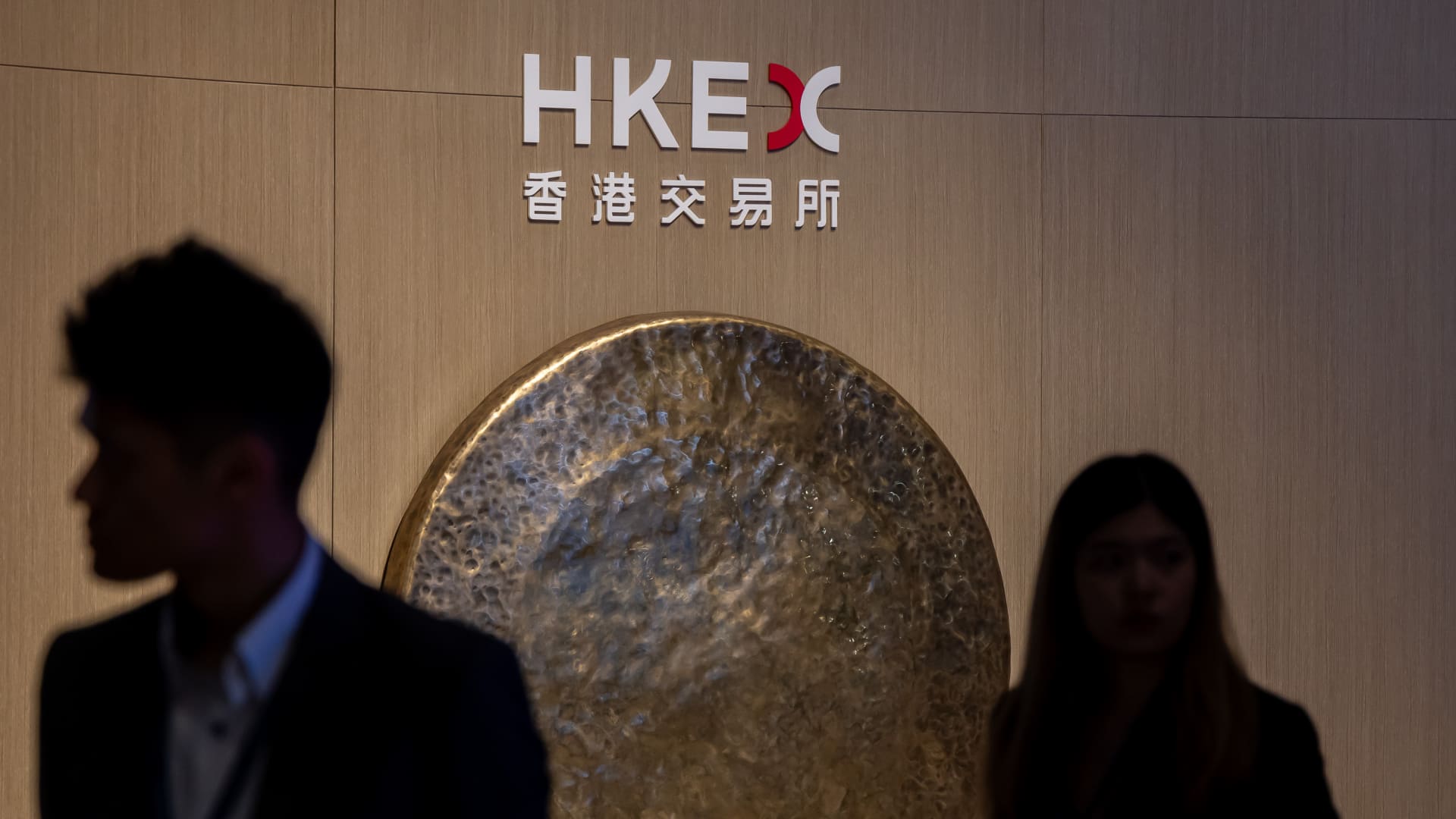
Hong Kong’s equity market, while leading globally in IPO fundraising, is grappling with a concerning trend of weak post-listing performance among its new entrants. This paradoxical situation challenges investor confidence and raises critical questions about asset valuation in one of the world’s most active financial hubs.
💰 Financial Strategy & Market Insights
- IPO Volume vs. Performance Paradox. Hong Kong leads globally in IPO capital raised, yet about half of new listings since January 2025 have traded lower in the past three months.
- Stock Connect Volatility Surge. Companies joining the Stock Connect program often see significant pre-inclusion price surges followed by steep declines, as capital shifts towards often cheaper mainland A shares.
- Shifting Investor Sentiment. The underperformance has prompted major firms like Goldman Sachs to downgrade Hong Kong H shares in favor of mainland Chinese A shares, impacting market liquidity and investment trends.
Despite being the world’s top market for initial public offerings last year, surpassing the New York Stock Exchange and Nasdaq, Hong Kong IPOs are broadly underperforming. KPMG reported strong momentum in 2025, continuing into the first quarter of this year, with over 600 companies currently awaiting listing on the Hong Kong exchange. This robust pipeline, however, belies a significant challenge.
Out of 179 listings since January 2025, approximately half have seen their stock prices decline over the past three months, according to Chinese financial-data company Wind Information. This contrasts sharply with a mild drop for the benchmark Hang Seng index and gains exceeding 10% for the FTSE Renaissance Global IPO Index over the same period, highlighting a distinct weakness within the new listings segment.
The discrepancy is particularly pronounced for companies entering the Stock Connect program, which enables mainland Chinese investors to directly engage with Hong Kong-listed equities. Many of these stocks experience dramatic price surges prior to their inclusion, only to face considerable declines afterward. For instance, out of 33 Hong Kong-listed stocks that joined the Connect on March 9, over half had more than doubled in price between their IPO and the last trading day before inclusion, with some, like AI startup Deepexi, surging over 300%. All eight top performers from this group have since dropped by 10% or more, with Deepexi down a staggering 51% as of early June.
This trend has not gone unnoticed by regulators and market observers. State-backed Securities Times highlighted concerns over these sharp rallies and subsequent declines, indicating growing official scrutiny. Leonid Mironov, portfolio manager at Gavekal, suggests that capital frequently retreats to mainland China’s often cheaper A shares once these stocks have joined the Connect program, creating an arbitrage opportunity that undermines sustained performance. Ding Wenjie of China Asset Management Co. noted that some funds in Hong Kong have actively capitalized on Connect inclusion to generate additional returns. Investors looking for broad market analysis might find this phenomenon particularly relevant to their strategies.
While Goldman Sachs predicted a robust $60 billion in Hong Kong listings this year, nearly double the $36 billion raised in 2025, the investment firm recently downgraded Hong Kong H shares in favor of mainland Chinese A shares, citing greater exposure to artificial intelligence hardware plays. This strategic shift reflects a broader concern about the underlying value proposition of new listings. Benjamin Cavender, managing director at China Market Research Group, commented on the pressure on China’s financial sector, attributing it to low fees, weaker fundraising, and intensifying competition, which has ‘probably placed a focus on short-term performance.’ HKEX itself stated that share price performance is influenced by a range of factors, but the consistent underperformance of new Hong Kong IPOs suggests deeper structural issues.
Navigating the Volatility: Risk vs. Reward for Hong Kong Listings
- Upside:
- Continued high volume of IPOs, maintaining Hong Kong’s status as a leading fundraising hub.
- Access for mainland investors to international capital via Stock Connect, fostering market depth.
- Potential for select high-quality companies to deliver strong long-term returns, especially in emerging sectors like AI.
- Downside Risks:
- Erosion of investor confidence due to consistent underperformance, leading to reduced participation.
- Increased volatility and speculative trading around Stock Connect inclusion, creating unsustainable price swings.
- Potential for capital flight from Hong Kong H shares to mainland A shares, impacting market liquidity and valuations.
- Greater regulatory scrutiny from Beijing, potentially leading to new restrictions or policy changes affecting listings.
The ‘H-share discount’ refers to the phenomenon where shares of a company dual-listed in mainland China (A-shares) and Hong Kong (H-shares) often trade at a lower valuation in Hong Kong. This discount can be driven by factors such as differing investor bases, liquidity dynamics, regulatory environments, and restrictions on capital flow, often encouraging arbitrage opportunities or capital reallocation post-Stock Connect inclusion.
Key Metrics of Hong Kong’s IPO Market
- Companies awaiting listing (as of Thursday): 600+
- IPOs since Jan 2025 with underperformance: ~50% of 179 listings
- Goldman Sachs 2025 HK listing funds: $36 Billion
- Goldman Sachs 2026 HK listing forecast: $60 Billion
- Deepexi post-Stock Connect decline: 51% (as of June 3)
Hong Kong IPOs Liquidity Analysis
The significant underperformance of new listings in Hong Kong has direct implications for market liquidity, particularly in the secondary market. A continuous influx of new shares that fail to hold their value can saturate the market, making it harder for subsequent IPOs to find sustained investor interest. This trend may lead to reduced trading volumes and wider bid-ask spreads for newly listed companies, impacting their ability to raise follow-on capital or for early investors to exit positions efficiently. Furthermore, the observed capital shifts from H-shares to A-shares post-Stock Connect inclusion indicate a strategic re-evaluation of liquidity and valuation by large institutional players. This dynamic risks creating pockets of illiquidity in specific segments of the Hong Kong market, particularly among smaller, less established companies. For deeper educational financial insights, understanding these liquidity patterns is crucial.
Hong Kong Market Sentiment Tracker
Market sentiment surrounding new listings in Hong Kong appears to be increasingly cautious, tempered by recent performance trends. While the sheer volume of companies seeking to list suggests a robust appetite for capital raising, the post-IPO declines are likely fostering skepticism among retail and institutional investors alike. The commentary from state-backed media and the strategic reallocations by major investment banks like Goldman Sachs serve as strong indicators of this shift. This cautious sentiment is further reinforced by analyst observations on the short-term focus driven by competitive pressures within China’s financial sector. Sustained weak performance risks dampening overall market enthusiasm, potentially impacting future fundraising efforts and the long-term attractiveness of Hong Kong as a listing destination, a sentiment reflected in global market reporting, such as Reuters financial updates.
Hong Kong IPOs: Navigating the Post-Listing Performance Challenge
The contrasting narratives of Hong Kong’s booming IPO market and the subsequent underperformance of its new listings present a complex challenge for investors and regulators alike. While the sheer volume of capital raised signifies the city’s enduring appeal as a financial gateway, the deteriorating post-listing share prices signal underlying structural issues and shifting capital dynamics.
- The allure of Hong Kong as an IPO hub persists, attracting hundreds of companies despite performance concerns.
- Capital flows facilitated by Stock Connect are creating significant pre- and post-inclusion volatility, benefiting short-term strategies but harming long-term investors.
- A strategic reassessment of asset valuation and risk management is underway among institutional investors, favoring mainland A shares for stability and specific sector exposure.
How will the Hong Kong exchange address these performance discrepancies to restore long-term investor confidence and ensure sustainable market growth?
📊 StockXpo Analyst’s View
Market Impact: This trend of IPO underperformance will undoubtedly impact investor sentiment, particularly towards growth-oriented new listings. While liquidity remains high for marquee offerings, speculative capital around Stock Connect inclusions introduces significant volatility. We foresee a cautious approach from institutional investors, prioritizing companies with clear long-term value and less prone to arbitrage-driven swings, potentially leading to increased scrutiny of pre-IPO valuations.
Sector To Watch: The article highlights artificial intelligence hardware plays as a beneficiary of shifting capital to mainland A shares. Investors should closely monitor the broader technology sector, especially companies with dual-listing potential or those anticipating Stock Connect inclusion, as these are most susceptible to the observed performance dynamics and capital reallocations.
Financial Disclaimer:
StockXpo.com is a financial news aggregator and educational portal, not a registered investment advisor or broker-dealer. All information, news, and analysis provided herein are strictly for educational purposes and do not constitute investment, financial, legal, or tax advice. Investing in the stock market involves high risks, and past performance is not indicative of future results. StockXpo will not be liable for any financial losses or investment damages. Always consult a certified financial advisor before making market decisions.
MORE IN INSIDE FINANCE

AI Stock Boom Fuels $67 Billion Equities Growth for Wall Street Giants
Published: Wednesday, October 21, 2026 · 11:03 AM

New Risks Emerge: Global Finance Chiefs Highlight Debt, AI, and Geopolitical Volatility
Published: Tuesday, October 20, 2026 · 2:12 AM