Published: Tuesday, June 2, 2026 · 6:48 AM | Updated: Tuesday, June 2, 2026 · 6:48 AM
📊 262 views




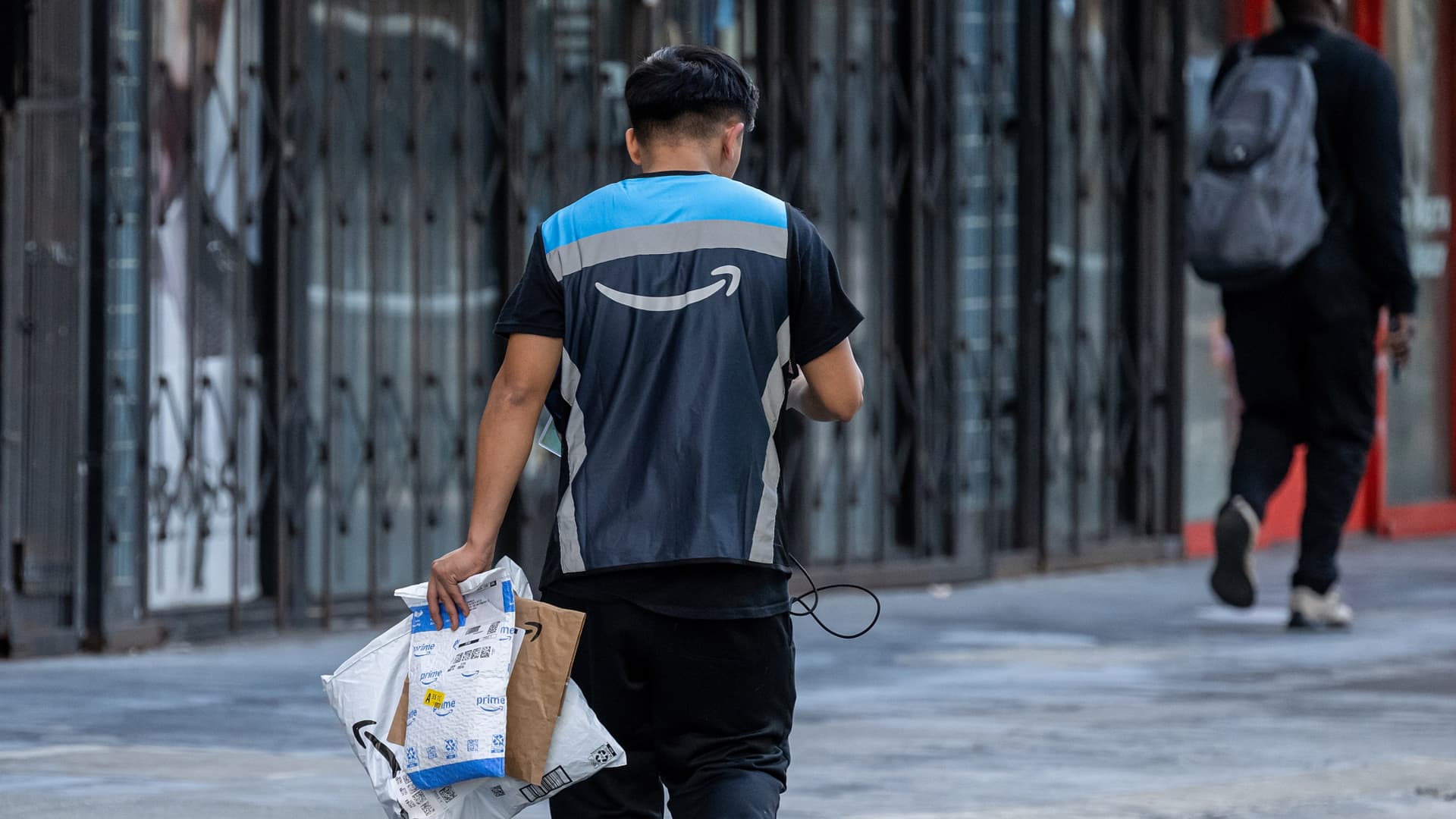
Amazon is set to launch its annual Prime Day event for four days, from June 23 to June 26, marking a significant push to drive consumer engagement and subscription growth amidst prevailing inflationary pressures. This extended shopping period highlights Amazon’s strategic adaptation to evolving market conditions, prioritizing essential goods and loyalty program expansion.
🚀 Tech Strategy & Market Disruptions
- Extended Engagement. Amazon’s four-day Prime Day event aims to maximize browsing and purchasing activity, reflecting observed member behavior from previous years.
- Inflationary Focus. Promotions are heavily skewed towards groceries and household essentials, directly addressing consumer concerns over rising costs and weak sentiment.
- Loyalty & Retention. The event remains a critical mechanism for acquiring new $139-a-year Prime members and deepening engagement with existing subscribers.
The global e-commerce giant is extending its much-anticipated Prime Day event to four days this year, a decision directly informed by prior customer engagement metrics. Running from June 23 to June 26, this prolonged sale period, first implemented last year, allows Amazon to capitalize on sustained shopper interest, encouraging multiple visits and purchases throughout the duration, as reported by CNBC. This approach is particularly critical as U.S. consumer sentiment reached a record low in May, largely influenced by high inflation and geopolitical tensions.
In response to these economic headwinds, Amazon’s strategy for this year’s Prime Day is notably shifting towards utility over luxury. Jamil Ghani, Amazon’s vice president of Prime, confirmed that groceries and household essentials would be a ‘real focus’ of promotions, with deep discounts on items like produce, meats, and personal care products. This move acknowledges that consumers are increasingly leveraging discount events to stock up on necessities, a trend observed in recent years where items like trash bags and dishwasher pods garnered significant attention alongside popular electronics. For instance, shoppers are expected to find hot dog buns and meats for as low as $1, with some personal care items reduced by half. This strategic adaptation to current economic realities showcases how dynamic retail platforms are evolving, a trend often discussed in relation to emerging technologies.
- This strategic pivot underscores Amazon’s agility in adapting its marketing and sales tactics to prevailing economic realities, focusing on immediate consumer needs rather than aspirational purchases.
The shift towards a longer Prime Day event, coupled with a focus on essentials, represents a strategic disruption in traditional seasonal retail. An extended event (Cause) allows for more sustained engagement and purchasing opportunities (Effect), which in turn drives higher Prime membership acquisition and retention (Further Effect). This strategy directly addresses inflationary pressures by providing value on high-frequency purchases (Cause), enabling Amazon to capture a larger share of household spending (Effect) and consolidate its market position against competitors who may struggle to match such comprehensive discount events (Market Disruption).
‘Amazon’s extended Prime Day is more than just a sales event; it is a sophisticated data-driven mechanism for customer lifecycle management. By observing browsing patterns and purchase behaviors over multiple days, Amazon refines its recommendation algorithms and inventory management, effectively turning a discount promotion into a continuous, personalized shopping experience that reinforces subscriber loyalty. This granular understanding of consumer interaction is a core component of its digital transformation strategy,’ notes a StockXpo Lead Solution Architect.
Key Operational Insights from Prime Day 2026:
- Event Duration: Four days (June 23-26), extended from previous shorter durations.
- Promotional Focus: Heavily weighted towards groceries, household essentials, and personal care items.
- Consumer Behavior: Observed extended browsing and purchasing over multiple days, driving the four-day decision.
- Loyalty Goal: A primary driver for new Prime member acquisition ($139/year program) and retention.
Navigating Market Adoption Challenges Through Prime Day
In an economic climate marked by dwindling consumer sentiment and persistent inflation, driving widespread market adoption and sustained purchasing beyond existing loyalty programs presents a significant challenge. Amazon’s decision to heavily discount essentials during Prime Day is a direct response to these pressures. By making products like basic groceries and personal care items central to the event, Amazon aims to alleviate financial strain for households, thereby making the Prime subscription offering more attractive and indispensable. This strategy implicitly addresses the challenge of converting price-sensitive consumers into loyal subscribers, leveraging immediate savings to build long-term relationships. It’s a calculated risk, trading higher margins for increased market penetration and customer lifetime value, a key component of Amazon’s broader technology market trends strategy for growth.
Ecosystem Expansion Potential in an Inflationary Environment
Beyond direct sales, Prime Day serves as a powerful catalyst for the expansion of Amazon’s broader ecosystem. The event promotes not just third-party sellers but also Amazon’s own branded products and services, from Echo smart speakers to various digital subscriptions. In an inflationary environment, where consumers are more discerning about discretionary spending, offering deep discounts on these ecosystem components can lower the barrier to entry, fostering greater integration into Amazon’s interconnected suite of offerings. This includes leveraging new opportunities in emerging technologies and supply chain services, as highlighted by recent discussions around Amazon Supply Chain Services. This cross-promotional synergy strengthens the platform’s overall value proposition, making the annual membership a more compelling investment even when household budgets are tighter, a perspective often echoed in Forbes’ coverage of tech innovation.
Prime Day’s Strategic Adaptability in a Volatile Market
Amazon’s expanded Prime Day is a clear signal of its adaptive strategy to global economic shifts, demonstrating a keen understanding of consumer behavior in an inflationary landscape. By extending the event duration and focusing on essential goods, Amazon aims to reinforce its position as an indispensable service provider, not just a retail platform.
- The event is crucial for Prime membership growth and retention amidst economic uncertainty.
- A pivot to essential goods reflects a pragmatic response to declining consumer sentiment.
- Longer duration allows for deeper engagement and sustained promotional impact.
How will this refined Prime Day strategy reshape consumer expectations for future e-commerce events and loyalty programs across the industry?
📊 StockXpo Analyst’s View
Market Impact: Amazon’s intensified focus on essentials for Prime Day could provide a significant boost to its retail segment’s revenue, especially in categories traditionally dominated by brick-and-mortar stores. This move might attract defensive investor sentiment seeking stability in consumer staples within the e-commerce giant’s portfolio.
Sector To Watch: The broader retail sector will be watching closely. Competitors, particularly those in grocery and household goods, may face increased pressure to offer similar discounts, potentially impacting their margins. For deeper educational tech insights, explore StockXpo’s offerings.
Financial Disclaimer:
StockXpo.com is a financial news aggregator and educational portal, not a registered investment advisor or broker-dealer. All information, news, and analysis provided herein are strictly for educational purposes and do not constitute investment, financial, legal, or tax advice. Investing in the stock market involves high risks, and past performance is not indicative of future results. StockXpo will not be liable for any financial losses or investment damages. Always consult a certified financial advisor before making market decisions.
MORE IN INSIDE TECHNOLOGY

SK Hynix Shares Rebound: A Strategic Shift in Semiconductor Funding
Published: Friday, October 23, 2026 · 1:46 AM

AI Innovation Fuels Southeast Asia’s Digital Growth
Published: Thursday, October 22, 2026 · 12:36 AM