Published: Monday, June 1, 2026 · 6:42 PM | Updated: Monday, June 1, 2026 · 6:42 PM
📊 191 views




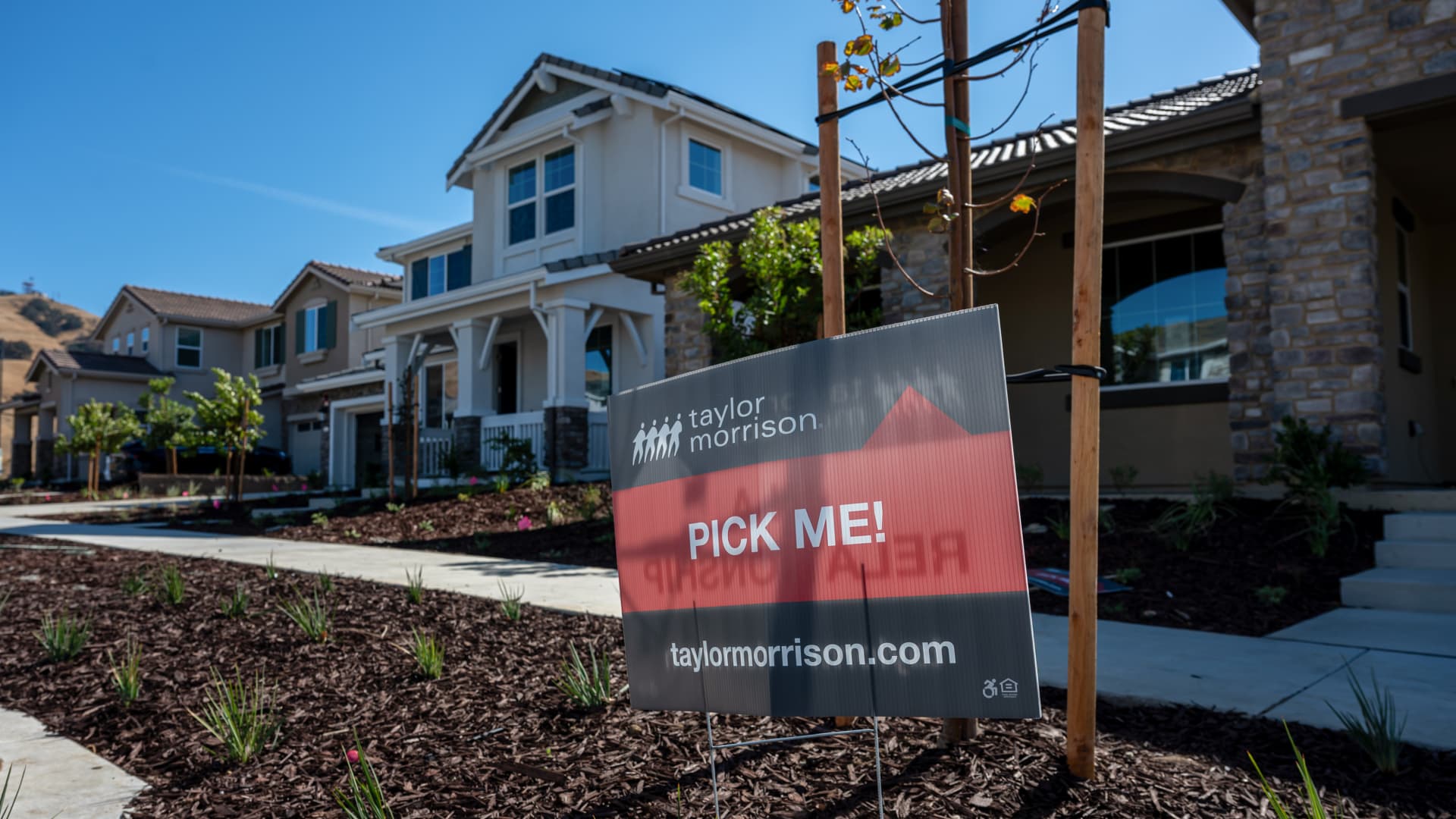
In a move that has sent ripples through the real estate sector, Berkshire Hathaway has agreed to acquire top homebuilder Taylor Morrison Home for $6.8 billion. This significant transaction, priced at a 24% premium, arrives amidst a challenging period for the U.S. housing market, characterized by volatile mortgage rates and elevated construction costs, prompting industry observers to consider if this acquisition signals a turning point.
🗝️ Corporate Strategy Insights
- Long-Term Vision Capitalizes on Market Lull. Berkshire Hathaway’s acquisition strategy appears to be leveraging the current downturn, anticipating a cyclical recovery in the housing sector over the next decade.
- Valuation Confidence from Sophisticated Buyers. The deal suggests that discerning investors, like Berkshire, believe current valuations in the housing market have reached a floor, making it an opportune moment for strategic acquisition.
- Consolidation Amidst Industry Headwinds. The acquisition occurs as the U.S. housing market faces significant pressures, indicating a potential wave of consolidation as stronger entities absorb weaker ones or acquire market share at favorable terms.
The agreement, revealed on Sunday, has caught many off guard, yet analysts largely see it as a logical move, interpreting Berkshire’s investment as a strong vote of confidence in the eventual recovery of the housing market. This comes at a time when the industry grapples with economic uncertainties, including fluctuating interest rates and declining consumer sentiment, further exacerbated by geopolitical tensions.
Taylor Morrison, a prominent player in the homebuilding landscape, had outlined an ambitious growth strategy approximately 15 months prior. Sheryl Palmer, CEO of Taylor Morrison, acknowledged shifts in market dynamics but reaffirmed commitment to the company’s long-term targets, emphasizing the rare alignment in long-term investment horizons between Taylor Morrison’s business cycles and Berkshire Hathaway’s patient capital approach.
- This strategic acquisition by Berkshire Hathaway positions them to benefit from a potential rebound in home prices and sales volumes.
- The deal underscores a trend where major conglomerates are looking to acquire undervalued assets during economic downturns for long-term appreciation.
- The premium paid suggests Berkshire sees significant intrinsic value in Taylor Morrison beyond its current market valuation, anticipating future growth.
Industry experts, such as Margaret Whelan, founder and CEO of Whelan Advisory, suggest that such moves by sophisticated buyers indicate a belief that market valuations have bottomed out. She posits that protracted market downturns often see stock prices reflecting fundamental shifts, implying that the housing market itself may be nearing a stabilization point, despite ongoing uncertainties regarding interest rates.
Why This Deal Matters for Homebuilders
John Burns, founder and CEO of John Burns Research and Consulting, noted that while the near-term outlook for the housing market remains subdued, long-term investors like Berkshire are viewing this period as a prime opportunity to acquire robust companies. This perspective aligns with acquisitions by other international players, such as Sumitomo Forestry’s recent purchase of Tri Pointe Homes, highlighting a broader trend of foreign investment in the U.S. housing sector, with Japanese firms now owning a significant number of U.S. homebuilders.
The Berkshire Hathaway acquisition of Taylor Morrison Home is a powerful indicator that sophisticated, long-term capital views the current housing market as having bottomed, setting the stage for a strategic entry ahead of a potential recovery.
While recent data shows a year-over-year decline in new home sales and a dip in housing starts and permits, homebuilder sentiment has remained in negative territory for an extended period. Whelan anticipates a potential market bottom, suggesting that buying six months to a year ahead of an expected recovery in 2027 is a reasonable strategy for a company with Berkshire’s investment horizon.
Berkshire Hathaway’s Strategic Vision
Berkshire Hathaway’s capital allocation decisions are always closely scrutinized, and this move into the homebuilding sector is no exception. By acquiring Taylor Morrison, Warren Buffett’s conglomerate is making a substantial bet on the resilience and long-term growth potential of the U.S. real estate market. This strategy capitalizes on depressed valuations, a common tactic for value investors seeking to acquire assets at a discount before market conditions improve.
Taylor Morrison’s Competitive Advantages
Taylor Morrison, as one of the nation’s leading homebuilders, brings a substantial operational footprint and established brand recognition to the table. Its multi-year growth plan, even with acknowledged market shifts, provides a foundation for Berkshire to build upon. The company’s experience navigating different market cycles and its positioning in key growth regions will be crucial assets post-acquisition.
The housing market is intrinsically cyclical, influenced by economic factors, interest rates, and consumer confidence. The current environment presents a complex interplay of these elements, making forecasting difficult. However, major market participants, armed with extensive research and a long-term perspective, are making calculated bets.
| Indicator | Current Trend | Significance |
|---|---|---|
| New Home Sales (YoY) | -11.3% (April) | Indicates current demand weakness but potential for rebound. |
| Homebuilder Sentiment Index | Negative Territory (2 years) | Signals ongoing challenges in builder confidence, but a potential precursor to improvement. |
| Construction Costs | Elevated | Impacts profitability, but acquisition may offer scale efficiencies. |
The housing market’s path to recovery remains contingent on several factors, including stabilization of interest rates and a broader economic upturn.
The Housing Market’s Next Chapter
Berkshire Hathaway’s significant investment in Taylor Morrison Home suggests a strong conviction that the current downturn in the housing market is nearing its end. This bold move by a venerable investor indicates an opportune moment for acquisition, potentially setting a precedent for future market activity.
- The deal is a strong signal of perceived value and future growth potential within the housing sector.
- Berkshire’s long-term investment horizon aligns with industry cycles, anticipating a significant market recovery.
- Competitors and other market participants will be watching closely for signs of a sustained upward trend following this major acquisition.
Will this strategic acquisition by Berkshire Hathaway indeed mark the definitive bottom for the U.S. housing market, or does it represent a calculated gamble on a complex economic landscape?
📊 StockXpo Analyst’s View
Market Impact: This acquisition injects a significant level of confidence into the housing sector, potentially stimulating investor sentiment and increasing liquidity as other long-term players re-evaluate their positions. It could also lead to increased M&A activity among homebuilders and related industries.
Sector To Watch: Beyond homebuilders, this news is particularly relevant for sectors involved in construction materials, real estate finance, and companies providing home services, as a housing market recovery would boost demand across these interconnected industries.
Financial Disclaimer:
StockXpo.com is a financial news aggregator and educational portal, not a registered investment advisor or broker-dealer. All information, news, and analysis provided herein are strictly for educational purposes and do not constitute investment, financial, legal, or tax advice. Investing in the stock market involves high risks, and past performance is not indicative of future results. StockXpo will not be liable for any financial losses or investment damages. Always consult a certified financial advisor before making market decisions.
MORE IN INSIDE BUSINESS

Housing investors Face Worst Market in 3 Years: A Warning
Published: Friday, August 14, 2026 · 11:09 AM