Published: Friday, May 29, 2026 · 1:45 PM | Updated: Friday, May 29, 2026 · 1:45 PM
📊 200 views





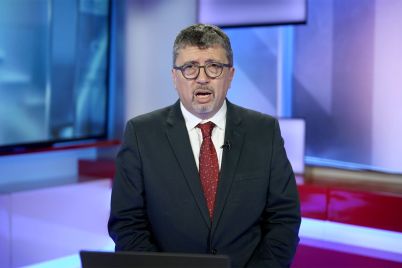
Federal Reserve Governor Michelle Bowman has voiced concerns against increasing interest rates in response to the recent surge in inflation. Her remarks suggest a cautious approach, emphasizing the potential for policy to over-restrain economic activity when dealing with transient price increases.
💰 Financial Strategy & Market Insights
- Policy Restraint Risk. Bowman argues that aggressive policy action against temporary energy inflation could unnecessarily impede economic growth and labor market conditions.
- Inflation Gauge Divergence. While headline PCE inflation is elevated, Bowman points to core measures like the Dallas Fed’s trimmed mean index suggesting inflation closer to the 2% target.
- Geopolitical Influence on Policy. The duration of the conflict with Iran is a key factor; prolonged hostilities could necessitate a reassessment of the balance of risks by policymakers.
Bowman’s stance, delivered at a conference in Reykjavík, Iceland, contrasts with market expectations that have largely priced out any interest rate cuts this year and anticipates potential hikes in early 2027. This divergence highlights the ongoing debate within the Federal Reserve regarding the appropriate response to inflationary pressures, particularly those driven by volatile energy prices.
The latest data from the Commerce Department showed the personal consumption expenditures (PCE) price index rose 3.8% in April, with core PCE (excluding food and energy) at 3.3%. However, Bowman indicated that research supports a less aggressive policy reaction to temporary energy shocks, suggesting that such measures could inflict undue harm on the economy.
The Nuances of Inflation Measurement
Bowman drew attention to the fact that certain inflation gauges, like the Dallas Fed’s trimmed mean index, which strips out extreme price fluctuations, indicate inflation running much closer to the Fed’s 2% target at 2.3% over the past 12 months. This suggests that while headline figures may appear alarming, underlying inflation trends could be more moderate.
- The efficacy of policy adjustments for energy-driven inflation spikes is questioned.
- Research suggests a non-aggressive policy stance is warranted for temporary energy shocks.
- The duration of geopolitical conflicts, such as the one with Iran, significantly influences the outlook for inflation and potential policy shifts.
She also affirmed her support for the Federal Open Market Committee’s (FOMC) recent statement, which maintained language suggesting the next policy move could be a rate cut. This is despite three committee members dissenting, reportedly due to the inclusion of forward guidance language indicating potential future rate changes. This internal disagreement underscores the complexity of setting monetary policy in the current environment.
Navigating the Interest Rate Landscape
The market’s interpretation of the Fed’s future path for interest rates is crucial for asset valuation and capital allocation. Bowman’s comments introduce a degree of uncertainty, potentially influencing bond yields and equity market sentiment. Investors are closely watching for any signals that might deviate from the anticipated hawkish trajectory, especially if inflation proves stickier than expected or if geopolitical tensions escalate further.
For those analyzing financial markets, understanding these differing perspectives within the Fed is key to gauging the likely trajectory of monetary policy. The emphasis on the temporary nature of energy price surges suggests a reluctance to implement tightening measures that could stifle economic recovery.
Technical Insight: The Personal Consumption Expenditures (PCE) price index is the Federal Reserve’s preferred inflation gauge. Unlike the Consumer Price Index (CPI), PCE tends to capture a broader range of consumer spending and adjusts for changes in consumer behavior more readily, making it a valuable tool for policymakers assessing underlying inflationary pressures and the appropriate level of interest rates. This focus on the PCE suggests the Fed is keen on understanding the sustained drivers of inflation beyond temporary commodity price swings.
The yield curve dynamics, particularly for shorter-duration government bonds, are sensitive to expectations about future Fed actions. If the market begins to price in a higher probability of rate hikes, these yields could climb, potentially impacting borrowing costs across the economy. This scenario could lead to increased volatility in fixed-income markets, affecting investment strategies.
Fed’s Interest Rate Path: A Balancing Act
The central bank faces a delicate balancing act: controlling inflation without derailing economic growth or exacerbating labor market weakness. Bowman’s perspective highlights the importance of data-driven decisions and a measured response to inflation that may be influenced by external factors like energy supply disruptions.
- Upside Risks: Persistent geopolitical instability leading to sustained higher energy prices, a broader wage-price spiral developing, or stronger-than-expected consumer demand could necessitate tighter monetary policy sooner than anticipated.
- Downside Risks: Overly aggressive rate hikes could trigger a recession, lead to significant job losses, and depress asset valuations. A misjudgment of the inflation’s persistence could also lead to policy being out of sync with economic conditions.
Fed Governor Bowman’s Influence on Market Sentiment
Fed Governor Bowman’s commentary on interest rates offers a critical perspective for investors seeking to understand the central bank’s internal deliberations. Her emphasis on avoiding undue policy restraint underscores a potential divergence from more hawkish elements on the FOMC, which could lead to nuanced market reactions.
Interest Rates and Economic Activity
The relationship between interest rates and overall economic activity is a cornerstone of monetary policy. When rates rise, borrowing becomes more expensive, potentially slowing consumer spending and business investment. Conversely, lower rates can stimulate the economy.
US Interest Rate Outlook: A Shifting Tide?
Fed Governor Bowman’s cautious outlook on raising interest rates suggests that the path forward for monetary policy may be more complex than initially perceived. This nuanced perspective could influence market expectations and investment strategies in the coming months.
- Fed Governor Bowman’s dovish leanings on rate hikes could offer a counterpoint to hawkish sentiment.
- The market is closely watching for signs of inflation persistence versus temporary price shocks.
- Geopolitical developments remain a significant wildcard in the inflation and interest rate debate.
Will central banks globally find a consensus on managing inflation without stifling post-pandemic economic recovery?
📊 StockXpo Analyst’s View
Market Impact: Governor Bowman’s remarks introduce a layer of potential dovishness to the Fed’s outlook, which could temper expectations for aggressive rate hikes. This might lead to some relief in bond markets and provide support for equities, although overall market direction will heavily depend on incoming inflation data and geopolitical stability.
Sector To Watch: Interest-rate sensitive sectors like technology and real estate could see fluctuating sentiment. However, energy companies might benefit from continued price volatility, while defensive sectors could gain if recession fears resurface due to potential policy missteps. The cautious tone might also favor growth-oriented assets if it suggests a lower terminal rate for interest rates.
Financial Disclaimer:
StockXpo.com is a financial news aggregator and educational portal, not a registered investment advisor or broker-dealer. All information, news, and analysis provided herein are strictly for educational purposes and do not constitute investment, financial, legal, or tax advice. Investing in the stock market involves high risks, and past performance is not indicative of future results. StockXpo will not be liable for any financial losses or investment damages. Always consult a certified financial advisor before making market decisions.
MORE IN INSIDE FINANCE
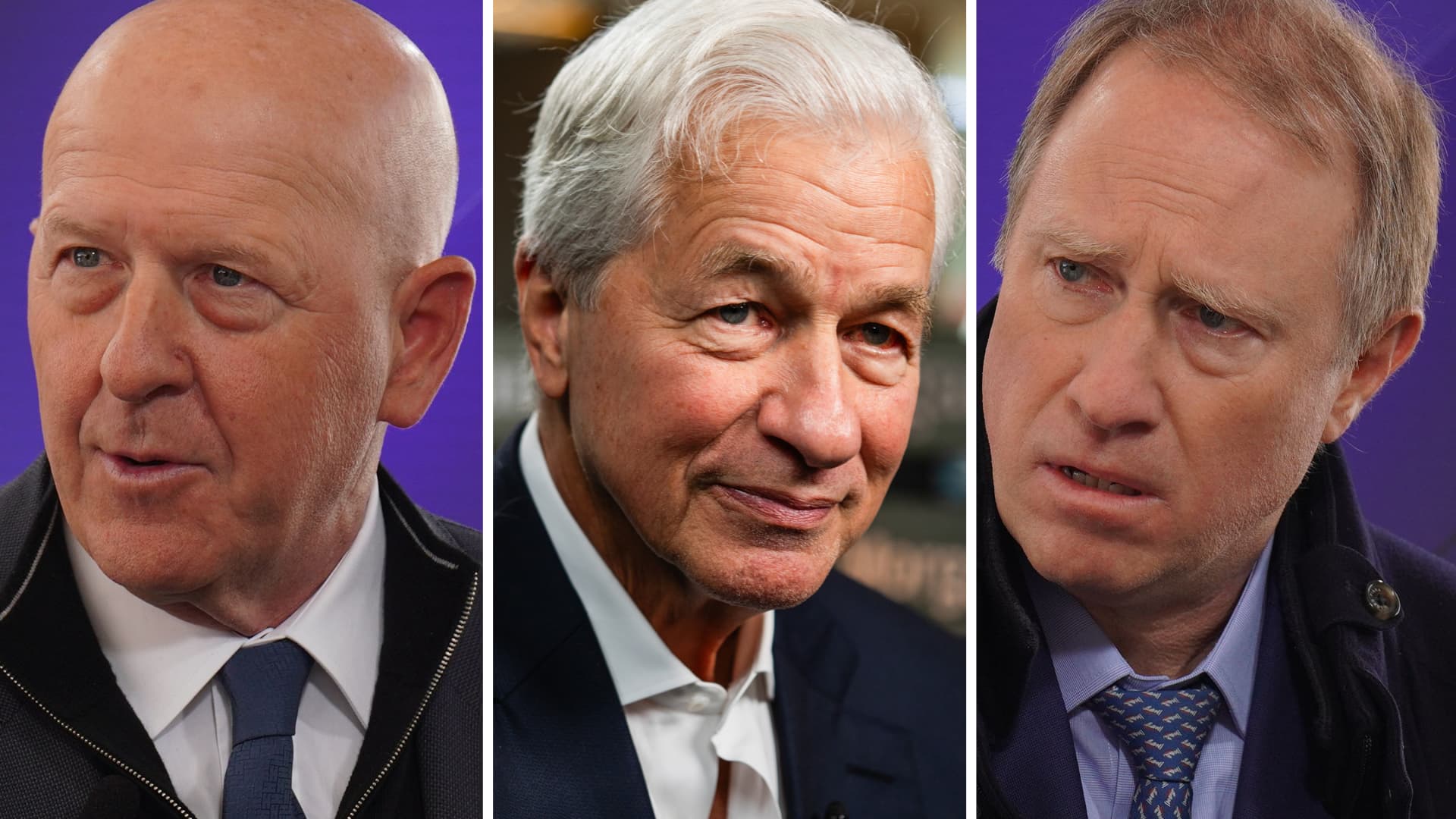
AI Stock Boom Fuels $67 Billion Equities Growth for Wall Street Giants
Published: Wednesday, October 21, 2026 · 11:03 AM
New Risks Emerge: Global Finance Chiefs Highlight Debt, AI, and Geopolitical Volatility
Published: Tuesday, October 20, 2026 · 2:12 AM