Published: Thursday, May 28, 2026 · 9:29 PM | Updated: Thursday, May 28, 2026 · 9:29 PM
📊 204 views




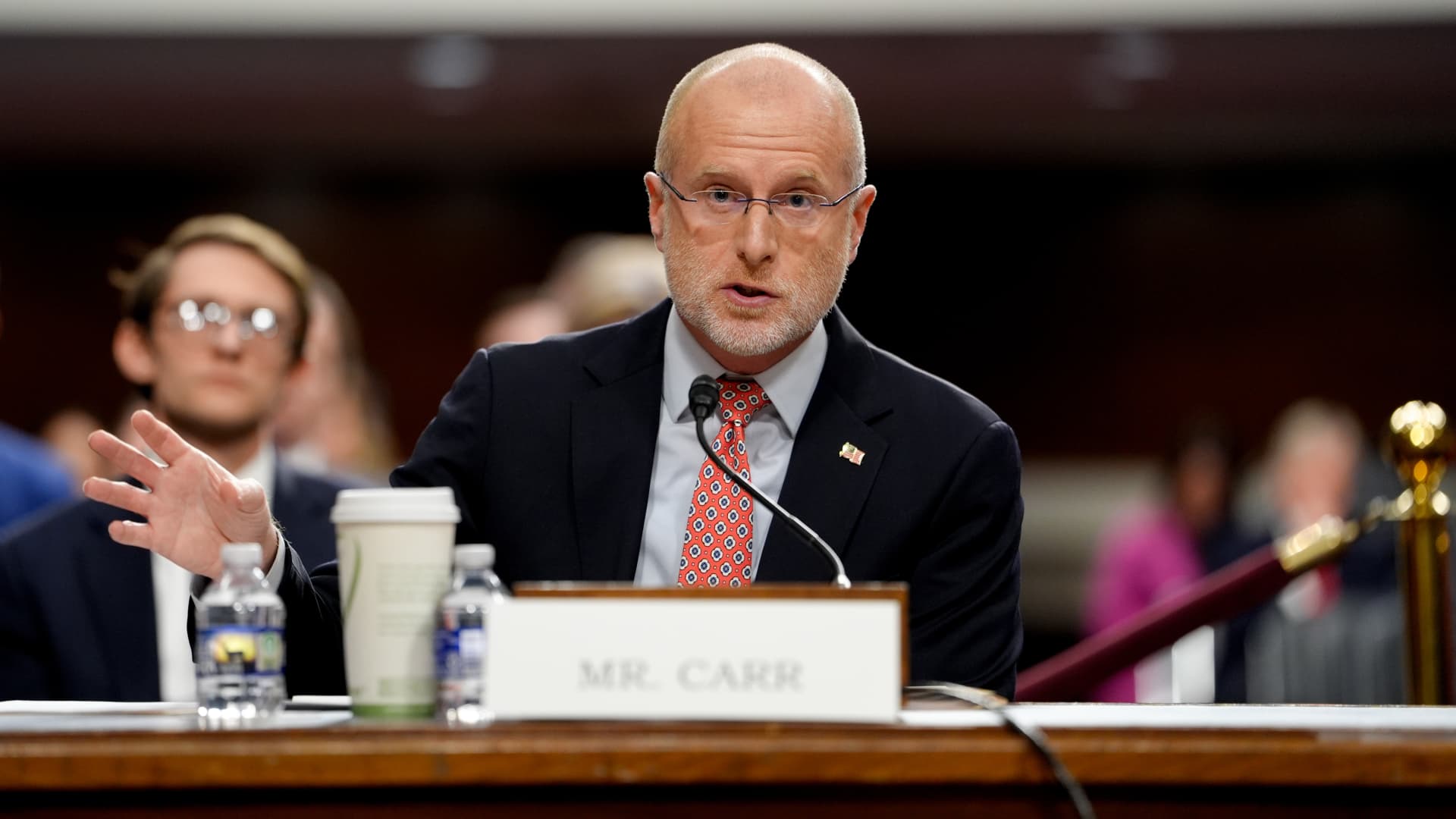
Disney has escalated its dispute with the Federal Communications Commission (FCC), filing for early broadcast license renewals under protest. This move signals a significant challenge to the FCC’s authority and the regulatory landscape for major media conglomerates, raising questions about government oversight and corporate autonomy.
🗝️ Corporate Strategy Insights
- Regulatory Challenge. Disney is directly confronting the FCC’s early license renewal process, labeling it as unlawful and unconstitutional, indicating a potential for protracted legal battles over regulatory power.
- DEI Scrutiny as Pretext. The company suggests the FCC’s focus on Diversity, Equity, and Inclusion (DEI) efforts, which triggered the early review, might be a politically motivated pretext for regulatory action, rather than a genuine compliance concern.
- Operational Continuity Defense. By filing under protest, Disney aims to ensure operational continuity for its eight ABC-affiliated stations while simultaneously challenging the legitimacy of the FCC’s intrusive oversight.
Disney’s Bold Stance Against FCC Overreach
Disney has fired back at the FCC, submitting its broadcast license renewal applications for eight stations ‘under protest.’ The company contends that the FCC’s demand for an early renewal, initiated years ahead of schedule, constitutes an ‘unlawful, arbitrary, and unconstitutional order.’ This aggressive response comes after the FCC announced an early review of Disney-owned ABC stations, citing concerns about the company’s diversity, equity, and inclusion (DEI) initiatives. The licenses were originally set for renewal between 2028 and 2031, making the FCC’s current actions highly unusual.
The FCC’s investigation into Disney’s DEI efforts began last March, alleging possible violations of the Communications Act of 1934 and rules prohibiting unlawful discrimination. The commission stated that further action was necessary, prompting Disney’s Thursday deadline for filings. This regulatory pressure intensified following renewed political backlash against ABC, particularly after comments made by comedian Jimmy Kimmel on his late-night show, which airs on the network. Critics, including a sitting FCC commissioner, have suggested that the timing of the FCC’s scrutiny is politically motivated.
- The FCC’s early review is unprecedented in over five decades, according to Disney’s filings.
- Disney argues that the FCC’s order lacks a legitimate purpose and that the commission could obtain any necessary information through less intrusive means.
- The company asserts the order is inconsistent with legitimate investigative authority and violates the First Amendment.
This confrontation highlights a critical tension between media regulation and corporate operations. Disney’s legal challenge could set a precedent for how broadcasters respond to what they perceive as politically influenced or overly aggressive regulatory actions. The company’s argument that the FCC’s investigation is incompatible with First Amendment rights underscores the potential constitutional implications of this dispute. Investors and industry observers are closely watching this regulatory skirmish, which could impact the broader media landscape and the balance of power between content creators and government regulators.
Navigating Regulatory Storms for Market Leadership
Disney’s strategic maneuvering in this regulatory arena is crucial for maintaining its market leadership and operational efficiency. The protracted legal and regulatory battles could divert significant resources and management attention away from core business objectives. However, by openly challenging the FCC, Disney is signaling its commitment to defending its operational autonomy and potentially reshaping future regulatory interactions.
- Competitive Impact: Competitors may observe Disney’s legal strategy, potentially emboldened to challenge similar regulatory actions if they are perceived as unfair or politically motivated.
- Market Stability: Uncertainty surrounding regulatory compliance and license renewals can introduce volatility into media stock prices, affecting investor sentiment.
- Innovation Landscape: Aggressive regulatory oversight could potentially stifle innovation in the media sector if companies become overly cautious about content or operational practices.
The core of Disney’s protest lies in its assertion that the FCC’s actions are not rooted in legitimate regulatory necessity but rather in an unwarranted and potentially politically influenced intervention, demanding a defense of fundamental corporate liberties.
| Metric | Value | Significance |
|---|---|---|
| License Renewal Timeline | Early (Pre-2028/2031) vs. Scheduled | Indicates regulatory intervention outside normal channels. |
| FCC Investigation Trigger | DEI Efforts & Political Backlash | Suggests potential non-operational drivers for regulatory action. |
Disney’s Broadcast Station Operations Under Scrutiny
Disney’s portfolio includes a significant number of broadcast stations that are integral to its media distribution network. The FCC’s intervention directly impacts the operational continuity and strategic planning for these key assets. The company’s commitment to defending its rights in this context is indicative of a broader strategy to safeguard its established market position against perceived governmental overreach.
Why FCC’s Action Could Reshape Media Regulations
The FCC’s early review of Disney broadcast licenses represents a significant development in media regulation. Disney’s ‘under protest’ filing challenges the FCC’s authority and the basis for its accelerated review, particularly concerning DEI initiatives. This action could lead to significant legal precedents affecting how regulatory bodies interact with major media corporations in the future, impacting both operational strategy and capital allocation decisions across the industry.
The outcome of this dispute may influence how other media companies approach regulatory challenges and could potentially lead to a re-evaluation of the FCC’s oversight powers. Understanding these dynamics is crucial for assessing the long-term viability and growth prospects of companies within this sector. Investors who monitor these regulatory shifts can better position themselves for future market opportunities and risks. For a deeper dive into how corporate strategies evolve under regulatory pressure, explore resources on company strategy and corporate growth.
📊 StockXpo Analyst’s View
Market Impact: This ‘under protest’ filing by Disney against the FCC could introduce a degree of uncertainty for media stocks, potentially impacting investor sentiment. The legal challenge might also influence how other large media entities strategize their regulatory interactions and capital allocation towards lobbying and legal defense.
Sector To Watch: Broadcast media and regulatory compliance sectors are key areas to monitor. The outcome could impact broadcast license renewal processes broadly and influence regulatory approaches to corporate DEI policies. Investing in companies with robust legal and regulatory affairs departments may become more attractive.
Financial Disclaimer:
StockXpo.com is a financial news aggregator and educational portal, not a registered investment advisor or broker-dealer. All information, news, and analysis provided herein are strictly for educational purposes and do not constitute investment, financial, legal, or tax advice. Investing in the stock market involves high risks, and past performance is not indicative of future results. StockXpo will not be liable for any financial losses or investment damages. Always consult a certified financial advisor before making market decisions.
MORE IN INSIDE BUSINESS

UnitedHealth Group’s Q3 Success: Strategic Plays Propel Profit Outlook
Published: Tuesday, October 13, 2026 · 6:55 AM

Delta Delays: Safety Concerns Push Saudi Arabia Service Launch to March
Published: Monday, October 12, 2026 · 10:44 AM