
Published: Thursday, May 28, 2026 · 9:24 PM | Updated: Thursday, May 28, 2026 · 9:24 PM
📊 204 views




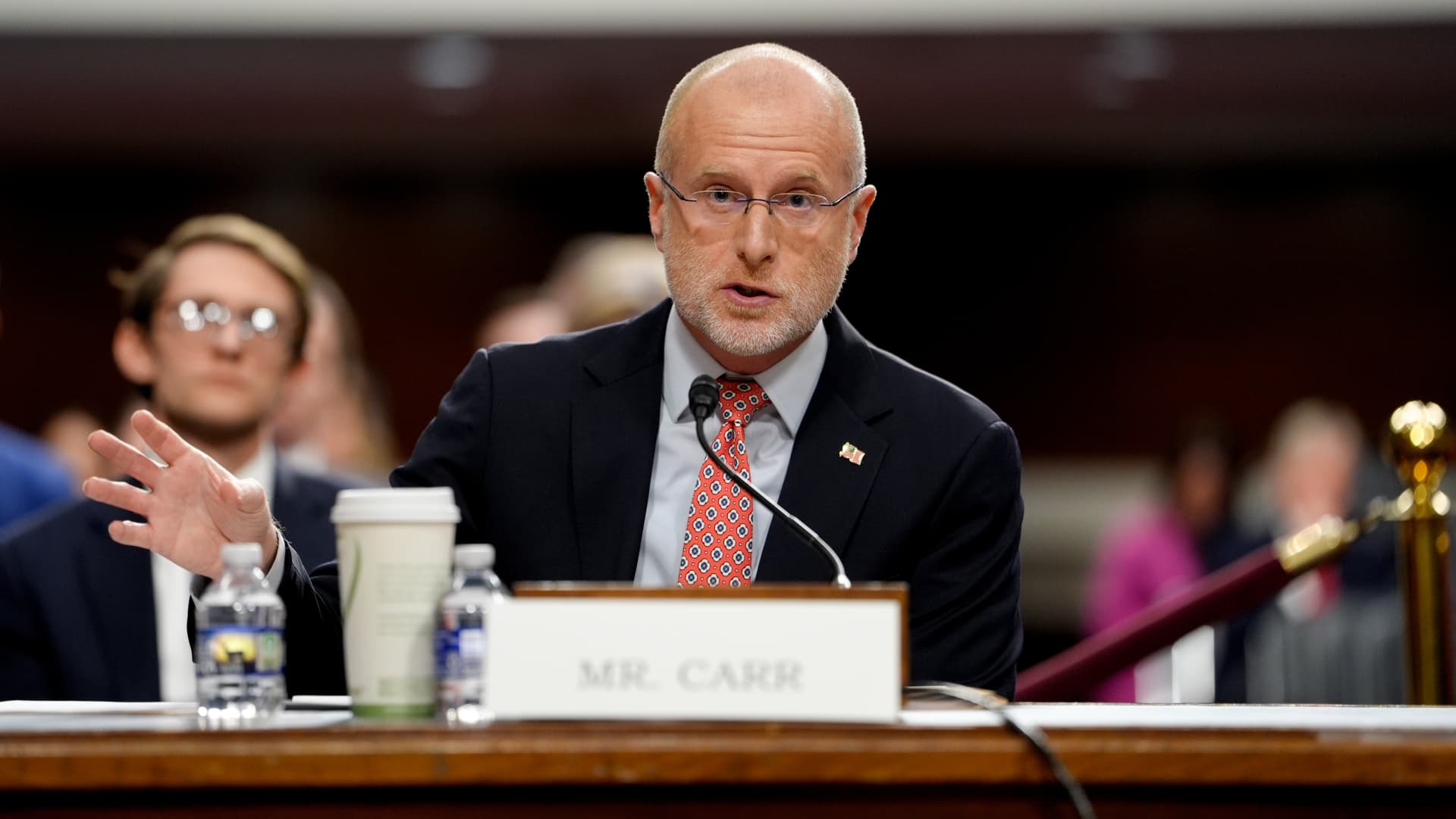
Walt Disney Co. is pushing back forcefully against the Federal Communications Commission’s (FCC) decision to initiate an early renewal process for broadcast licenses of eight of its ABC-affiliated stations. The entertainment giant has filed its applications ‘under protest,’ characterizing the FCC’s order as unlawful and arbitrary, setting the stage for a potential legal and regulatory battle that could have implications for media ownership and oversight across the industry.
🗝️ Corporate Strategy Insights
- Regulatory Challenge. Disney’s ‘under protest’ filing signals a direct challenge to the FCC’s authority to expedite license renewals, particularly when the stated reasons involve concerns unrelated to traditional broadcasting standards.
- DEI Scrutiny. The FCC’s early review is linked to investigations into Disney’s Diversity, Equity, and Inclusion (DEI) efforts, an unusual basis for accelerating license renewals and potentially setting a precedent for other media companies.
- First Amendment Defense. Disney argues that the FCC’s order is not only inconsistent with its investigative authority but also infringes upon First Amendment rights, indicating a strong legal defense strategy.
The FCC’s decision to expedite the renewal process, which was not set to occur until between 2028 and 2031, has drawn criticism from various quarters. The agency initiated the review following concerns about the company’s DEI initiatives, a move that Disney and some observers suggest is politically motivated. This early intervention by the FCC is unprecedented in over fifty years, adding to the tension surrounding the proceedings.
Disney’s filing asserts that the FCC has not provided any new information that couldn’t be obtained through standard channels, further questioning the legitimacy and purpose of the accelerated review. The company’s legal team contends that the FCC’s order lacks a legitimate basis and is incompatible with constitutional protections, particularly the First Amendment.
FCC’s Broadened Oversight Role
The FCC, tasked with regulating the media and telecommunications sectors, has in the past year expanded its scrutiny of major media corporations regarding their internal diversity policies. Disney’s investigation began last March for alleged violations of the Communications Act of 1934 and FCC rules concerning unlawful discrimination. The agency’s determination that further action was needed led to Thursday’s filing deadline for the license renewals.
The timing of this FCC action is particularly sensitive, following renewed political commentary directed at ABC News. Critics, including a sitting FCC commissioner, have voiced concerns that the FCC’s aggressive stance might be influenced by external political pressures, rather than strictly adhering to established regulatory procedures.
- The FCC’s accelerated review is highly unusual, marking the first such action in over five decades.
- Disney’s legal arguments center on the FCC exceeding its authority and violating constitutional rights.
- The investigation into DEI efforts by the FCC is a novel approach to broadcast license oversight.
Disney’s forceful objection highlights a critical juncture in media regulation, challenging the FCC’s expanding scope of inquiry into corporate diversity practices as a basis for license renewal.
Disney’s Broadcast Station Landscape
Disney operates eight ABC-affiliated broadcast stations. These stations are crucial components of the company’s media portfolio, serving local communities and contributing to national advertising revenue. The renewal of these licenses is a routine procedural requirement for broadcasters.
The dispute underscores the complex interplay between corporate social policies, regulatory bodies, and free speech considerations within the media industry. How the FCC proceeds will set important precedents for future regulatory actions against media conglomerates. For insights into broader market dynamics, consider exploring global market trends.
Disney’s Regulatory Defense Strategy
The company’s legal team is preparing a robust defense, likely to involve challenging the FCC’s interpretation of its mandate and the constitutionality of its actions. This situation also presents an opportunity for Disney to reinforce its stance on its internal DEI policies amidst public scrutiny. Understanding these dynamics is key to assessing the company’s long-term operational stability. For a deeper dive into company strategy, visit corporate growth insights.
The Shifting FCC Regulatory Arena
This escalation by Disney against the FCC’s accelerated review process highlights a growing tension between federal regulatory oversight and the operational autonomy of large media corporations. The FCC’s investigation into DEI policies, while framed as compliance enforcement, is being perceived by some as an overreach, potentially stifling corporate expression and policy development.
Why Disney’s Broadcast License Fight Matters
This protracted dispute over Disney’s broadcast licenses signifies a critical moment for regulatory interpretation and corporate freedom of policy. The industry is watching closely to see if the FCC can leverage its authority to enforce DEI mandates, or if Disney’s strong legal challenge will set a precedent for greater regulatory restraint.
The outcome of this legal and regulatory battle could influence how the FCC approaches future license renewals and investigations into media companies’ internal policies, potentially impacting broader market expectations for corporate conduct and regulatory engagement. Understanding these evolving regulatory landscapes is vital for informed investment decisions on the stock markets.
📊 StockXpo Analyst’s View
Market Impact: The confrontation between Disney and the FCC injects a layer of regulatory uncertainty into the media sector, potentially impacting investor sentiment towards companies with significant broadcast holdings. This could lead to increased scrutiny of DEI initiatives by other media firms and their potential regulatory implications.
Sector To Watch: Broadcast media and diversified entertainment conglomerates will be under a microscope. Investors should monitor how regulatory bodies interpret and enforce policies related to corporate social responsibility and its intersection with broadcasting licenses. Examining business news can provide further context.
Financial Disclaimer:
StockXpo.com is a financial news aggregator and educational portal, not a registered investment advisor or broker-dealer. All information, news, and analysis provided herein are strictly for educational purposes and do not constitute investment, financial, legal, or tax advice. Investing in the stock market involves high risks, and past performance is not indicative of future results. StockXpo will not be liable for any financial losses or investment damages. Always consult a certified financial advisor before making market decisions.
