Published: Tuesday, May 26, 2026 · 5:34 PM | Updated: Tuesday, May 26, 2026 · 5:34 PM
📊 246 views




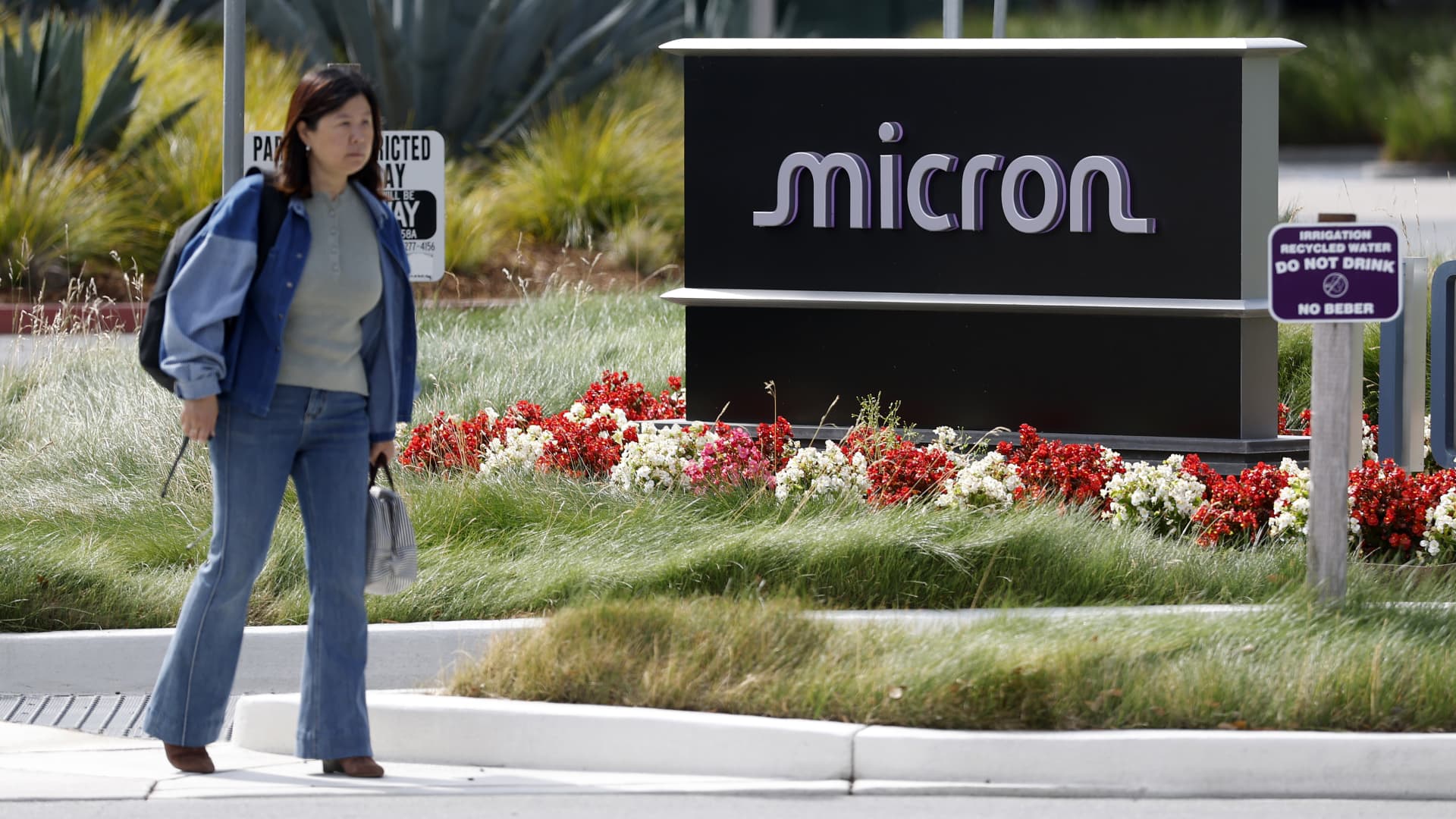
Memory chip giant Micron Technology has achieved a significant milestone, crossing the $1 trillion market valuation for the first time. This unprecedented surge, fueled by an 18% stock jump, underscores the pivotal role of advanced memory solutions in the burgeoning artificial intelligence sector, signaling a re-rating of the entire memory complex.
🚀 Tech Strategy & Market Disruptions
- AI-Driven Demand Escalation. The insatiable demand for high-bandwidth memory (HBM) and specialized DRAM for AI workloads is rapidly re-rating memory providers like Micron, shifting market focus.
- Market Valuation Redefinition. Micron’s entry into the trillion-dollar club signifies a structural re-evaluation of memory’s value proposition within the broader semiconductor ecosystem, moving beyond historical cyclical commodity pricing.
- Supply Chain Pressures & Pricing Power. A global memory shortage, directly linked to accelerated AI infrastructure build-out, grants leading chipmakers significant pricing power and opportunities for long-term supply agreements, as reported by analysts.
Micron’s latest valuation leap highlights a profound shift in the technology market, where the previously cyclical memory sector is now recognized as a critical enabler of next-generation computing. The company’s stock has more than tripled year-to-date, a testament to the immense pressures and opportunities arising from artificial intelligence. UBS recently echoed this sentiment, tripling its price target on Micron shares from $535 to an ambitious $1,625, citing potential for long-term agreements with partially fixed pricing. This aggressive outlook suggests the market is starting to apply a more ‘normal’ multiple to the stock, reflecting the enduring structural changes AI is driving across the entire memory complex, a perspective often found in Bloomberg’s comprehensive tech reports.
The surge in Micron Market Cap isn’t an isolated event. It’s part of a broader re-rating of chipmakers vital for advanced AI processing. While Nvidia initially dominated the AI chip narrative, the focus is expanding to include central processing units (CPUs) and high-performance memory, essential for running complex agentic workloads. Companies like Intel, Advanced Micro Devices (AMD), Qualcomm, and Marvell Technology have also seen their stocks reach new highs, benefiting from this expanded demand for diverse computing components. This dynamic landscape showcases how profoundly AI is reshaping semiconductor investment priorities, impacting the broader technology market trends.
Explosive AI demand has led to a pronounced global memory shortage, a challenge chipmakers like Micron, SK Hynix, and Samsung are actively grappling with. This scarcity empowers these firms to command higher prices, fundamentally altering the economics of memory production. For organizations navigating these emerging technologies, understanding these supply dynamics is crucial for long-term strategic planning. This includes anticipating how regulatory shifts or strategic government investments, like the one seen with Intel from the U.S. government, could further influence the competitive landscape.
The causal chain linking AI innovation to market disruption is evident:
- Exponential growth in AI model complexity and data volume.
- Resulting demand for higher-bandwidth, lower-latency memory solutions (e.g., HBM).
- Creation of a global supply-demand imbalance in specialized memory.
- Increased pricing power and revenue growth for leading memory manufacturers like Micron.
- Rapid expansion of Micron Market Cap and other memory-related valuations.
- Accelerated investment in advanced memory R&D and manufacturing capacity by the semiconductor industry.
As a CTO, the ascent of Micron highlights a critical architectural shift: memory is no longer a passive component but an active determinant of AI performance and scalability. Strategic sourcing and advanced memory integration are now paramount for any enterprise pursuing innovation-driven growth, directly influencing computational ceilings and efficiency across their tech stack.
The Architecture Behind Micron’s AI Dominance
Micron’s pivotal role in the AI landscape is rooted in its continuous innovation in memory architecture, particularly its advancements in High Bandwidth Memory (HBM) and next-generation DRAM. These technologies are designed to address the unique demands of AI accelerators, which require unprecedented levels of data throughput to feed their massive computational cores. Micron’s engineering focus has been on optimizing memory interfaces, increasing stack density, and reducing latency, which are critical performance bottlenecks for large language models and other complex AI workloads. This architectural superiority allows for more efficient data processing, directly translating into faster training times and more responsive inference engines. The company’s collaboration with major AI chip designers ensures its memory solutions are seamlessly integrated into the next wave of AI hardware platforms, reinforcing its market position in crucial emerging technologies.
Micron’s Ecosystem Expansion Potential
Beyond its core memory products, Micron is strategically positioning itself to capitalize on broader ecosystem opportunities driven by AI. This includes expanding into adjacent markets like data center infrastructure, edge AI devices, and specialized automotive applications, all of which are becoming increasingly memory-intensive. The company’s long-term vision involves deeper integration with software ecosystems and platform providers, moving beyond a component supplier to a solutions partner. This expansion is supported by ongoing R&D into novel memory technologies like Compute Express Link (CXL), which promises to revolutionize memory pooling and sharing in data centers. Such initiatives are crucial for unlocking new revenue streams and diversifying Micron’s dependence on traditional PC and mobile markets, ensuring sustained growth in an evolving digital transformation era.
Micron’s Trillion-Dollar Trajectory: What Comes Next?
Micron’s rapid ascent to a trillion-dollar valuation is a clear indicator of memory’s redefined importance in the AI era. The structural demand changes are likely to sustain robust growth, though execution and competitive pressures remain critical for long-term success. The trajectory for the company and the broader memory market will depend on continued innovation and successful navigation of global supply chain challenges.
- Sustained AI Investment: Future growth hinges significantly on the continued, massive investment in AI infrastructure globally.
- Technology Leadership: Micron’s ability to maintain its lead in HBM and next-generation DRAM will be key to fending off intensifying competitive pressures.
- Supply Chain Resilience: Navigating potential shortages, geopolitical risks, and manufacturing complexities will be crucial for consistent output and sustained pricing power.
Can Micron solidify its position as an indispensable pillar of the AI revolution, or will competitive pressures and market cycles eventually temper its unprecedented growth in the years to come?
📊 StockXpo Analyst’s View
Market Impact: The dramatic rise in Micron Market Cap sends a strong signal to investors that the AI boom’s benefits are broadening beyond just GPU manufacturers. This development could spur further capital reallocation within the semiconductor space, favoring companies with strong memory and processor capabilities. Market liquidity might see increased interest in diversified tech portfolios that account for this expanded AI ecosystem, as per Reuters’ analysis of the semiconductor market.
Sector To Watch: The entire semiconductor industry remains a prime focus, particularly those specializing in high-performance computing, data center infrastructure, and specialized memory solutions. Additionally, sectors heavily reliant on AI adoption, such as cloud computing and autonomous systems, will experience upstream benefits from these memory advancements. For more educational tech insights, readers can delve deeper into current trends.
Financial Disclaimer:
StockXpo.com is a financial news aggregator and educational portal, not a registered investment advisor or broker-dealer. All information, news, and analysis provided herein are strictly for educational purposes and do not constitute investment, financial, legal, or tax advice. Investing in the stock market involves high risks, and past performance is not indicative of future results. StockXpo will not be liable for any financial losses or investment damages. Always consult a certified financial advisor before making market decisions.
MORE IN INSIDE TECHNOLOGY

Starlink India: Regulatory Hurdles and Innovation-Driven Growth Risks
Published: Friday, October 9, 2026 · 12:48 AM

Starlink Launch: India’s Digital Transformation Faces Regulatory Risk
Published: Thursday, October 8, 2026 · 1:51 AM