Published: Tuesday, May 26, 2026 · 8:38 PM | Updated: Tuesday, May 26, 2026 · 8:38 PM
📊 260 views




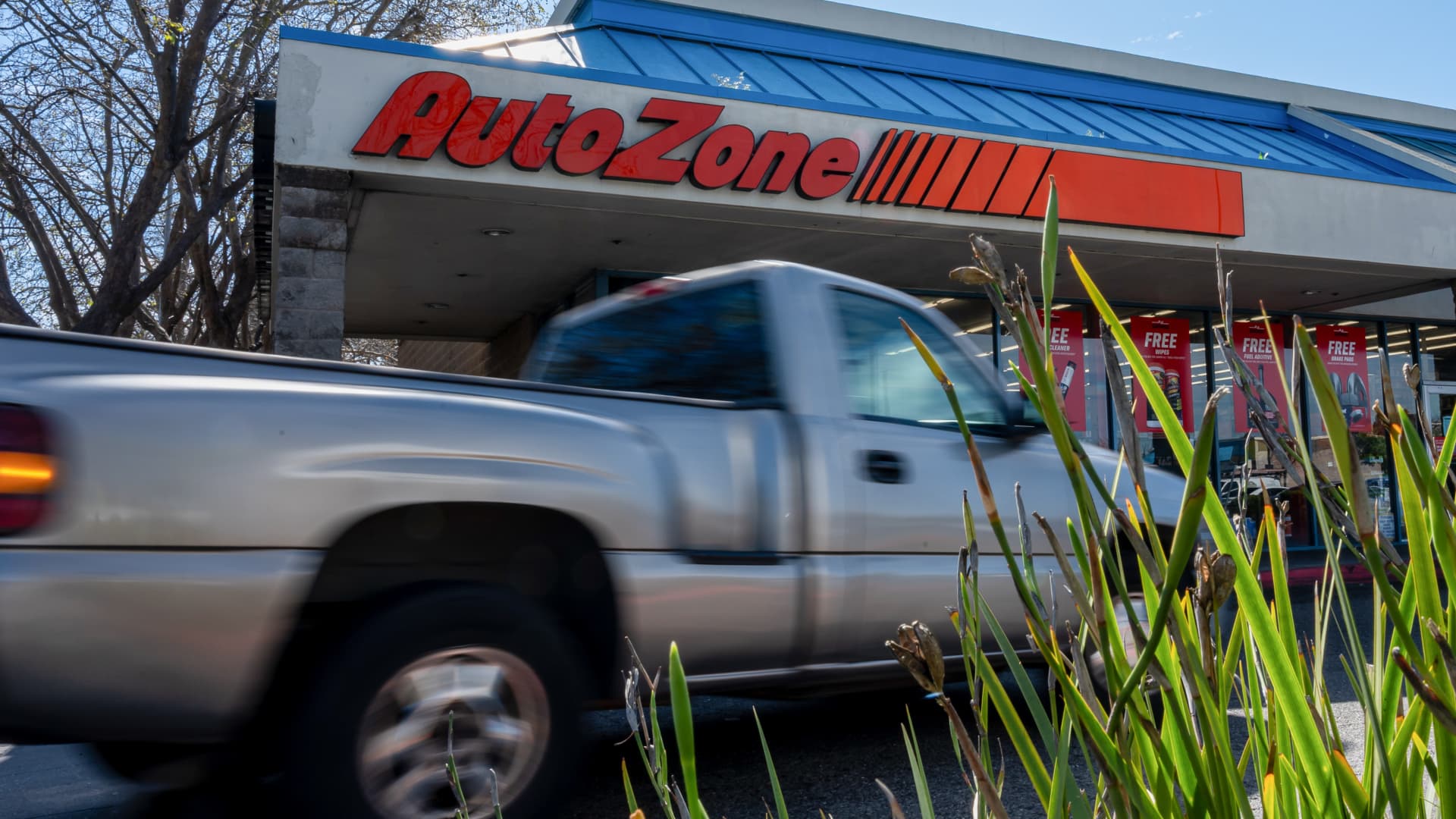
Despite surpassing Wall Street’s third-quarter earnings expectations, AutoZone stock experienced its steepest single-day decline in over four years, shedding 9% of its value. This unexpected market reaction highlights deep investor concerns beyond headline numbers, focusing on underlying operational challenges and a cautious outlook for the automotive aftermarket giant. For comprehensive market insights, explore investment analysis on StockXpo.
🗝️ Corporate Strategy Insights
- Growth Hesitation. Investors are scrutinizing AutoZone’s international expansion and year-over-year sales slowdown, which management attributed to unseasonably cool weather impacting specific product categories.
- Margin Under Pressure. Margin compression aligns more with industry competitors, signaling a potential erosion of AutoZone’s historical premium efficiency.
- Supply Chain Scrutiny. While downplayed by executives, analyst questions about potential motor oil shortages due to geopolitical tensions reveal underlying market anxiety regarding future input costs and product availability.
On Tuesday, shares of AutoZone Inc. saw their worst trading session since May 2022, closing down 9%. This sharp sell-off occurred despite the auto parts retailer reporting fiscal third-quarter earnings per share of $38.07, comfortably beating LSEG estimates of $36.28. Revenue also met expectations at $4.84 billion. The discrepancy between strong financial beats and a significant stock price drop points to deeper anxieties among investors.
Analysts on the quarterly conference call pressed executives on several fronts, raising concerns about sluggish international growth and persistent margin compression. These issues suggested AutoZone might be losing some of its historical operational advantage, appearing more in line with its rivals. Furthermore, a year-over-year slowdown in sales was attributed by CEO Philip Daniele to cooler weather impacting ‘heat-related categories’ that typically ramp up this time of year.
Another area of focus was potential supply chain disruptions, particularly regarding motor oil, amidst geopolitical tensions. While other automakers like Toyota and Nissan have issued service bulletins on rationing lubricants, AutoZone executives expressed less concern. CEO Daniele stated they expect inflationary pressures to be ‘slightly muted’ going forward and downplayed the material impact of any potential lubricant constraints, deferring to ‘oil specialists’ for a definitive assessment.
- Earnings Beat: AutoZone reported Q3 EPS of $38.07 vs. $36.28 expected, with revenue of $4.84 billion aligning with estimates.
- Stock Reaction: Despite the beat, shares fell 9%, marking the worst day in over four years, signaling deeper market apprehension.
- Key Concerns: Analysts cited lackluster international growth, margin compression, and a sales slowdown blamed on weather as primary drivers for the negative sentiment.
The market’s reaction suggests that while the company delivered on its immediate financial targets, the underlying narrative around its growth trajectory and operational resilience is facing increased skepticism. The company’s explanation for slowing sales, tied to weather, while plausible, may not fully reassure investors seeking robust, consistent growth drivers.
The negative market reaction to AutoZone’s Q3 report could trigger several strategic ripple effects across the automotive aftermarket sector. A slowdown in sales growth, even if weather-related, indicates a potential vulnerability to external factors that competitors might exploit or mitigate more effectively. If AutoZone’s margin compression trend persists, it could necessitate a re-evaluation of its pricing strategies or cost structures, potentially impacting profitability for the entire industry.
Moreover, concerns about international growth suggest that the company’s global expansion initiatives may not be delivering anticipated returns, potentially forcing a recalibration of capital allocation towards more mature domestic markets or different strategic priorities. Competitors like O’Reilly Auto Parts and Advance Auto Parts will likely scrutinize these developments for insights into market demand and operational efficiency benchmarks, potentially adjusting their own investment analyses and competitive positioning. This could lead to a broader market re-assessment of valuation multiples for the entire auto parts retail segment, as investors prioritize companies demonstrating consistent growth and resilient margins.
“AutoZone’s Q3 performance serves as a critical warning that strong earnings alone are insufficient to sustain investor confidence if underlying strategic narratives around growth and margin stability begin to waver. The market is clearly prioritizing future growth prospects and operational efficiency over current quarterly beats.”
Key financial indicators from AutoZone’s latest fiscal quarter underscore the mixed sentiment:
- Earnings Per Share (EPS): Reported $38.07, exceeding the $36.28 LSEG estimate. This highlights strong bottom-line execution.
- Total Revenue: $4.84 billion, aligning closely with LSEG’s $4.83 billion forecast. This indicates stable top-line performance.
- Stock Performance: A 9% decline on earnings day, marking the largest fall in over four years, signaling significant investor unease despite the financial beat.
While the earnings beat confirms solid operational management in the immediate term, the market’s focus has clearly shifted to the sustainability of growth and profitability drivers.
AutoZone’s Strategic Analysis: Navigating Headwinds
AutoZone’s strategic approach typically centers on a robust domestic store footprint, strong supply chain logistics, and a bifurcated market strategy targeting both DIY (Do-It-Yourself) and professional repair shops. However, the recent concerns about international growth indicate a potential bottleneck in replicating this successful model globally. Expanding into new markets presents unique challenges, from local competition and regulatory hurdles to consumer preferences and logistical complexities. The company’s cautious stance on global expansion and its emphasis on domestic performance suggest a potential de-risking strategy or a re-evaluation of its international growth playbook. This could involve targeted acquisitions or deeper market penetration in existing, high-performing international regions rather than broad-based expansion.
AutoZone’s Competitive Advantages Under Scrutiny
For years, AutoZone has maintained a strong competitive position built on brand recognition, extensive inventory, and a highly efficient distribution network. Its ability to offer a wide array of parts quickly to customers, whether DIY enthusiasts or professional mechanics, has been a significant advantage. However, the analyst scrutiny regarding margin compression suggests that some of these advantages might be eroding. Increased competition, rising labor costs, and inflationary pressures on input materials could be squeezing profitability. Furthermore, the burgeoning e-commerce sector for auto parts, including platforms from Amazon and specialized online retailers, poses a persistent challenge, potentially forcing AutoZone to invest more heavily in its digital presence and fulfillment capabilities to protect its market share and customer base. For more details on industry trends, find educational insights on our blog.
AutoZone’s Market Crossroads: The Path Ahead
The market’s sharp reaction to AutoZone’s Q3 results, despite an earnings beat, clearly signals that investors are looking beyond immediate figures to the company’s long-term growth and margin stability. While management addressed concerns about weather and supply chains, the onus is now on AutoZone to demonstrate concrete strategies for sustained international expansion and robust operational efficiency.
- Sustaining Growth: AutoZone must articulate a clearer path for consistent sales growth beyond weather-dependent factors.
- Margin Protection: Proactive measures to counteract margin compression will be crucial for investor confidence.
- Global Strategy Refinement: A more defined and successful international growth strategy is needed to fuel future expansion.
Can AutoZone effectively navigate these strategic headwinds and reaffirm its position as a market leader in the evolving automotive aftermarket?
📊 StockXpo Analyst’s View
Market Impact: The knee-jerk sell-off in AutoZone stock underscores a broader market sentiment shift, where even an earnings beat is insufficient if the narrative around future growth and profitability is clouded. This will likely pressure other retailers in the automotive aftermarket sector, forcing them to provide exceptionally clear guidance on their operational efficiencies and expansion plans. Investors are clearly de-risking positions in companies showing any signs of slowing momentum.
Sector To Watch: The automotive parts and services segment remains dynamic, with a tug-of-war between aging vehicle fleets driving demand for repairs and increasing competition from online channels. Companies demonstrating strong inventory management, diversified international revenue streams, and robust e-commerce capabilities are likely to outperform in this environment.
Financial Disclaimer:
StockXpo.com is a financial news aggregator and educational portal, not a registered investment advisor or broker-dealer. All information, news, and analysis provided herein are strictly for educational purposes and do not constitute investment, financial, legal, or tax advice. Investing in the stock market involves high risks, and past performance is not indicative of future results. StockXpo will not be liable for any financial losses or investment damages. Always consult a certified financial advisor before making market decisions.
MORE IN INSIDE BUSINESS
American Express Workforce Cuts: A Strategic AI Preparation
Published: Friday, October 23, 2026 · 9:50 AM
American Airlines loss forecast: Strategic Capacity Slowdown Expected
Published: Thursday, October 22, 2026 · 8:40 AM