
Published: Wednesday, May 20, 2026 · 7:10 PM | Updated: Wednesday, May 20, 2026 · 7:10 PM
📊 275 views




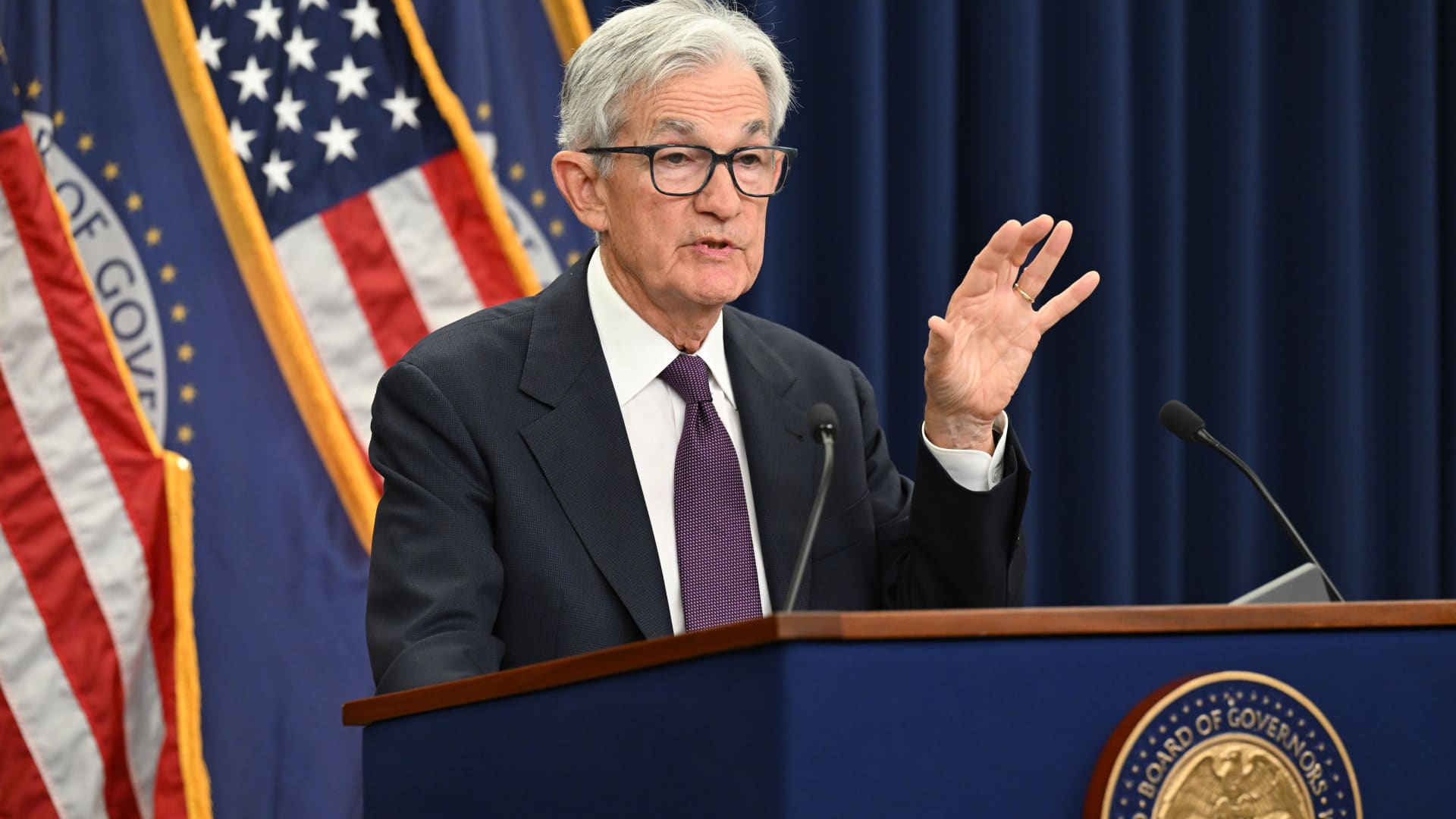
The latest minutes from the Federal Reserve’s rate-setting committee reveal a palpable shift in sentiment, with a majority of officials now anticipating the necessity of a Fed rate hike should inflationary pressures persist. This divergence from the previous stance, which leaned towards potential easing, underscores the complex economic landscape shaped by geopolitical events and persistent price instability.
💰 Financial Strategy & Market Insights
- Inflationary Persistence: Minutes indicate a majority now favor rate hikes if inflation remains stubbornly above the 2% target, signaling a hawkish tilt.
- Policy Disagreement: Four dissenting votes on keeping rates steady highlight growing unease and a fractured outlook on future monetary policy direction.
- Geopolitical Impact: The Iran war is identified as a significant factor exacerbating inflation, creating uncertainty about the duration of its price impact.
The Federal Open Market Committee (FOMC) maintained its benchmark rate target at 3.5%-3.75% at its most recent meeting, a decision that nonetheless saw an unusual four dissenting votes, the highest tally since 1992. This increased level of disagreement points to a more contentious debate regarding the future path of monetary policy, particularly in light of persistent inflation that shows signs of becoming entrenched rather than transient. The minutes suggest that while some participants favored lowering rates if inflation receded or the labor market weakened, a significant portion emphasized the need for further policy tightening.
Officials debated the duration and impact of the Iran war on global supply chains and commodity prices, recognizing its ‘significant implications’ for the Fed’s dual mandate of maximum employment and price stability. There was a general consensus that inflation might take longer to revert to the Committee’s 2% objective than previously anticipated. This sentiment was particularly strong among regional Fed presidents who advocated for maintaining flexibility for potential rate increases amid an inflation surge.
- Inflationary Pressures: Energy prices, directly impacted by the ongoing conflict, have pushed most inflation measures above the 3% threshold.
- Core Inflation Rise: Even core inflation, which excludes volatile food and energy components, is showing an upward trend, a cause for concern among policymakers.
- Market Expectations: Despite the Fed’s current stance, market pricing indicates a higher probability of a rate hike by late 2026 or early 2027, reflecting investor sentiment.
Kevin Warsh’s ascension to the helm of the Fed, following a competitive selection process, introduces a new dynamic. With President Trump explicitly expecting rate cuts, Warsh faces the immediate challenge of navigating differing views within the Committee. His ability to leverage arguments about productivity gains from AI to offset temporary energy cost shocks will be crucial in shaping future policy decisions. Jerome Powell, while stepping down as Chair, remains on the Board of Governors, suggesting his continued influence.
Fed’s Policy Dilemma Explained
The Federal Reserve operates under a dual mandate: to promote maximum employment and maintain price stability. When inflation rises persistently above the target rate of 2%, the Fed typically resorts to increasing interest rates to cool down the economy by making borrowing more expensive, thereby reducing demand and curbing price increases. Conversely, if the economy shows signs of weakness or unemployment rises significantly, the Fed might lower interest rates to stimulate economic activity.
- Upside Risks: A potential dovish pivot by the Fed if inflation moderates unexpectedly or if the labor market weakens significantly.
- Downside Risks: Persistent high inflation necessitating aggressive rate hikes, potentially triggering a recession and increasing market volatility.
## The Fed’s Inflation Stance: A Quantitative Look
While the minutes do not provide specific quantitative targets for future rate hikes, they do signal a shift in the Committee’s tolerance for elevated inflation. Goldman Sachs’ projection of the Fed’s chief inflation forecasting measure posting an annual rate of 3.3% in April underscores the data-driven rationale behind the concern.
## Fed’s Policy Trajectory Amidst Geopolitical Uncertainty
The market is now closely watching for signals that could confirm a pivot towards tighter monetary policy. The influence of geopolitical events like the Iran war on global commodity markets and subsequent inflation remains a key variable for the Fed to consider in its forward guidance. Investors are grappling with the implications of a potentially prolonged period of higher interest rates, which could impact asset valuations across various classes, from equities to fixed income. For a deeper dive into global financial market movements, one might consult financial market trends.
## Fed Rate Hike’s Market Reaction Dynamics
The minutes suggest a growing likelihood that the Fed may be forced to implement further monetary tightening, a scenario that typically leads to increased market analysis of risk assets. Investors are weighing the impact of potentially higher borrowing costs on corporate earnings and consumer spending. The divergence in policy preferences within the FOMC could lead to increased volatility as market participants attempt to decipher the central bank’s true intentions. This uncertainty can affect overall financial sector stability.
## Fed’s Inflation Outlook and the War’s Shadow
The Fed’s commitment to its 2% inflation target remains a cornerstone of its policy framework. However, the confluence of the Iran war’s inflationary pressures and underlying domestic economic factors presents a formidable challenge. The Fed’s response to these evolving conditions will be critical in shaping investor confidence and guiding investment strategies in the coming months, offering essential educational financial insights.
### 📊 StockXpo Analyst’s View
Market Impact: The minutes signal a hawkish shift in Fed sentiment, increasing the probability of rate hikes. This could lead to higher borrowing costs, potentially dampening economic growth and impacting valuations of growth-oriented assets. Increased uncertainty regarding the pace and extent of future rate hikes will likely contribute to market volatility.
Sector To Watch: Sectors sensitive to interest rates, such as technology and real estate, may face headwinds. Conversely, financials and energy could see some benefit from a higher rate environment, though broader economic slowdown concerns could temper gains.
Financial Disclaimer:
StockXpo.com is a financial news aggregator and educational portal, not a registered investment advisor or broker-dealer. All information, news, and analysis provided herein are strictly for educational purposes and do not constitute investment, financial, legal, or tax advice. Investing in the stock market involves high risks, and past performance is not indicative of future results. StockXpo will not be liable for any financial losses or investment damages. Always consult a certified financial advisor before making market decisions.
MORE IN INSIDE FINANCE
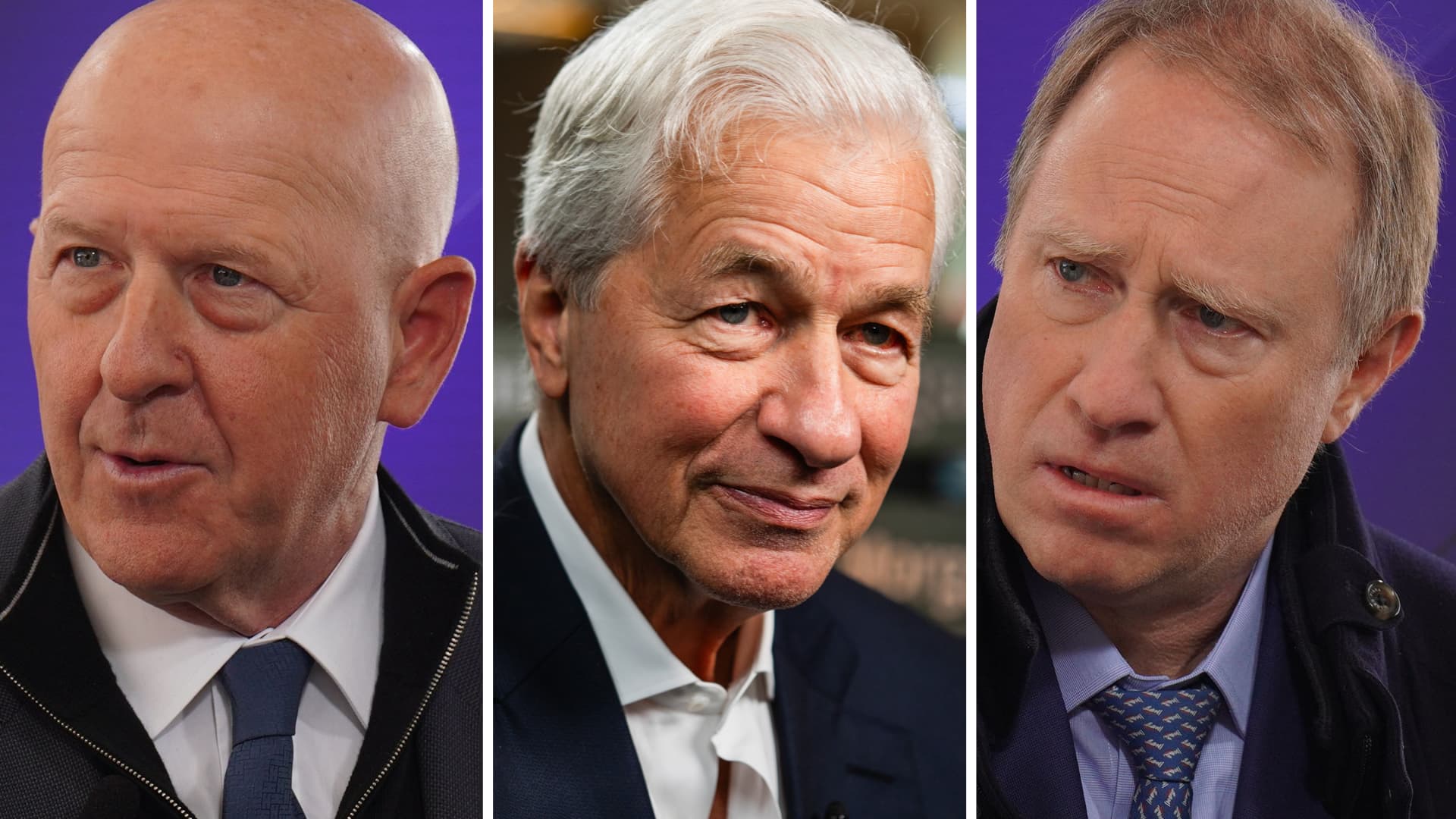
AI Stock Boom Fuels $67 Billion Equities Growth for Wall Street Giants
Published: Wednesday, October 21, 2026 · 11:03 AM
New Risks Emerge: Global Finance Chiefs Highlight Debt, AI, and Geopolitical Volatility
Published: Tuesday, October 20, 2026 · 2:12 AM


