
Published: Sunday, November 8, 2026 · 8:25 AM | Updated: Sunday, November 8, 2026 · 8:25 AM
📊 13 views




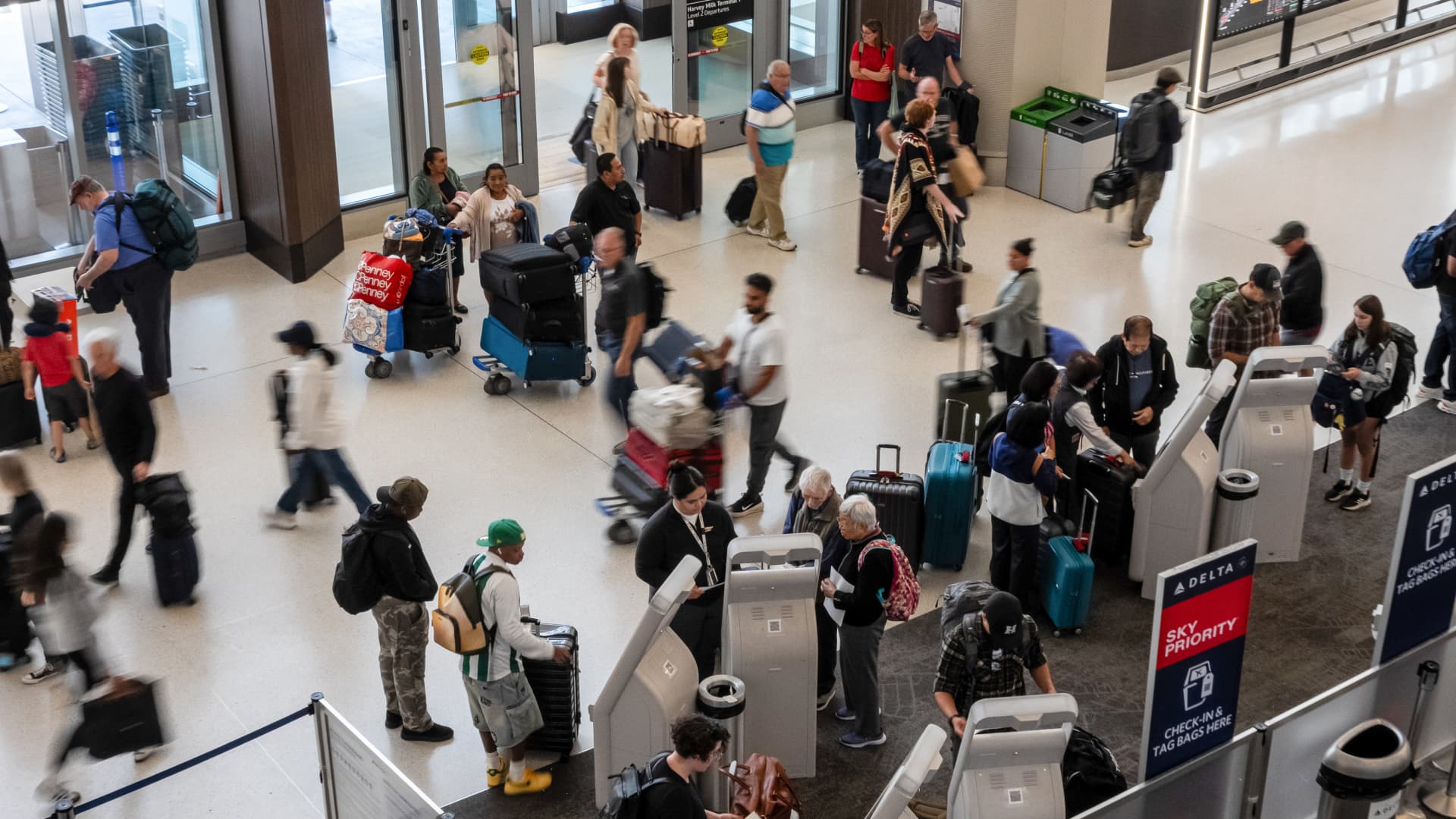
Airline passengers planning to use their accumulated points for holiday travel face a significant increase this year, with Thanksgiving Miles redemption costs up 32% compared to last year. This surge highlights a strategic shift within the airline industry towards dynamic pricing models, challenging traditional loyalty program value propositions and signaling robust demand despite escalating operational costs.
🗝️ Corporate Strategy Insights
- Dynamic Pricing Dominance. Airlines have widely abandoned static mileage charts, embracing demand-driven pricing to maximize revenue from award travel, blurring the lines between cash and points fares.
- Loyalty Program Revaluation. The significant increase in mileage costs effectively devalues frequent flyer programs for consumers, pushing them to spend more points for the same routes, especially during peak seasons.
- Cost Pass-Through Efficiency. Faced with surging jet fuel prices, carriers are effectively passing increased operational costs directly to consumers, both through higher cash fares and elevated mileage redemption rates.
Travelers are encountering a stark reality: what once felt like a guaranteed perk now fluctuates significantly with market demand, route popularity, and various operational factors. This strategic pivot by major U.S. airlines, moving away from predictable mileage redemption charts, allows them greater flexibility in yield management, treating award seats much like revenue seats. For instance, the data from Seats.aero confirms a 32% hike in average mileage redemption costs for flights between large U.S. airports during the upcoming Thanksgiving period, reflecting an industry-wide effort to optimize revenue.
Driving these adjustments are persistent inflationary pressures, notably a sharp increase in jet fuel prices since geopolitical events in February 2026. While airlines have faced these elevated costs, robust consumer demand has allowed them to largely absorb and pass these expenses along. This environment means even historically cheaper routes, like Tulsa to Dallas Fort Worth, are costing more miles than they did in the previous year, demonstrating a broad recalibration of value across the network.
- Hawaii Routes Remain Premium: Longer routes, especially those connecting to Hawaii, consistently rank among the most expensive for mileage redemptions.
- Short-Haul Costs Rise: Even shorter, regional routes are experiencing increased mileage requirements, indicating a pervasive pricing strategy.
- 32% Overall Increase: The average cost for Thanksgiving Miles redemptions across major U.S. airports is up significantly year-over-year.
The Strategic Ripple Effect on Consumer Loyalty
This shift towards dynamic award pricing initiated by airlines has a profound strategic ripple effect. The direct cause is the industry’s need to optimize revenue in an environment of high operational costs and strong demand. This leads to a primary effect: the effective devaluation of loyalty points, making it significantly harder for consumers to redeem miles for aspirational or even standard holiday travel. Consequently, this could lead to a secondary effect of eroding customer loyalty, as the perceived value of frequent flyer programs diminishes. Competitors, particularly budget airlines or those with less comprehensive loyalty programs, might capitalize by highlighting simpler, more transparent pricing, potentially siphoning off price-sensitive leisure travelers. The long-term implication is a re-evaluation of how consumers engage with loyalty programs and how airlines position them as true competitive advantages.
The strategic takeaway is clear: airlines are prioritizing immediate revenue maximization over predictable loyalty program value, leveraging strong demand to pass costs and optimize yield across all inventory, including award seats.
Airline Industry Competitive Advantages
The airline industry maintains several core competitive advantages, even amidst pricing shifts. These primarily include extensive network effects, where major carriers offer unparalleled route options and frequencies, creating significant barriers to entry for smaller players. Brand loyalty, though tested by dynamic pricing, still plays a role, with established carriers benefiting from consumer trust and recognition built over decades. Furthermore, operational scale allows for efficiencies in fuel procurement, maintenance, and fleet management that smaller competitors cannot match. These advantages underpin their ability to implement and sustain pricing strategies, like the dynamic adjustments seen with Thanksgiving Miles, even if it risks short-term customer sentiment.
Airline Industry Operational Efficiency
Operational efficiency is paramount for airlines, especially when managing volatile costs like jet fuel. Carriers continuously refine their capacity management, adjusting flight schedules and aircraft types to match demand and minimize empty seats. Fuel hedging strategies are often employed to mitigate price fluctuations, although these only offer partial protection. Furthermore, leveraging technology for dynamic pricing and route optimization allows airlines to react quickly to market conditions, ensuring that revenue opportunities are captured across their entire inventory, whether paid for with cash or miles. This constant fine-tuning of operations is critical to maintaining profitability in a high-fixed-cost, low-margin industry.
Thanksgiving Miles: Navigating the Future of Airline Loyalty
The significant increase in the cost of Thanksgiving Miles redemptions marks a pivotal moment for airline loyalty programs, signaling a definitive move away from fixed-value rewards towards highly dynamic pricing. This strategy, driven by both market demand and operational costs, effectively redefines what ‘value’ means for frequent flyers.
- Consumers must recalibrate their expectations for mileage redemptions, especially during peak travel periods.
- Airlines are successfully optimizing revenue across all inventory classes, including award seats, despite potential impacts on loyalty.
- The industry’s move confirms a shift towards flexible, market-responsive pricing as a core component of capital allocation strategy.
How will airlines balance revenue optimization with maintaining a compelling value proposition for their most loyal customers in the years ahead?
📊 StockXpo Analyst’s View
Market Impact: The visible devaluation of frequent flyer miles through dynamic pricing could temper investor enthusiasm for airline stocks relying heavily on loyalty program value, pushing focus towards operational efficiency and sustained demand. It might also encourage new business models that offer more transparent travel rewards outside traditional airline programs.
Sector To Watch: The broader travel and hospitality sector, particularly credit card companies and online travel agencies, will be keenly observing how consumers react to this shift. Opportunities may arise for alternative loyalty programs or bundled travel solutions that offer clearer value.
Financial Disclaimer:
StockXpo.com is a financial news aggregator and educational portal, not a registered investment advisor or broker-dealer. All information, news, and analysis provided herein are strictly for educational purposes and do not constitute investment, financial, legal, or tax advice. Investing in the stock market involves high risks, and past performance is not indicative of future results. StockXpo will not be liable for any financial losses or investment damages. Always consult a certified financial advisor before making market decisions.
MORE IN INSIDE BUSINESS

Cosm’s Immersive Screenings Drive Growth in Premium Entertainment
Published: Saturday, November 7, 2026 · 9:49 AM

Legacy Automakers Face Tough Road to 2027 Growth
Published: Friday, November 6, 2026 · 8:40 AM


