
Published: Tuesday, August 11, 2026 · 9:18 AM | Updated: Thursday, September 3, 2026 · 9:10 AM
📊 87 views




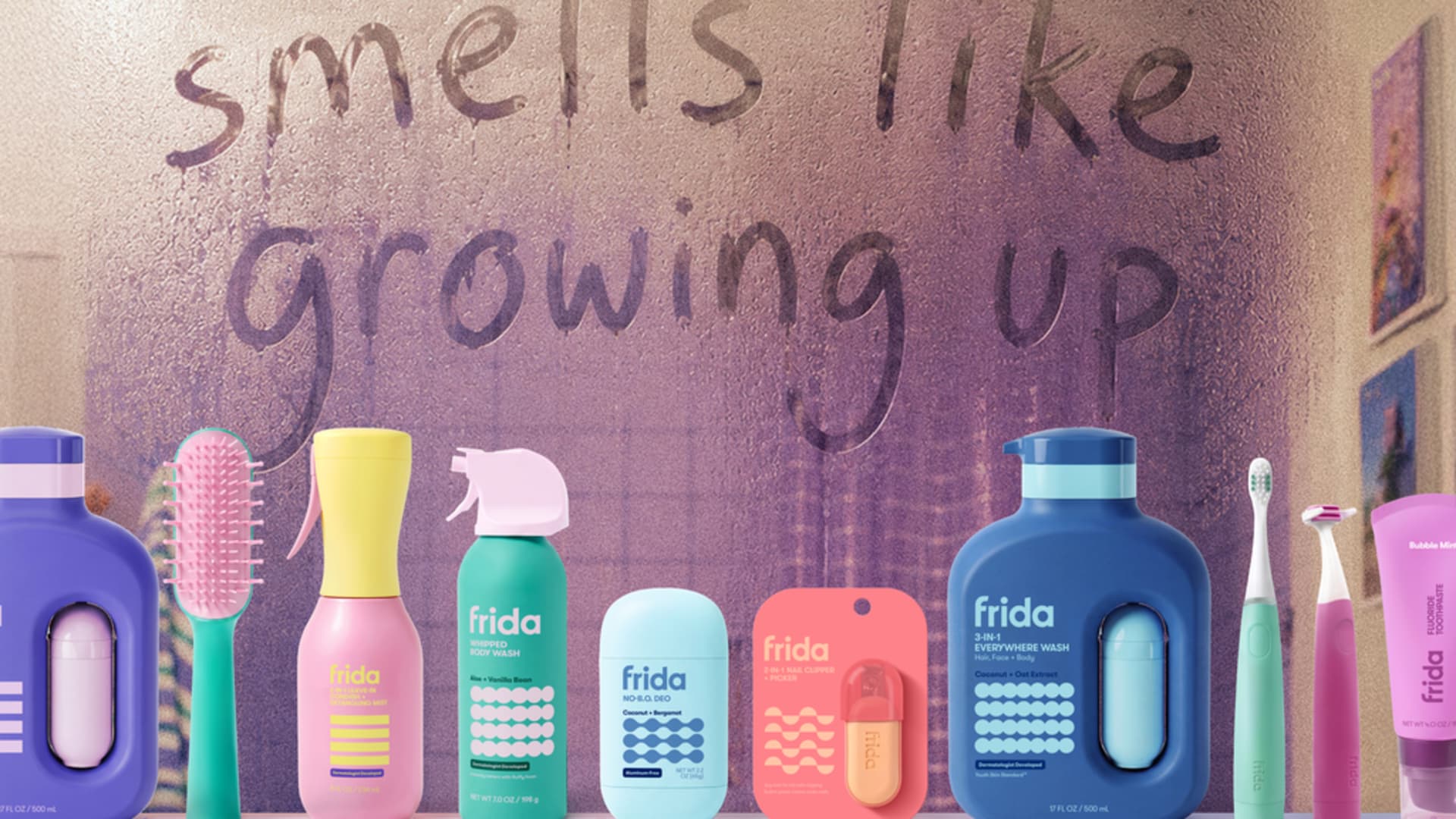
Baby product innovator Frida is making a significant strategic move by extending its brand into the realm of personal care for children aged 6 to 11. This expansion into a previously underserved market segment, announced exclusively to CNBC, aims to capture a growing consumer demand for age-appropriate, thoughtfully designed products for this demographic. The move underscores Frida’s strategy to leverage its established brand trust and product development expertise into adjacent categories, following its initial success in mother and baby care.
🗝️ Corporate Strategy Insights
- Market Gap Identification. Frida’s leadership pinpointed a significant void in the market for personal care products specifically designed for children between the baby and teen stages.
- Leveraging Brand Equity. The company aims to transfer its established reputation for quality and innovation in baby care to the kids’ personal care sector, building on existing customer loyalty.
- Retailer Collaboration. Strategic partnerships with major retailers like Walmart, which is actively curating dedicated aisles for this age group, are crucial for shelf visibility and market penetration.
CEO Chelsea Hirschhorn stated that this expansion is a natural evolution, driven by the aging of Frida’s initial customer base and a personal understanding of the market’s shortcomings. She highlighted the distinct lack of genuine innovation for this age group, noting that many existing options are either scaled-down adult products or generic, uninspired offerings. The company’s decision to enter the kids personal care market is informed by firsthand experience and a clear vision to provide holistic solutions for parents navigating this transitional phase.
Frida’s foray into this segment taps into a substantial market opportunity. The kids’ personal care market was valued at approximately $82 billion in 2022 and is projected to reach $137 billion by 2030, with a compound annual growth rate of nearly 7%, according to Kings Research. This growth trajectory, coupled with the perceived lack of specialized products, presents a compelling case for Frida’s strategic investment. The company’s ability to innovate and offer tailored solutions could position it for significant market share gains.
The company’s strategy includes partnering with key retailers like Walmart, which is actively developing dedicated spaces for tween-focused products. This collaborative approach ensures prime shelf placement and accessibility for consumers. Frida’s product line, ranging from body wash to electric flossers, will be priced between $6.99 and $19.99, emphasizing affordability and quality. The brand is also mindful of not alienating its core baby product consumers, ensuring a continued focus on that segment.
This strategic pivot aligns with broader retail trends, including the increasing influence of Generation Alpha. As this digitally native cohort matures, brands that cater to their specific needs and preferences are likely to build lasting loyalty. Frida’s initiative to create a comprehensive personal care offering for kids aged 6-11 addresses a fragmented shopping experience for parents, aiming to provide a one-stop solution akin to its successful approach in mother and baby care.
Frida’s Strategic Market Penetration
Frida’s expansion into kids’ personal care is more than just a product line extension; it’s a calculated move to dominate a nascent yet rapidly growing market segment. By focusing on thoughtful product design and age-appropriateness, the company is carving out a distinct niche. The collaboration with Walmart signifies a commitment to broad market reach and visibility. This strategic alignment with a major retailer that is actively promoting this category is a significant competitive advantage, potentially securing early market leadership and enabling substantial revenue growth.
The company has a proven track record, having generated over $2 billion in retail sales and achieved roughly 30% annual growth over the past five years. This expansion into kids’ personal care is a logical next step in its growth trajectory, building on its success in pregnancy and postpartum products. The innovation in this segment is expected to resonate with parents seeking convenient and trustworthy solutions.
“The dearth of genuine, thoughtful innovation for this stage of parenthood felt like a rinse and repeat of our playbook in mother care and baby care.”
| Market Indicator | Value | Year | Projected Growth |
|---|---|---|---|
| Kids’ Personal Care Market Value | $82 billion | 2022 | ~7% CAGR to $137 billion by 2030 |
The market size and projected growth illustrate the significant opportunity Frida is pursuing. Understanding these figures is crucial for investors assessing the long-term potential of this strategic expansion and its impact on market share.
Frida’s Industry Benchmarking
In the crowded personal care landscape, Frida is distinguishing itself by addressing a specific age demographic that has been largely overlooked. While established brands may offer general kids’ products, Frida’s focus on the 6-11 age group, with products tailored to their unique needs – from deodorant to oral care – sets it apart. Competitors like Johnson & Johnson and P&G have broad portfolios but may not have the same agility or focused innovation for this specific tween segment. Frida’s approach is akin to a specialized strategy, aiming for deep penetration rather than broad market coverage across all age groups, which could build significant brand loyalty and market leadership within this niche.
Frida’s Competitive Advantages
Frida’s competitive edge in the kids’ personal care market stems from several key factors. Firstly, its deep understanding of parental needs, cultivated through its success in the baby care sector, provides a unique insight into how to design and market products effectively to this demographic. Secondly, the company’s commitment to innovation, as evidenced by its tailored product development for this age group, addresses a clear market gap that competitors have yet to fully exploit. Finally, strategic partnerships with retailers like Walmart are critical for achieving widespread distribution and visibility, allowing Frida to compete effectively with larger, more established players in the global markets. This multifaceted approach is designed to foster sustained growth and brand recognition.
Frida’s Next Growth Phase: Capturing the Tween Market
Frida’s strategic expansion into the kids’ personal care market represents a significant opportunity for sustained growth and market leadership. By addressing an underserved demographic with tailored products, the company is poised to capture a substantial share of this expanding market.
- The move taps into a large and growing market valued at over $80 billion.
- Strategic retail partnerships are key to achieving broad consumer access and visibility.
- Frida’s focus on innovation for the 6-11 age group creates a distinct competitive advantage.
Will this focused expansion allow Frida to establish a dominant position in the tween personal care space, or will larger competitors quickly adapt?
📊 StockXpo Analyst’s View
Market Impact: This strategic move by Frida signals a growing trend of brand specialization within the broader consumer staples sector, potentially influencing investor sentiment towards companies that can identify and effectively penetrate niche markets. The expansion could lead to increased M&A activity as larger players seek to acquire specialized brands or develop their own targeted lines.
Sector To Watch: The ‘tween’ and young adolescent personal care segment is now a sector to watch. This news highlights the increasing purchasing power and brand influence of younger demographics, suggesting growth opportunities for companies focusing on specialized products for this age group. Investors might consider companies that offer innovative solutions catering to the evolving needs of Generation Alpha and their parents.
Financial Disclaimer:
StockXpo.com is a financial news aggregator and educational portal, not a registered investment advisor or broker-dealer. All information, news, and analysis provided herein are strictly for educational purposes and do not constitute investment, financial, legal, or tax advice. Investing in the stock market involves high risks, and past performance is not indicative of future results. StockXpo will not be liable for any financial losses or investment damages. Always consult a certified financial advisor before making market decisions.
MORE IN INSIDE BUSINESS

Used Car Prices Signal Market Shift: A Strategic Warning for Auto Dealers
Published: Wednesday, October 7, 2026 · 11:15 AM

Paramount WBD Takeover: A Strategic Success Reshaping Media
Published: Tuesday, October 6, 2026 · 7:35 AM

