Published: Tuesday, August 11, 2026 · 10:51 PM | Updated: Thursday, September 3, 2026 · 9:09 AM
📊 93 views




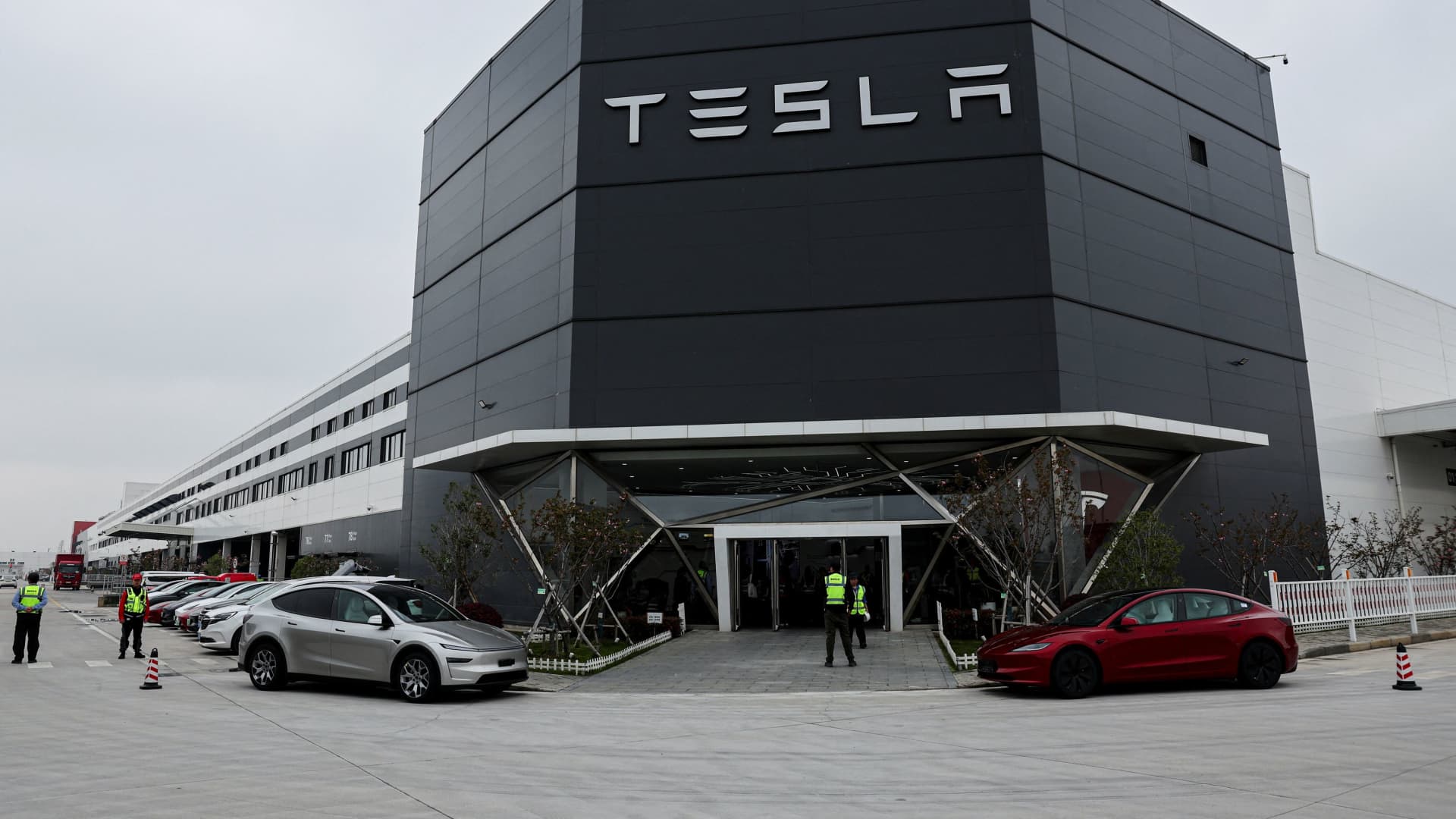
The landscape of global automotive commerce is shifting rapidly as China’s car market undergoes a rapid electrification process, permanently displacing legacy internal combustion models. New sales data from Autohome reveals a stark consolidation of market power, highlighting clear winners like Geely and Tesla while traditional joint ventures feel the squeeze. For investors tracking global capital flows, these dynamics underscore a critical structural shift in industrial dominance.
💰 Financial Strategy & Market Insights
- Geely Assumes Leadership. Geely’s ultra-affordable Xingyuan electric hatchback led individual model sales, proving that entry-level pricing remains highly effective in capturing mass-market share.
- Premium EV Resilience. Despite its premium pricing, Tesla’s Model Y secured the second spot, demonstrating strong brand equity amidst rising local competition from Xiaomi and Li Auto.
- Macro Pressure Risks. Although new energy vehicles (NEVs) achieved a record 65.1% market share in July, total passenger car volumes plummeted by 20.3%, highlighting broader macroeconomic headwinds.
A closer look at the latest automotive registrations shows that China’s car market is decoupling from traditional global trends. Local consumer preferences are moving rapidly toward domestic alternatives, leaving foreign legacy brands with a dwindling market share. For instance, Volkswagen was the sole traditional foreign representative in the top ten, relying heavily on its legacy gasoline-powered Lavida model. This transition highlights a massive reallocation of capital in the financial sector, where investment continues to favor advanced battery supply chains over traditional internal combustion technologies.
The competitive landscape has forced even dominant players like BYD to adjust. While BYD managed to secure three spots in the top ten, its individual models barely scraped into the top five, with its total passenger car sales slipping by over 10% in the first half of the year. This indicates that while the broader market is transitioning, fragmentation is increasing, and no single manufacturer is immune to intense pricing pressure. According to reputable financial news reports, the ongoing price wars have significantly compressed net margins, forcing manufacturers to rely on high export volumes to maintain profitability.
To safely navigate these rapid changes, active market participants rely on comprehensive market analysis to distinguish long-term compounders from highly leveraged speculative plays. The consolidation phase currently underway in the world’s largest automotive market will likely dictate the survival of domestic startups while testing the financial reserves of legacy giants.
- Geely’s multi-tier pricing strategy has successfully protected its top-line revenue against deep discounting.
- Tesla’s Shanghai Gigafactory continues to serve as an incredibly efficient global export hub, cushioning domestic margin declines.
- Smaller EV startups are facing intense liquidity constraints as funding pools dry up.
Analyzing the Risk and Reward Matrix
- Upside Opportunities: Rapid adoption of NEVs (now at 65.1%) provides a massive addressable market for software-defined vehicles and ancillary charging infrastructure. Companies with strong balance sheets can easily acquire distressed competitors to gain technology and manufacturing capacity.
- Downside Risks: A 20.3% drop in overall passenger car sales signals a cooling consumer economy. Additionally, intense price competition threatens to erode manufacturing margins to unsustainable levels, creating massive downside risk for highly leveraged EV firms.
Strategic Financial Insight: In highly volatile markets, capital efficiency is far more critical than raw volume growth. As China’s car market matures, the transition from capital expenditure-heavy phases to free cash flow generation will determine which automotive brands survive the current consolidation cycle.
| Metric Category | Value / Unit | Market Status |
|---|---|---|
| Geely Xingyuan Sales (YTD through July) | 197,500 units | Top Individual Bestseller |
| Tesla Model Y Sales (YTD through July) | 180,000 units | Premium Market Leader |
| NEV Market Share (July Data) | 65.1% | Up from 54.0% Year-Over-Year |
| Overall Passenger Car Sales (YTD July) | Down 20.3% | Broad Macro Headwinds Impact |
China’s Car Market Liquidity Analysis
The capital shifts occurring in China’s car market are directly affecting corporate liquidity. While Geely and Tesla maintain robust balance sheets, mid-tier electric vehicle players are facing severe cash-flow pressures due to persistent discounting. External financing has tightened significantly, forcing these firms to rely heavily on local government subsidies or strategic state investments. Institutional asset managers must monitor accounts receivable and inventory turnover metrics closely, as any slowdown in vehicle velocity could trigger short-term credit defaults within the broader automotive supply chain.
China’s Car Market Sentiment Tracker
Current sentiment across China’s car market presents a highly divided narrative. Consumer interest in localized, smart-car features remains exceptionally high, bolstering the valuation multiples of companies like Xiaomi and Li Auto. However, global institutional investors remain cautious. Concerns over regulatory compliance, domestic economic indicators, and international tariff disputes are driving capital toward safer, dividend-yielding assets. For those seeking educational financial insights, observing the volatility index of Chinese ADRs is essential for timing entry points in this highly cyclical sector.
How China’s Car Market Consolidation Will Impact Global Portfolios
China’s car market is transitioning from an era of unbridled growth to a phase of intense, structural consolidation. This survival-of-the-fittest environment will disproportionately favor well-capitalized domestic brands and highly efficient operators. Investors should expect continued volatility as market participants fight for the remaining market share.
- Brand equity and localized tech stacks will drive consumer acquisition.
- Regulatory developments and global trade restrictions remain wildcard factors.
- Cost leadership, exemplified by Geely’s sub-$15,000 models, is the ultimate competitive advantage.
Will foreign legacy automakers find a way to reinvent themselves in this new electric landscape, or have they permanently lost their foothold in the world’s largest automotive market?
📊 StockXpo Analyst’s View
Market Impact: The accelerated adoption of NEVs indicates a permanent structural shift that will likely suppress valuation multiples for traditional ICE-reliant manufacturers globally. To track these long-term macro trends, institutional investors rely on global market trackers to reallocate capital away from legacy industries. Sector To Watch: We recommend keeping a close eye on the battery manufacturing and raw material processing sectors, which will continue to see steady demand regardless of which individual vehicle brand wins the consumer volume race.
Financial Disclaimer: StockXpo.com is a financial news aggregator and educational portal, not a registered investment advisor or broker-dealer. All information, news, and analysis provided herein are strictly for educational purposes and do not constitute investment, financial, legal, or tax advice. Investing in the stock market involves high risks, and past performance is not indicative of future results. StockXpo will not be liable for any financial losses or investment damages. Always consult a certified financial advisor before making market decisions.
MORE IN INSIDE FINANCE

Sports Betting Volatility: Gen Z’s Risky Financial Shift
Published: Sunday, October 4, 2026 · 10:11 AM

Brazil Election: Market Volatility Ahead Amidst Political Divide
Published: Saturday, October 3, 2026 · 11:30 AM