
Published: Friday, July 31, 2026 · 2:19 PM | Updated: Friday, July 31, 2026 · 2:19 PM
📊 113 views




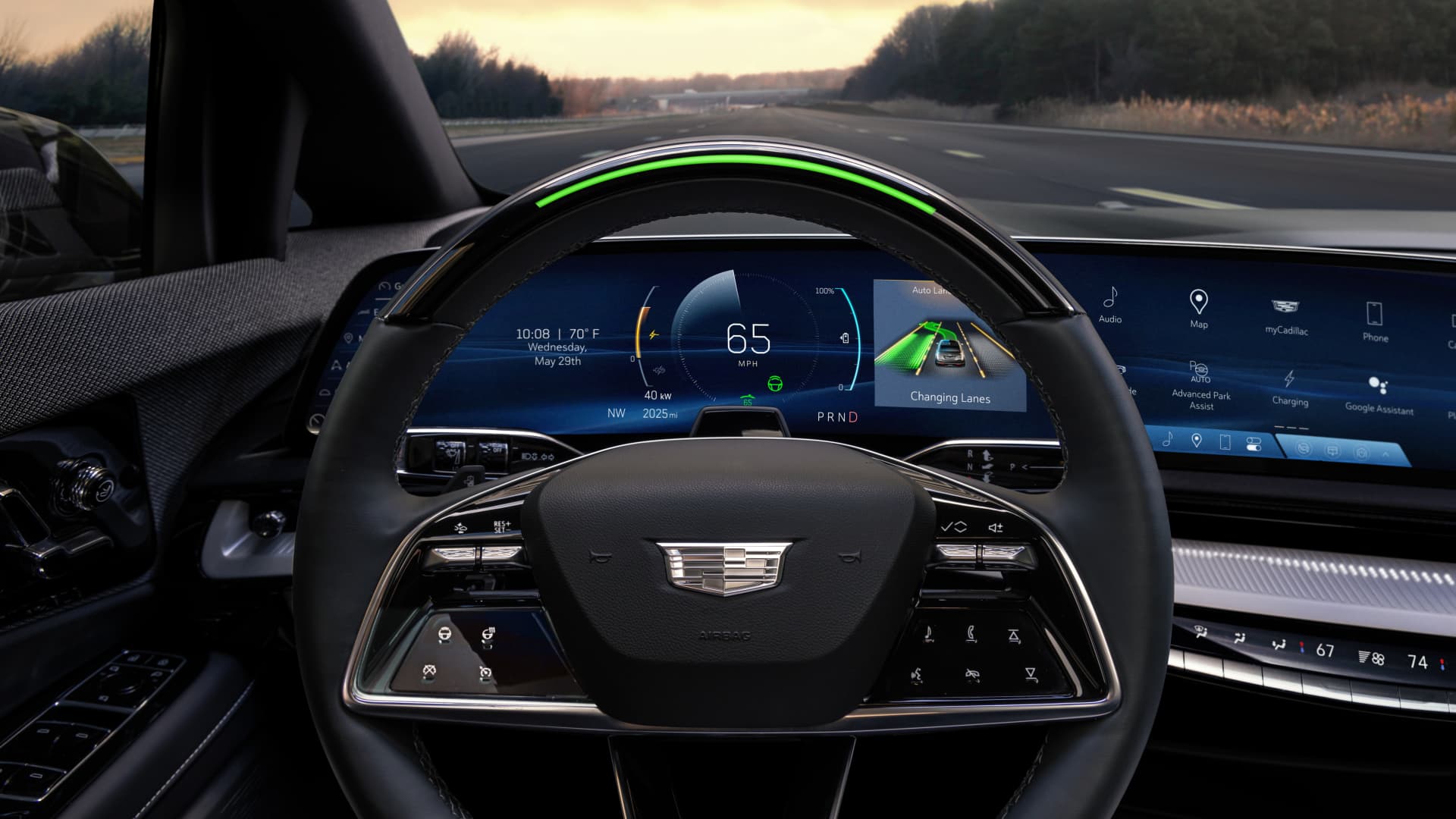
General Motors is set to launch its proprietary in-vehicle artificial intelligence system later this year, signaling a significant strategic shift away from a sole reliance on third-party solutions like Google’s Gemini. This pivot aims to deeply embed AI into GM’s core vehicle architecture, promising enhanced functionality and a more personalized customer experience that could redefine the automotive software landscape.
🗝️ Corporate Strategy Insights
- Vertical Integration & Control. GM is taking greater control over its in-vehicle software stack, moving beyond generic AI to leverage proprietary vehicle data for a richer, more integrated user experience.
- Differentiated Customer Experience. The new system is designed to offer unique, auto-specific capabilities, such as predictive maintenance and ‘kids setting’ controls, distinguishing GM’s offerings from broader smartphone-like AI assistants.
- Monetization & Data Moat. By developing its own AI, GM creates new avenues for data monetization and establishes a competitive moat around its vast telemetry data, potentially leading to new subscription services and deeper customer loyalty.
Detroit-based General Motors (GM) is pushing forward with plans to introduce its own advanced GM in-vehicle AI system, a move anticipated for late this year. This internal development signifies a strategic step to offer customers a more deeply integrated and vehicle-centric artificial intelligence experience compared to the Gemini AI assistant provided by Google, which GM began rolling out in eligible models from 2022 and newer earlier this year, as reported by CNBC.
According to Anna Santos, GM’s director of product management for voice and AI/machine learning, the new native AI assistant will combine conversational AI with specific GM vehicle knowledge and OnStar intelligence. This integration is critical for delivering capabilities that extend beyond what a general-purpose assistant, primarily designed for mobile devices, can provide. While Google’s Gemini offers natural speech interaction and controls for basic functions like temperature and radio, GM’s proprietary system aims for a far more comprehensive understanding of the vehicle, driving conditions, and owner needs, simplifying everyday ownership.
The shift underscores GM’s ambition to transform its vehicles into more intelligent, self-aware platforms. The company is collaborating with an unnamed large language model provider to power this technology, specifically targeting features such as:
- Predictive maintenance alerts based on real-time vehicle telemetry.
- Advanced auto-focused functionalities, like a ‘kids setting’ to automatically adjust music, seats, climate, and door locks.
- Leveraging proprietary GM data for highly customized and secure in-car experiences.
This strategic direction highlights a common theme across the automotive sector: the race to control the software layer and user interface. For more insights into how major corporations are adapting their core strategies, consider exploring detailed corporate growth strategies.
The Strategic Ripple Effect of GM’s AI Bet
GM’s decision to develop its own in-vehicle AI creates a significant strategic ripple effect across the automotive and tech ecosystems. This product launch directly translates into enhanced data ownership and deeper integration with its hardware. The direct consequence is a potential for greater customer stickiness, as unique AI functionalities become exclusive to GM vehicles. This vertical integration reduces reliance on third-party tech giants like Google for core functionalities, allowing GM to dictate the pace of innovation and tailor features precisely to its diverse brand portfolio (Cadillac, Chevrolet, Buick, GMC). For competitors, this signals a need to accelerate their own proprietary software development or risk falling behind in the race for the digital cockpit. Automakers without robust in-house AI capabilities may find their offerings perceived as less advanced, potentially impacting market share and brand value. The move also sets the stage for new revenue streams through subscription services tied to these advanced AI features, a growing trend in the connected car market.
'Developing proprietary in-vehicle AI is not merely about feature enhancement; it's a critical move for automakers to establish a durable competitive moat around their data assets and customer relationships, controlling the entire user experience from hardware to software.'
Key Indicators for GM’s AI Trajectory
While specific financial metrics for the GM in-vehicle AI system’s immediate impact are not yet available, key indicators for tracking its success will include:
- Customer Adoption Rates: The percentage of eligible GM owners actively using the new AI system, indicating user acceptance and perceived value.
- Subscription Service Sign-ups: If GM introduces premium AI features, the uptake of these services will reflect monetization potential.
- Driver Satisfaction Scores: Surveys and feedback focusing on the AI’s utility, responsiveness, and ability to simplify vehicle ownership.
- Telematics Data Utilization: The effectiveness with which GM leverages proprietary vehicle data for improving features and offering new services.
General Motors Strategic Analysis: Building a Digital Ecosystem
GM’s investment in its own GM in-vehicle AI system underscores a broader strategic pivot towards becoming a digitally integrated mobility provider, not just a vehicle manufacturer. This move is consistent with industry trends where software and services are increasingly becoming differentiators. By bringing AI development in-house, GM aims to build a robust digital ecosystem that can adapt quickly to evolving consumer demands and technological advancements. This strategy allows GM to consolidate control over critical intellectual property, develop unique competitive advantages, and potentially unlock new recurring revenue streams from connected services. The goal is to create a seamless digital experience that enhances safety, convenience, and personalization, leveraging GM’s extensive manufacturing scale and customer base. For continuous learning and deeper understanding of these shifts, readers can find educational insights on market trends.
General Motors Competitive Advantages in Software Defined Vehicles
The development of an in-house GM in-vehicle AI system significantly strengthens General Motors’ competitive advantages, particularly in the emerging landscape of software-defined vehicles. Unlike general-purpose AI, GM’s system is designed to understand the intricate nuances of its vehicle architecture and integrate directly with telematics. This deep vehicle knowledge provides a unique data advantage that external providers would struggle to replicate without extensive collaboration, offering GM a significant head start. Furthermore, the ability to control the entire user experience—from hardware to software—enables GM to optimize performance, enhance security, and deliver a consistent brand experience across its diverse portfolio. This strategy helps differentiate GM from rivals still heavily reliant on third-party software solutions, potentially paving the way for superior over-the-air updates and a more responsive development cycle.
General Motors’ AI Autonomy: Paving the Road Ahead
General Motors’ commitment to launching its proprietary GM in-vehicle AI system later this year represents a decisive step toward greater autonomy in software development. This strategic choice positions the automaker to cultivate a deeply integrated, vehicle-aware AI experience, moving beyond the capabilities of generic assistant programs.
- GM aims to leverage proprietary vehicle data and OnStar intelligence for unparalleled in-car functionality.
- This initiative solidifies GM’s long-term vision for software-defined vehicles and new potential revenue streams.
- The move intensifies competition in automotive software, challenging competitors to deepen their own AI integrations.
How will this intensified focus on proprietary AI reshape the competitive dynamics among traditional automakers and emerging tech players in the next five years?
### 📊 StockXpo Analyst’s View
Market Impact: This move by GM is likely to be viewed positively by investors seeking evidence of traditional automakers adapting to the digital age. It signals a proactive approach to capturing value from software and services, which typically command higher margins than hardware. While initial costs for R&D might be significant, the long-term potential for recurring revenue and stronger brand loyalty could offset these. Market liquidity might see subtle shifts as investors re-evaluate tech-dependent automotive suppliers versus those with strong in-house capabilities. For a broader perspective on stock market insights, explore StockXpo.com.
Sector To Watch: The automotive software and connected car sectors will be under intense scrutiny. Companies specializing in automotive-grade AI, data analytics, and cybersecurity for vehicles stand to gain, either as partners to automakers like GM or as acquisition targets. Conversely, general-purpose AI providers with limited automotive-specific expertise might face increased competition from integrated solutions. Furthermore, the demand for high-performance in-vehicle computing hardware is expected to grow as these AI systems become more complex. Explore further global business reports from reputable sources like Reuters, alongside real-time market data from Bloomberg.
Financial Disclaimer:
StockXpo.com is a financial news aggregator and educational portal, not a registered investment advisor or broker-dealer. All information, news, and analysis provided herein are strictly for educational purposes and do not constitute investment, financial, legal, or tax advice. Investing in the stock market involves high risks, and past performance is not indicative of future results. StockXpo will not be liable for any financial losses or investment damages. Always consult a certified financial advisor before making market decisions.
MORE IN INSIDE BUSINESS

American Airlines loss forecast: Strategic Capacity Slowdown Expected
Published: Thursday, October 22, 2026 · 8:40 AM

United Airlines Profit Outlook Slashed Amid Fuel Costs, Strong Demand Persists
Published: Wednesday, October 21, 2026 · 7:30 AM


