Published: Thursday, July 30, 2026 · 5:33 PM | Updated: Thursday, July 30, 2026 · 5:33 PM
📊 133 views




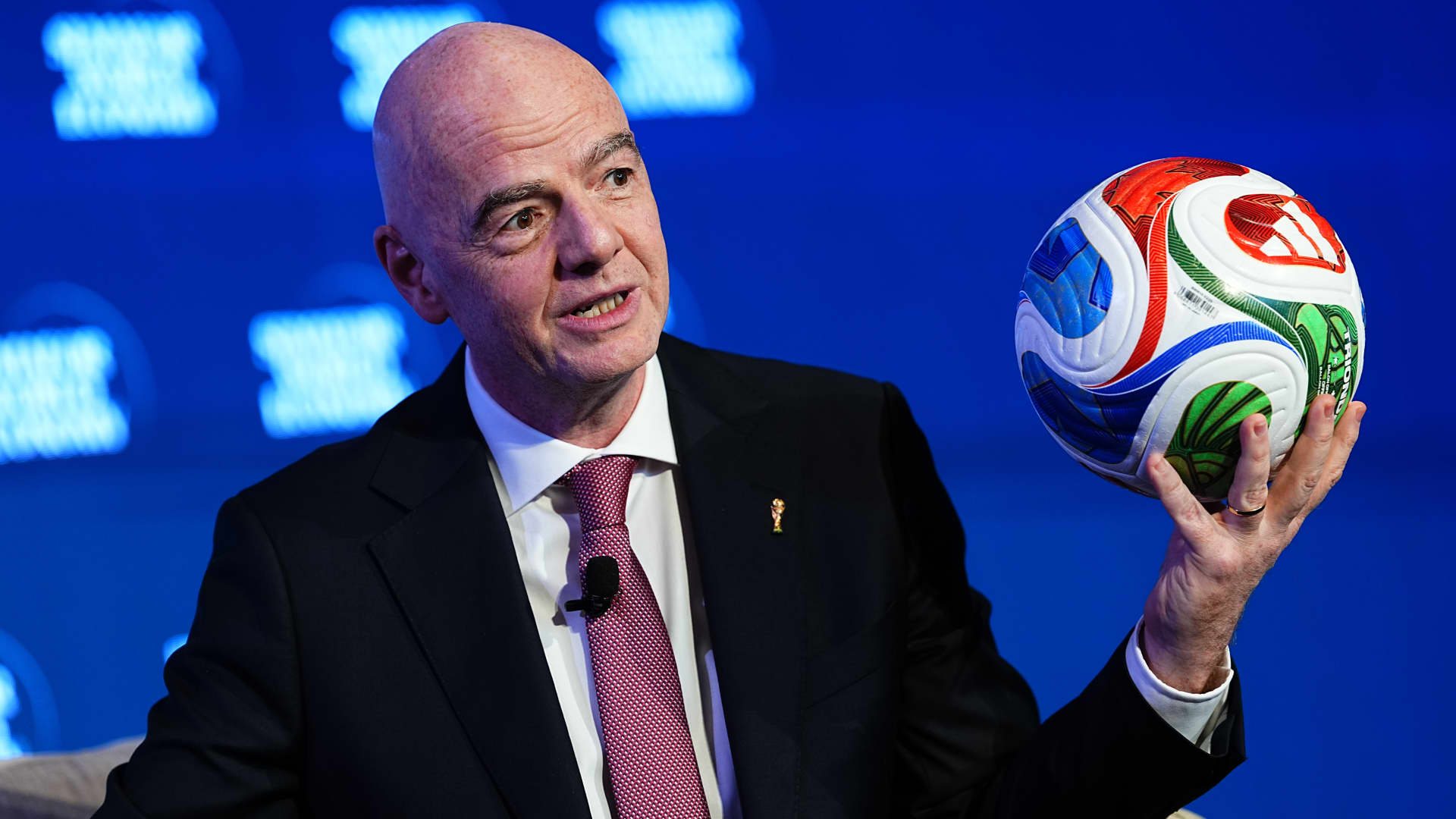
European football governing body UEFA has issued a stern warning to FIFA, threatening a complete boycott of all FIFA competitions, including the highly lucrative World Cup, should the global soccer organization proceed with its controversial plan to sell a significant stake to private equity investors. This move signals a deep rift within the sport’s leadership over financial strategy and governance.
🗝️ Corporate Strategy Insights
- Governance Over Monetization. UEFA contends that FIFA’s proposal to sell a 20% stake in its commercial and event operations entity, FIFA Forward Enterprise (FFE), for up to $4.2 billion, prioritizes financial gain over the established governance structures and stakeholder feedback.
- Erosion of Trust. The lack of prior consultation with member associations, including UEFA’s 55 national federations, has been labeled ‘irresponsible and indefensible’, highlighting a breakdown in trust between FIFA leadership and its constituents.
- Private Equity Scrutiny. The involvement of private equity firms, specifically one expected to be led by Thrive Eternal, founded by Joshua Kushner, has amplified concerns about external financial interests dictating the future of football and potentially influencing competitive balance.
UEFA’s Ultimatum on FIFA’s Financial Gamble
In an emergency meeting, UEFA unanimously declared that its national teams would withdraw from all FIFA competitions unless the private equity proposal is entirely abandoned, coupled with binding assurances against future privatization of governance or events. This hardline stance underscores UEFA’s commitment to preserving the integrity and stakeholder-driven nature of football, as articulated in their statement that ‘football’s future cannot be dictated’ by those seeking financial returns.
FIFA President Gianni Infantino has attempted to quell the rising dissent by reassuring fans that the sport will remain unchanged, characterizing the proposal as a mere ‘choice for our members’ rather than a mandate. However, this reassurance has done little to appease UEFA and other confederations like Concacaf, which have also expressed significant concerns regarding the lack of due process and the potential ramifications for the sport’s global ecosystem.
- The proposed deal aims to raise approximately $4.2 billion by selling a 20% stake in a newly formed entity, FIFA Forward Enterprise.
- UEFA, representing 55 of FIFA’s 211 member associations, has threatened a complete boycott of FIFA competitions.
- Concacaf, the governing body for soccer in North and Central America, has also voiced concerns about the plan’s implications.
This conflict highlights a critical strategic dilemma for FIFA: balancing the need for substantial capital infusion to fund global development and operations against the potential alienation of its core member base and the risk of commercial interests overshadowing sporting principles. The involvement of a firm linked to political figures adds another layer of complexity, potentially inviting further scrutiny and opposition.
FIFA’s New Venture Under Fire
The establishment of FIFA Forward Enterprise (FFE) is intended to streamline commercial and event operations, theoretically leading to greater efficiency and revenue generation. However, the method of funding – a significant equity stake sale to external investors – has proven to be the flashpoint. Critics argue that such a move could compromise FIFA’s autonomy and lead to decisions driven by investor returns rather than the long-term health and equitable development of the sport.
This standoff could have significant implications for the international football calendar and the financial health of national federations. A boycott by UEFA, arguably the most powerful and commercially successful confederation, would severely undermine the prestige and economic viability of FIFA’s flagship events, including the World Cup. Such a scenario would create immense pressure on FIFA to reconsider its strategy, potentially forcing a renegotiation of terms or a complete withdrawal of the proposal.
The proposed sale of a 20% stake in FIFA Forward Enterprise represents a pivotal moment for global football governance, pitting immediate financial opportunity against long-term sporting integrity and stakeholder trust.
The financial implications of this dispute are substantial. While FIFA seeks to raise billions, a sustained boycott could lead to significant revenue losses from broadcast rights, sponsorships, and ticket sales for all affected competitions. For investors considering a stake in FFE, the escalating conflict presents a considerable risk, potentially devaluing the asset before any tangible returns are realized.
| Key Metric | Value | Significance |
|---|---|---|
| Proposed FFE Stake Sale | 20% | Represents a significant dilution of control and potential influence for FIFA’s traditional governance structure. |
| Potential Capital Raised | Up to $4.2 billion | Indicates FIFA’s substantial capital needs and the scale of its ambition for commercial expansion. |
| UEFA Member Associations | 55 | Highlights the significant voting bloc and commercial power aligned against FIFA’s current proposal. |
UEFA’s Stance on FIFA’s Market Approach
UEFA’s firm opposition is rooted in a desire to protect football’s unique position as a sport governed by its participants, not external financial entities. The organization fears that private equity ownership could lead to increased commercialization, prioritizing profit over competitive fairness and the developmental needs of emerging football nations. This perspective aligns with a broader trend of sports organizations grappling with how to leverage commercial opportunities without compromising their core values and structures.
FIFA’s Governance Under Scrutiny
The controversy surrounding the FIFA Forward Enterprise plan underscores a broader challenge within international sports federations: navigating the complex interplay between commercial interests and sporting governance. FIFA’s move to seek private equity investment, while potentially unlocking significant capital, risks alienating its member base and ceding control over key aspects of the sport. This situation calls into question FIFA’s long-term strategy for sustainable growth and its commitment to equitable global development.
The Unfolding FIFA Governance Crisis
The escalating dispute between UEFA and FIFA over the private equity investment plan presents a critical juncture for the future of international football governance. FIFA’s aggressive push for commercial expansion through external investment is being met with staunch resistance from powerful European stakeholders, raising concerns about stability and long-term strategy within the sport.
This development poses significant questions for the future landscape of global football:
- Will FIFA prioritize immediate financial gains over established governance principles and stakeholder consensus?
- How will this conflict impact FIFA’s ability to secure future commercial partnerships and host major tournaments?
- What precedents will this set for other major sports organizations seeking private investment?
How will this internal conflict ultimately reshape the power dynamics within international football and its approach to capital allocation?
📊 StockXpo Analyst’s View
Market Impact: The threat of a World Cup boycott by UEFA introduces significant volatility and uncertainty into the sports finance market. Investor sentiment towards FIFA-related assets could be negatively impacted, potentially leading to a reassessment of valuation for future commercial ventures.
Sector To Watch: Sports media rights and event management companies reliant on FIFA’s flagship tournaments will be closely watching this dispute. The resolution could significantly influence broadcast deal valuations and sponsorship opportunities within the global sports industry.
Financial Disclaimer:
StockXpo.com is a financial news aggregator and educational portal, not a registered investment advisor or broker-dealer. All information, news, and analysis provided herein are strictly for educational purposes and do not constitute investment, financial, legal, or tax advice. Investing in the stock market involves high risks, and past performance is not indicative of future results. StockXpo will not be liable for any financial losses or investment damages. Always consult a certified financial advisor before making market decisions.
MORE IN INSIDE BUSINESS
Wonder’s Ambitious Strategy: Texas Expansion, Automation, and an IPO Path
Published: Sunday, October 25, 2026 · 9:32 AM

Young Airplane Scrapping: A $17 Million Engine Crisis Reshaping Aviation
Published: Saturday, October 24, 2026 · 8:26 AM