Published: Wednesday, July 29, 2026 · 5:21 PM | Updated: Wednesday, July 29, 2026 · 5:21 PM
📊 60 views




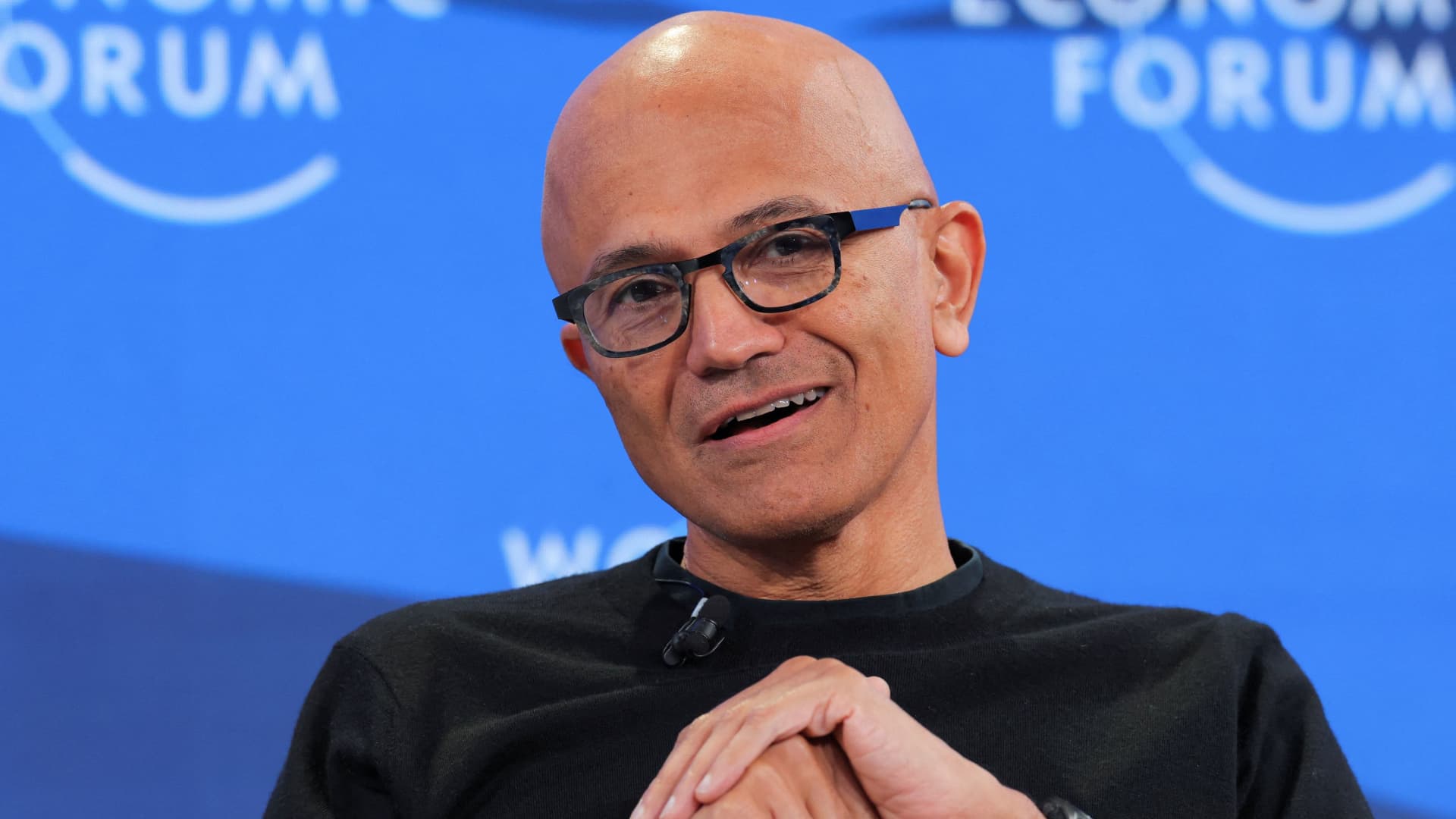
As technology investors brace for crucial quarterly disclosures, all eyes are on Microsoft’s impending Microsoft earnings report for its fiscal fourth quarter. The market is keenly awaiting insights into the tech giant’s aggressive AI spending plans and their broader implications for cloud infrastructure and future growth trajectories.
💎 Strategic Investment & Portfolio Insights
- AI Investment Scrutiny. Investors will meticulously examine Microsoft’s capital expenditure guidance for data center expansion, particularly given the aggressive AI arms race and recent competitor moves.
- OpenAI Dependency & Diversification. The report could clarify Microsoft’s strategy to mitigate concentration risk with OpenAI amid rising competition from open-source AI models and its internal AI development.
- Azure Cloud Momentum. Sustained robust growth in Azure cloud services, especially at constant currency, is critical for validating Microsoft’s long-term enterprise value and its competitive standing against rivals.
Microsoft is poised to release its fiscal Q4 2026 results after the market close on Wednesday, with LSEG consensus estimates pointing to adjusted earnings per share (EPS) of $4.24 on revenues of $87.62 billion. These figures represent an anticipated year-over-year revenue growth of 14.6% for the quarter ending June 30, with forecasts suggesting a slight acceleration to 15.4% in the upcoming September quarter. Despite these projections, the software behemoth’s shares have faced considerable headwinds this year, declining approximately 19% against an 8.5% gain for the broader S&P 500 index. This underperformance largely stems from investor anxiety regarding potential disruption from generative artificial intelligence models, a sentiment that has broadly impacted long-standing software equities, as often reported in key business headlines.
Deutsche Bank analysts, maintaining a ‘buy’ rating on Microsoft, recently highlighted what they termed ‘some concentration risk’ associated with the company’s significant relationship with OpenAI. A January disclosure revealed that roughly 45% of Microsoft’s staggering $625 billion in commercial remaining performance obligations (RPO) is directly tied to OpenAI, a factor that gains urgency with the increasing prominence and capabilities of open-source AI models. This dynamic underscores a critical strategic challenge for CEO Satya Nadella: balancing the allocation of scarce computing capacity among the burgeoning demands of Azure cloud services, internal research initiatives, and integrated applications like the Microsoft 365 Copilot assistant. Prioritizing AI chip allocation for model training by researchers could directly impact the availability of resources for external cloud clients, creating a delicate equilibrium to manage. For those looking to gain deeper market insights into these complex tech shifts, our blog offers detailed perspectives.
Analysts polled by CNBC and StreetAccount are projecting Azure constant currency growth rates between 40% and 40.2%, figures that will be pivotal in assessing the health and future trajectory of Microsoft’s core cloud business. Beyond operational performance, investors are keenly focused on Microsoft’s capital expenditure (CapEx) and finance lease forecasts for data center expansion. This scrutiny intensified following Alphabet’s recent decision to raise its 2026 CapEx range by $15 billion. Visible Alpha-polled analysts are targeting Microsoft CapEx around $190.5 billion, slightly above the $190 billion guidance provided in April. Strategic investments in AI infrastructure are vital, but their efficiency and return will be under rigorous review.
Throughout the quarter, Microsoft took several noteworthy actions to refine its product offerings and management structure:
- It unveiled a new, cost-efficient AI coding model, potentially signaling a move to lessen reliance on OpenAI for certain applications and optimize internal development costs.
- LinkedIn executive Dan Shapero was appointed as the new CEO of the professional social networking platform, indicating a continued focus on leadership stability and growth within its diverse portfolio.
- The company strategically lowered Xbox Game Pass subscription prices, a move aimed at bolstering its gaming ecosystem and subscriber base amid intense competition in the entertainment sector.
These operational shifts reflect Microsoft’s multi-faceted approach to navigating the evolving tech landscape, balancing innovation with cost management and strategic partnerships.
The market’s reaction to Microsoft’s post-earnings guidance on capital expenditures and AI investment signals a direct cause-and-effect chain: Increased CapEx → Potential Short-term Margin Pressure → Long-term Competitive Reinforcement. Should Microsoft signal a significant ramp-up in data center spending beyond expectations, it could initially lead to downward revisions in near-term earnings forecasts. However, for a long-term investment strategy focused on growth, such a move would be interpreted as a critical commitment to securing future AI leadership and fortifying Azure’s competitive moat against rivals in the cloud infrastructure domain.
“Microsoft’s strategic allocation of AI resources, particularly concerning its OpenAI dependency versus internal innovation, represents a crucial inflection point. Our portfolio positioning emphasizes companies that can effectively monetize AI infrastructure while mitigating concentration risks, ensuring long-term capital preservation in a rapidly evolving technological landscape.”
Key financial metrics and analyst expectations for Microsoft’s upcoming earnings report provide a snapshot of market sentiment and performance benchmarks:
| Metric | LSEG Consensus (Q4 FY26) | Significance |
|---|---|---|
| Adjusted Earnings Per Share | $4.24 | Benchmark for profitability and operational efficiency. |
| Total Revenue | $87.62 billion | Indicator of top-line growth and market share. |
| Y/Y Revenue Growth (Q4) | 14.6% | Reflects current business momentum and market demand. |
| Azure Growth (Constant Currency) | 40% – 40.2% | Critical for assessing the health and competitiveness of Microsoft’s cloud segment. |
These figures will be closely scrutinized to validate Microsoft’s growth narrative amid intense market focus on AI investments and cloud scalability.
Microsoft’s Competitive Benchmarking in the AI Era
Microsoft’s position in the fiercely competitive AI landscape is constantly being re-evaluated. Its primary cloud competitor, Amazon Web Services (AWS), along with Google Cloud (Alphabet), are also making massive investments in AI infrastructure, vying for the same enterprise clients. The recent CapEx increase by Alphabet underscores the escalating arms race in data center expansion, crucial for AI model training and deployment. Microsoft’s deep integration of AI into its entire product suite, from Azure to Microsoft 365 Copilot, gives it a distinct advantage in offering a comprehensive AI ecosystem. However, the rise of powerful open-source AI models, often more flexible and cost-effective for smaller developers, presents a challenge to the proprietary models favored by Microsoft and OpenAI. This necessitates Microsoft to demonstrate not just technological superiority but also superior value proposition and ecosystem lock-in to maintain its leadership.
Understanding Microsoft’s Risk-Reward Matrix Post-Earnings
For investors, the impending Microsoft earnings present a clear, albeit complex, risk-reward profile. The primary reward driver is Microsoft’s potential to effectively monetize its substantial AI investments, driving sustained growth in Azure and its productivity suite. A positive outlook on CapEx efficiency and robust Azure growth could re-ignite investor confidence and justify higher valuations. Conversely, key risks include weaker-than-expected Azure growth, indicating market share loss or demand softening, and any further escalation in CapEx without clear pathways to accelerated revenue or margin expansion. The ‘concentration risk’ with OpenAI, as identified by Deutsche Bank, remains a significant concern. Successfully navigating these challenges will dictate the immediate stock performance and its long-term alpha generation potential for diversified portfolios.
Microsoft’s AI Crossroads: What This Earnings Report Could Signal
Microsoft’s upcoming earnings report transcends a mere financial update; it represents a critical juncture for the company’s AI strategy and its broader market narrative. The interplay between aggressive AI investment, managing OpenAI dependencies, and sustaining Azure’s growth trajectory will define investor sentiment in the coming months.
- A strong Azure performance coupled with disciplined CapEx guidance could assuage fears of AI spending inefficiency.
- Clarity on Microsoft’s internal AI development versus OpenAI integration will be key to understanding future operational costs and competitive positioning.
- The market’s reaction will gauge how effectively Microsoft can pivot its vast enterprise software base towards AI-driven solutions amidst evolving competitive pressures.
Will Microsoft’s bold bets on artificial intelligence translate into immediate alpha, or will strategic growing pains overshadow its long-term potential?
📊 StockXpo Analyst’s View
Market Impact: The outcome of Microsoft’s earnings will significantly influence tech sector sentiment, particularly for cloud and AI infrastructure providers. A beat on Azure growth or a prudent CapEx outlook could spark a broader rally, signaling effective monetization of AI, while any weakness may trigger wider selling pressure across mega-cap tech, affecting market liquidity by shifting capital flows towards more defensive assets. This will set the tone for comprehensive market analysis.
Sector To Watch: The semiconductor and data center REIT sectors will be especially sensitive to Microsoft’s CapEx guidance. Increased investment suggests continued demand for high-performance chips and data center capacity, potentially benefiting companies like Nvidia and AMD, along with key infrastructure players. Conversely, any slowdown could prompt a re-evaluation of growth forecasts for these critical AI enablers, impacting broader global market movements.
Financial Disclaimer:
StockXpo.com is a financial news aggregator and educational portal, not a registered investment advisor or broker-dealer. All information, news, and analysis provided herein are strictly for educational purposes and do not constitute investment, financial, legal, or tax advice. Investing in the stock market involves high risks, and past performance is not indicative of future results. StockXpo will not be liable for any financial losses or investment damages. Always consult a certified financial advisor before making market decisions.
MORE IN INSIDE INVESTMENT NEWS

Alibaba AI Spending: A 75% Profit Plunge Signals Future Alpha
Published: Thursday, August 20, 2026 · 7:40 AM
Target Earnings: Alpha Insights Amid Cautious Consumer Spending
Published: Wednesday, August 19, 2026 · 1:26 AM