Published: Wednesday, July 29, 2026 · 1:16 PM | Updated: Wednesday, July 29, 2026 · 1:16 PM
📊 192 views




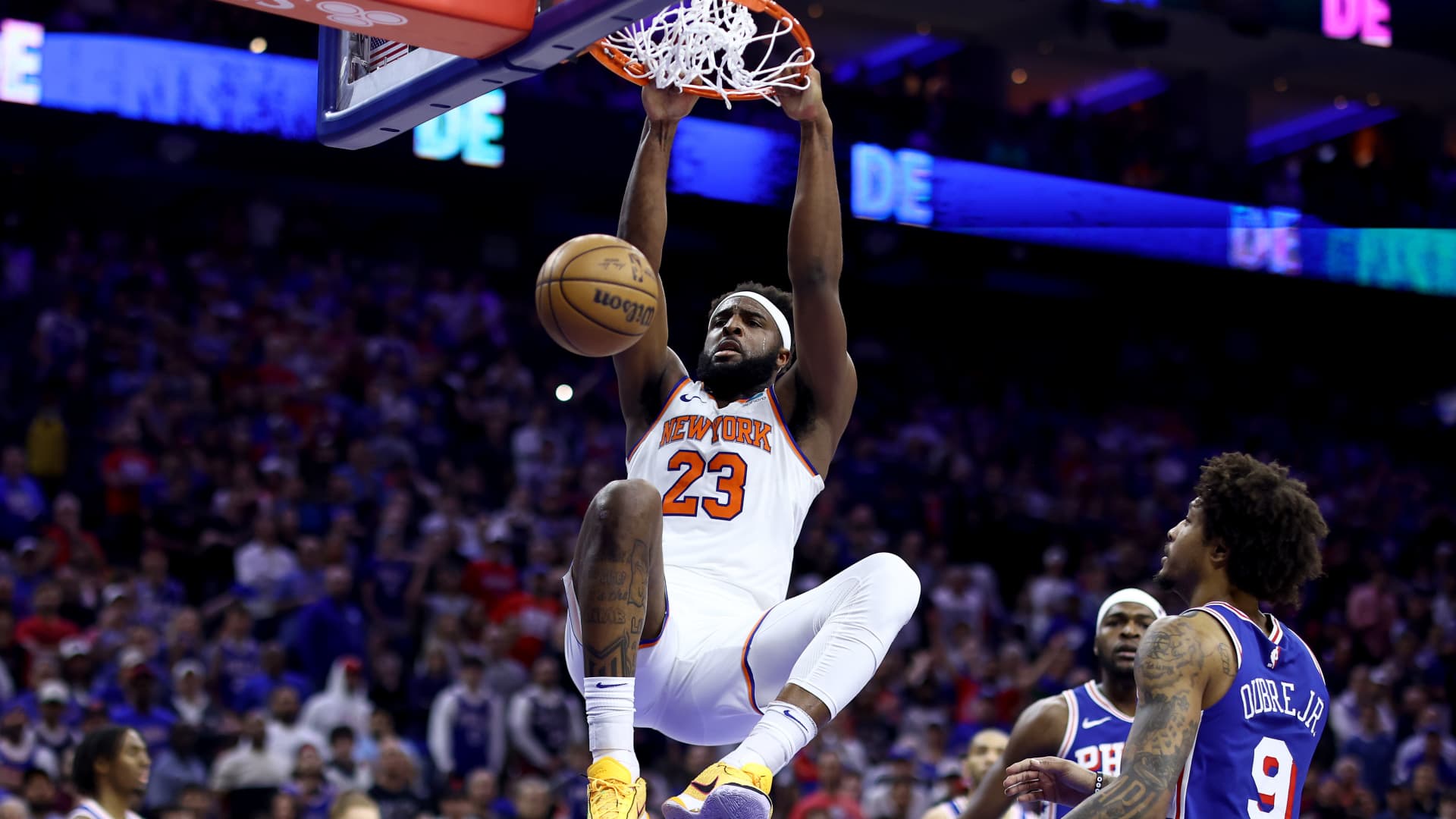
The regional sports broadcasting landscape is undergoing a significant transformation as YES Network and MSG Networks are set to transition their direct-to-consumer streaming offerings to the global platform, DAZN. This strategic move, which will see the networks exit their joint venture Gotham Sports app, underscores the intensifying pressures on traditional RSN models and highlights DAZN’s aggressive expansion into the U.S. market for premium sports content.
🗝️ Corporate Strategy Insights
- RSN Model Under Pressure. Cord-cutting and bankruptcy filings in the regional sports network sector are forcing networks like YES and MSG to seek more stable and expansive streaming solutions, departing from fragmented local apps.
- DAZN’s U.S. Market Penetration. Securing premier regional content like the New York Yankees, Knicks, and Rangers positions DAZN for significant growth in the competitive American sports streaming landscape.
- Consolidation of Streaming Rights. The shift indicates a trend towards larger, specialized streaming platforms becoming central hubs for diverse sports content, moving away from niche, team-specific applications.
The decision by the independently owned YES Network and MSG Networks to migrate their direct-to-consumer offerings to the DAZN streaming service marks a pivotal moment in regional sports broadcasting. This strategic realignment, moving away from their Gotham Sports app by the 2026-2027 NBA and NHL seasons, reflects the escalating challenges confronting the traditional regional sports network (RSN) model. The industry has seen significant turmoil, epitomized by the shutdown of Main Street Sports and the bankruptcy of Diamond Sports, largely driven by persistent cord-cutting trends and rising content costs, a situation closely monitored by global market insights.
Despite strong local ratings for teams like the New York Yankees and Knicks, these networks face headwinds in subscriber retention within traditional pay-TV bundles. The move to DAZN, a global streaming service actively seeking to expand its footprint in the U.S. market, represents a calculated response to these pressures. DAZN has positioned itself as a major player in acquiring sports rights, notably securing the FIFA Club World Cup and publicly pursuing NBA digital rights. This partnership provides YES and MSG access to a broader, digitally native audience and leverages DAZN’s established streaming infrastructure, potentially stabilizing revenue streams that have been vulnerable to cable provider disputes, such as MSG’s past blackout with Optimum (OPTU) and YES Network’s recent near-miss with Comcast. For additional perspective on these industry shifts, readers can explore business news.
Key considerations driving this migration include:
- Mitigation of subscriber attrition from traditional cable packages.
- Access to DAZN’s global user base and advanced streaming technology.
- Simplified direct-to-consumer access for fans, consolidating multiple sports properties.
This move generates a significant strategic ripple effect across the sports media landscape. The transition of YES and MSG Networks to DAZN directly translates into a substantial enhancement of DAZN’s content portfolio, particularly within the highly coveted New York metropolitan area sports market. This expanded offering could lead to increased subscriber acquisition for the DAZN streaming service, bolstering its competitive stance against rivals like ESPN+ and Amazon Prime Video (AMZN), which have also been aggressively pursuing sports streaming rights. Consequently, other regional sports networks, still grappling with cord-cutting and financial instability, may be compelled to accelerate their search for robust streaming partnerships or consider direct consolidation to maintain market relevance and ensure long-term viability, a strategy often discussed in corporate growth narratives.
The integration of YES and MSG Networks onto DAZN is not merely a content migration; it’s a strategic aggregation of premium local sports rights onto a global platform, fundamentally reshaping the future economic model for regional sports broadcasting and intensifying the streaming wars for sports dominance.
While specific financial metrics detailing the new DAZN subscription models or current subscriber counts for YES and MSG on Gotham are not disclosed, several indicators illuminate the strategic landscape:
- Previous Subscription Baseline: Gotham Sports app annual subscriptions started at approximately $209.99, providing a benchmark for potential DAZN pricing strategies in the lucrative New York market.
- Regional Sports Network Instability: The broader RSN sector has faced immense pressure, evidenced by Main Street Sports’ winding down and Diamond Sports’ bankruptcy filings, signaling a critical need for sustainable revenue models beyond traditional cable bundles.
- DAZN’s Expansionary Footprint: DAZN’s recent acquisition of FIFA Club World Cup rights in the U.S. and its public pursuit of NBA digital rights from distressed RSNs highlight its aggressive strategy to consolidate sports streaming offerings and expand its market share.
These points underscore the shifting economic realities where content aggregation and direct-to-consumer access are becoming paramount for viability.
DAZN Strategic Analysis
DAZN’s strategy is clear: aggregate high-value, exclusive sports content onto a single global platform to drive subscriber growth and recurring revenue. By securing regional heavyweights like YES and MSG, DAZN circumvents the fragmented RSN market challenges and gains direct access to loyal fanbases. This move aligns with a broader industry trend of direct-to-consumer models, leveraging proprietary technology for global distribution and local customization. It aims to establish DAZN as a premier destination for sports enthusiasts, capitalizing on the migration from linear television to streaming services, an important aspect for those tracking stock markets.
DAZN Competitive Advantages
DAZN distinguishes itself through a multi-faceted approach to competitive advantage. Its global footprint allows for scale and diversified content acquisition beyond a single market, mitigating regional risks. A robust, dedicated streaming infrastructure supports high-quality live sports delivery, crucial for fan experience. Furthermore, its aggressive pursuit of exclusive rights, often stepping into voids left by struggling traditional broadcasters, positions it as a first-mover in capturing underserved or newly available sports content. This proactive strategy differentiates DAZN from general entertainment streamers that offer sports as an add-on, a topic frequently explored for educational insights.
DAZN’s Market Play: Navigating the Future of Sports Streaming
The integration of YES and MSG Networks onto the DAZN streaming service signals a major consolidation in the regional sports broadcasting arena, reflecting DAZN’s calculated efforts to solidify its presence in the U.S. market. This strategic absorption provides DAZN with invaluable, localized content, directly addressing the cord-cutting phenomenon while offering a new, potentially more stable, distribution channel for these iconic sports networks.
- Enhanced Content Portfolio: DAZN significantly expands its U.S. offering with exclusive local rights to major MLB, NBA, and NHL teams, strengthening its value proposition.
- RSN Model Evolution: This move highlights a viable pathway for regional sports networks to adapt to a streaming-first environment, moving away from reliance on diminishing cable bundles.
- Competitive Landscape Reshaping: DAZN’s increased content density intensifies competition among sports streamers, potentially pressuring rivals to seek similar exclusive regional partnerships.
As DAZN continues to build out its U.S. sports portfolio, how will its pricing and packaging strategies impact consumer adoption and the broader economics of live sports content?
📊 StockXpo Analyst’s View
Market Impact: This deal underscores the ongoing shift of premium sports content from linear TV to streaming, suggesting increased M&A activity in media rights. While specific financial terms are undisclosed, the move could boost DAZN’s subscriber numbers and valuation, potentially leading to upward pressure on sports media asset prices. Investors should monitor DAZN’s operational efficiency in integrating these networks and its pricing strategy.
Sector To Watch: The Regional Sports Network (RSN) sector, already under immense pressure, remains a critical area to watch. This move could catalyze further consolidation or partnerships between struggling RSNs and global streamers. Additionally, companies in content delivery networks and streaming technology providers stand to gain from increased demand for robust infrastructure.
Financial Disclaimer:
StockXpo.com is a financial news aggregator and educational portal, not a registered investment advisor or broker-dealer. All information, news, and analysis provided herein are strictly for educational purposes and do not constitute investment, financial, legal, or tax advice. Investing in the stock market involves high risks, and past performance is not indicative of future results. StockXpo will not be liable for any financial losses or investment damages. Always consult a certified financial advisor before making market decisions.
MORE IN INSIDE BUSINESS
American Express Workforce Cuts: A Strategic AI Preparation
Published: Friday, October 23, 2026 · 9:50 AM

American Airlines loss forecast: Strategic Capacity Slowdown Expected
Published: Thursday, October 22, 2026 · 8:40 AM