Published: Monday, July 27, 2026 · 10:12 AM | Updated: Monday, July 27, 2026 · 10:12 AM
📊 193 views





Ford Motor Company is significantly expanding its Ford customization business, aiming to tap into the lucrative $53 billion U.S. aftermarket and boost high-margin revenue streams. This strategic shift, drawing inspiration from “Nike shoe drop” marketing, represents a crucial effort to drive profitability amid an evolving automotive landscape.
🗝️ Corporate Strategy Insights
- Aftermarket Expansion. Ford is increasing investment in accessories, performance parts, and vehicle wraps to capture a larger share of the $53 billion U.S. aftermarket industry.
- ‘Nike Shoe Drop’ Model. The company plans exclusive, limited-edition vehicle releases, like the Bronco Desert Rising package, to generate excitement, demand, and higher profit margins similar to popular sneaker launches.
- Integrated Customer Experience. Ford Custom Garage offers a one-stop shop for customizations, including factory-backed packages that can be rolled into vehicle financing and covered by warranty, enhancing customer loyalty.
Ford Motor Company is making a calculated move to significantly bolster its profit margins by diving deeper into the high-revenue customization market. Executive Director of Ford Customization, Matt Simpson, articulated a vision akin to a ‘Nike shoe drop,’ signaling a shift towards exclusive, limited-edition models and extensive aftermarket offerings. This strategy aims to engage customers more deeply in the aftersales experience, expanding products from exterior detailing to performance parts and complete vehicle packages. This aggressive push is supported by increased investment in groups like Ford Custom Garage, which launched last year to streamline the customization process for consumers.
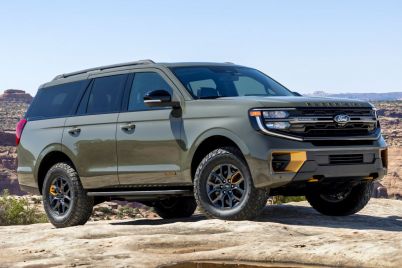
The automaker’s initial “vehicle drop” featured a sunrise-inspired Ford Bronco SUV, part of the new Bronco Horizon Series. This limited-edition Desert Rising package, priced at an additional $13,695, elevates the vehicle’s total cost to $57,350. Such offerings represent a substantial revenue opportunity, with other packages for Mustangs and F-150s ranging from thousands to nearly $27,000 for high-performance versions. CEO Jim Farley has consistently highlighted the aftermarket business as a major growth lever, targeting an 8% annual increase in its $15 billion high-margin software and physical services revenue through the decade’s end.
- Ford reports that 46% of its new U.S. vehicle buyers already customize their vehicles, with Bronco owners leading the trend, followed by Mustang and F-Series pickup truck buyers.
- The company’s strategy includes integrating customization costs into new vehicle warranties and allowing buyers to roll these expenses into their monthly payments, overcoming traditional aftermarket hurdles.
- The increasing complexity of modern vehicles makes factory-backed customizations more appealing, as specialized tools and certified expertise are often required, pushing individual owners or non-certified shops out of the market. This strengthens Ford’s position.
Ford’s intensified focus on customization could trigger a significant strategic ripple effect across the automotive industry. The direct consequence is a potential for enhanced profitability per vehicle, transforming a traditional commodity sale into a personalized, higher-margin transaction. By offering factory-integrated customization options, Ford addresses the growing consumer demand for individuality while maintaining warranty coverage, a critical differentiator against third-party aftermarket providers. This strategy could compel rivals like General Motors and Stellantis to re-evaluate their own aftermarket strategies, potentially leading to increased competition in personalized vehicle offerings and proprietary accessories. The move may also expand Ford’s brand loyalty, as customers who invest in personalized options tend to exhibit higher retention rates, as noted by Simpson. Ultimately, this approach moves Ford beyond mere vehicle manufacturing to becoming a comprehensive lifestyle and service provider, driving market expansion and greater revenue potential from existing customer bases. For broader stock markets, this shift could be seen as a positive indicator of automakers exploring new avenues for growth and sustained revenue, reflecting evolving consumer preferences in the automotive sector. For more insights on company strategy, readers can explore StockXpo’s business section.
“Ford’s ‘Nike shoe drop’ approach to customization isn’t just about selling more accessories; it’s a profound strategic pivot to redefine vehicle ownership, cultivate deeper brand loyalty, and unlock substantial, high-margin recurring revenue in an increasingly competitive market.”
While specific growth targets for the customization division were not disclosed, Ford has provided broader financial indicators for its services revenue.
- Targeted Growth: 8% annual growth for its $15 billion high-margin software and physical services revenue through 2030.
- U.S. Aftermarket Value: The Specialty Equipment Market Association (SEMA) reports U.S. consumers spent $52.9 billion on vehicle accessories and modifications in 2025.
- Customization Rate: 46% of Ford’s new U.S. vehicle buyers customize their vehicles.
These metrics highlight the significant market opportunity Ford is pursuing. The 8% annual growth target indicates a robust commitment to services, while the overall aftermarket size underscores the potential for substantial market share capture. The existing high customization rate among Ford buyers suggests a receptive audience for expanded factory offerings, a detail also noted in market analysis from leading financial news organizations.
Ford’s Competitive Advantages in Customization
Ford’s established brand equity and existing network of dealerships provide a distinct advantage in scaling its customization efforts. Unlike independent aftermarket shops, Ford can offer factory-backed warranties on installed parts and roll customization costs into vehicle financing, eliminating significant barriers for consumers. This integrated approach ensures quality, compatibility, and peace of mind. Furthermore, the company’s ability to design and produce limited-edition vehicles, leveraging iconic models like the Bronco and Mustang, creates an emotional connection with buyers that independent players struggle to replicate. This directly contrasts with fragmented third-party offerings, positioning Ford as a reliable, premium customization provider.
Ford Industry Benchmarking: Lessons from Luxury and Tech
Ford’s “Nike shoe drop” strategy draws parallels with successful models in luxury goods and consumer electronics, where scarcity and exclusivity drive demand and premium pricing. Brands like Porsche have long offered extensive customization programs, allowing buyers to personalize every detail, leading to higher average transaction prices and stronger customer relationships. Similarly, tech giants use limited-edition product drops to generate buzz and loyalty. By adopting elements of these successful strategies, Ford aims to elevate its offerings beyond mere utility, creating an emotional resonance that typically yields higher margins and more passionate brand advocates. This benchmarking, also highlighted in global business news, indicates a sophisticated understanding of consumer psychology applied to a traditionally mass-market industry.
Ford Customization: Charting the Path for Future Revenue
Ford’s aggressive push into the customization market signals a strategic effort to diversify revenue streams and enhance profitability beyond traditional vehicle sales. By integrating aftermarket offerings directly into the purchasing experience and leveraging ‘Nike shoe drop’ marketing, Ford is positioning itself to capture a larger share of the growing customization spend. This move not only promises higher margins but also deeper customer loyalty. For more actionable investment insights, visit our blog.
- Factory-backed customizations streamline the process for consumers while ensuring warranty coverage.
- The “Nike drop” model could create significant brand buzz and drive demand for premium, limited-edition vehicles.
- Targeting an 8% annual growth in high-margin services underscores a long-term commitment to this strategic pivot.
Will this customization drive fundamentally reshape the future profitability of legacy automakers in a highly competitive market?
📊 StockXpo Analyst’s View
Market Impact: This strategic emphasis on Ford customization offers a compelling narrative for investors, potentially shifting Ford’s valuation towards a more services-oriented multiple. Higher-margin customization revenues, especially when integrated with financing and warranties, provide a more stable and predictable income stream than cyclical vehicle sales. This could positively impact investor sentiment, suggesting a robust avenue for sustainable growth and improved market liquidity for Ford shares as analysts factor in these new revenue opportunities.
Sector To Watch: The automotive aftermarket sector is poised for significant innovation and consolidation. As OEMs like Ford internalize customization, third-party accessory providers and independent modification shops might face increased competition or be forced into strategic partnerships. Furthermore, companies specializing in automotive software and advanced diagnostics, crucial for modern vehicle customization, will likely see heightened demand and investment.
Financial Disclaimer:
StockXpo.com is a financial news aggregator and educational portal, not a registered investment advisor or broker-dealer. All information, news, and analysis provided herein are strictly for educational purposes and do not constitute investment, financial, legal, or tax advice. Investing in the stock market involves high risks, and past performance is not indicative of future results. StockXpo will not be liable for any financial losses or investment damages. Always consult a certified financial advisor before making market decisions.
MORE IN INSIDE BUSINESS
American Express Workforce Cuts: A Strategic AI Preparation
Published: Friday, October 23, 2026 · 9:50 AM
American Airlines loss forecast: Strategic Capacity Slowdown Expected
Published: Thursday, October 22, 2026 · 8:40 AM