Published: Saturday, July 11, 2026 · 1:59 PM | Updated: Saturday, July 11, 2026 · 1:59 PM
📊 295 views




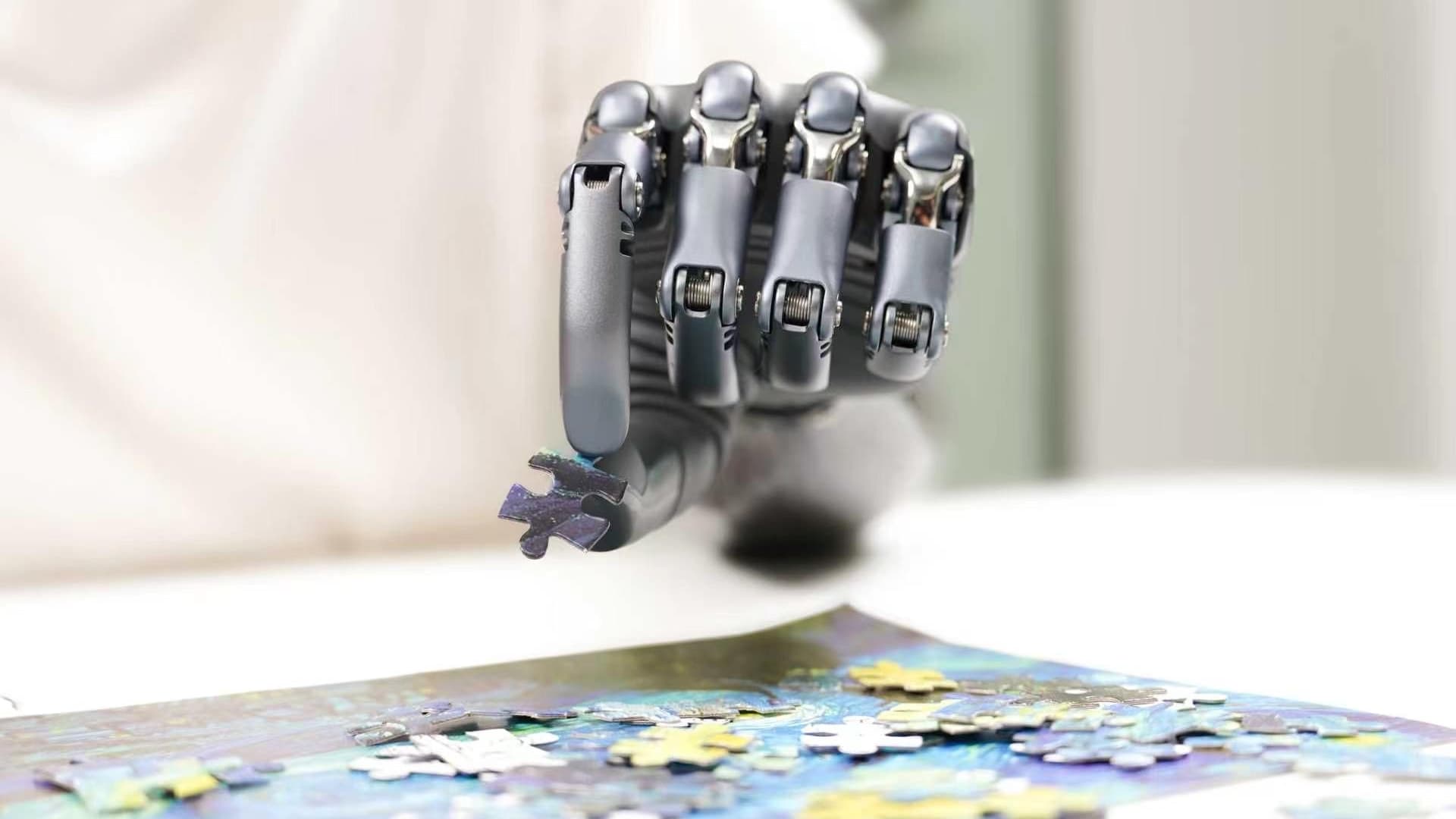
The burgeoning field of Brain-Computer Interfaces (BCI) is rapidly evolving, sparking a high-stakes competition between invasive neural implants championed by firms like Neuralink and a growing wave of non-invasive, wearable solutions. This technological divergence defines a critical frontier in human-machine interaction, with significant implications for healthcare, accessibility, and ultimately, human augmentation.
🚀 Tech Strategy & Market Disruptions
- Invasive vs. Non-Invasive BCI. While Elon Musk’s Neuralink pursues skull-drilling implants for high-precision applications in patients, companies like BrainCo are championing wearable, non-invasive BCI devices aimed at broader medical conditions and eventually mass-market consumer electronics.
- AI as a Catalyst for BCI Advancement. Artificial intelligence is boosting signal-processing capabilities for BCI, enhancing the translation of subtle brain signals into actionable commands and paving the way for mind-controlled AI and robotics.
- Geopolitical Stakes and Market Roadmaps. China has designated BCI as a strategic ‘future industry’, integrating it into its national industrial policy with government backing, contrasting with the more venture-capital-driven U.S. approach and establishing a clear roadmap from medical rehabilitation to consumer adoption.
The race to commercialize Brain-Computer Interfaces, or BCI, reveals a fundamental schism in technological approach: the precision of invasive implants versus the accessibility of wearables. While Neuralink, spearheaded by Elon Musk, garners headlines with its skull-implant technology designed to aid severely impaired patients, a significant contingent of companies, notably China’s BrainCo, is betting on the mass-market potential of non-invasive neural tech. This strategic divergence highlights a core challenge in emerging technologies: balancing groundbreaking medical breakthroughs with scalable consumer adoption.
Brain-Computer Interfaces fundamentally function by processing and translating brain signals into commands, enabling individuals to control external devices through thought alone. This nascent field, though receiving a fraction of the investment compared to artificial intelligence, is gaining traction as companies achieve milestones, such as allowing ALS patients to type or play games via neural signals. A key accelerator in this progress is AI, which significantly enhances the capability to acquire and decode complex brain signals, moving closer to a future where the mind might directly interface with AI systems and robotics.
The U.S.-China rivalry is increasingly playing out in the BCI domain. Beijing has strategically included BCI in its latest Five-Year Plan as a ‘future industry’ and has already approved Neuracle Medical Technology’s minimally invasive BCI device for commercial use in spinal cord injury recovery. Beyond implants, the non-invasive segment is rapidly expanding, with players like Sam Altman-backed Merge Labs and China’s Gestala exploring ultrasound-based methods, and Hangzhou-based BrainCo focusing on prosthetics and wearable BCI devices. Rui Ma, founder of Tech Buzz China, emphasizes that while current BCI applications offer life-changing improvements for severe impairments, the truly vast market lies in augmenting human capabilities—a vision still largely in the realm of science fiction, as reported by Reuters reporting.
Harvard Innovation Labs spin-off BrainCo, founded in 2015, has firmly committed to the non-invasive pathway. Nyx He, a senior vice president at BrainCo, notes that while some conditions necessitate direct brain intervention, a broader range of needs, especially where traditional drugs fall short, can be addressed by less intrusive, lower-risk, and more cost-effective non-invasive methods. The company’s FDA-approved bionic hands, for instance, interpret neural and muscular electrical signals to enable movement for amputees. Their wearables include sleep aids that utilize low-intensity electrical pulses to stimulate neurochemicals linked to stress relief. This approach has attracted substantial backing, with BrainCo securing 2 billion yuan ($280 million) in a funding round co-led by IDG Capital and Walden International, a venture firm founded by Intel CEO Lip-Bu Tan.
The primary hurdle for non-invasive methods, according to He, is the delicate task of acquiring and accurately decoding subtle, often noisy, brain signals from outside the skull. BrainCo has addressed this with proprietary dry electrode sensors and an advanced AI algorithm for signal interpretation. The company’s ambitious roadmap unfolds in stages: initially targeting critical medical needs like amputee rehabilitation, then expanding into conditions such as ADHD and depression, and ultimately aiming for the mass consumer electronics market. A significant revenue driver projected for BrainCo is licensing its BCI platform to other tech companies, echoing a broader national strategy in China, as articulated by a Chinese Academy of Sciences researcher, which envisions a progression from medical applications to autonomous driving, smart manufacturing, and finally, widespread consumer products. These developments align with broader technology market trends.
- BrainCo’s bionic hands translate neural and muscular signals for amputees.
- Wearable sleep aids stimulate neurochemicals for stress relief.
- Proprietary dry electrode sensors and AI algorithms decode subtle brain signals.
- Strategic roadmap includes medical, clinical (ADHD, depression), and mass-market consumer phases.
Disruption Flow: Wearable BCI’s Market Expansion
The rapid advancements in non-invasive Brain-Computer Interfaces, driven by improved AI signal processing and more accessible hardware, are creating a potent disruption flow. This innovation allows for lower barriers to entry for users, leading to broader market adoption beyond specialized medical procedures. As devices become more user-friendly and cost-effective, they accelerate the digital transformation of healthcare, facilitating advanced prosthetics and new therapeutic interventions, and ultimately opening avenues for consumer-grade neuro-enhancement and novel human-machine interaction paradigms across diverse industries.
‘The real inflection point for Brain-Computer Interfaces hinges not just on raw signal acquisition, but on the sophistication of AI algorithms that can reliably interpret noisy neural data into actionable, intuitive commands. This decoding capability is the foundational infrastructure that will unlock both advanced clinical applications and scalable consumer experiences.’
BrainCo’s Ecosystem Expansion Potential
BrainCo’s strategy to license its BCI platform is a critical move toward establishing an ecosystem, rather than merely selling products. By providing foundational BCI technology to other developers, BrainCo could position itself as a central nervous system for a new generation of brain-tech products. This platform-as-a-service model offers substantial scalability and diversifies revenue streams, moving beyond direct consumer sales to become an enabler of wider innovation. Such a strategy mirrors successful plays in software and hardware components, where underlying technologies empower countless derivative products, accelerating market growth and establishing de facto industry standards for emerging technologies. This approach also hedges against the immense capital requirements of developing a full suite of consumer-facing devices, allowing partners to take on specialized product development while BrainCo focuses on core technological advancements.
Brain-Computer Interfaces Security & Infrastructure Strength
As Brain-Computer Interfaces evolve, the security and infrastructure underpinning these intimate personal technologies become paramount. The direct interface with brain signals, potentially including sensitive personal data, raises significant privacy concerns. Robust encryption, secure data handling protocols, and decentralized data storage, as BrainCo claims to implement by storing data locally on user devices and erasing it after use, are critical to building trust. The infrastructure supporting BCI development—from advanced sensor manufacturing to high-performance computing for AI signal processing—must be resilient and secure against cyber threats. Furthermore, regulatory frameworks worldwide will need to adapt rapidly to govern data privacy, ethical use, and cybersecurity standards for this highly sensitive technology, ensuring user protection while fostering innovation, a topic frequently covered in Bloomberg’s tech coverage.
Brain-Computer Interfaces: Navigating the Future of Human-Machine Interaction
The burgeoning field of Brain-Computer Interfaces stands at a pivotal juncture, balancing the transformative potential of neural implants with the accessibility of wearable technologies. While regulatory bodies and ethical considerations will shape market pathways, the convergence of advanced AI with BCI promises an era of unprecedented human-machine synergy, pushing beyond mere assistance to genuine augmentation.
- The market for BCI is projected to expand significantly, moving from niche medical applications to a broad range of consumer electronics and wellness products.
- Key challenges remain in refining non-invasive signal acquisition and decoding, ensuring robust data privacy, and navigating complex regulatory landscapes.
- Geopolitical competition, particularly between the U.S. and China, will accelerate innovation but also necessitate careful consideration of international standards and ethical guidelines.
What critical breakthroughs in AI signal processing will fully bridge the gap between thought and command, unlocking the next wave of human augmentation, as discussed in various educational tech insights?
📊 StockXpo Analyst’s View
Market Impact: The intensifying competition in Brain-Computer Interfaces, particularly the push towards non-invasive wearables, signals a potential broadening of investment beyond highly specialized medical devices. This shift could attract venture capital looking for scalable solutions, potentially increasing market liquidity and investor interest in adjacent tech sectors, though regulatory hurdles and ethical concerns will temper immediate widespread adoption.
Sector To Watch: Healthcare technology, particularly prosthetics, neuro-rehabilitation, and mental wellness platforms, stands to gain significantly. Additionally, the consumer electronics sector, with its potential for integrating basic BCI functionalities into everyday devices, presents a long-term growth opportunity, driven by advancements in miniaturization and AI-powered signal processing.
Financial Disclaimer:
StockXpo.com is a financial news aggregator and educational portal, not a registered investment advisor or broker-dealer. All information, news, and analysis provided herein are strictly for educational purposes and do not constitute investment, financial, legal, or tax advice. Investing in the stock market involves high risks, and past performance is not indicative of future results. StockXpo will not be liable for any financial losses or investment damages. Always consult a certified financial advisor before making market decisions.
MORE IN INSIDE TECHNOLOGY

NextDC Shares Plunge: Power Delays Threaten Australia’s Data Center Growth
Published: Wednesday, October 21, 2026 · 1:50 AM

AI Adoption: Germany’s $10 Billion Breakthrough in Industrial AI
Published: Tuesday, October 20, 2026 · 12:39 AM