Published: Friday, July 10, 2026 · 12:37 PM | Updated: Friday, July 10, 2026 · 12:37 PM
📊 172 views




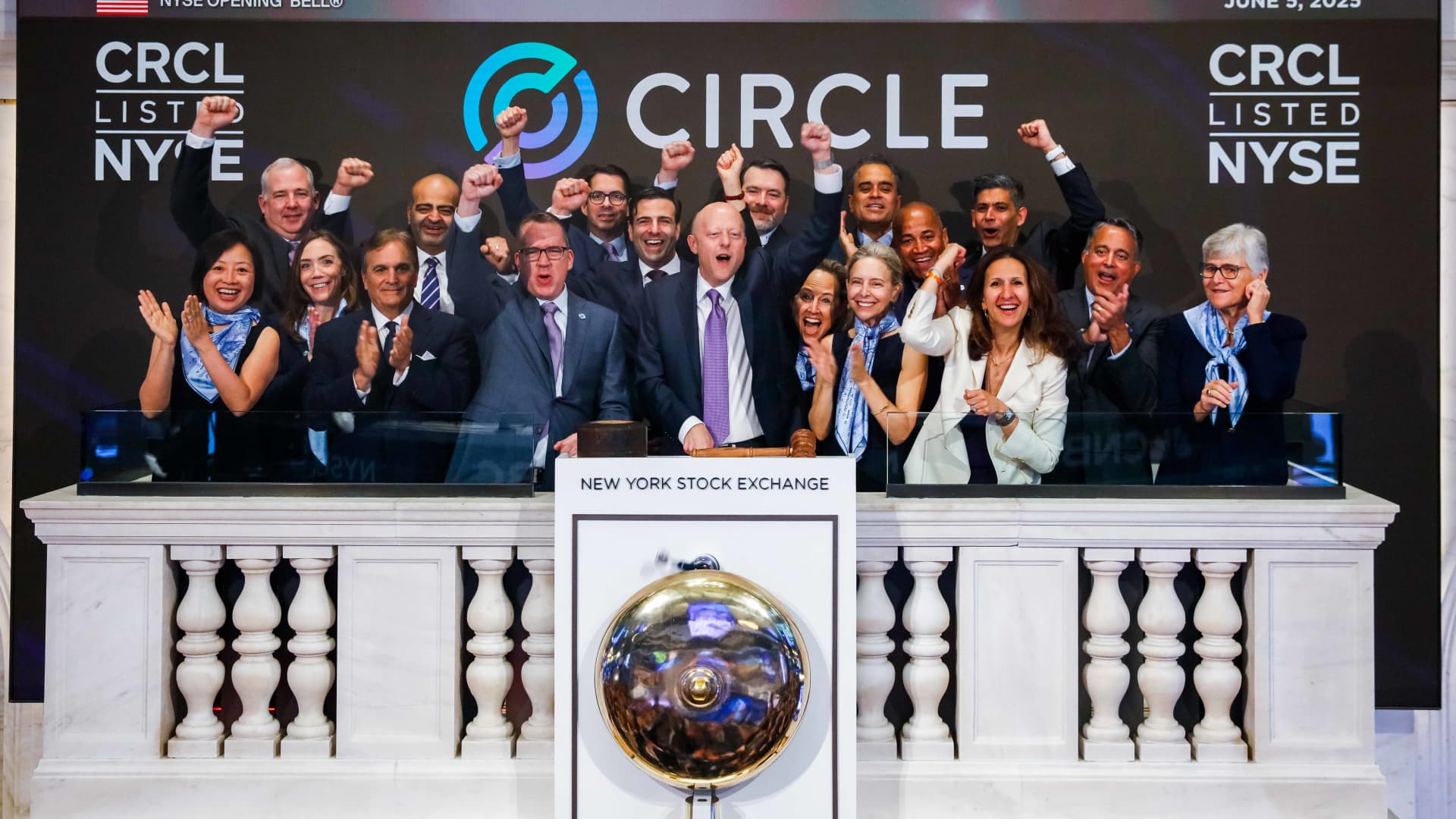
Stablecoin issuer Circle, the company behind USDC, has secured pivotal regulatory approval from the U.S. Office of the Comptroller of the Currency (OCC) to operate as a trust bank. This landmark decision allows Circle to directly manage reserves for its regulated stablecoins, eliminating reliance on third-party custodians and signaling a significant maturation of the digital asset landscape. Shares of the company reacted positively, climbing over 12% in early trading.
🚀 Tech Strategy & Market Disruptions
- Direct Reserve Management. Circle National Trust can now directly hold cash and Treasury assets for USDC, streamlining operations and enhancing trust.
- Shift to Financial Infrastructure. This move positions Circle as a foundational financial service provider rather than merely an application, aligning with broader digital transformation trends.
- National Regulatory Clarity. Operating under a single federal regulator (OCC) simplifies compliance for this fast-paced startup, replacing a patchwork of 50 state-specific rulebooks.
The OCC’s greenlight for stablecoin issuer Circle to function as a trust bank, under the new entity Circle National Trust, marks a profound evolution in how digital assets integrate into traditional finance. With over $73 billion in circulation, USDC’s reserve management will now be directly handled by Circle, a critical step towards enhancing transparency and stability. This institutional backing differentiates Circle in a crowded market and aligns with a broader digital transformation trends. The move underscores the growing recognition among regulators of the pivotal role digital currencies play in the modern global economy.
This regulatory milestone is part of an accelerating trend where crypto enterprises are transitioning from offering niche financial applications to building core financial infrastructure. Firms like Coinbase, BitGo, Fidelity Digital Assets, Ripple, and Paxos have either received similar approvals or have applications pending with the OCC, indicating a competitive race to establish a firm foothold in the regulated financial stack. This shift is not just about compliance; it’s about reducing operational friction and building trust with institutional clients, who demand the same level of security and regulatory adherence as traditional banking services. Further understanding core financial concepts related to stablecoins can be found on StockXpo.
The GENIUS Act, enacted nearly a year ago, provided a federal framework for payment stablecoins, offering much-needed clarity for digital assets. This clarity has, in turn, spurred traditional financial firms to explore issuing their own stablecoins. While this presents a competitive challenge for USDC, it simultaneously validates the underlying technology and the need for regulated infrastructure. Circle’s new charter reinforces its appeal as a robust, regulated platform for institutional customers seeking to leverage programmable digital dollars. It also provides a crucial advantage by subjecting Circle to a single national bank regulator, circumventing the complexities and costs associated with navigating diverse state-based regulations, as detailed in recent industry insights via Reuters. This streamlined approach to compliance can significantly accelerate growth and innovation in the digital finance sector.
The approval specifically allows Circle to manage reserves for its regulated stablecoins but does not permit it to operate as a commercial bank, meaning it cannot take deposits or issue loans. This distinction is crucial, as it focuses Circle’s regulatory scope on its core stablecoin operations, rather than expanding into broader traditional banking functions. The direct control over USDC’s backing assets enhances the credibility of the stablecoin, potentially attracting a wider array of institutional investors and corporate users looking for secure, transparent, and regulated digital payment solutions.
This shift towards regulatory clarity and direct management of stablecoin reserves has several key implications:
- Increased institutional adoption due to heightened trust and reduced counterparty risk.
- Potential for more efficient and lower-cost cross-border payments.
- Enhanced market liquidity and stability for USDC as a core digital asset.
The OCC approval acts as a catalyst for a profound disruption flow in digital finance. A national trust bank charter provides direct control over USDC reserves → increased transparency and reduced counterparty risk → higher institutional confidence and adoption → acceleration of programmable money applications and DeFi integration with traditional finance. This chain reaction positions regulated stablecoins as foundational elements for future payment systems and novel financial instruments, potentially challenging legacy banking rails by offering greater speed and efficiency.
“The move by Circle to obtain a national trust bank charter is more than just a regulatory win; it’s a strategic infrastructure play,” states a StockXpo Lead Solution Architect. “By owning more of the regulated financial stack, Circle reduces systemic risk, enhances its value proposition for enterprise clients, and sets a precedent for how digital asset companies can integrate deeply and securely into the global financial system. This institutional validation is key for future digital asset adoption.”
Circle’s Platform Architecture: Bolstering Trust
Circle’s transition to a trust bank status inherently strengthens its platform architecture, particularly regarding the custody and management of USDC reserves. Previously relying on third-party banking partners, Circle now assumes direct oversight, allowing for tighter integration between its digital ledger operations and traditional asset backing. This consolidation under Circle National Trust enhances the security and resilience of the USDC ecosystem by reducing points of failure and centralizing regulatory accountability. The architecture prioritizes auditability and transparency, crucial elements for attracting large-scale institutional participation. For developers building on USDC, this means an even more stable and trustworthy base layer for financial applications, fostering greater innovation in decentralized finance and enterprise blockchain solutions. The underlying technical infrastructure is designed to handle high transaction volumes and maintain real-time attestations of reserves, ensuring that every USDC token remains fully backed.
Circle’s Ecosystem Expansion Potential
The newly acquired bank charter significantly broadens Circle’s potential for ecosystem expansion. By becoming a regulated trust bank, Circle can directly onboard institutional clients who require robust compliance and direct banking relationships for their digital asset activities. This could lead to a proliferation of new financial products and services built atop USDC, from tokenized securities to advanced cross-border payment rails. The regulatory certainty also empowers Circle to explore partnerships with traditional financial incumbents, allowing them to leverage USDC as a bridge between fiat and digital economies. Furthermore, the ability to manage its own reserves provides greater flexibility in developing new stablecoin-related offerings and potentially expanding into other regulated digital asset services, thereby deepening its integration across the emerging technologies market.
Stablecoin Issuer Circle’s Regulatory Leap: What’s Next for Digital Currencies?
Circle’s OCC charter represents a critical inflection point for regulated digital currencies, elevating USDC’s status as a trusted, institutionally-backed asset. This strategic move cements Circle’s position as a core infrastructure provider within the evolving global financial landscape, paving the way for broader enterprise and institutional adoption of stablecoins.
- Strengthens USDC’s standing as a premier regulated stablecoin, increasing investor confidence.
- Sets a new benchmark for regulatory compliance and operational independence in the crypto industry.
- Opens avenues for innovative financial products and services built on a more secure, regulated foundation.
How will this regulatory clarity accelerate the integration of programmable digital dollars into mainstream financial systems worldwide?
📊 StockXpo Analyst’s View
Market Impact: This approval is a significant de-risking event for Circle and the broader stablecoin market. It enhances liquidity and investor confidence, potentially attracting substantial capital from traditional finance seeking regulated digital asset exposure. The shares reacted positively, reflecting the reduction in operational uncertainty and the strategic advantage gained by Circle. The move also signals a maturing regulatory environment for digital assets.
Sector To Watch: The financial infrastructure and blockchain technology sectors are primed for accelerated growth. Traditional banks and fintechs looking to offer digital asset services will benefit from clearer regulatory pathways and established partners like Circle. Keep a close watch on companies focusing on secure digital payments and regulated asset custody, as this trend will intensify competition and innovation in that space. (market intelligence from Bloomberg)
Financial Disclaimer:
StockXpo.com is a financial news aggregator and educational portal, not a registered investment advisor or broker-dealer. All information, news, and analysis provided herein are strictly for educational purposes and do not constitute investment, financial, legal, or tax advice. Investing in the stock market involves high risks, and past performance is not indicative of future results. StockXpo will not be liable for any financial losses or investment damages. Always consult a certified financial advisor before making market decisions.
MORE IN INSIDE TECHNOLOGY

Data Centers Face Global Headwinds: A $119 Billion Investment at Risk
Published: Saturday, October 3, 2026 · 2:48 AM

AI Cyberattacks: Interpol Warns of Escalating Speed and Risk
Published: Friday, October 2, 2026 · 1:18 AM