Published: Thursday, June 18, 2026 · 12:43 PM | Updated: Thursday, June 18, 2026 · 12:43 PM
📊 260 views




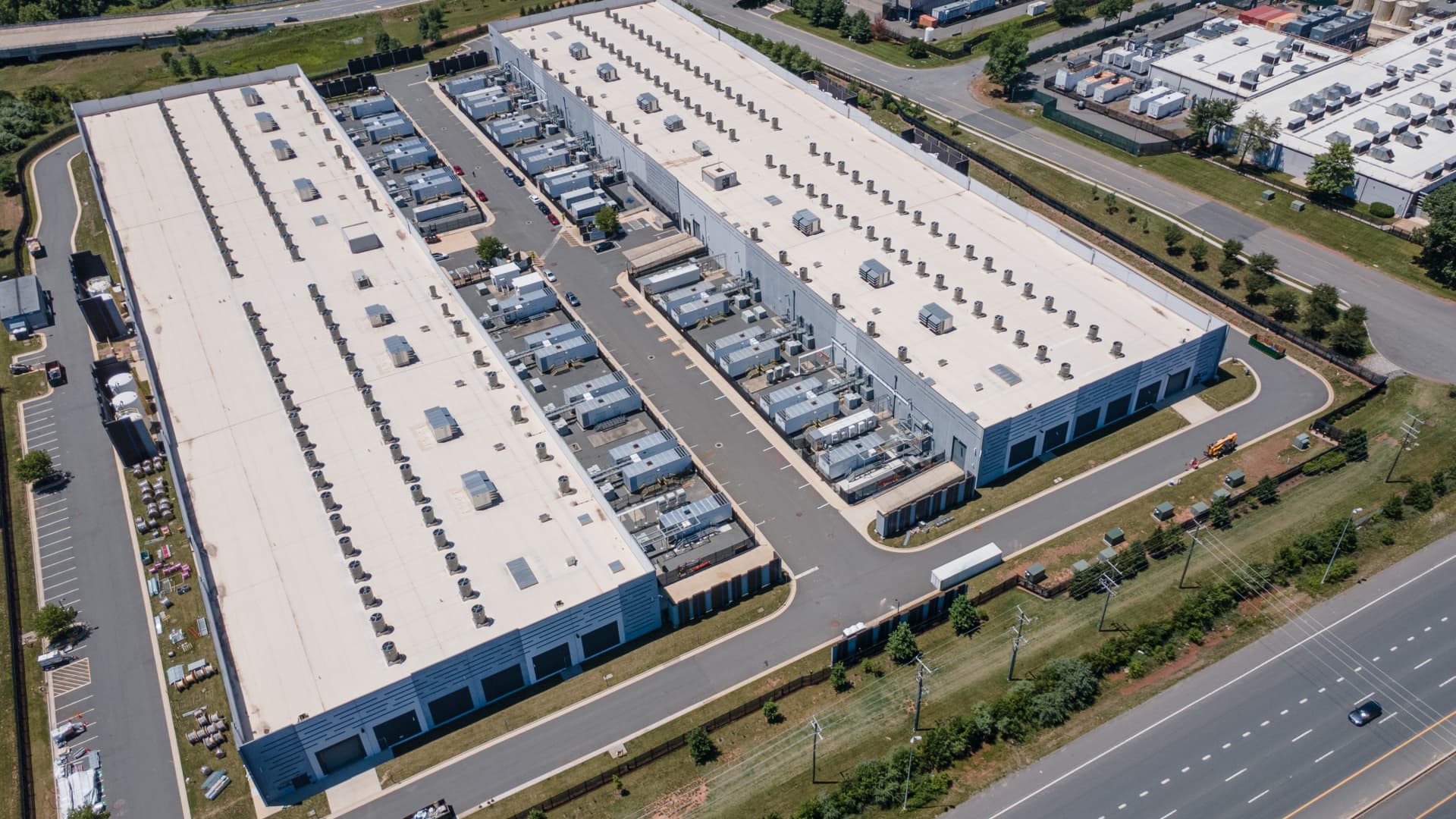
A recent study reveals a stark reality for the global digital infrastructure: nearly 80% of global data center capacity is exposed to significant climate hazards. This elevates operational risks, from increased downtime to soaring insurance costs, fundamentally challenging the long-term viability of current data center investments and demanding a radical shift in infrastructure planning.
🚀 Tech Strategy & Market Disruptions
- Outdated Risk Models. Traditional underwriting for real assets, including data centers, relies on historical climate data, which no longer accurately predicts future risks due to accelerating climate change.
- Chronic vs. Acute Hazards. While severe events like floods pose immediate threats, chronic climate stress (e.g., extreme heat, drought) affects over half of global data centers, eroding energy efficiency and driving up operational expenses over decades.
- Geographic Vulnerability Shifts. Fast-growing data center markets in Asia-Pacific and specific U.S. regions exhibit disproportionately high climate risk, forcing a re-evaluation of location strategy and infrastructure resilience.
The digital backbone of our global economy, encompassing vast data center capacity, faces an escalating threat from climate change, according to a recent report by climate risk analytics firm First Street. The study, which analyzed 97 global data center markets, found that a staggering 79% of current capacity is at elevated risk from acute climate hazards such as severe flooding, extreme winds, and wildfires. These events not only disrupt critical operations but also significantly increase downtime and drive up insurance and repair expenses. The implications for global infrastructure, as reported by firms like First Street, underscore a growing consensus across premier financial news sources about climate impact.
Beyond acute incidents, over half of all global data centers are situated in markets grappling with chronic climate stressors like extreme heat and prolonged drought, factors that directly impair energy efficiency and inflate long-term operating costs. First Street CEO Matthew Eby emphasized that current underwriting practices, which predominantly rely on historical data, fail to account for the unprecedented shifts in climate patterns. This backward-looking approach, as highlighted by First Street’s chief economist Jeremy Porter, fundamentally underestimates the true scope of risk. Government models, too, are cited as outdated, neglecting the impact of a warming Earth on precipitation levels and the increasing intensity of rainfall. This disconnect means investors may be making decisions based on incomplete information, especially for infrastructure designed to operate for 20 to 30 years.
The imperative for change is clear. As the physical environment transforms, so too must the strategies for developing and maintaining critical digital infrastructure. Some operators are already adapting; Digital Realty, for instance, is implementing advanced cooling systems to manage water consumption, moving towards ‘waterless’ or ‘closed-loop’ systems across its global portfolio. This proactive approach underscores a growing recognition within the industry that sustainable, climate-resilient designs are not merely an environmental obligation but a fundamental requirement for long-term operational stability and financial prudence, a perspective reflected across leading technology market trends.
- Risk Mispricing: Investors incorporating climate factors into capital allocation decisions will be better positioned to identify resilient markets and avoid mispriced risk.
- Beyond Building Envelopes: While physical structures can be adapted for severe weather, the focus must shift to system-level thinking, encompassing power access, egress, and community infrastructure.
- Regional Disparities: Asia-Pacific, with 89% of its data center capacity at risk, faces the highest exposure, compared to 50% in the Americas and 46% in EMEA.
The study also spotlights specific high-growth areas facing significant acute climate risk, including Northern Virginia in the U.S., Johor in Malaysia, and Marseille, France. Conversely, Nordic markets were identified as having the lowest climate risk, potentially influencing future investment flows in emerging technologies. This evolving risk landscape is a key focus for continuous analysis and reporting on global technology markets.
The rising climate vulnerability directly disrupts the traditional data center real estate model, leading to a profound impact across the digital infrastructure landscape. Increased frequency of extreme weather events and chronic climate stress → higher operational costs and downtime for existing data center capacity → accelerated demand for resilient, sustainable infrastructure designs and new geographical deployments → reallocation of investment capital towards lower-risk regions and advanced cooling technologies → market disruption as legacy data centers become less competitive, fostering innovation in edge computing and distributed energy solutions.
“The true resilience of our digital economy will hinge not just on redundant systems, but on integrating a profound understanding of climate science into every layer of infrastructure planning, from site selection to network architecture. This isn’t just about disaster recovery; it’s about engineering continuous uptime in a rapidly changing world.”
Geographic disparities in climate risk exposure for data centers are significant, influencing future investment strategies:
| Region | % Data Center Capacity at Risk (Acute Hazards) |
|---|---|
| Asia-Pacific | 89% |
| Americas | 50% |
| Europe, Middle East, and Africa (EMEA) | 46% |
Data Center Security & Infrastructure Strength Evolution
In light of escalating climate threats, the concept of security for data centers is broadening beyond cyber protection to encompass physical resilience against environmental calamities. Infrastructure strength is no longer merely about fault tolerance and redundancy within the data hall, but extends to the entire supply chain of power, network connectivity, and even water resources. Developers are now compelled to engineer building envelopes that withstand severe weather events, alongside advanced cooling solutions that minimize water consumption, as seen with Digital Realty’s closed-loop systems. This evolution demands significant capital expenditure in site selection and structural engineering, impacting the financial models for new builds and retrofits. Ensuring robust connectivity and power access, particularly in areas prone to disruptions, means investing in diversified energy grids and fiber routes that bypass high-risk zones, reflecting a holistic view of safeguarding digital assets. Further insights can be gleaned from educational tech insights.
Data Center Ecosystem Expansion Potential Reassessment
The findings from First Street necessitate a fundamental reassessment of global data center ecosystem expansion. Regions previously considered prime for growth due to economic or logistical advantages, such as Northern Virginia or Johor, Malaysia, now face scrutiny over long-term climate vulnerability. This could lead to a strategic pivot towards historically lower-risk locations, exemplified by the Nordic markets, which offer stable climates and access to renewable energy. This shift influences not only the physical deployment of new facilities but also the broader economic and social ecosystems that develop around them. Companies planning hyperscale deployments must balance immediate market access with decades-long operational resilience, driving demand for innovative cooling, power generation, and distributed infrastructure solutions. The shift will inevitably create new hubs for digital transformation, influencing global technology market trends and fostering new partnerships among infrastructure providers and local governments.
The Ripple Effect of Data Center Capacity Risks on Future Markets
The looming climate threat to global data center capacity is poised to trigger significant shifts in investment, development, and operational strategies across the tech sector. This imperative drives innovation in resilient infrastructure.
- Strategic Site Selection: The industry will prioritize climate-resilient locations, shifting investment away from historically attractive but high-risk regions.
- Sustainable Engineering: Accelerated adoption of advanced cooling, renewable energy integration, and robust physical safeguards will become standard for new and existing facilities.
- Underwriting Evolution: Financial and insurance markets will increasingly integrate dynamic climate risk models, influencing capital costs and investment attractiveness.
How quickly can global technology adapt its foundational infrastructure to these undeniable environmental realities?
📊 StockXpo Analyst’s View
Market Impact: The escalating climate risk for data centers will introduce a new layer of complexity to infrastructure investment, likely increasing capital expenditures for resilient designs and driving up operating costs in vulnerable regions. This could pressure margins for some data center REITs and cloud providers with significant legacy footprints, while creating opportunities for specialized firms offering climate-resilient solutions. The market will demand greater transparency on climate exposure from operators, influencing investor sentiment and potentially leading to a re-rating of assets.
Sector To Watch: The critical need for climate-resilient digital infrastructure positions the ‘green tech’ and ‘smart infrastructure’ sectors for substantial growth. Companies specializing in advanced cooling technologies, microgrids, renewable energy integration, and predictive climate analytics will see increased demand. Furthermore, the semiconductor and hardware industries, which underpin next-generation, energy-efficient data center components, will remain pivotal, particularly those driving innovations that enable lower power consumption.
Financial Disclaimer:
StockXpo.com is a financial news aggregator and educational portal, not a registered investment advisor or broker-dealer. All information, news, and analysis provided herein are strictly for educational purposes and do not constitute investment, financial, legal, or tax advice. Investing in the stock market involves high risks, and past performance is not indicative of future results. StockXpo will not be liable for any financial losses or investment damages. Always consult a certified financial advisor before making market decisions.
MORE IN INSIDE TECHNOLOGY
AI Innovation Fuels Southeast Asia’s Digital Growth
Published: Thursday, October 22, 2026 · 12:36 AM
NextDC Shares Plunge: Power Delays Threaten Australia’s Data Center Growth
Published: Wednesday, October 21, 2026 · 1:50 AM