Published: Tuesday, June 16, 2026 · 6:08 PM | Updated: Tuesday, June 16, 2026 · 6:08 PM
📊 224 views




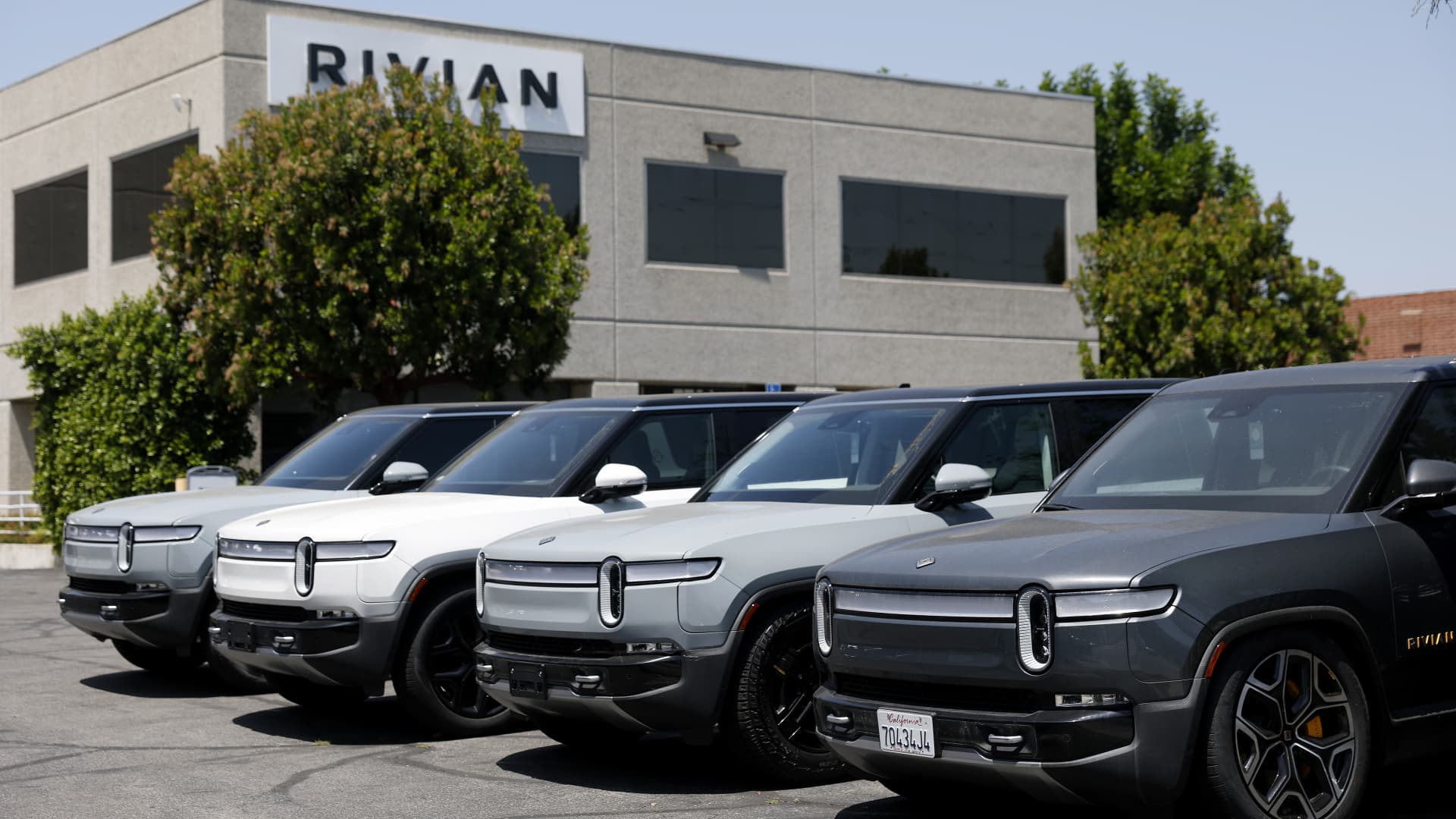
Rivian has announced further Rivian layoffs, affecting hundreds of workers, or less than 2% of its total workforce. This strategic move comes as the electric vehicle manufacturer intensifies its focus on achieving profitability, particularly following the recent launch of its crucial R2 SUV.
The decision underscores the challenging market dynamics facing EV makers and Rivian’s urgent need to streamline operations and narrow significant financial losses reported by financial news outlets like Reuters.
🗝️ Corporate Strategy Insights
- Operational Efficiency Drive. Rivian aims to reduce significant per-vehicle losses and achieve long-term financial viability by cutting costs.
- R2 Launch Pivot. The R2 SUV is critical to shifting Rivian from a niche luxury brand to a mainstream competitor, requiring a leaner, more focused operational structure.
- Market Adaptation. These workforce adjustments reflect broader pressures in the evolving EV market, including changing regulations and intense competition from established players.
Why Rivian is Streamlining Operations Now
The latest round of Rivian layoffs, which impact teams across service and customer segments, are a direct response to the company’s persistent struggle with profitability. Despite delivering 42,247 vehicles last year, Rivian reported a substantial $3.6 billion loss, with its automotive segment losing approximately $6,000 for every vehicle delivered in the first quarter of this year. This financial performance has created significant pressure for the company to optimize its cost structure as reported by financial news sources such as CNBC.
This workforce reduction, affecting less than 2% of its 15,232 employees, follows a larger layoff of over 600 workers in October last year. The continued restructuring indicates a deep-seated commitment to operational efficiency as Rivian attempts to scale its business profitably. The timing is particularly notable, coming just a week after the official launch of the R2 SUV, a vehicle positioned to be a game-changer for the company.
- Strategic Focus: Rivian’s moves align with a broader strategic objective to transition from a high-cost, low-volume luxury EV maker to a more mainstream brand capable of challenging market leaders like Tesla on a larger scale.
- Market Headwinds: The EV sector is navigating a more challenging environment, marked by shifting consumer demand and regulatory changes, including the potential elimination of federal incentives for EV purchases.
- Cost Control: Reducing overhead, particularly in non-production-critical areas, is a direct pathway to improving margins and achieving the long-sought goal of annual profitability.
The company stated its intent to ‘profitably scale’ its business, reinforcing the notion that these decisions are not merely reactive but part of a carefully considered plan to improve the company’s long-term financial health and competitive standing within the broader landscape of investment analysis.
How Rivian’s Cost Cuts Impact the EV Landscape
The immediate strategic ripple effect of these Rivian layoffs is a clear signal to the market regarding the imperative for fiscal discipline in the capital-intensive EV industry. This move demonstrates a direct cause-and-effect chain:
Workforce Reduction → Optimized Cost Structure → Improved Unit Economics → Path to Profitability.
For competitors, particularly those in the nascent stages of scaling up or those facing similar profitability challenges, Rivian’s actions serve as a stark reminder of market realities. Companies like Lucid Group or traditional automakers transitioning to EVs might re-evaluate their own operational expenditure and staffing levels. The focus shifts intensely from mere production volume to profitable production volume. This strategy helps define corporate growth strategies within the electric vehicle sector.
On the consumer front, a more cost-efficient Rivian could eventually translate into more competitive pricing for its mainstream R2 SUV, potentially broadening its market reach and eating into market share currently dominated by Tesla. However, the short-term impact on customer service teams could pose challenges to the customer experience, an area where premium EV brands typically aim to excel.
‘Rivian’s latest layoffs are less about a downturn and more about a strategic recalibration. The company is shedding costs to survive and thrive in a market that’s increasingly demanding efficiency, not just innovation. The R2 launch is the pivot, and these cuts are the essential groundwork for making that pivot profitable.’
Key Financial Indicators for Rivian (RIVN)
Rivian’s financial health remains a primary concern for investors. The following metrics highlight the significant challenges the company aims to address through its current restructuring efforts:
| Metric | Value | Significance |
|---|---|---|
| 2025 Annual Net Loss | $3.6 billion | Highlights the urgent need for cost control and revenue growth to achieve profitability. |
| 2025 Vehicle Deliveries | 42,247 units | Indicates scaling production, but not yet at a profitable volume for current cost structure. |
| Q1 Automotive Segment Loss Per Vehicle | ~$6,000 | Illustrates the deep unprofitability at the unit level, driving the need for operational efficiency. |
These figures underscore why Rivian is aggressively pursuing cost reductions and a more efficient operational model. The substantial per-vehicle loss is particularly concerning and makes the R2’s success and associated cost efficiencies paramount.
Rivian’s Strategic Analysis: A High-Stakes Bet
Rivian’s strategy is currently a high-stakes gamble on the R2 platform. Moving down-market from its initial R1T and R1S luxury offerings represents a fundamental shift. This requires not only manufacturing prowess but also a robust, scalable supply chain and a cost-effective distribution and service network. The company must prove it can produce the R2 at a significantly lower cost basis than its predecessors while maintaining quality and brand appeal. This involves deep dives into every aspect of its corporate growth and operational framework.
The recent layoffs, though relatively small in percentage, are a part of this strategic re-evaluation, indicating that the company is optimizing its resources ahead of the R2’s mass market push. This includes scrutinizing every department to ensure it directly contributes to the core mission of profitable vehicle manufacturing and delivery. The long-term viability hinges on whether the R2 can achieve the sales volumes and margins necessary to offset the heavy investment in its manufacturing facilities and technology.
Rivian’s Competitive Advantages: Beyond the Brand
Despite its financial challenges, Rivian possesses several competitive advantages that could be leveraged for future success. Its brand identity, rooted in adventure and utility, resonates strongly with a specific segment of the EV market, differentiating it from Tesla’s more minimalist or traditional automakers’ offerings. Furthermore, Rivian’s vertical integration, from battery pack design to software, provides a degree of control over its product and potential cost efficiencies down the line, if managed effectively.
The company also benefits from its strategic partnerships, such as the one with Amazon, which provides a steady demand for its electric delivery vans. This foundational commercial business offers a revenue stream that many other EV startups lack. However, converting these advantages into sustained profitability requires relentless execution on manufacturing efficiency and market penetration, especially with the R2 as a crucial bridge to mainstream adoption. Learning from market insights and industry research available on various educational insights platforms will be key.
Rivian’s Path to Profitability: A Critical Juncture
Rivian’s latest strategic adjustments, including the recent hundreds of Rivian layoffs, mark a critical inflection point for the company. As it pushes the R2 SUV into a more competitive mainstream market, the ability to achieve operational efficiency and cost control will determine its long-term viability and success.
- The R2 SUV’s success is paramount for Rivian’s shift to a profitable, high-volume EV manufacturer.
- Sustained cost-cutting measures are essential to narrow the significant per-vehicle losses.
- The challenging EV market demands agile adaptation and a relentless focus on unit economics.
Can Rivian successfully navigate these operational challenges to emerge as a dominant force in the evolving electric vehicle market?
📊 StockXpo Analyst’s View
Market Impact: These Rivian layoffs, while a minor percentage, are a strong indicator that the market’s previous appetite for growth-at-any-cost in the EV sector is waning. Investor sentiment will likely weigh operational efficiency and clear paths to profitability far more heavily than raw delivery numbers. Expect some short-term stock volatility, but potentially a long-term positive re-rating if the strategy yields tangible results. This could also ripple into how capital is allocated across the broader automotive industry by institutional investors.
Sector To Watch: The entire EV startup ecosystem is under scrutiny. Companies that cannot demonstrate a clear path to positive cash flow and unit profitability will face increased pressure. Traditional automakers with established production efficiencies entering the EV space may gain an advantage as the market prioritizes financial discipline over speculative growth.
Financial Disclaimer:
StockXpo.com is a financial news aggregator and educational portal, not a registered investment advisor or broker-dealer. All information, news, and analysis provided herein are strictly for educational purposes and do not constitute investment, financial, legal, or tax advice. Investing in the stock market involves high risks, and past performance is not indicative of future results. StockXpo will not be liable for any financial losses or investment damages. Always consult a certified financial advisor before making market decisions.
MORE IN INSIDE BUSINESS
Saudi Arabia Flight Decision: Delta Weighs Safety Amid Regional Tensions
Published: Friday, October 9, 2026 · 7:21 AM

Skydance Vertical Win: Ellison’s Bold Strategy for Media Dominance
Published: Thursday, October 8, 2026 · 12:44 PM