Published: Tuesday, June 16, 2026 · 10:45 PM | Updated: Tuesday, June 16, 2026 · 10:45 PM
📊 298 views




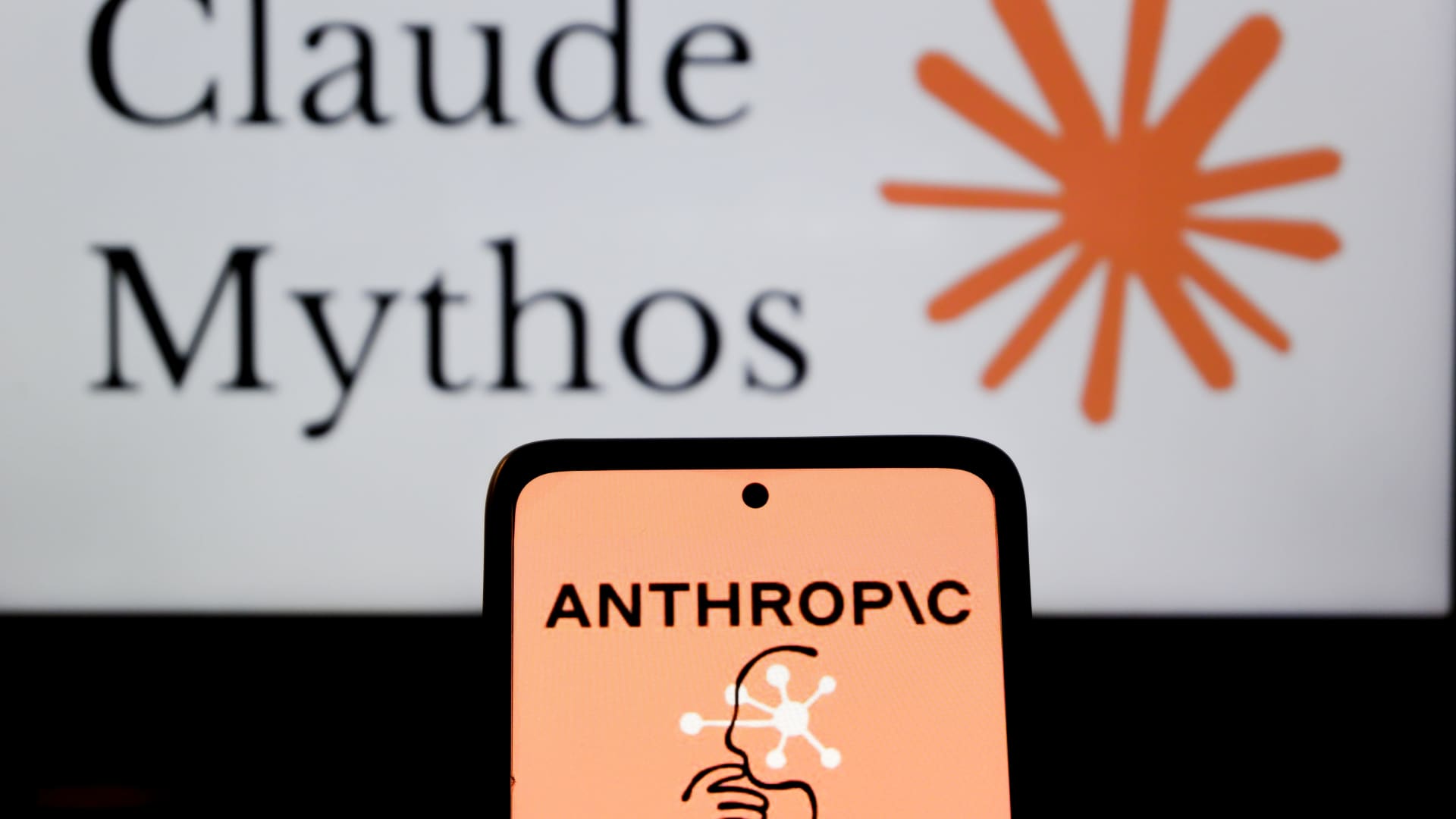
Anthropic’s recent decision to suspend its top-tier AI models, Fable 5 and Mythos 5, in response to a U.S. government directive underscores a critical juncture for companies reliant on closed-source AI solutions. This move not only highlights the inherent dependency risks but also fuels a burgeoning debate around the strategic imperative and growing appeal of open-source AI.
🚀 Tech Strategy & Market Disruptions
- Access Volatility Drives Open-Source Appeal. The abrupt cutoff of Anthropic’s models by government decree reveals the fragility of relying on external, controlled AI systems, pushing companies to explore self-hosted, open-source alternatives for greater autonomy.
- Geopolitical AI Race Intensifies. With leading open-source models emerging from China, the U.S. faces a growing challenge in the global AI competition, as businesses increasingly look beyond domestic providers for innovation and cost-effectiveness.
- Cost Optimization Fuels Model Reevaluation. The rising expense of state-of-the-art AI, coupled with usage-based pricing models, is compelling enterprises to seek more economical and efficient open-source AI solutions, even those previously overlooked.
Why Control Over AI Models Matters for Enterprises
The suspension of Anthropic’s Fable and Mythos models served as a stark reminder: access to crucial AI capabilities can be revoked without notice, particularly when national security concerns are cited. This event has significant implications for companies that were building their digital transformation strategies on these proprietary systems. Microsoft CEO Satya Nadella articulated this concern, emphasizing the need for companies to develop agentic systems that retain intellectual property control, rather than ceding value to a few dominant AI providers. His warning resonates deeply as major AI players like OpenAI and Anthropic prepare for potential public offerings, a development Wall Street will be scrutinizing closely for signs of market consolidation and risk.
In response to this growing demand for autonomy, companies like MiniMax and Zhipu, Chinese open-source AI labs, have seen their valuations surge. Their downloadable models offer a tangible solution for businesses seeking to avoid vendor lock-in and maintain sovereign control over their AI assets. This shift is not merely theoretical; it’s a practical response to geopolitical sensitivities and the desire for foundational technological independence. For businesses, the ability to download, run, and customize AI models on their own infrastructure offers a bulwark against external disruptions, ensuring continuity and alignment with proprietary data and strategic objectives.
The pursuit of control over AI models is also being driven by economic realities. As the cost of cutting-edge AI climbs, enterprises are actively seeking ways to optimize spending. This involves routing routine tasks to more cost-effective models while reserving the most sophisticated and expensive ones for high-value, complex problems. Yash Patel, CEO of Applied Compute, noted this trend, describing a shift away from maximizing token usage towards a preference for ‘better, cheaper, faster models.’ This economic pressure is making previously dismissed open-source options, particularly from China, more attractive than ever. What was once a hesitant consideration is now becoming a serious evaluation of performance and cost-effectiveness.
The Rise of Open-Source AI Champions
The global AI landscape is rapidly evolving, with open-source models increasingly challenging the dominance of proprietary systems. This trend is particularly evident in the adoption rates of models from Chinese AI labs such as DeepSeek, Tencent, Xiaomi, and MiniMax, which consistently rank among the most used on platforms like OpenRouter. Zhipu’s recent model release, framed as a counterpoint to U.S. government restrictions, underscores the growing sentiment that advanced AI should not be concentrated in the hands of a few or be subject to arbitrary withdrawal. This open approach not only democratizes access but also fosters collaborative innovation, accelerating the pace of development and making sophisticated AI capabilities more accessible globally, impacting emerging technology market trends.
The implications for the broader technology sector are profound. Companies that can offer robust, adaptable, and cost-efficient open-source AI solutions are poised to capture significant market share. This is especially true as enterprises grapple with the ‘token-pocalypse’ – the move towards usage-based pricing that can escalate costs unpredictably. The need for predictable expenses and greater operational freedom is driving a reassessment of AI sourcing strategies, making the open-source community a critical focal point for innovation and investment. Examining these dynamics is essential for understanding the future trajectory of emerging technologies.
The sudden withdrawal of access to critical AI models by a proprietary vendor, driven by external regulatory pressure, starkly illustrates the inherent supply chain risk. For CTOs and solution architects, this reinforces the strategic necessity of cultivating robust, internally managed AI capabilities, prioritizing open-source solutions where feasible to ensure operational resilience and long-term IP control.
Open-Source AI: Navigating the New Frontier
The future of AI development appears to be at a crossroads, with the Anthropic Fable shutdown serving as a potent catalyst for change. The market’s response, seen in the surge of Chinese open-source AI stocks, indicates a strong investor appetite for models that offer independence and cost efficiency. As the AI race intensifies, the winners may well be those who can effectively leverage and contribute to the open-source ecosystem, rather than solely those backed by massive venture capital for closed models.
Anthropic’s Fable Shutdown: Implications for AI Governance
Anthropic’s decision to disable its Fable 5 and Mythos 5 models, while aimed at complying with a U.S. government directive related to national security, raises significant questions about AI governance and the international flow of advanced technology. The directive highlights a growing concern among governments regarding the potential misuse of powerful AI tools and the need for stricter export controls. This action underscores the complex interplay between technological advancement, corporate responsibility, and national interests, forcing a reconsideration of how AI development is regulated and managed on a global scale. The challenges in balancing innovation with security are becoming increasingly apparent, suggesting a future where regulatory frameworks will play a more dominant role in shaping the AI industry.
Open-Source AI Ecosystem Health & Scalability
The robustness and scalability of the open-source AI ecosystem are crucial for its long-term viability and widespread adoption. As more companies turn to open-source solutions for greater control and cost savings, the demand for well-maintained, performant models will only increase. Key factors for success include active community development, clear documentation, ease of integration, and a commitment to addressing security vulnerabilities promptly. The ability of these open-source projects to scale efficiently to meet enterprise-level demands without compromising performance or reliability will be a critical determinant of their market impact. Furthermore, fostering a collaborative environment where developers and organizations can readily contribute to model improvements will be essential for maintaining a competitive edge against proprietary offerings, providing valuable educational tech insights.
The Shifting Landscape of AI Model Ownership
The recent events surrounding Anthropic’s model suspensions are significantly reshaping how businesses perceive ownership and control over their artificial intelligence infrastructure. Historically, many organizations were content with leveraging cloud-based, proprietary AI models, accepting the trade-off for convenience and advanced capabilities. However, the realization that these valuable assets can be abruptly inaccessible due to external factors—be it regulatory action or a vendor’s strategic shift—is prompting a fundamental reevaluation of this approach. The emphasis is now shifting towards building in-house expertise and infrastructure to manage and deploy AI models, thereby securing intellectual property and ensuring operational continuity. This pivot towards greater autonomy is not just about mitigating risk; it’s about establishing a more sustainable and predictable foundation for long-term AI integration and innovation, a perspective often discussed by leading technology analysts.
Why Open-Source AI is Now a Critical Strategic Imperative
The shutdown of Anthropic’s Fable and Mythos models by government order represents a pivotal moment, accelerating the transition towards open-source AI for many enterprises. This event underscores that relying solely on proprietary AI solutions introduces significant supply chain risks, jeopardizing business continuity and intellectual property. As businesses increasingly demand control, customization, and cost-effectiveness, open-source AI models are moving from an alternative to a strategic necessity. The ability to host, modify, and manage AI locally insulates organizations from external control and fosters greater innovation, positioning open-source AI as a cornerstone of resilient digital transformation strategies.
- Mitigating Vendor Dependency: The Anthropic shutdown highlights the inherent risks of vendor lock-in, pushing businesses towards open-source AI for greater control and resilience.
- Driving Cost-Effective Innovation: Increasing AI costs and usage-based pricing models are making cheaper, faster open-source alternatives more attractive, especially for routine tasks.
- Geopolitical AI Competition: The rise of leading open-source AI models from China poses a significant challenge to U.S. dominance, driving global competition and strategic considerations.
Financial Disclaimer:
StockXpo.com is a financial news aggregator and educational portal, not a registered investment advisor or broker-dealer. All information, news, and analysis provided herein are strictly for educational purposes and do not constitute investment, financial, legal, or tax advice. Investing in the stock market involves high risks, and past performance is not indicative of future results. StockXpo will not be liable for any financial losses or investment damages. Always consult a certified financial advisor before making market decisions.
MORE IN INSIDE TECHNOLOGY

SoftBank AI Investment: Malaysia’s $50 Billion Innovation Surge
Published: Monday, October 26, 2026 · 2:37 AM
SpaceX AI Chips: $40 Billion Deal Fuels Innovation-Driven Growth
Published: Sunday, October 25, 2026 · 9:35 PM