
Published: Tuesday, June 16, 2026 · 3:32 PM | Updated: Tuesday, June 16, 2026 · 3:32 PM
📊 244 views




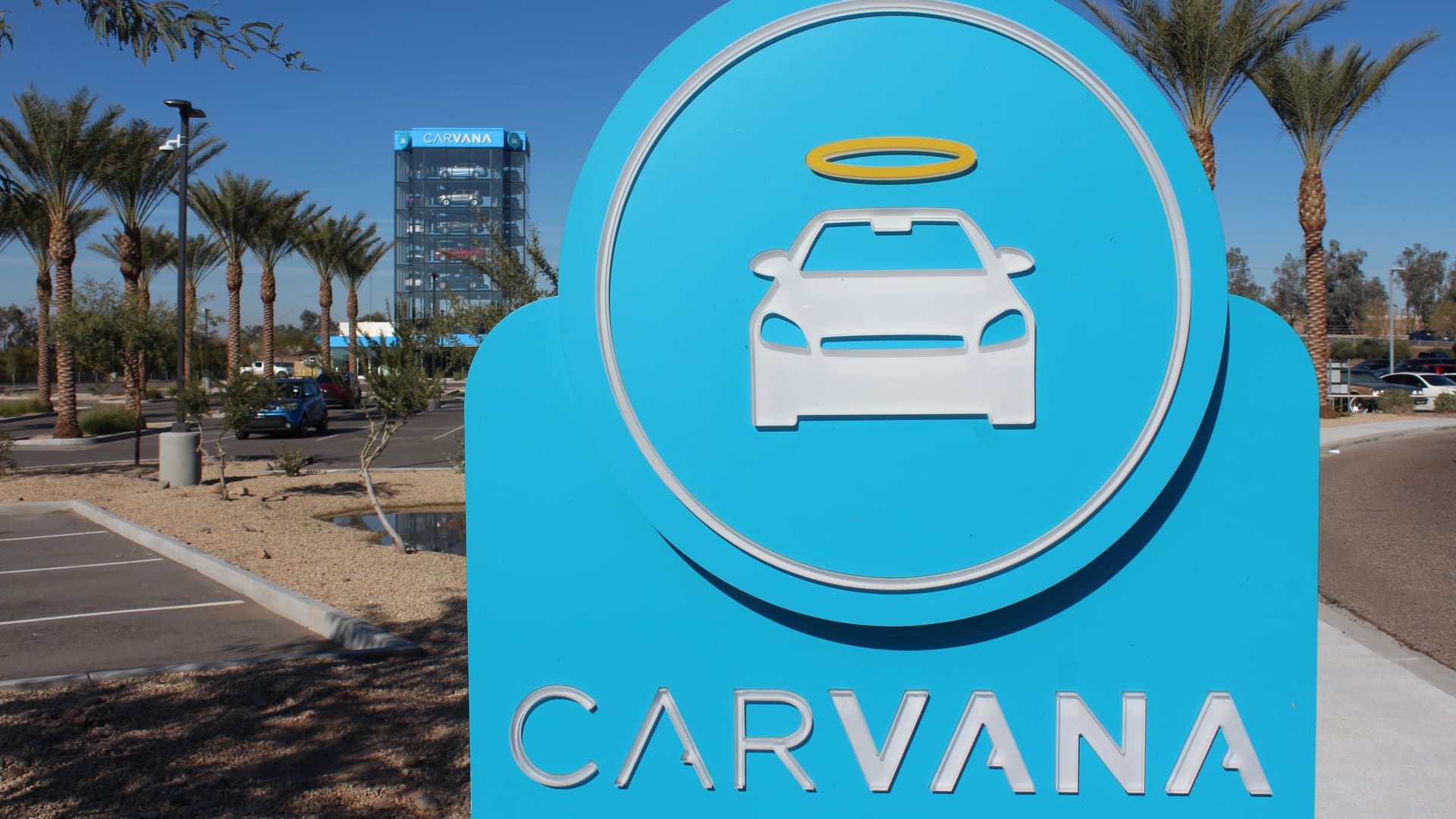
Carvana (CVNA), a titan in the used car market, is making an aggressive push into new vehicle sales, a move poised to fundamentally alter the U.S. automotive retail landscape. By quietly acquiring several Stellantis franchises, the company is directly challenging the century-old franchised dealer system, signaling a potential paradigm shift for how consumers purchase new cars.
🗝️ Corporate Strategy Insights
- Market Expansion Beyond Used Cars. Carvana’s acquisition of new vehicle franchises diversifies its revenue streams and extends its reach beyond its traditional used car segment.
- Leveraging Existing Infrastructure. The company can capitalize on its extensive logistics, reconditioning centers, and digital sales platform to streamline new vehicle delivery and service, creating a unique competitive advantage.
- Complete Vehicle Lifecycle Capture. By entering new sales, Carvana gains access to exclusive dealer auctions for used cars and positions itself to offer parts, service, and enhanced finance & insurance products, capturing more of the vehicle’s economic lifecycle.
Carvana’s entry into the market for Carvana new vehicles with its acquisition of seven Stellantis franchises, including a top-volume store in Arizona, marks a significant strategic pivot. This expansion is not merely an incremental revenue play; it’s a calculated move to integrate Carvana’s digital-first, logistics-heavy model into the historically brick-and-mortar new car sales environment. The company, known for its iconic car vending machines and seamless online used car transactions, is now applying this operational efficiency to a segment long resistant to change. The Casa Grande, Arizona, dealership, under Carvana’s ownership, saw its monthly sales jump from 30-50 units to over 700, demonstrating the potency of Carvana’s operational approach when applied to new vehicles.
This strategy offers several synergistic benefits that enhance Carvana’s overall market position to gain comprehensive investment analysis.
- Access to Exclusive Inventory: Owning franchises grants Carvana entry into exclusive manufacturer auctions, a crucial channel for sourcing high-quality used vehicles that was previously unavailable. This directly feeds their core used car business.
- Expanded Customer Lifecycle Value: Traditional dealerships thrive on a four-pillar model: new, used, parts & service, and finance & insurance (F&I). Carvana already excels in used sales and F&I; new vehicle franchises open doors to parts and service, enabling a full lifecycle engagement with customers.
- Mitigation of Regulatory Hurdles: By acquiring established franchises, Carvana navigates the complex state-by-state regulations that typically restrict direct-to-consumer new car sales, which companies like Tesla have long contended with.
The company’s ability to leverage its existing nationwide processing and logistics infrastructure, akin to Amazon’s supply chain for consumer goods, provides a foundational advantage. This network of reconditioning centers and delivery hubs, capable of handling 1.5 million vehicles annually, positions Carvana to scale its new vehicle operations rapidly and efficiently, potentially outpacing traditional multi-brand public dealerships like Lithia or AutoNation in operational velocity, as noted by industry consultant Larry Dominique.
Strategic Ripple Effect of Carvana’s New Venture
Carvana’s foray into new vehicle sales creates a profound ripple effect across the U.S. automotive retail market. The primary cause-and-effect chain begins with Carvana’s Franchise Acquisition → Market Entry for New Vehicles → Increased Competitive Pressure on Traditional Dealers → Accelerated Digital Transformation Across the Industry → Potential Shift in Market Share Dynamics.
This expansion directly challenges the entrenched business models of traditional franchised dealerships. For competitors, particularly smaller, regionally focused dealers, Carvana’s operational scale and digital prowess could prove daunting. The rapid sales growth at its Stellantis stores illustrates how an optimized digital-first approach, combined with efficient logistics, can dramatically boost volume. Automakers, especially those facing market share challenges like Stellantis, may find Carvana’s model attractive for boosting sales, potentially leading to more flexible arrangements with non-traditional dealers. This could compel other manufacturers to reconsider their traditional distribution strategies and existing dealer relationships. The increased competition will likely force all players to enhance their own digital offerings and operational efficiencies, benefiting consumers with more convenient purchasing options.
“Carvana entering the new vehicle franchise business may be one of the most disruptive forces that auto retailing has seen in the U.S. market in decades,” John Murphy, a longtime Wall Street analyst and automotive consultant told CNBC.
Evaluating Carvana’s Initial Impact on New Vehicle Sales
Carvana’s initial impact on new vehicle sales is demonstrated by key operational indicators:
| Metric | Pre-Carvana Acquisition (Monthly Average) | Post-Carvana Acquisition (Monthly) | Significance |
|---|---|---|---|
| Stellantis Casa Grande, AZ Sales Volume | 30-50 vehicles | ~700 vehicles | Illustrates Carvana’s capability to significantly boost sales volume through its online model and operational efficiencies. |
| Carvana Total Reconditioning Capacity | N/A | 1.5 million vehicles/year | Indicates massive potential for scaling both used and new vehicle preparation and potentially future service offerings. |
These metrics underscore Carvana’s ability to drive volume and its underlying logistical strength, which are critical for scaling new operations.
Carvana’s Competitive Advantages in a New Arena
Carvana brings several inherent competitive advantages to the new vehicle market, stemming from its established operational model and infrastructure. Unlike traditional dealerships that often rely on localized sales and physical showroom experiences, Carvana operates with a national footprint and a sophisticated digital sales funnel. This distinction is crucial for understanding its long-term potential in this new segment.
- Digital-First Customer Experience: Carvana has perfected an online car buying experience, offering convenience and transparency that resonates with modern consumers. This digital prowess, combined with physical delivery and “vending machine” pickups, sets it apart from conventional dealerships.
- Centralized Logistics & Reconditioning: Its Amazon-like logistics network, including vehicle reconditioning centers and a national transport system, allows for efficient inventory management and delivery across state lines. This significantly reduces localized inventory carrying costs and expands market reach beyond regional limitations.
- Data-Driven Operations: Leveraging vast datasets from its used car operations, Carvana can apply sophisticated analytics to pricing, inventory allocation, and customer preferences in the new car market, potentially leading to more optimized sales strategies than many smaller, independent dealerships. This capability to analyze consumer buying patterns and regional demand with greater precision is a distinct edge.
Carvana Industry Benchmarking: A Hybrid Model Emerges
Benchmarking Carvana’s new vehicle strategy against existing industry players reveals a hybrid model that blends elements of both traditional and disruptor approaches. On one hand, by acquiring franchises, Carvana aligns with the long-established legal framework for new car sales, avoiding the direct-to-consumer battles faced by companies like Tesla and Rivian. On the other hand, its operational methodology — characterized by centralized processing, online sales, and innovative logistics — fundamentally departs from the decentralized, relationship-driven sales of typical dealerships.
Compared to publicly traded dealership groups like Lithia and AutoNation, Carvana’s advantage lies in its pre-built national digital and logistical infrastructure. While these larger groups also acquire dealerships, their integration typically follows a more conventional, localized model. Carvana’s strategy is to inject its centralized, technology-driven efficiency into these newly acquired franchises, aiming for a higher volume and potentially lower cost-per-sale model. This distinctive approach suggests Carvana is not merely joining the ranks of multi-franchise owners but is attempting to redefine the operational blueprint for new vehicle retail within the existing regulatory structure.
Carvana’s Future Trajectory: What This New Vehicle Push Signals
Carvana’s strategic entry into new vehicle sales is more than an expansion; it’s a bold redefinition of its market positioning and a significant challenge to the entrenched automotive retail industry. This move indicates Carvana’s ambition to become a holistic automotive retailer, capturing the full vehicle lifecycle from new sales to used acquisitions and potentially after-sales service. It positions the company as a formidable hybrid player that combines digital convenience with franchised legality.
- This expansion strategically diversifies Carvana’s revenue streams beyond its core used vehicle business.
- It provides crucial access to exclusive OEM (Original Equipment Manufacturer) incentives and used vehicle auctions, enhancing inventory sourcing.
- The strategy underscores Carvana’s intent to leverage its extensive logistics and reconditioning infrastructure for broader market capture and offer educational insights into new business models.
Will Carvana’s blend of digital innovation and traditional franchise ownership propel it to undisputed market leadership in a rapidly evolving automotive landscape?
📊 StockXpo Analyst’s View
Market Impact: Carvana’s move could inject fresh volatility into auto retail stocks, with traditional dealers facing increased competitive pressure. This strategic shift may also lead to renewed investor interest in Carvana, signaling potential for sustained growth beyond its used car roots. The market will be closely watching for execution efficiency and scalability.
Sector To Watch: The broader automotive retail sector, including publicly traded dealer groups and even automotive logistics companies, will bear the brunt or benefit from this change. Companies that can adapt quickly to Carvana’s hybrid online-franchise model or those that provide technology solutions to traditional dealers for enhancing digital capabilities will be critical to observe.
Financial Disclaimer:
StockXpo.com is a financial news aggregator and educational portal, not a registered investment advisor or broker-dealer. All information, news, and analysis provided herein are strictly for educational purposes and do not constitute investment, financial, legal, or tax advice. Investing in the stock market involves high risks, and past performance is not indicative of future results. StockXpo will not be liable for any financial losses or investment damages. Always consult a certified financial advisor before making market decisions.
MORE IN INSIDE BUSINESS
Saudi Arabia Flight Decision: Delta Weighs Safety Amid Regional Tensions
Published: Friday, October 9, 2026 · 7:21 AM
Skydance Vertical Win: Ellison’s Bold Strategy for Media Dominance
Published: Thursday, October 8, 2026 · 12:44 PM


