Published: Wednesday, June 10, 2026 · 5:32 PM | Updated: Wednesday, June 10, 2026 · 5:32 PM
📊 265 views




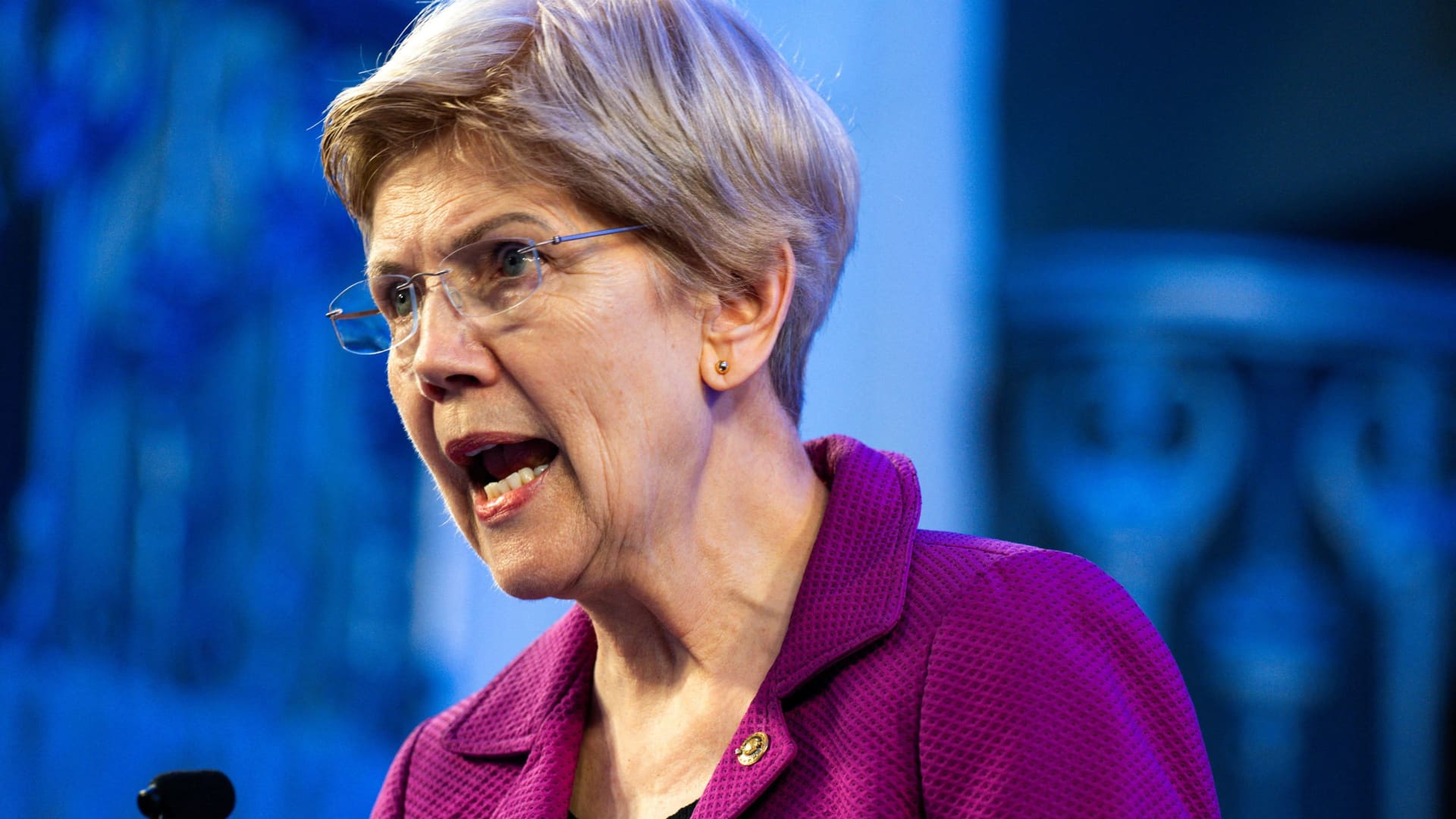
Senator Elizabeth Warren has formally requested the Securities and Exchange Commission (SEC) to postpone the highly anticipated initial public offering (IPO) of SpaceX. The concerns raised focus on the rocket manufacturer’s substantial valuation and potential issues with its corporate governance structure, signaling a critical juncture for one of the tech industry’s most closely watched market debuts.
🚀 Tech Strategy & Market Disruptions
- Valuation Scrutiny. Senator Warren’s letter highlights potential inaccuracies or misleading information concerning SpaceX’s valuation, particularly in light of its recent acquisition of Elon Musk-controlled xAI.
- Governance Red Flags. Concerns about Elon Musk’s ‘uniquely unchecked’ power as majority shareholder and potential conflicts of interest are central to the call for a delay, impacting investor protection.
- Passive Investor Risk. The potential inclusion of SpaceX in major stock market indexes could force millions of retail investors in passive funds to inadvertently invest in a high-risk company without a choice.
Navigating the Regulatory Storm Before SpaceX IPO
In a detailed 12-page letter addressed to the SEC, Warren argued that the unprecedented nature of the SpaceX IPO poses significant threats to both investor protection and market integrity. She urged the regulator to delay the effectiveness of SpaceX’s registration statement, emphasizing the need for thorough due diligence. The senator pointed to specific concerns regarding potentially inflated valuations, especially following SpaceX’s acquisition of xAI, an entity also closely tied to Elon Musk. This move, according to Warren, raises questions about conflicts of interest and the concentration of power within the company’s leadership.
The call for a delay comes as SpaceX prepares for its market debut, which is expected to set new records in terms of capital raised and company valuation. Warren’s intervention underscores a growing tension between the rapid pace of innovation in the space and aerospace sector and the traditional regulatory frameworks designed to safeguard public markets. The implications of such a large and potentially volatile IPO entering major stock indices are far-reaching, impacting not only direct investors but also those in broader market-tracking funds.
- The ‘take-it-or-leave-it’ pricing strategy of $135 per share by SpaceX deviates from standard IPO practices, which typically involve a price range that adjusts based on demand.
- SpaceX’s reported intention to allocate a substantial 30% of its IPO shares to retail investors, approximately $22.5 billion, is unusual and could further amplify market volatility.
- The complexity of valuing a company with significant government contracts and ambitious long-term space exploration goals presents unique challenges for traditional financial analysis.
Warren’s letter suggests that the current market mechanisms may not be adequately equipped to handle the unique characteristics of a company like SpaceX. The risk of forcing retail investors into potentially risky investments through passive index funds is a significant point of contention, highlighting the tension between market accessibility and investor caution. This situation brings into sharp focus the evolving landscape of capital markets and the need for regulatory bodies to adapt to disruptive business models.
Forcing investors into exposure to companies with substantial risks, especially through lower-cost passive investment vehicles, is a novel concern that Warren believes requires immediate regulatory attention. The swift progression of the SpaceX IPO, if not properly scrutinized, could set a precedent for future market entries by high-growth, complex technology companies.
The rapid ascent of companies like SpaceX, with their ambitious technological roadmaps and unconventional corporate structures, presents a critical test for existing regulatory paradigms. Ensuring robust governance and accurate valuation is paramount to maintaining market confidence, particularly as these entities integrate into broader investment vehicles like index funds.
The Architecture Behind SpaceX’s Market Entry Challenges
SpaceX’s operational and financial architecture is a complex blend of private equity funding, government contracts, and ambitious commercial ventures, including satellite internet (Starlink) and space transportation. This intricate structure necessitates a nuanced approach to valuation and risk assessment, far beyond that of a typical tech startup. The company’s continuous investment in research and development, coupled with its long-term vision for interplanetary colonization, creates a unique financial profile that is difficult to map onto traditional IPO models.
Furthermore, the integration of xAI into SpaceX’s valuation discussions adds another layer of complexity. The symbiotic relationship between the two entities, both under Musk’s leadership, creates a governance challenge that regulators and investors must carefully scrutinize. The transparency of financial dealings and the potential for cross-company resource allocation are critical factors that will influence market perception and investor confidence. Understanding this operational framework is key to grasping the regulatory hurdles SpaceX faces.
SpaceX Market Adoption Challenges
The primary adoption challenge for SpaceX in the public market, as highlighted by Senator Warren, revolves around its unprecedented valuation and the potential for misrepresentation. Investors need clear, verifiable metrics to assess the company’s true worth, especially given its futuristic ambitions and capital-intensive operations. The ‘take-it-or-leave-it’ pricing model, while decisive, bypasses the traditional price discovery mechanisms, potentially leaving investors feeling that the valuation is predetermined rather than market-driven.
Another significant challenge is the company’s unique corporate governance. Elon Musk’s dominant influence, while a driving force behind SpaceX’s innovation, raises questions about independent oversight and decision-making processes. For institutional investors, particularly those managing passive index funds, understanding and mitigating the risks associated with such concentrated leadership is a substantial hurdle. This aspect of the IPO could lead to scrutiny from financial watchdogs and necessitate clearer disclosures.
SpaceX’s Unconventional IPO Path Demands Investor Caution
Senator Warren’s call to delay the SpaceX IPO underscores critical questions about market readiness for disruptive companies with unique valuation and governance models. The approach SpaceX is taking, from its fixed share price to its significant retail allocation, diverges sharply from norms, signaling a bold strategy that carries inherent risks for all market participants. The regulatory scrutiny is a clear indication that regulators are grappling with how to balance fostering innovation with ensuring investor protection in an era of rapid technological advancement.
- The fixed IPO price of $135 per share for SpaceX represents a high-stakes bet on market demand and the company’s valuation narrative.
- The significant allocation to retail investors could democratize access but also magnifies the potential impact of any valuation missteps on a broader investor base.
- Regulatory intervention, as seen with Senator Warren’s request, signals a heightened awareness of the unique risks associated with mega-cap tech IPOs.
The future of how companies like SpaceX access public capital markets hinges on navigating these complex regulatory and valuation landscapes effectively. The outcome of this IPO could significantly influence how similar ventures are structured and regulated moving forward, shaping the future of emerging technologies and public market participation.
📊 StockXpo Analyst’s View
Market Impact: Senator Warren’s call for a delay injects a dose of caution into the broader IPO market, potentially dampening enthusiasm for other high-valuation tech listings and increasing scrutiny on governance. Investor sentiment may shift towards companies with more transparent structures and traditional valuation methods.
Sector To Watch: The aerospace and advanced technology sectors will be under increased observation. Companies involved in space exploration, satellite communications, and artificial intelligence integration, especially those with unconventional ownership structures, will likely face more rigorous due diligence from investors and regulators alike.
Financial Disclaimer:
StockXpo.com is a financial news aggregator and educational portal, not a registered investment advisor or broker-dealer. All information, news, and analysis provided herein are strictly for educational purposes and do not constitute investment, financial, legal, or tax advice. Investing in the stock market involves high risks, and past performance is not indicative of future results. StockXpo will not be liable for any financial losses or investment damages. Always consult a certified financial advisor before making market decisions.
MORE IN INSIDE TECHNOLOGY

AI Innovation Fuels Southeast Asia’s Digital Growth
Published: Thursday, October 22, 2026 · 12:36 AM
NextDC Shares Plunge: Power Delays Threaten Australia’s Data Center Growth
Published: Wednesday, October 21, 2026 · 1:50 AM