Published: Friday, June 5, 2026 · 2:15 PM | Updated: Friday, June 5, 2026 · 2:15 PM
📊 241 views




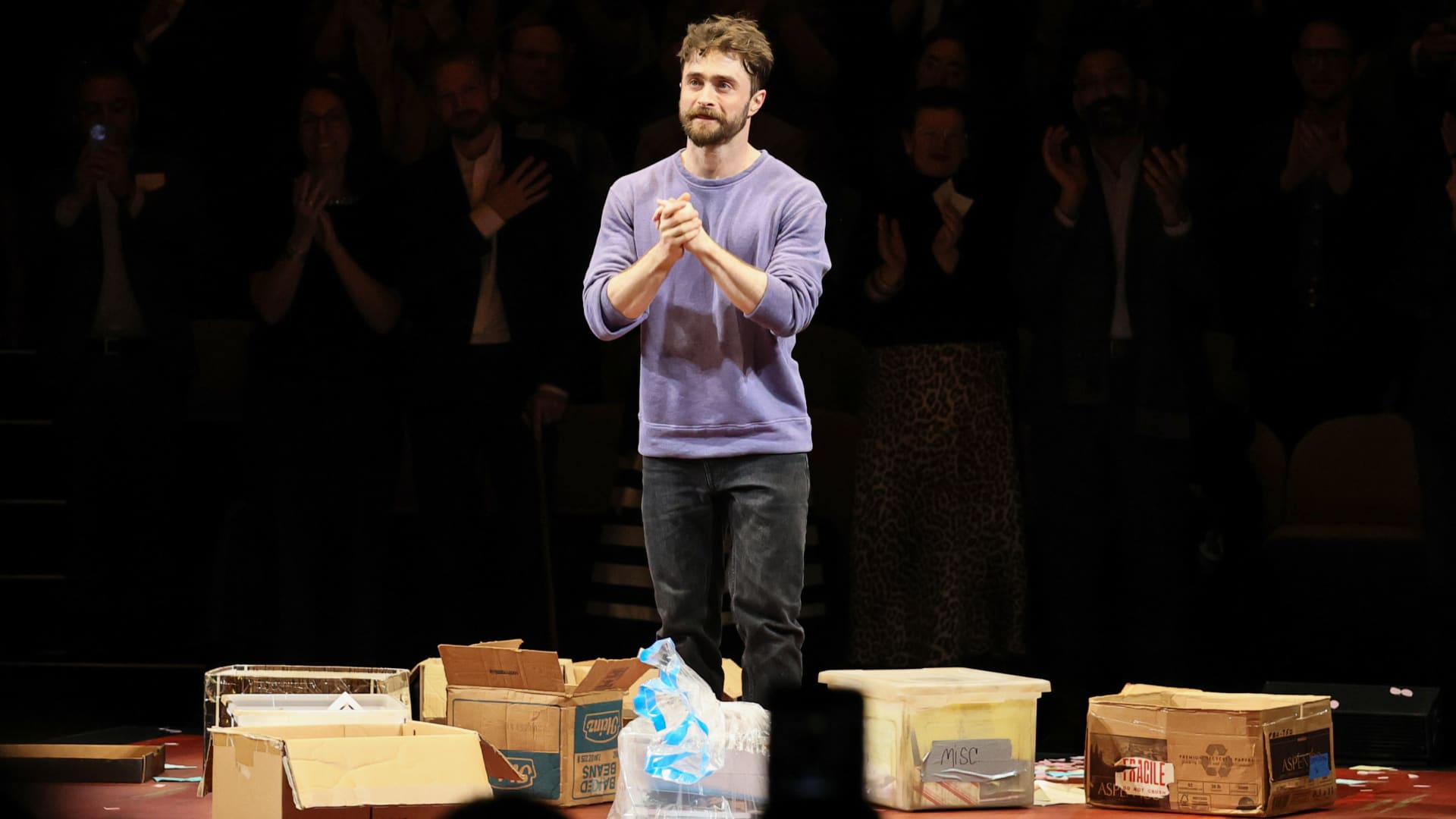
Broadway has just concluded its highest-grossing season ever, signaling a robust consumer appetite for live entertainment despite ongoing economic concerns. This resilience in the face of inflation and uncertainty underscores a broader trend of prioritizing experiential spending.
🗝️ Corporate Strategy Insights
- Experience Economy Dominance. Consumers are increasingly allocating discretionary income towards memorable experiences like live theater, concerts, and events, viewing them as valuable investments.
- Strategic Content Curation. The industry is leaning towards recognizable intellectual property and celebrity-driven productions to mitigate risk and attract a built-in audience willing to pay premium prices.
- Price Sensitivity vs. Demand. While ticket prices are rising, the sustained demand suggests a disconnect between production costs and consumer willingness to pay, posing a long-term sustainability question.
Broadway’s Economic Engine Continues to Roar
The 2025-2026 Broadway season shattered previous records, generating nearly $1.91 billion in ticket sales, according to industry data from The Broadway League. This performance marks a significant achievement, especially considering the economic headwinds consumers have faced. Even when adjusting for an additional week in the prior season, grosses saw a healthy 3.5% increase, attendance rose 1.8%, and average ticket prices climbed 1.7%.
Jason Laks, president of The Broadway League, noted the industry’s resilience, stating, ‘Even in a challenging economic environment, Broadway remained notably on par with last season, reflecting both the resilience of this industry and the connection audiences feel to these productions.’ This sentiment is echoed by the New York Fed’s beige book, which has repeatedly cited Broadway ticket sales as a strong economic indicator.
The strong performance ahead of the Tony Awards is particularly noteworthy. Awards season often provides a significant boost to ticket sales for nominated and winning shows, suggesting the current season’s momentum could continue.
The Rise of High-Ticket Plays and Celebrity Power
A key strategic shift evident in the record-breaking season is the increasing reliance on high-priced plays featuring major celebrities. While musicals remain a staple, plays accounted for a substantial portion of the revenue, with attendance surging almost 14% compared to a 4.7% dip for musicals. Plays commanded a higher average ticket price at $139.55, versus $128.83 for musicals.
Producers are strategically opting for established titles, limited runs, and marquee talent to attract audiences. This approach helps control costs and risks associated with launching entirely new musical productions. Examples include revivals of popular plays and adaptations of existing intellectual property, such as the Apple TV series “Schmigadoon” and the film “Lost Boys.””
- The industry saw 35 new productions, comprising 12 musicals and 21 plays.
- Existing intellectual property is a growing trend, with several new musicals based on popular films and TV shows.
- This strategic focus on recognizable names and concepts is a direct response to rising production costs and a desire for predictable revenue streams.
The success of star-studded limited engagements, mirroring last season’s performance led by Hollywood actors, demonstrates a clear market preference for premium theatrical experiences. This has allowed producers to command higher prices, making a night at the theater a significant financial commitment, sometimes rivaling a day trip to Disney World for a family of four.
“Producers are becoming far more selective about the economics of a project. There’s greater emphasis on recognizable titles, built-in audiences, limited runs, strategic casting, and productions that can generate additional life beyond Broadway through touring, licensing, or international productions.”
While the financial success is undeniable, the rising cost of attending Broadway is a point of concern. The average ticket price of $131 means a family outing can easily exceed $500 before factoring in additional expenses. This raises questions about long-term accessibility and the potential for audiences to feel priced out.
The financial hurdles are significant, but the industry acknowledges the delicate balance required to maintain both economic viability and cultural accessibility. If audiences perceive Broadway as too expensive, the entire ecosystem could suffer.
Broadway’s Strategic Pivot: Experiences Over Economics?
The sustained consumer spending on live events like Broadway suggests a fundamental shift in discretionary spending priorities. As detailed in analysis of company strategy, businesses that can tap into the demand for memorable experiences are well-positioned for growth.
| Metric | 2025-2026 Season | Prior Year (Adjusted) | Significance |
|---|---|---|---|
| Gross Revenue | ~$1.91 Billion | ~$1.84 Billion | Record high, indicates strong consumer spending on entertainment. |
| Attendance | Increased 1.8% | N/A | Shows continued engagement and audience willingness to attend live shows. |
| Average Ticket Price | Increased 1.7% | N/A | Reflects premium pricing strategies and rising production costs. |
Broadway’s Star Power Advantage
The current season’s success is heavily influenced by the draw of celebrity performers. This strategy allows producers to leverage existing fan bases and command higher ticket prices, effectively creating a premium product in the stock markets of entertainment.
The Price of a Standing Ovation: What’s Next for Broadway?
Broadway’s record-breaking season underscores the enduring appeal of live theater as a premium consumer experience. The industry’s ability to maintain high revenue streams amidst economic uncertainty points to a robust demand that producers are strategically capitalizing on through celebrity-driven and familiar content.
- Consumer spending on experiences remains a powerful economic driver, even in challenging times.
- Strategic casting and recognizable intellectual property are key tactics for mitigating risk and maximizing revenue.
- The industry faces a critical challenge in balancing premium pricing with long-term audience accessibility.
Will Broadway’s escalating ticket prices eventually outpace consumer willingness to pay, potentially creating a less inclusive cultural landscape?
📊 StockXpo Analyst’s View
Market Impact: This sustained consumer spending on live events signals a strong sector for experiential entertainment, potentially boosting related industries like hospitality and tourism. Investor sentiment may favor companies that can effectively monetize unique experiences.
Sector To Watch: Companies involved in live event production, talent management, and premium leisure activities are likely to benefit from this ongoing trend of consumers prioritizing experiences over material goods. The resilience of the Broadway market may also be a leading indicator for other live entertainment sectors. Investors seeking growth opportunities should monitor business segments that cater to experiential consumption.
Financial Disclaimer:
StockXpo.com is a financial news aggregator and educational portal, not a registered investment advisor or broker-dealer. All information, news, and analysis provided herein are strictly for educational purposes and do not constitute investment, financial, legal, or tax advice. Investing in the stock market involves high risks, and past performance is not indicative of future results. StockXpo will not be liable for any financial losses or investment damages. Always consult a certified financial advisor before making market decisions.
MORE IN INSIDE BUSINESS
American Airlines loss forecast: Strategic Capacity Slowdown Expected
Published: Thursday, October 22, 2026 · 8:40 AM
United Airlines Profit Outlook Slashed Amid Fuel Costs, Strong Demand Persists
Published: Wednesday, October 21, 2026 · 7:30 AM